Ask around Dilworth about how long it takes to get a Certificate of Appropriateness, and you'll hear the same range every time: four to eight weeks from a complete submittal to a decision. That number comes from the same design standards the Historic District Commission uses to evaluate every project, and it's not wrong. It's just not the whole story.
Pull the commission's own case files and a different number shows up. Charlotte's Historic District Commission rules give staff up to six months between a project's initial hearing date and its required decision date. That's not a worst-case scenario buried in the fine print. It's built into the process by design, and real 2026 case files show applicants using most of it.
The Six-Month Clock Built Into the Rules
Two separate case files make this explicit. A 2025 review for a property on East Boulevard shows an initial hearing date of July 9, 2025 and a required decision date of January 8, 2026, exactly six months later. A 2026 accessory building case on Belgrave Place shows the same spread: initial hearing April 8, 2026, required decision October 5, 2026.
That gap exists because a Certificate of Appropriateness case can be continued, revised, and re-heard multiple times before it closes, and the commission's own procedure accommodates that. The four-to-eight-week estimate describes a project that moves cleanly through one hearing with no revisions requested. The six-month window describes what the rules actually allow, and it's the number worth budgeting against if your renovation plan includes anything the commission might ask you to redesign.
The Case That Kept Coming Back
The commission posts its monthly agendas publicly, and reading them back to back tells you more about real timelines than any estimate does.
One demolition and alteration case at 316 Rensselaer Avenue, filed under Garrett Sullivan, appeared on the commission's public agenda in January, again in April, and again in May of 2026. A separate renovation case at 2019 Park Road, filed by Angie Lauer, was still working through continuations when it showed up on both the April and May 2026 agendas. A case in Charlotte's McCrorey Heights historic district, filed by Cameron Singh at 1815 Madison Avenue, had accumulated enough history that the May 2026 agenda flagged it "Decision Required."
| Case | Address | First Appeared | Still on Agenda |
|---|---|---|---|
| HDCCDEMO-2025-00676 | 316 Rensselaer Ave, Dilworth | January 2026 | May 2026 |
| HDCRMA-2025-00581 | 2019 Park Rd, Dilworth | Before April 2026 | May 2026 |
| HDCRMA-2025-00779 | 1815 Madison Ave, McCrorey Heights | Before April 2026 | May 2026, decision required |
None of these are unusual outliers. They're a normal month of business for a commission that hears cases from Dilworth, Fourth Ward, Wilmore, Wesley Heights, and McCrorey Heights on the same monthly calendar, and where a single continuance can push a decision from one meeting into the next without much drama.
What Actually Needs a Certificate, and What Doesn't
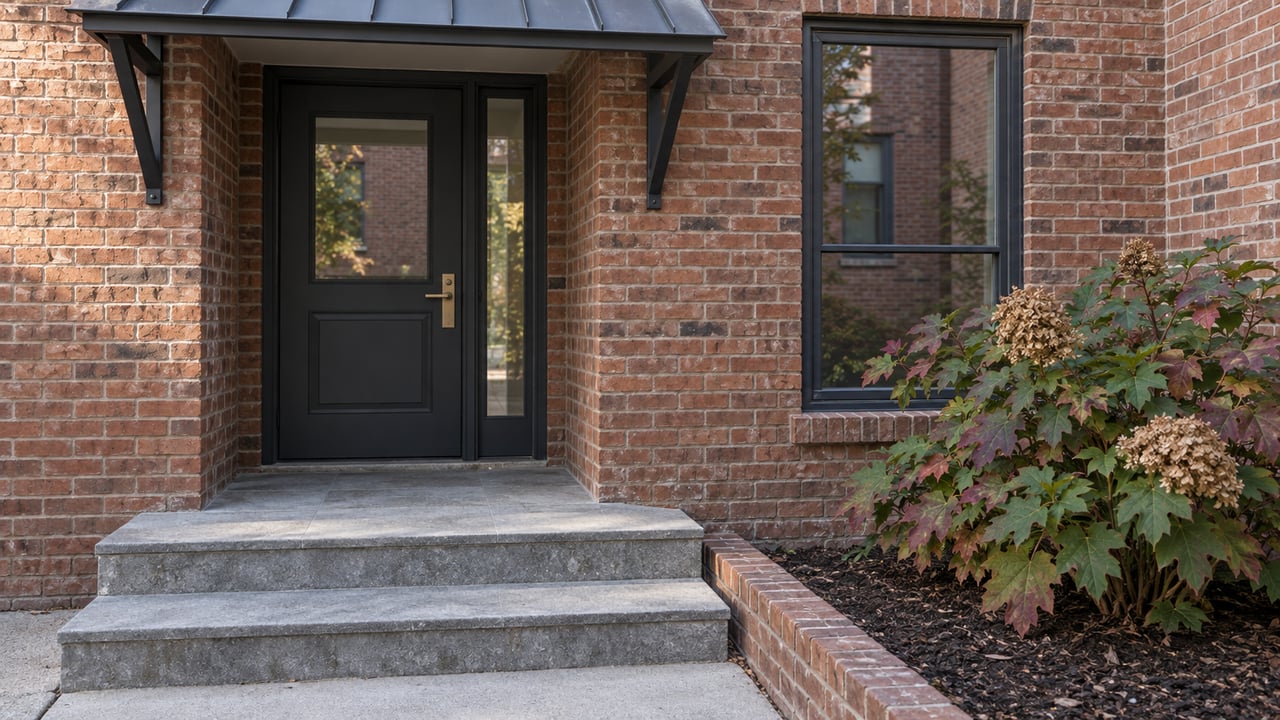
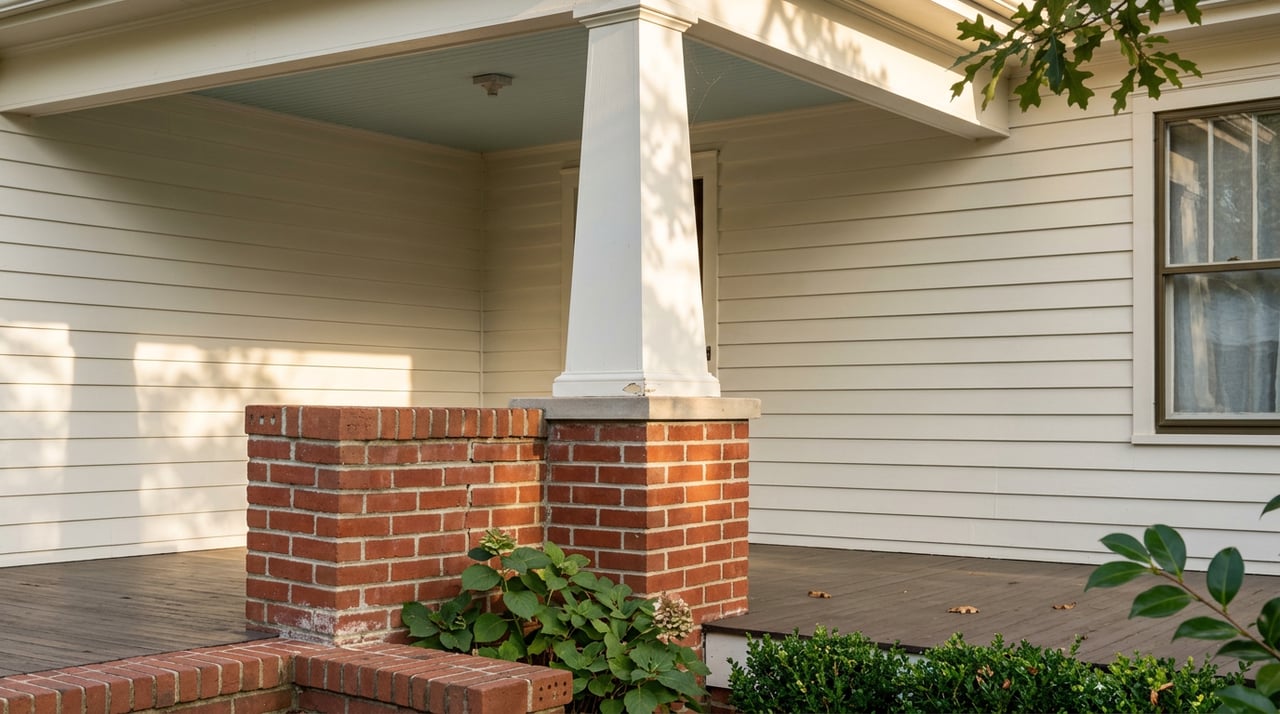
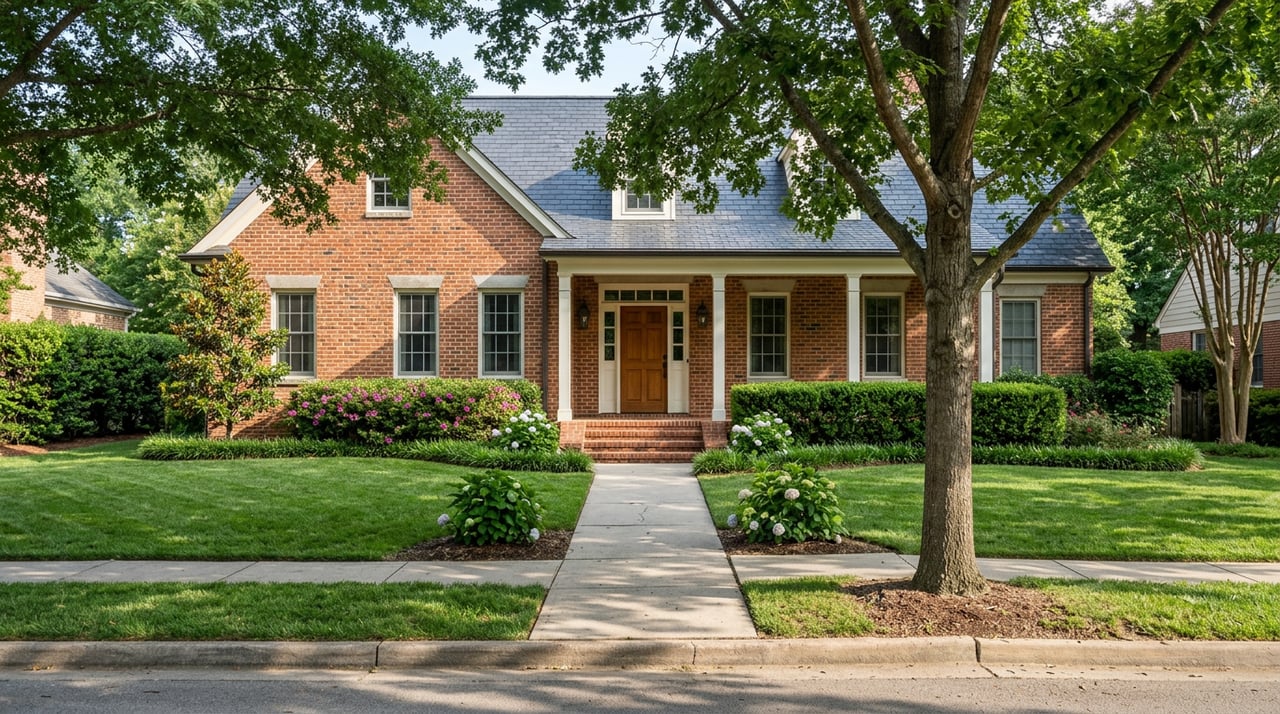
Not every project in Dilworth goes through this. The trigger is visibility from a public street. If the work touches a primary elevation, front-facing windows, the roofline, or exterior materials anyone can see from the sidewalk, a Certificate of Appropriateness is required before a building permit is issued. Interior renovations and changes tucked at the rear of a deep lot generally fall outside that requirement, though the commission's own guidance is to confirm with staff before assuming.
Some categories of work can also be approved administratively, without a full hearing, when the proposal clearly matches existing design standards. That's the fast lane. The slow lane is anything asking for an exception: a window style that departs from the original sash proportions, a dormer added after the fact without prior approval, a material substitution the standards don't already bless. Case files this year show exactly that split, with straightforward consent-agenda items moving through in a single meeting next to older, contested cases still working through revisions months later.
What the Commission Is Actually Looking At
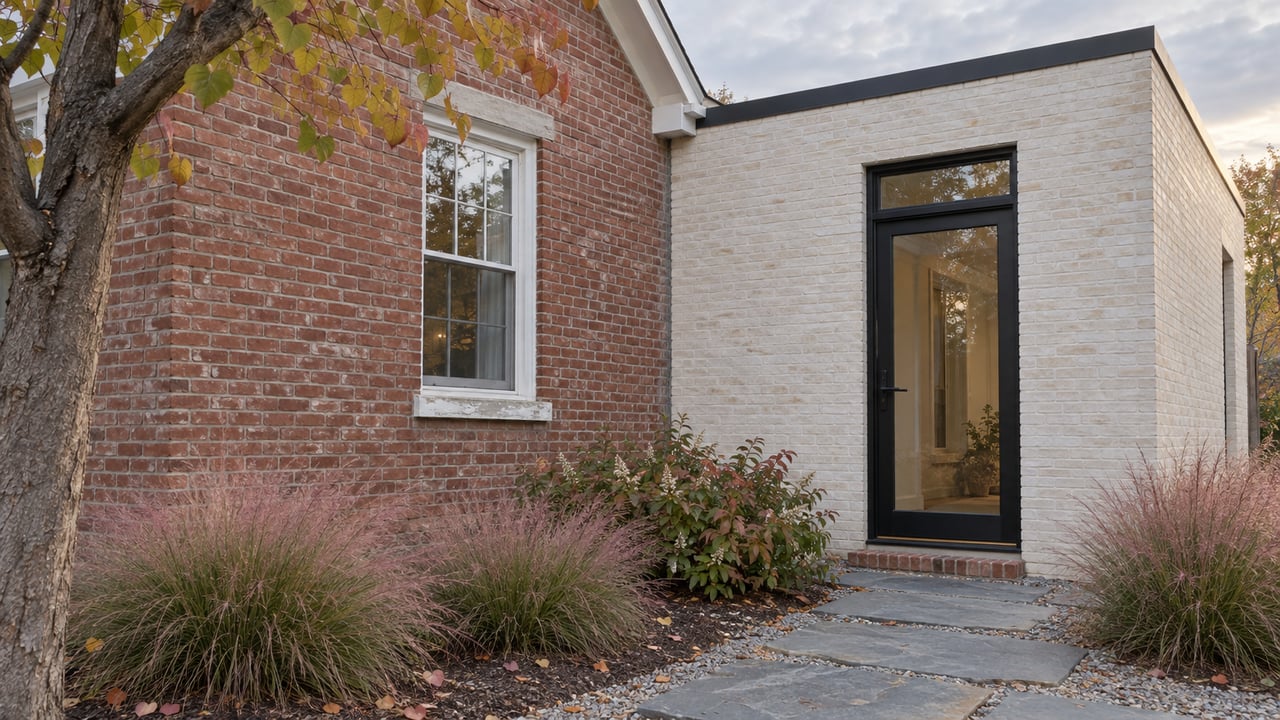
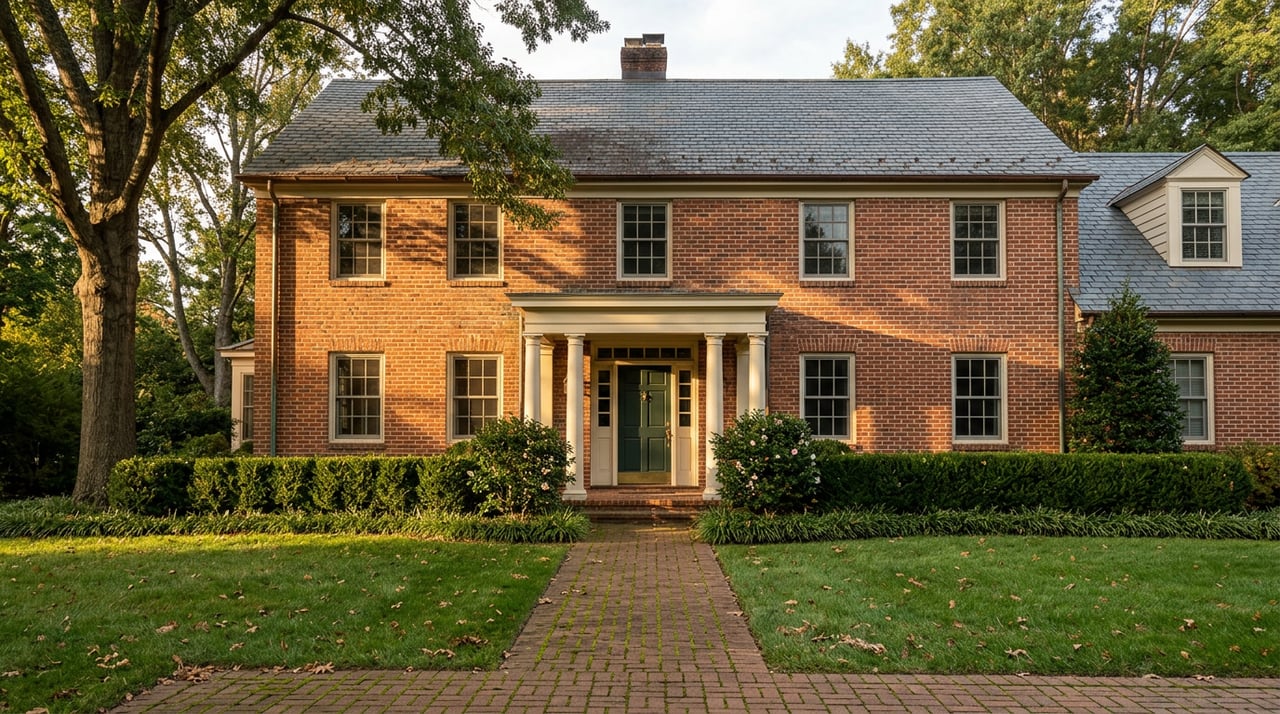
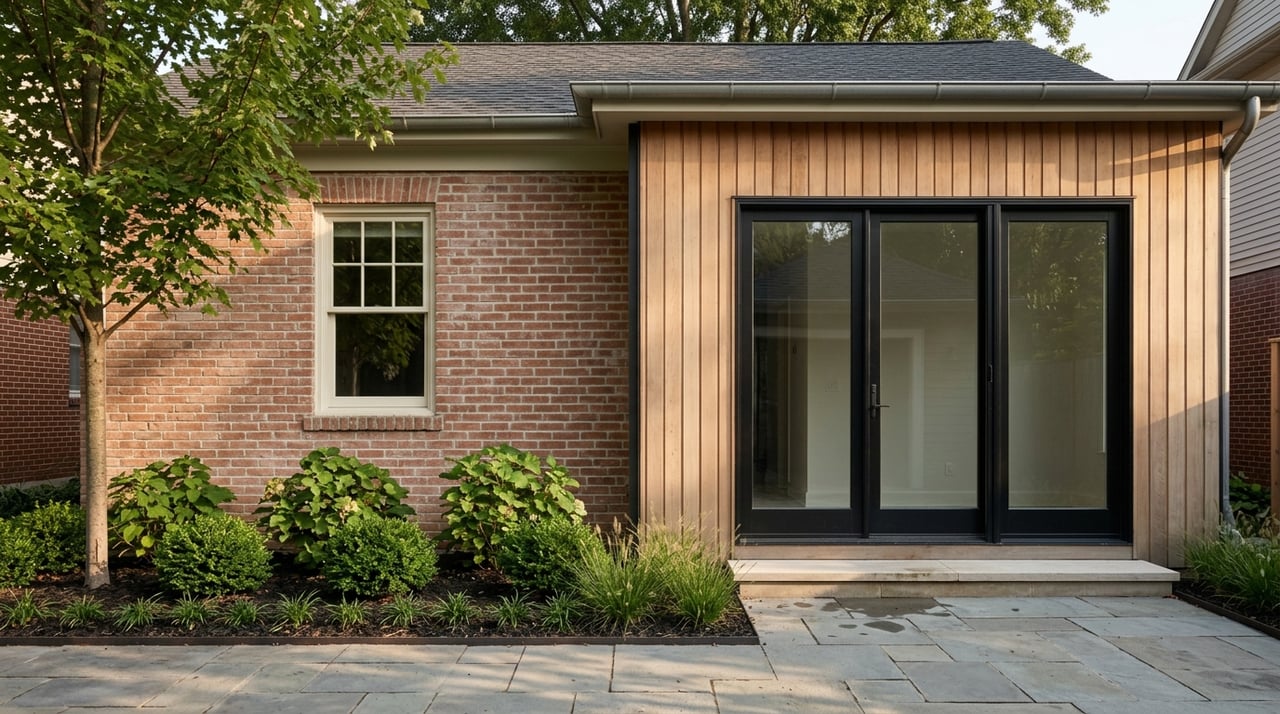
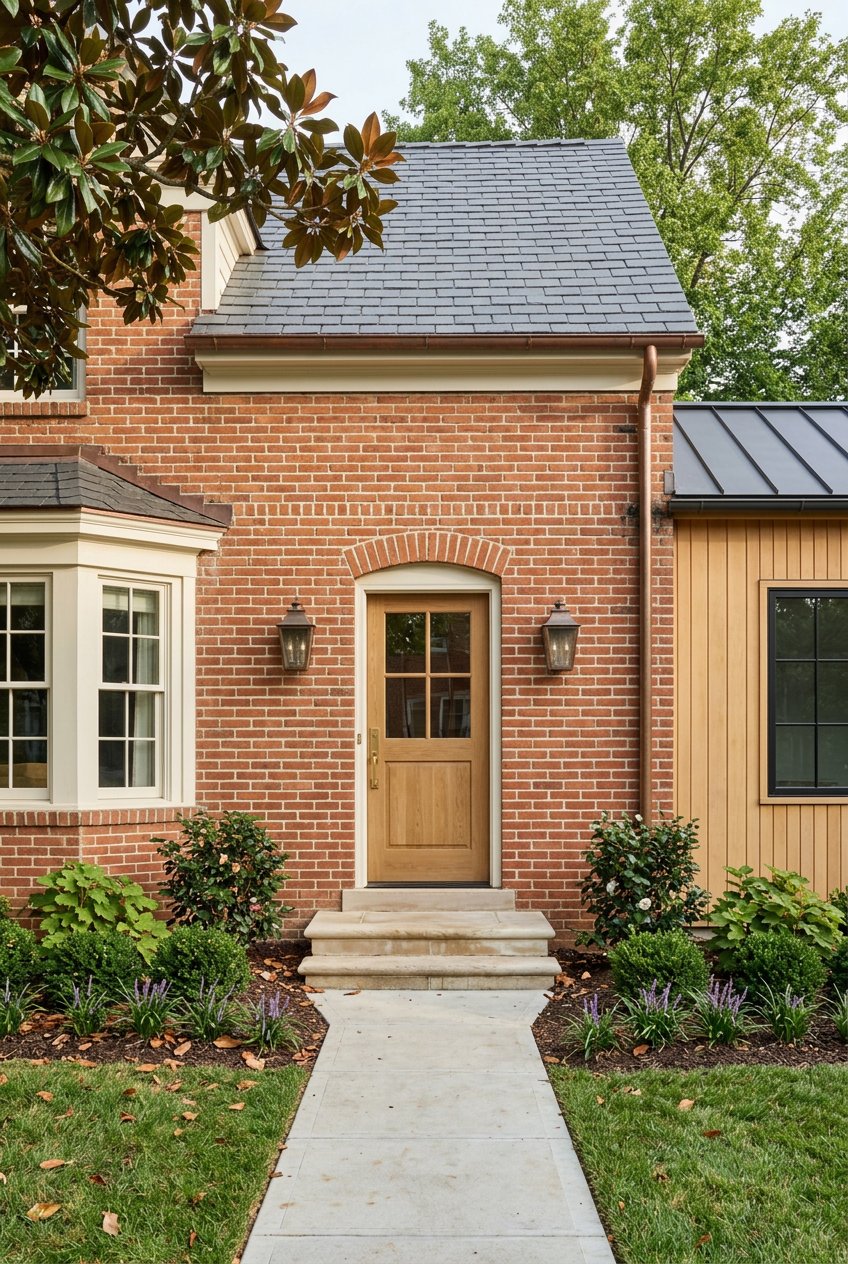
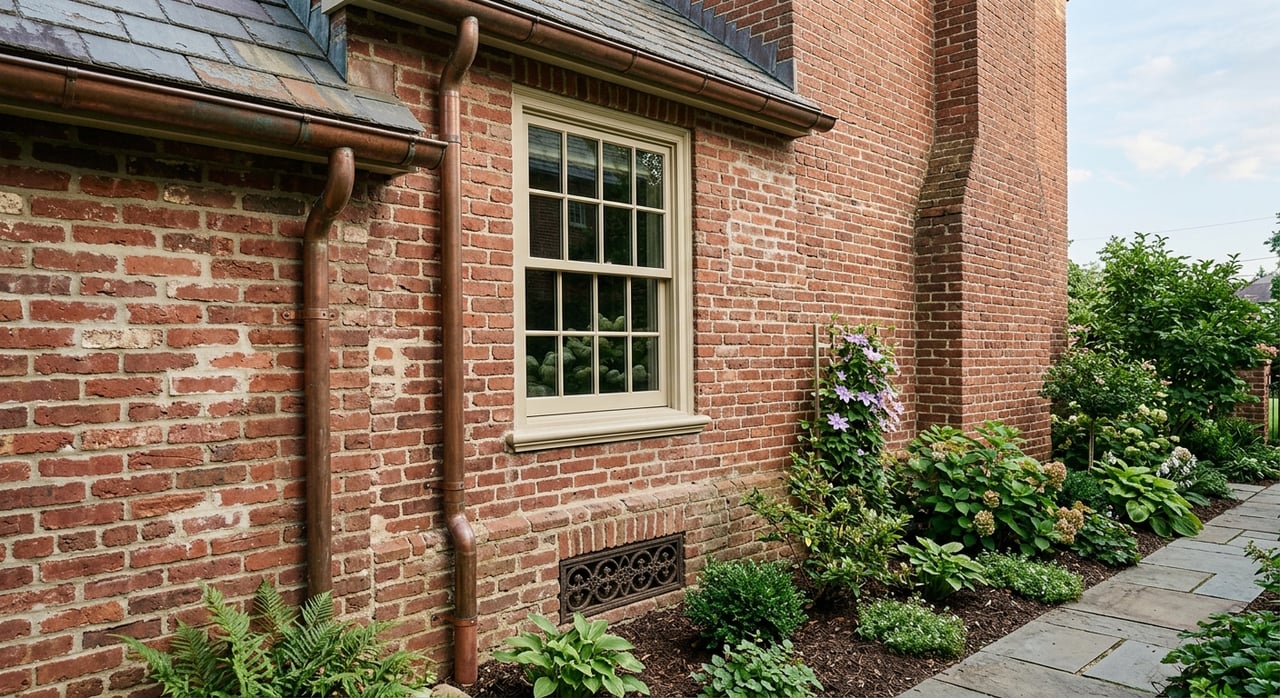
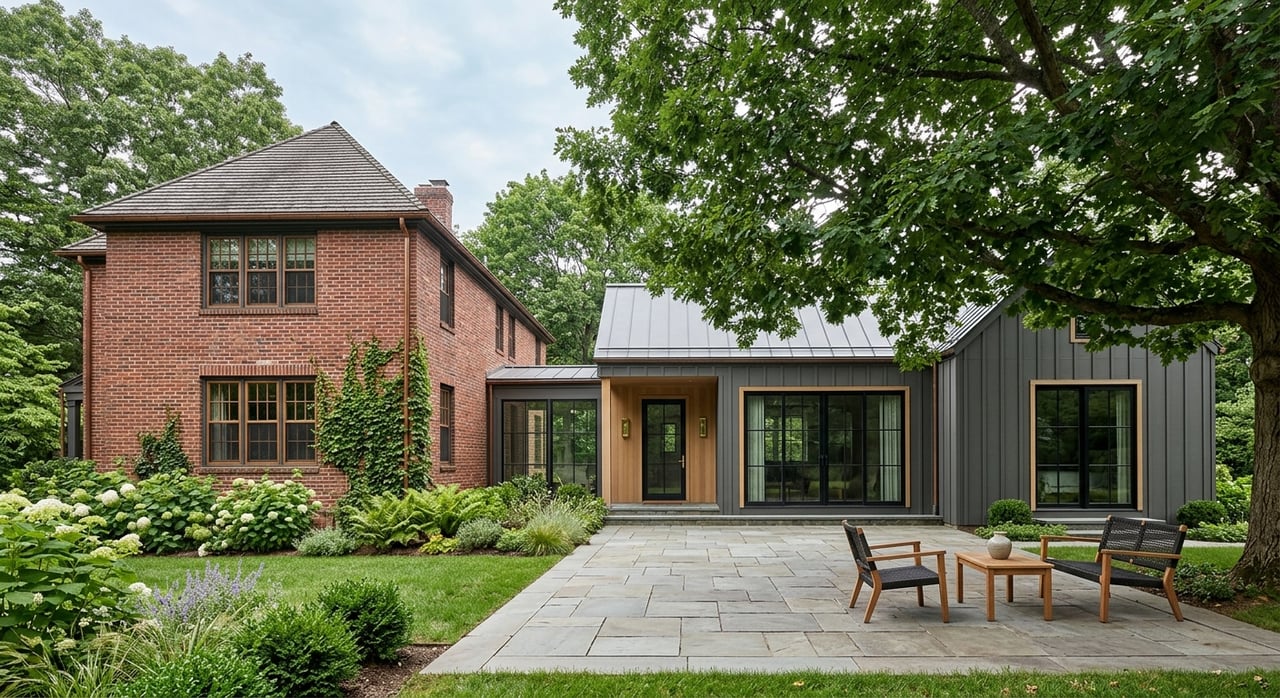
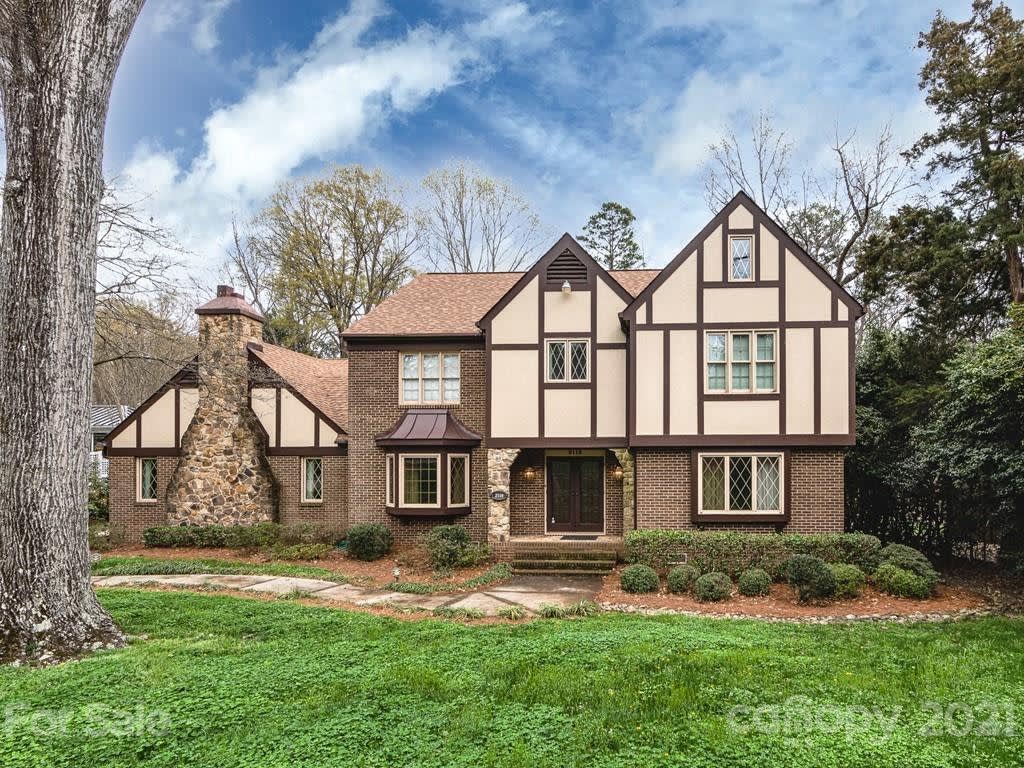
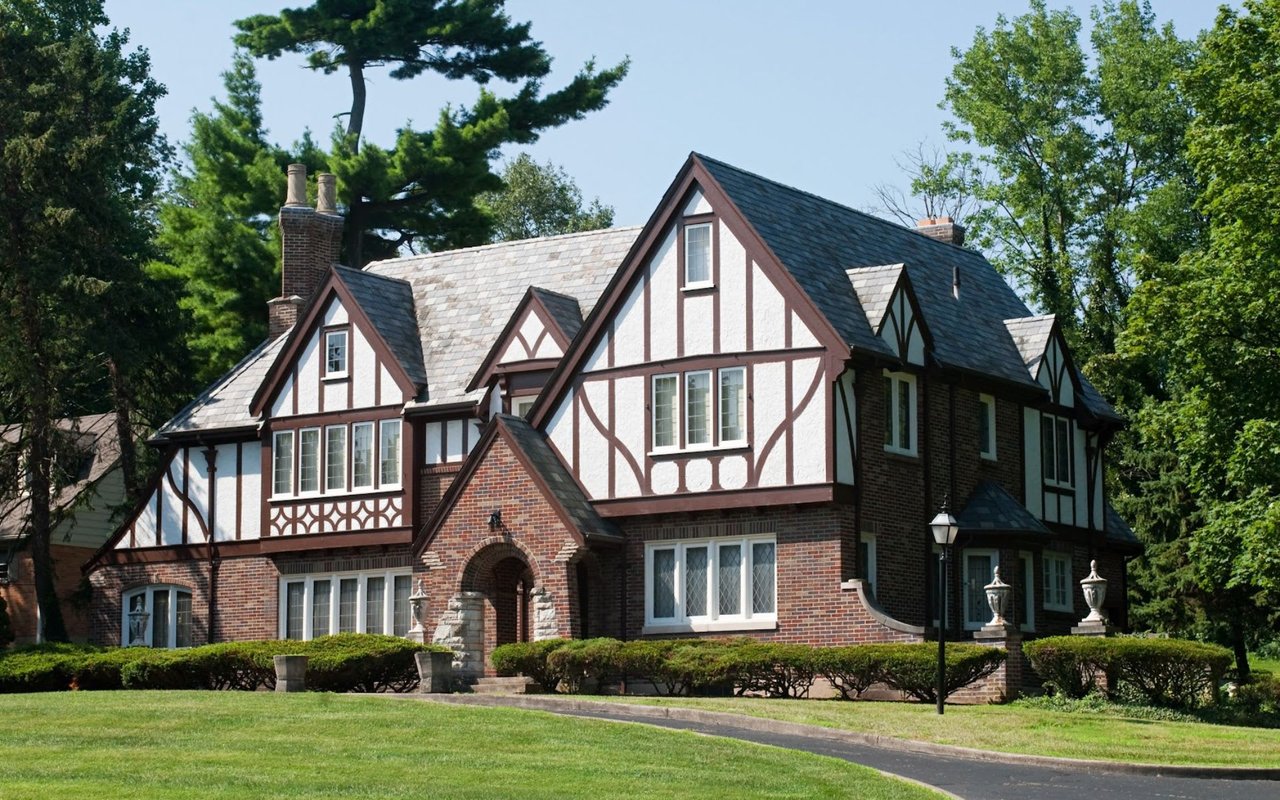
The design standards get specific in ways that matter for anyone planning a Dilworth project. Roof replacement has to match the original material closely in composition, size, shape, color, and texture, down to replacing deteriorated slate with new slate rather than a substitute. Skylights are allowed only if placed inconspicuously and flush-mounted. New additions have to read as clearly newer and secondary to the original house when viewed from the street, subordinate in scale, set back from the front facade, with roof pitch and trim proportions that don't visually compete with the original structure.
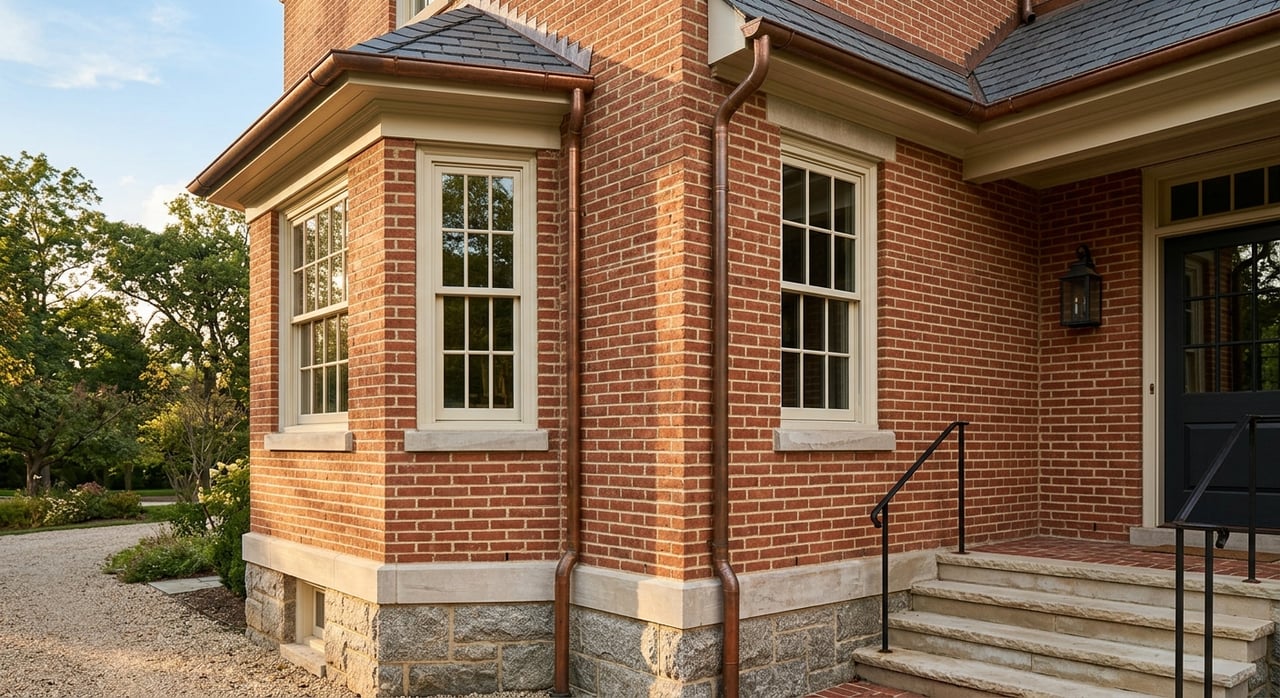
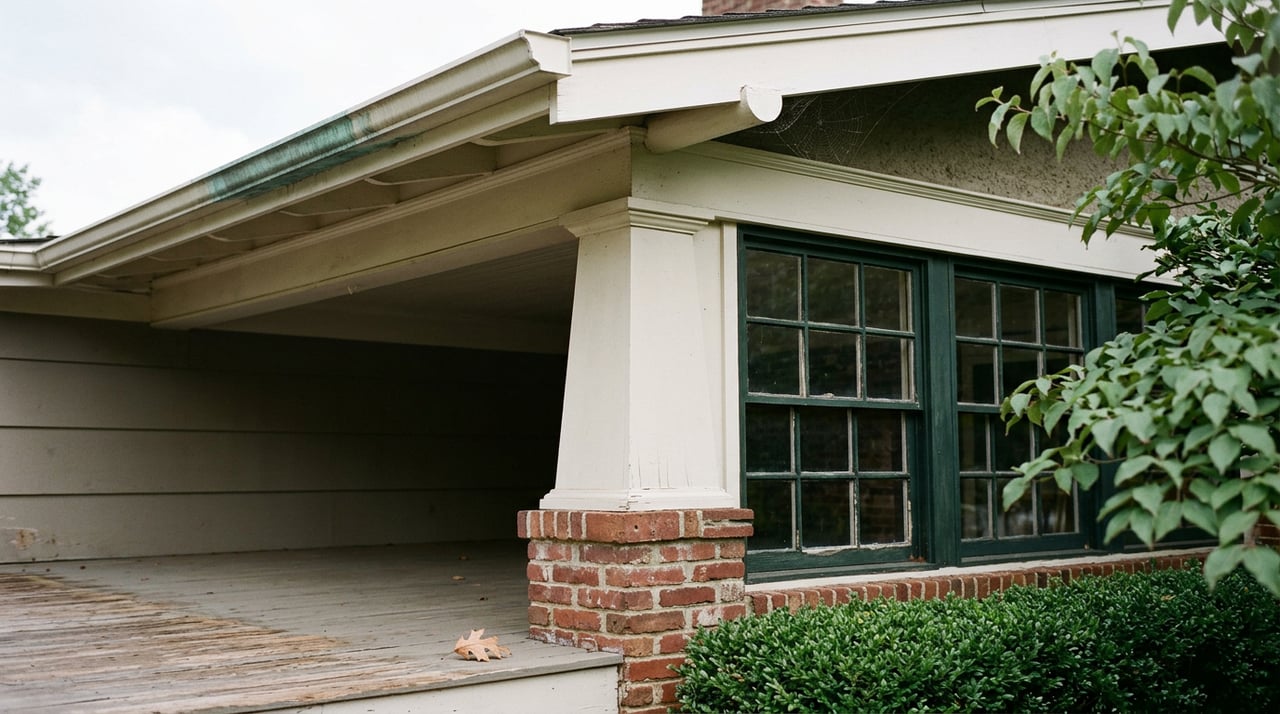
Window replacement draws some of the most consistent scrutiny of any category, with true divided lites, correct depth of reveal, and matching sash proportions weighted more heavily than the specific manufacturer behind them. Fiber cement siding gets approved routinely when the reveal dimensions mimic the historic profile it's replacing, which tells you the standards are less about material purity and more about how the street reads the result.
The commission itself is built to make these calls with some construction literacy at the table. Its rules require that at least one of its three officers be a licensed architect or general contractor, alongside commissioners representing each historic district and a business operator seat specific to Dilworth.
The Twelve Months After Approval
Getting a Certificate of Appropriateness approved isn't the finish line. Under the commission's rules of procedure, final permit-ready construction plans have to reach staff within twelve months of the written approval date, and the certificate itself is only valid for twelve months from issuance. Miss that window and the approval lapses, which means reapplying and, depending on how the standards have shifted in the meantime, possibly redesigning around a moving target.
This is where a partial approval can also complicate a project. The commission's rules allow it to approve one distinct part of a proposal, like the primary residential structure, while continuing or denying another part, like an accessory unit, with separate motions and separate votes for each. A project that looks straightforward on paper can still leave a piece of scope unresolved after the main house clears review.
Where the Old Systems Meet the New Schedule
None of this design review touches what's behind the walls, which is where Dilworth's age shows up in a different way. Original wiring in unrenovated houses is still commonly knob-and-tube, sometimes later replaced with undersized aluminum wiring or early romex that doesn't meet a modern kitchen's load. Plumbing in the oldest houses can still run on cast iron drain lines and galvanized supply lines, both of which have a finite service life and can fail from the inside out well before anything shows up on a routine walkthrough. A camera inspection of the drain line is a reasonable ask during due diligence on a house that hasn't been opened up in decades.
None of that requires a Certificate of Appropriateness to fix, since it sits inside the walls rather than on the street-facing exterior. But it does belong in the same budget conversation, because the money and the calendar both get spent on the same project. Renovators working in older housing stock typically build in a contingency of fifteen to twenty-five percent of construction cost, higher for a full gut of a house that hasn't been touched in a long time, precisely because structural and mechanical surprises tend to surface after demolition starts, not before.
What This Means If You're Looking at a Dilworth Project
If you're evaluating a Dilworth house with renovation in mind, the practical move is to separate the two clocks early. The interior systems clock runs on inspection findings and contractor scheduling, and it's yours to manage from day one. The exterior review clock runs on the commission's calendar, and the difference between a one-meeting approval and a five-month continuance usually comes down to whether the design was drawn to the standards before it was submitted, not after a rejection asked for a redraw.
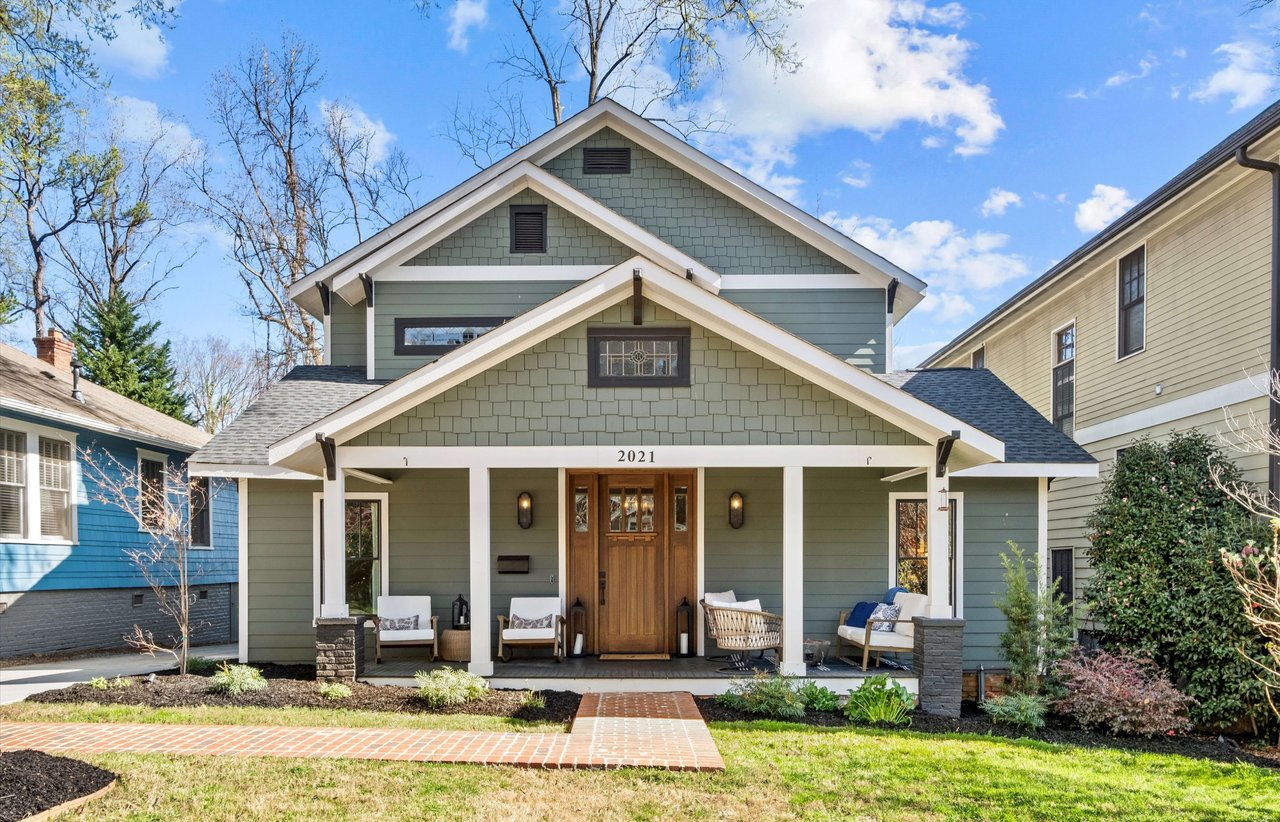
For sellers weighing street-facing cosmetic work before listing, that same timeline question matters in reverse. A porch repair or window replacement visible from the sidewalk may need a Certificate of Appropriateness before it can be permitted, which is worth mapping out before committing to a pre-listing improvement plan, including one financed through a program like Compass Concierge.
A Few Direct Questions
Does every exterior change in Dilworth require a Certificate of Appropriateness? Only work visible from a public street, such as additions, roofing, windows, porches, and exterior materials. Interior work and changes tucked out of street view generally fall outside the requirement, though it's worth confirming specifics with commission staff before assuming.
What does an application cost? One 2025 case file lists a $525 review fee for a full Historic District Commission hearing. Simpler projects eligible for administrative approval may carry different costs.
What happens if construction doesn't start within the approval window? The certificate is valid for twelve months from issuance, and final permit-ready plans need to reach staff within that same window. Miss it, and the approval lapses, which means starting the application over.
Dilworth rewards the buyer or builder who treats design review as part of the design, not a hurdle at the end of it. That's the same lens Real Estate Layne brings to every craftsman bungalow, contested COA case, or full-gut renovation in this neighborhood. If you're weighing a Dilworth property with a real project in mind, Let's Connect.