One block in Dilworth can swing your price by five or six figures. If you are planning to sell, guesswork costs time and momentum. You need a clear way to price and a plan to present your home so buyers see the full value on day one. In this guide, you will see exactly how we analyze Dilworth comps, what to fix or feature before launch, and how Compass tools help you time the market with less risk. Let’s dive in.
Why Dilworth pricing is different
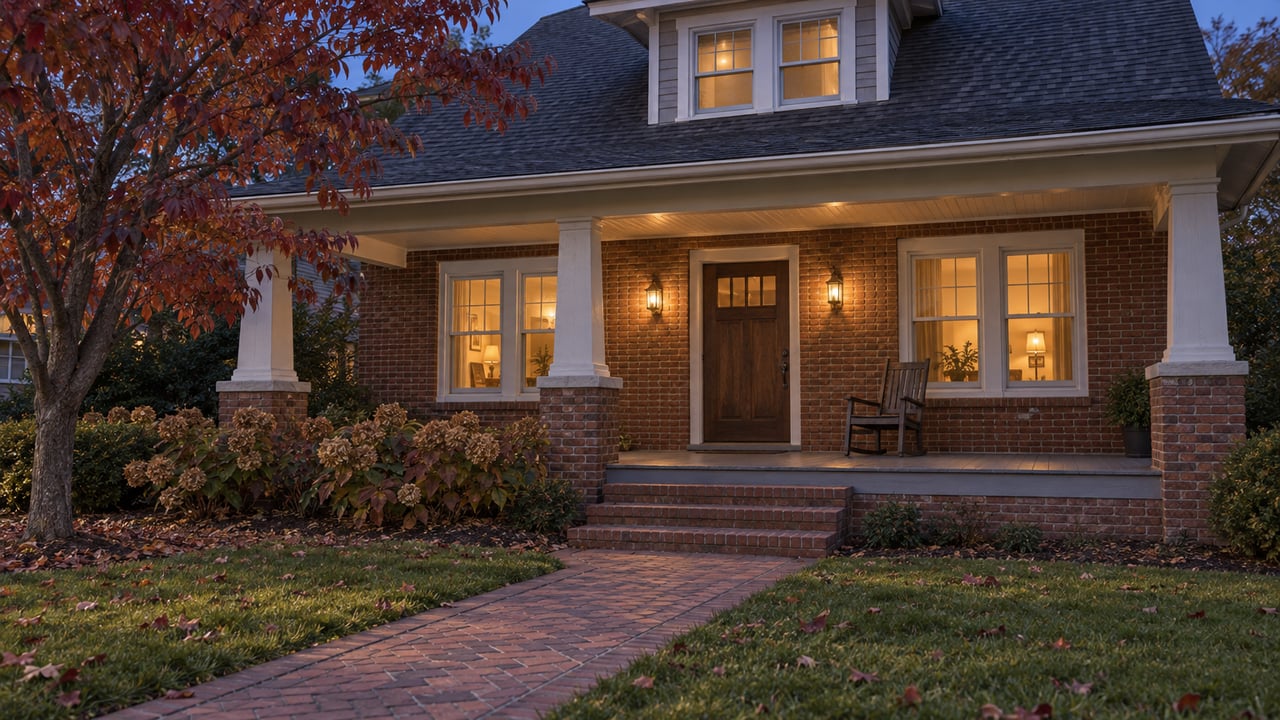
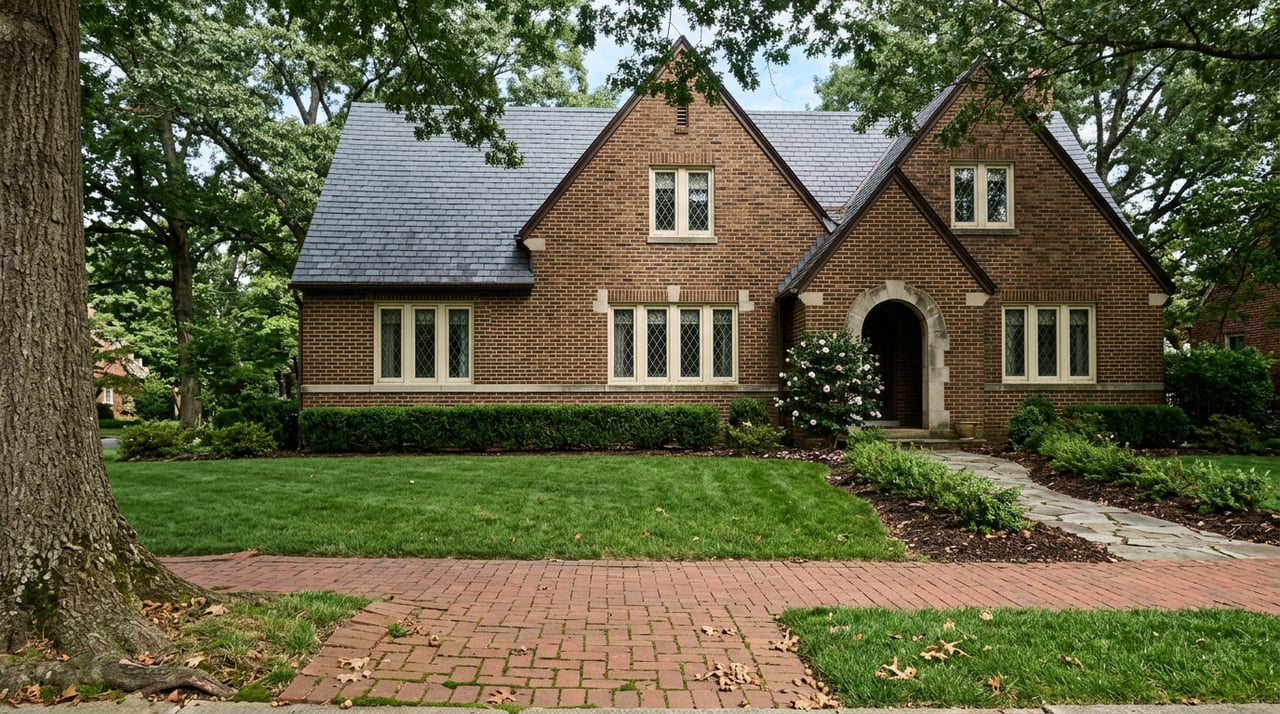
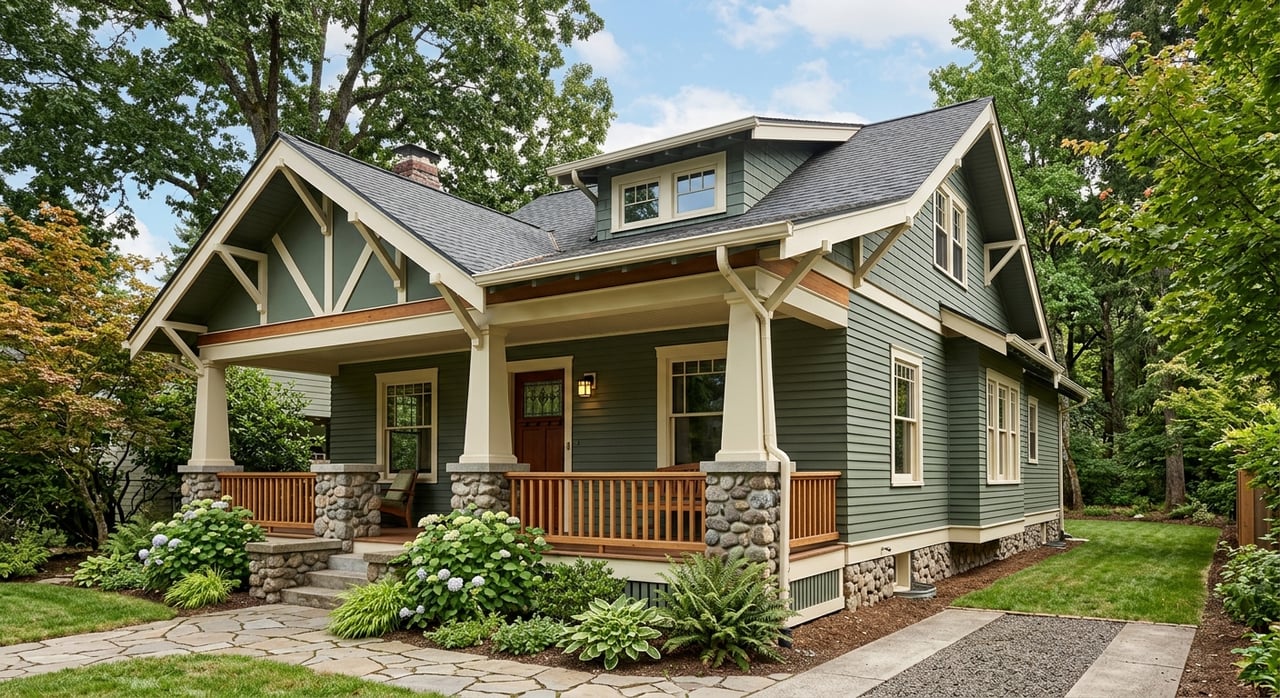
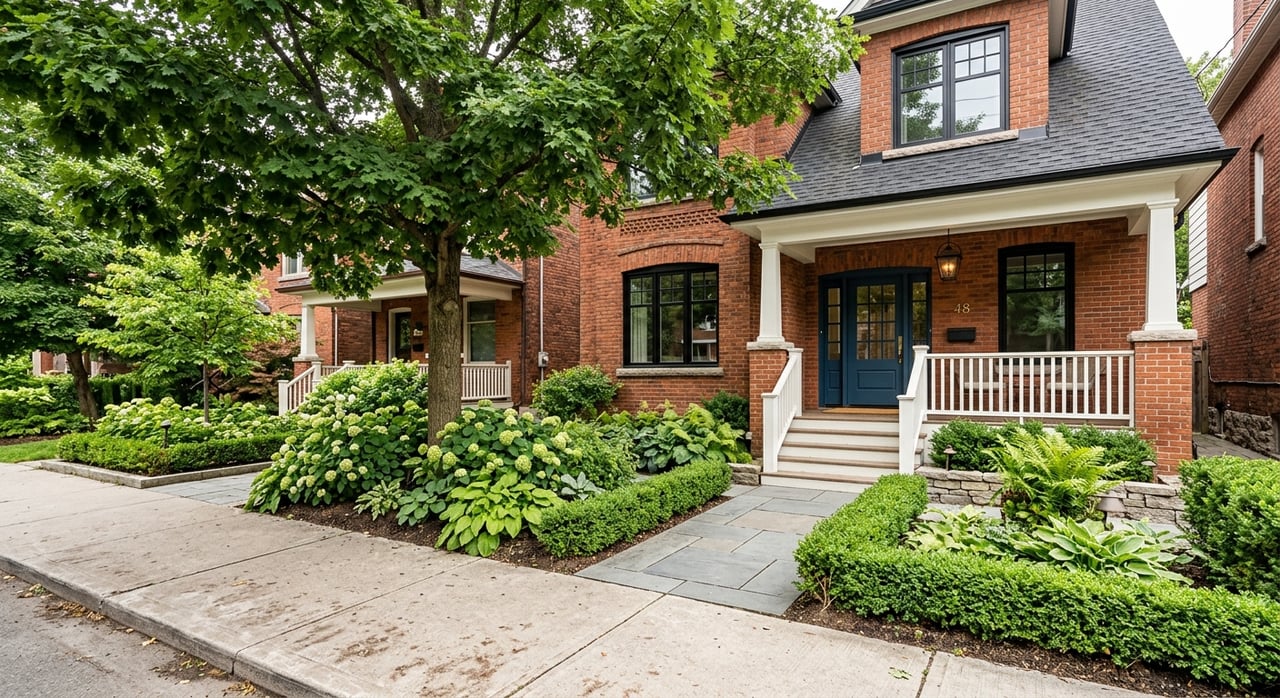
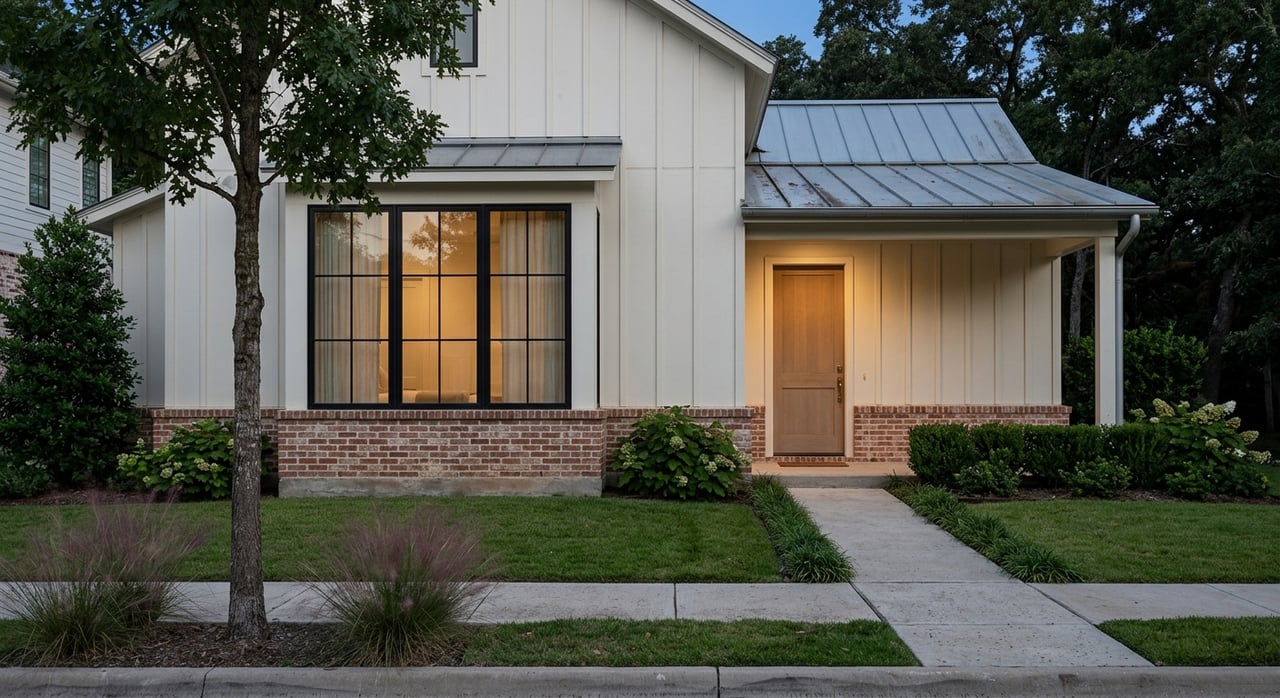
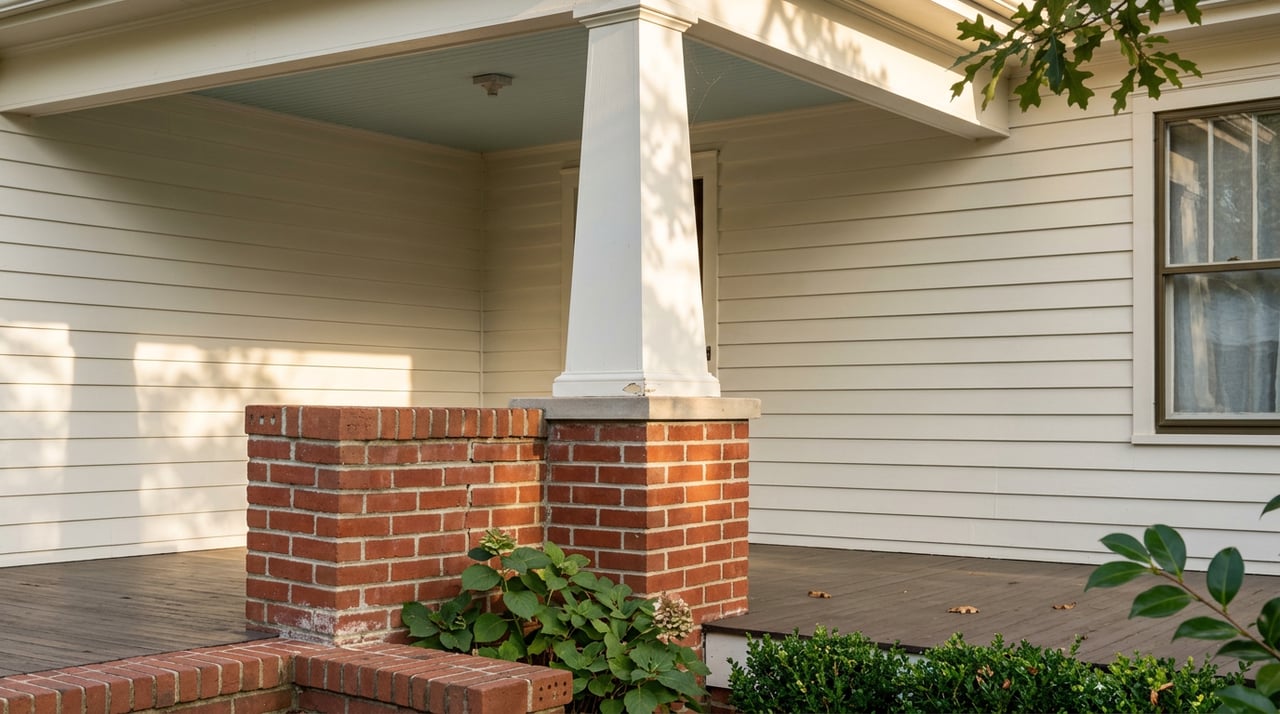
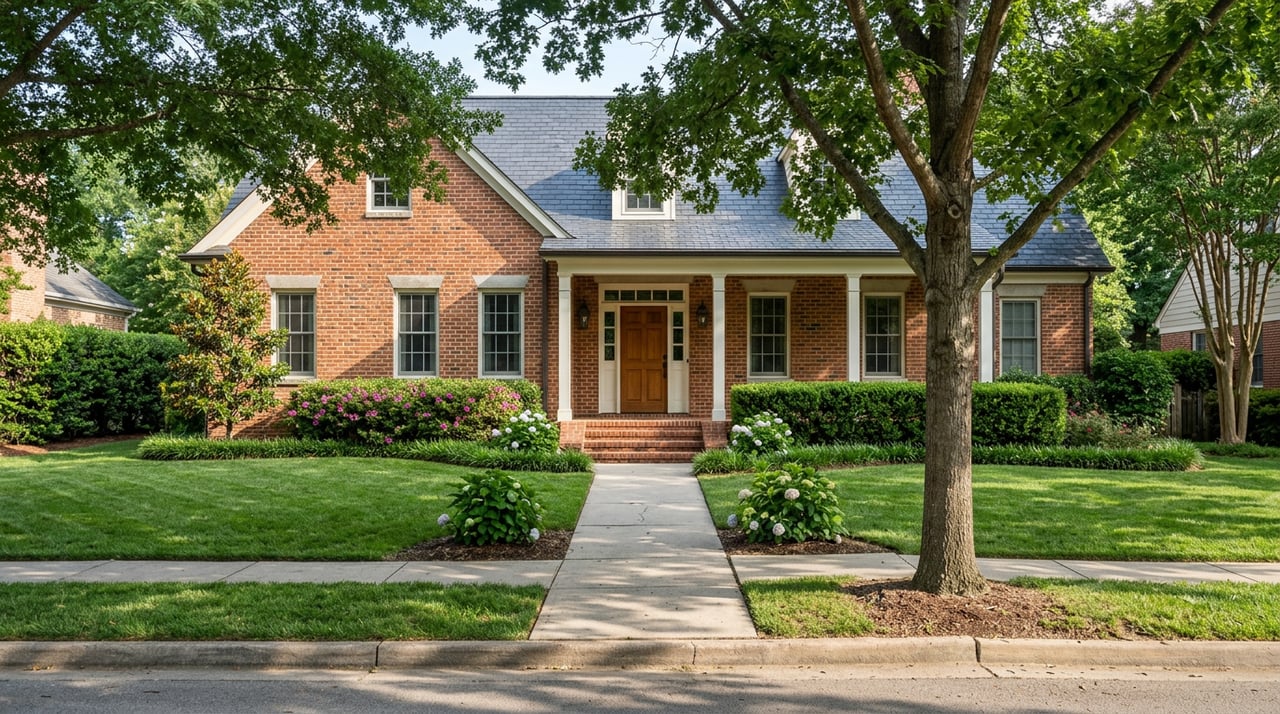
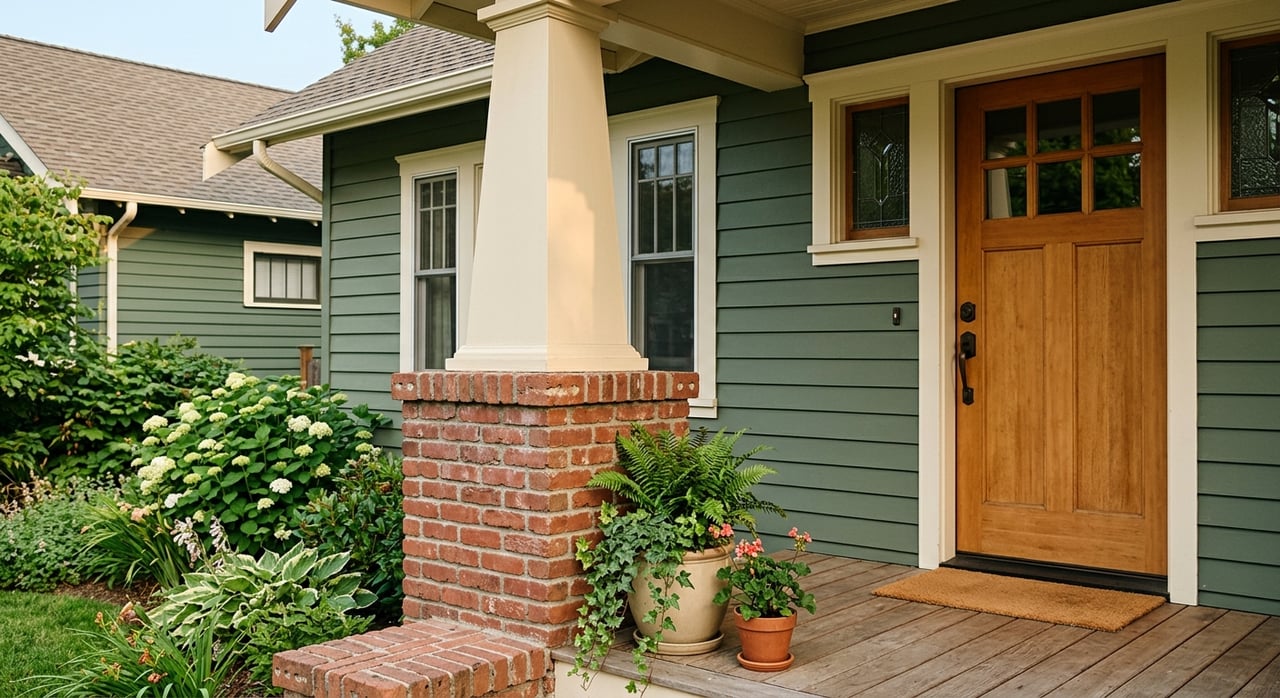
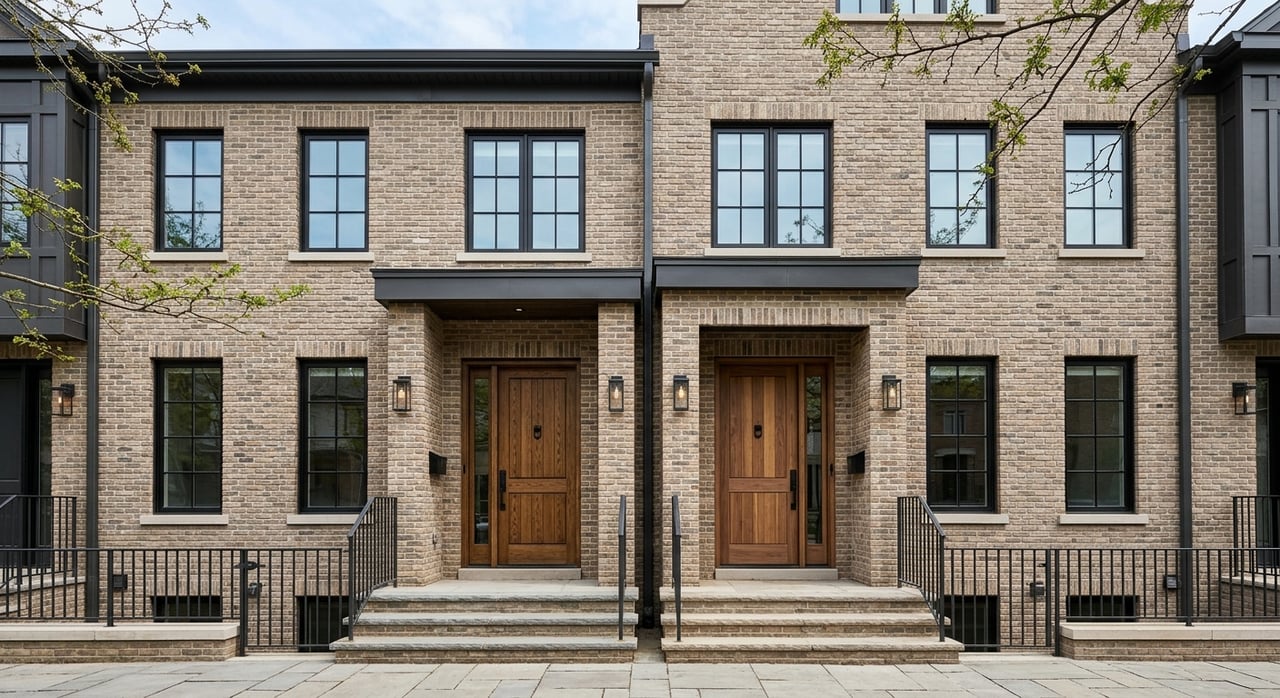
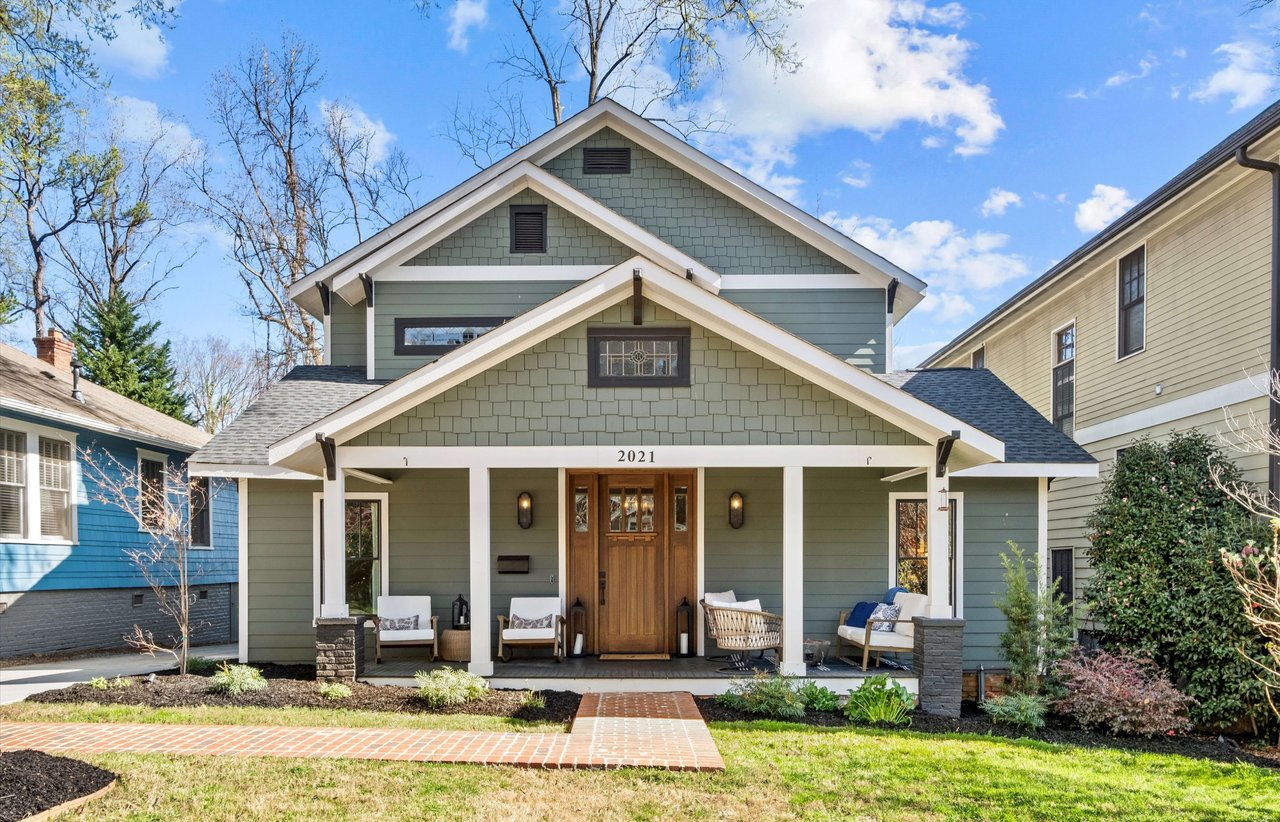
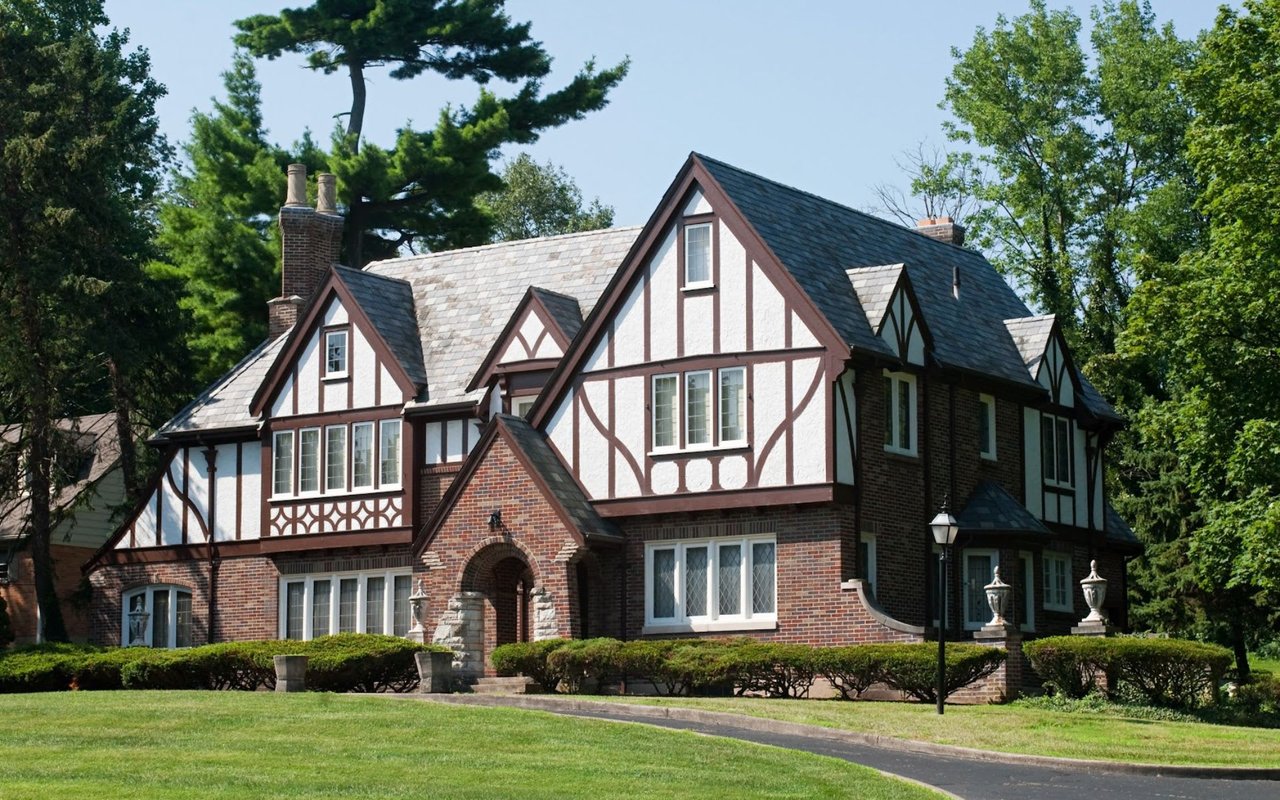
Dilworth is Charlotte’s first streetcar suburb with tree-lined streets, large front porches, and period architecture that buyers actively seek out. That historic character and walkability create a premium that does not translate one-to-one from broader Charlotte averages. The block, the style, and the level of preserved detail all matter here. This neighborhood overview helps explain why buyers prioritize porch life, proximity to East Boulevard, and access to Latta Park.
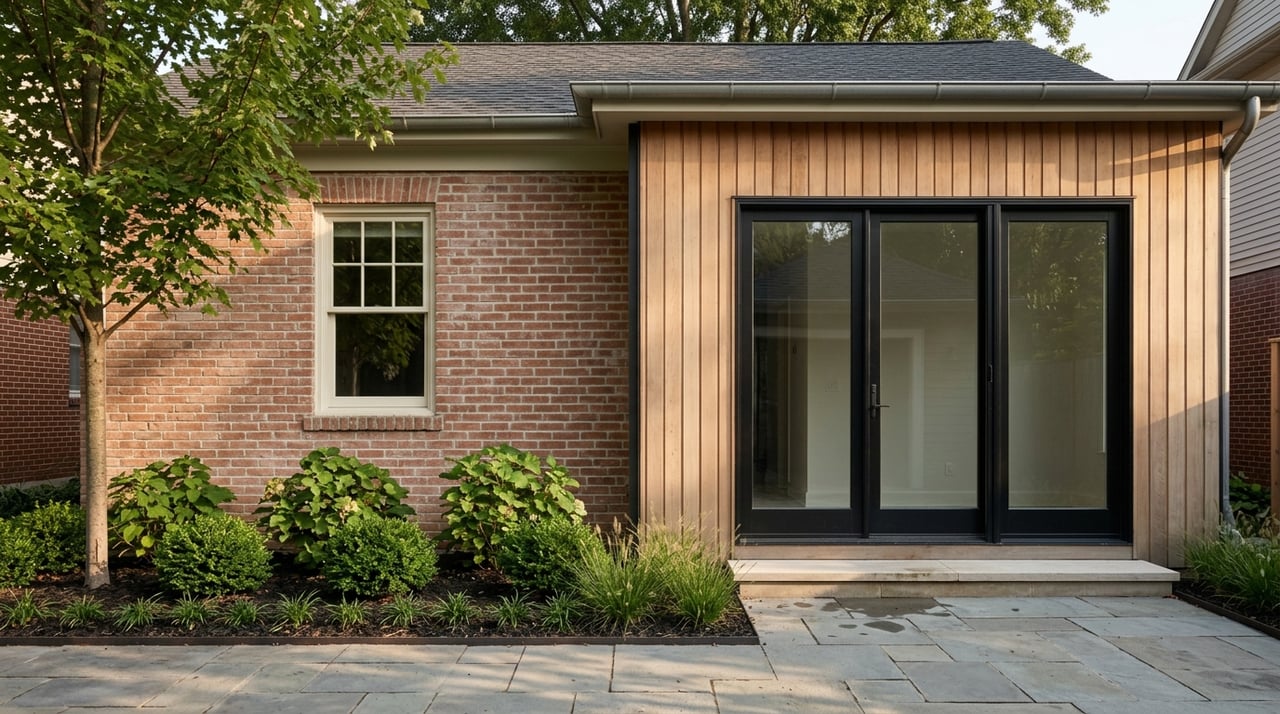
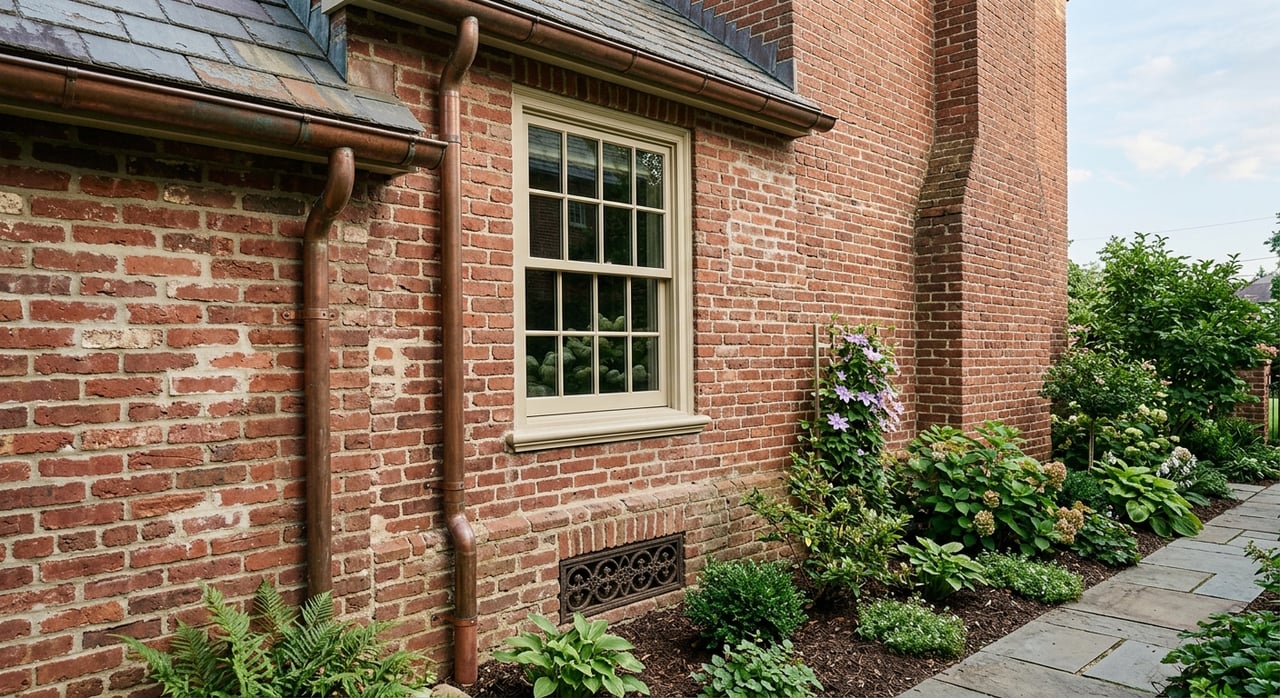
Many Dilworth streets fall within the Local Historic District. Exterior changes that alter visible historic fabric can require a Certificate of Appropriateness from the Charlotte Historic District Commission. If you plan exterior work before listing, plan your timeline and scope with the local HDC rules in mind.
Read today’s market in clear terms
As of early 2026, Redfin shows a Dilworth median sale price near $685,000, a median price per square foot around $448, and sale-to-list ratios near 97–98%. Recent months also show longer days on the market compared with peak pandemic periods. You can review the current neighborhood snapshot on Redfin’s Dilworth market page.
Zillow’s Dilworth ZHVI, which models typical home value rather than median closed sale price, was about $778,000 in February 2026. The two numbers measure different things. The Redfin metric is based on closed sales, while the Zillow Home Value Index is a modeled value, so expect variance. That is why we always state the metric and date when we quote a number.
Regionally, the Charlotte market stabilized through 2025 with rising inventory from pandemic lows and steady activity in the 500,000 dollar and up bands. In a balanced or slightly slower market, a precise launch price and stronger presentation reduce the risk of chasing the market with later reductions.
Our 4-step pricing framework for Dilworth
Step 1: Define the product precisely
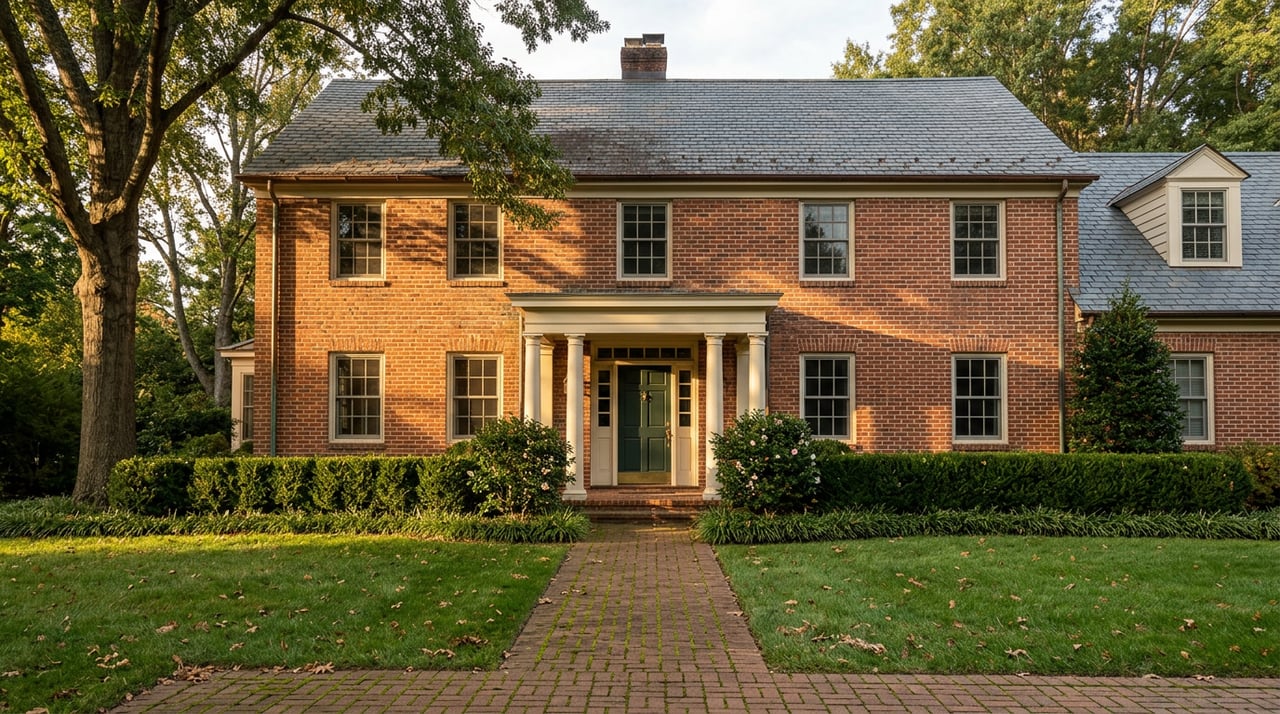
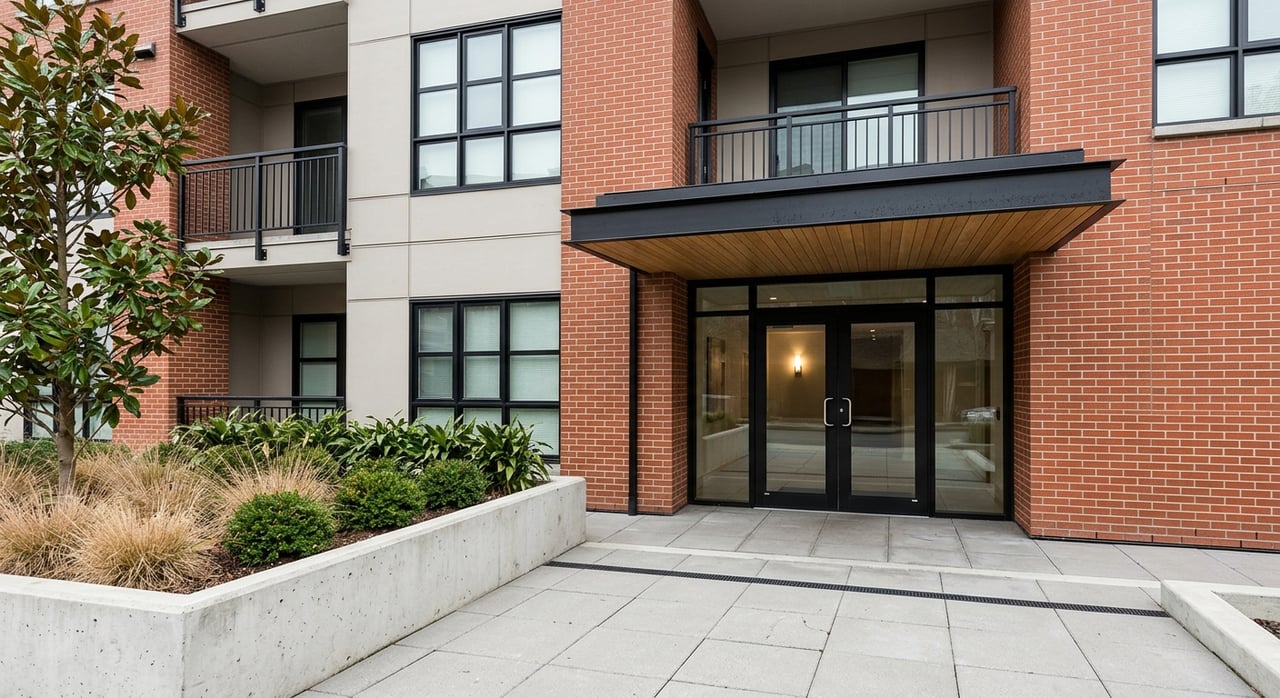
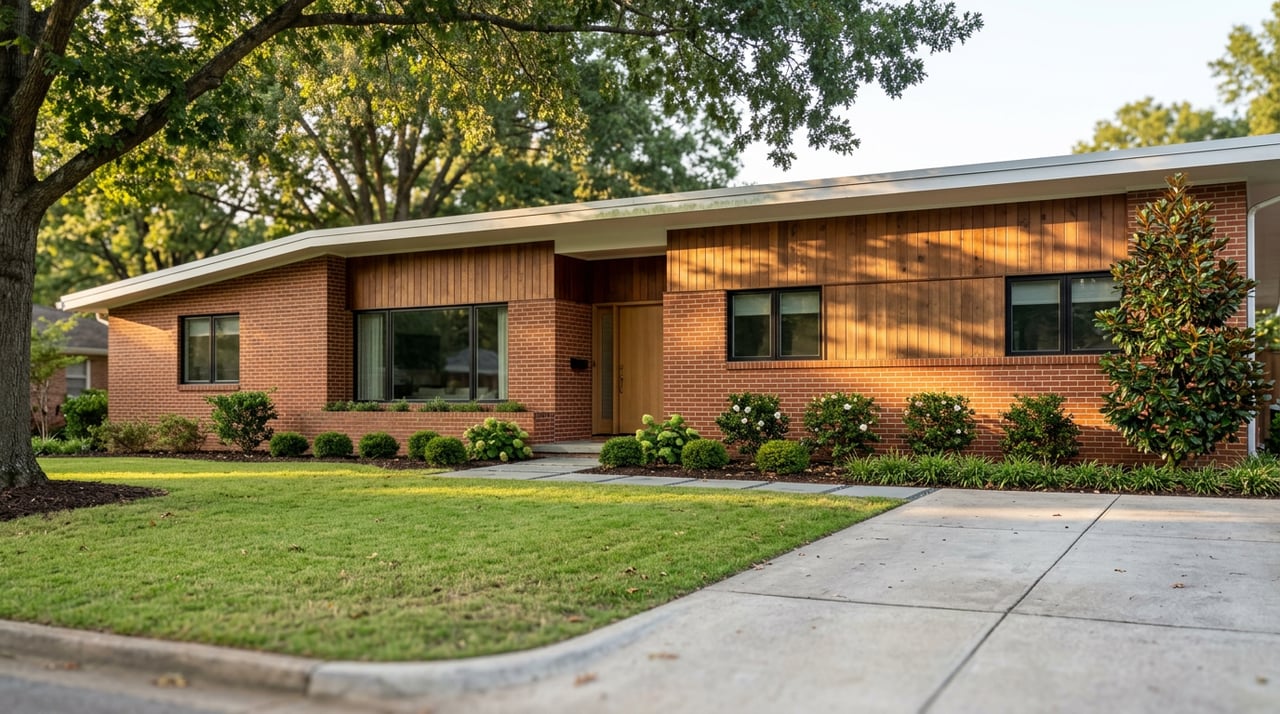
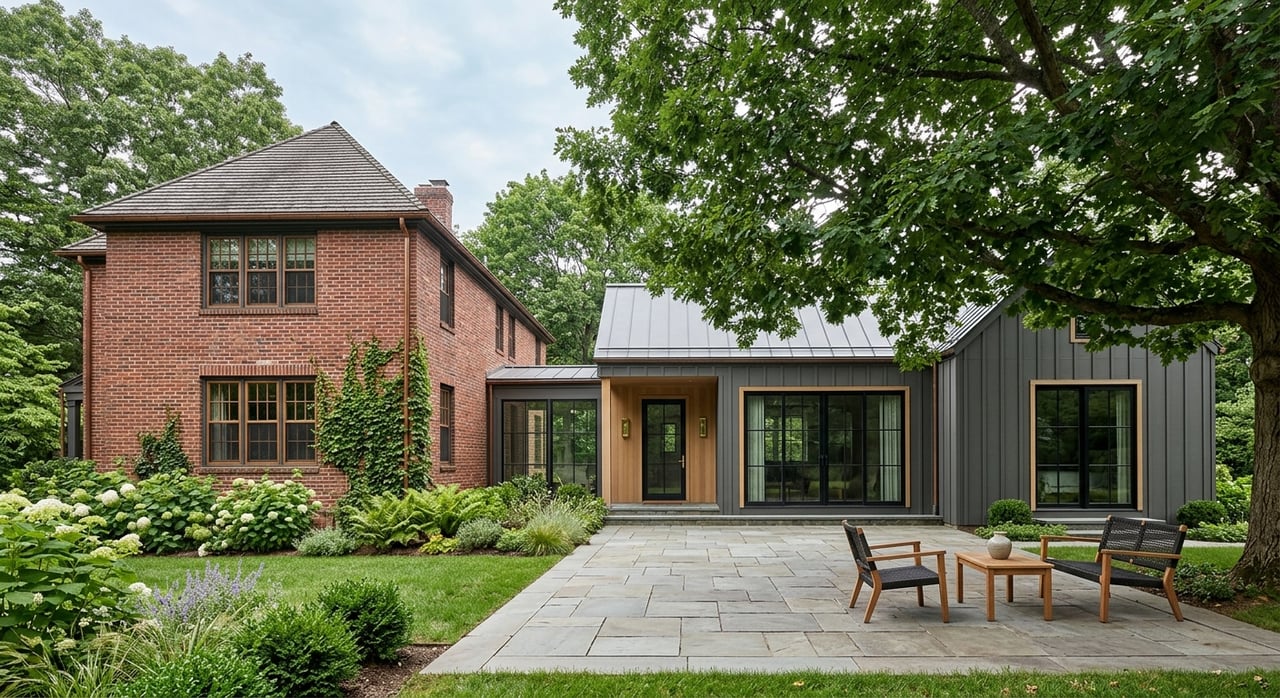
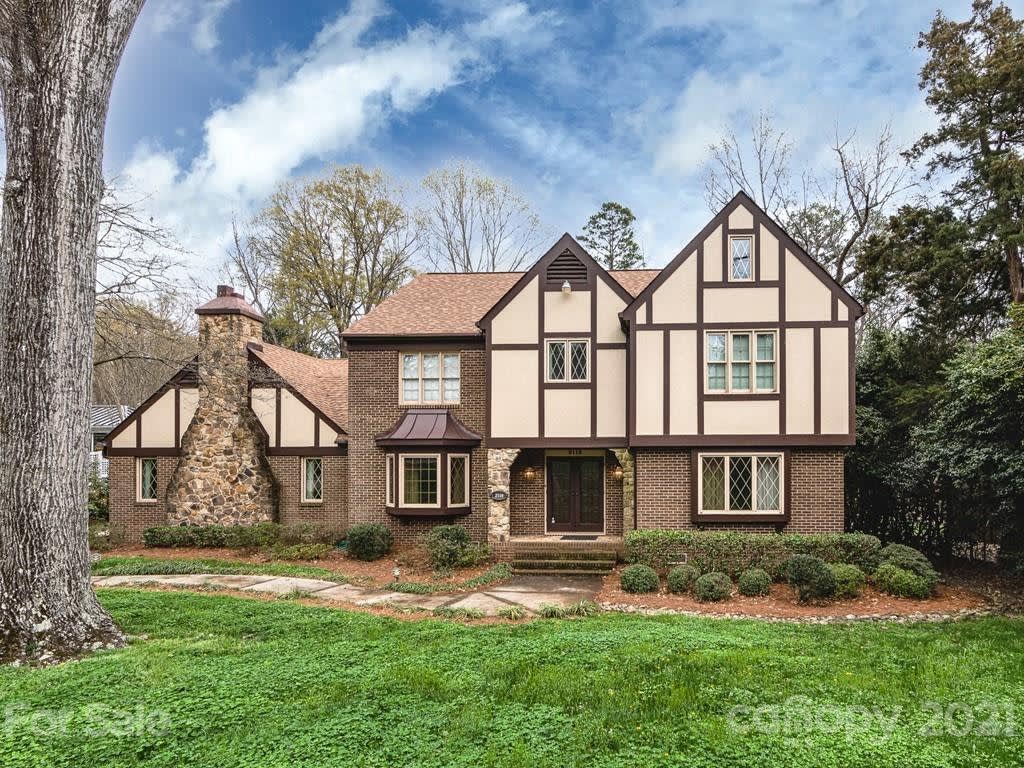
We start by classifying your home. In Dilworth, historic bungalows with intact period detail price differently than renovated period homes, which price differently than modern infill or new construction. Buyers and appraisers compare within the same product class. We document systems, measured living area, porch condition, garage or parking, lot usability, and any HDC constraints. This baseline drives adjustments later and keeps pricing honest. For methodology basics, we follow appraisal and BPO principles like those outlined in this BPO instruction resource.
Step 2: Select the right comps
We prioritize recent, same-neighborhood comps from the last 3 to 6 months when possible. Product match comes first, then size within about 20 percent, beds and baths, finish level, and lot characteristics. If a nearby sale is a fully rebuilt infill and your home is a preserved bungalow, we either make a clear, supported dollar adjustment or exclude it. The goal is to mimic how qualified buyers will stack your home against the next two or three they could buy.
Step 3: Make evidence-based adjustments
We use paired-sales logic wherever possible. If two nearby homes are similar except that one has a finished attic, that difference helps set a local dollar value for finished space. In Dilworth, common adjustment drivers include level of renovation, finished square footage, garage or off-street parking, porch and covered outdoor space, lot usability, preserved historic detail, and proximity to Latta Park or East Boulevard. We avoid generic percentage rules and focus on real, recent local evidence as recommended in the BPO guidance.
Step 4: Choose your launch price and entry strategy
Depending on inventory and buyer demand, we recommend one of three approaches:
- Market-right: List near the estimated market value to capture qualified buyers quickly and limit reductions. This is the default in balanced markets.
- Slightly under-market: Use selectively to spur multiple offers when your home is clearly best-in-class and inventory is low. Success requires tight presentation and strategic timing.
- Test the top: Reserved for truly unique properties and time-flexible sellers. Overreaching early can lengthen days on market and lead to lower net after reductions, so we use this only when data supports it.
We pair a price strategy with a pre-launch phase to gather feedback without accruing public days on market. Compass offers Private Exclusives and Coming Soon to collect early agent and buyer signals before the MLS debut. This three-phase path can help refine price and presentation while preserving your day-one momentum. Learn more about Compass Private Exclusives.
Positioning that moves price, not just photos
High-ROI prep in Dilworth
You do not need to gut your home to compete. Focus on improvements that reliably raise perceived value or reduce renegotiation risk.
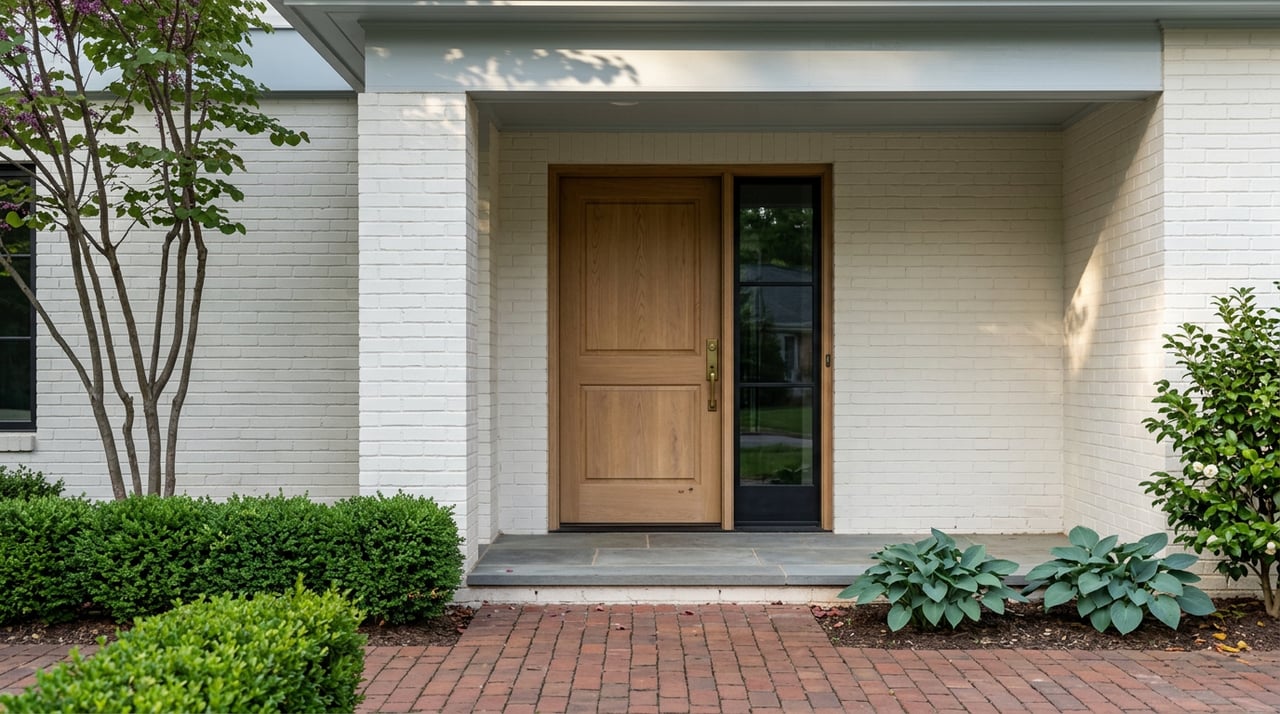
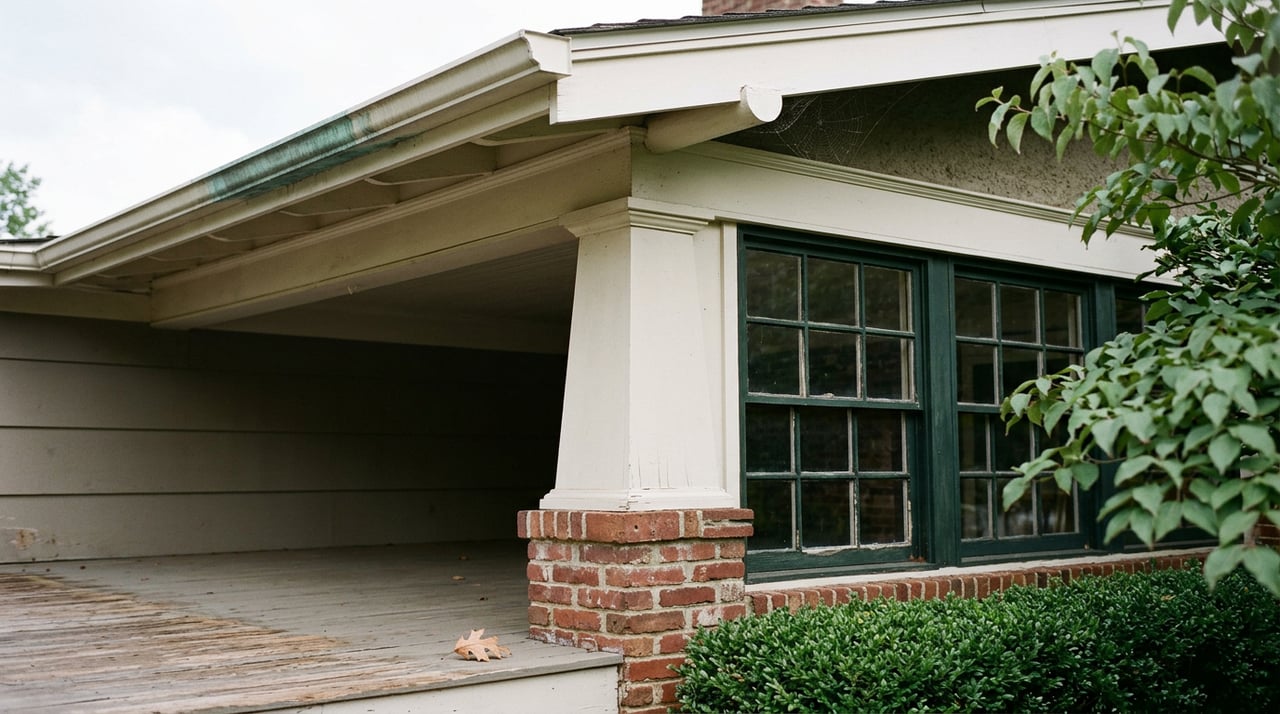
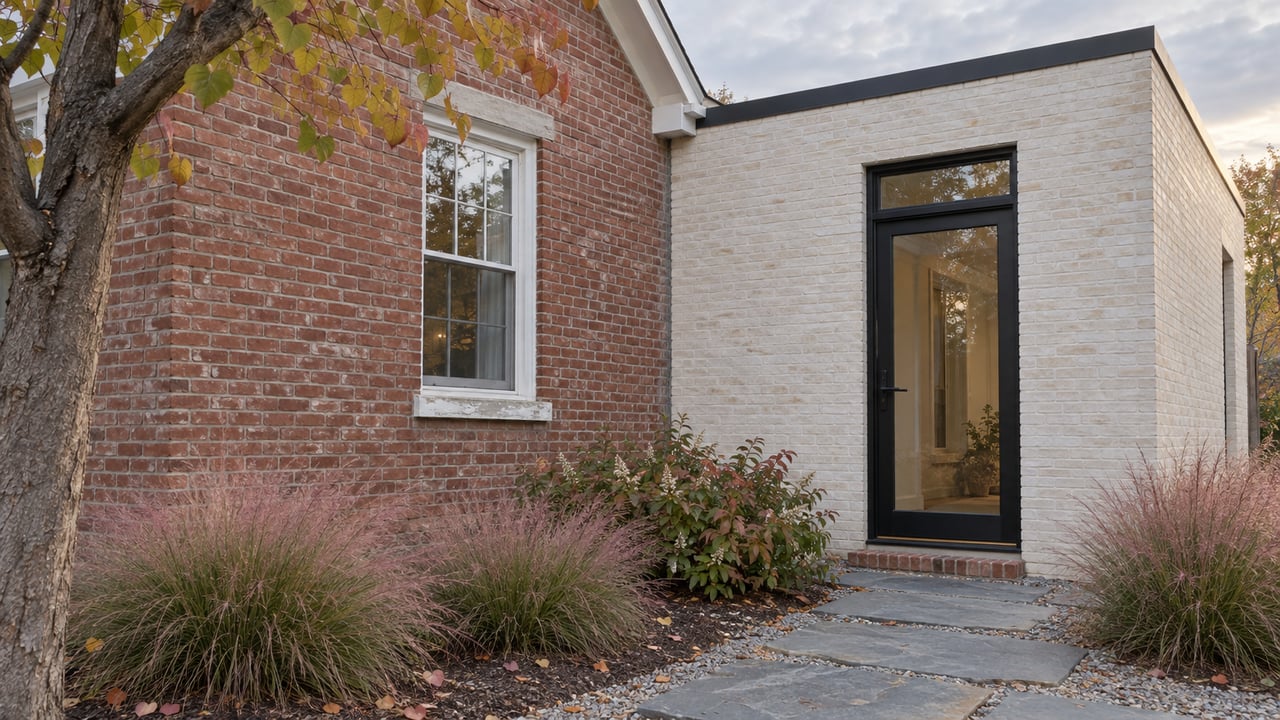
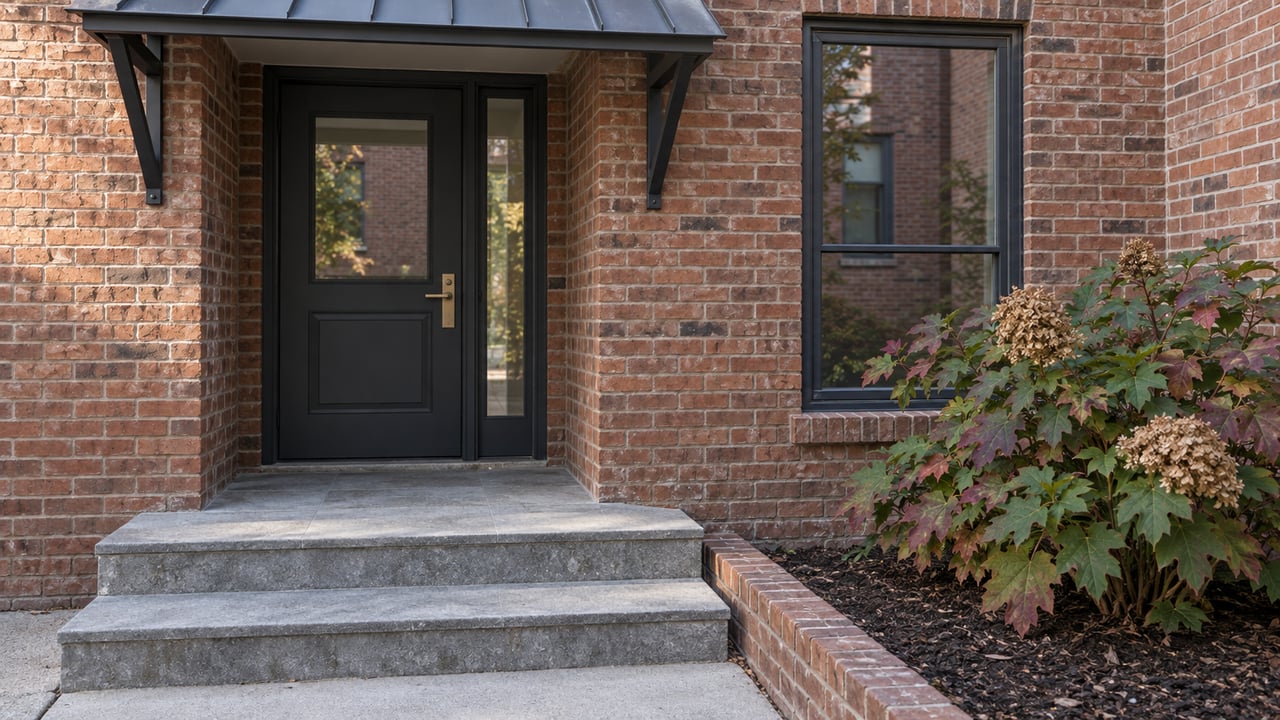
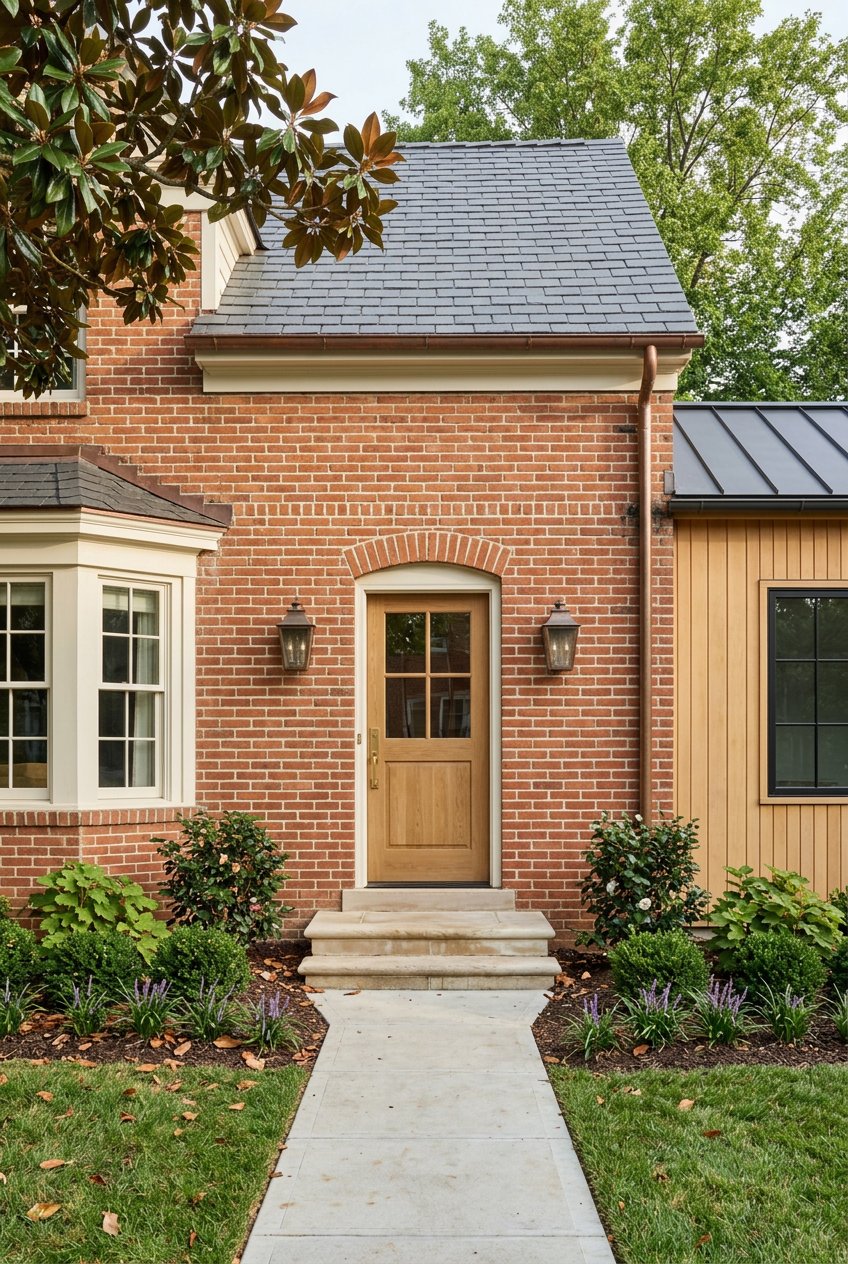
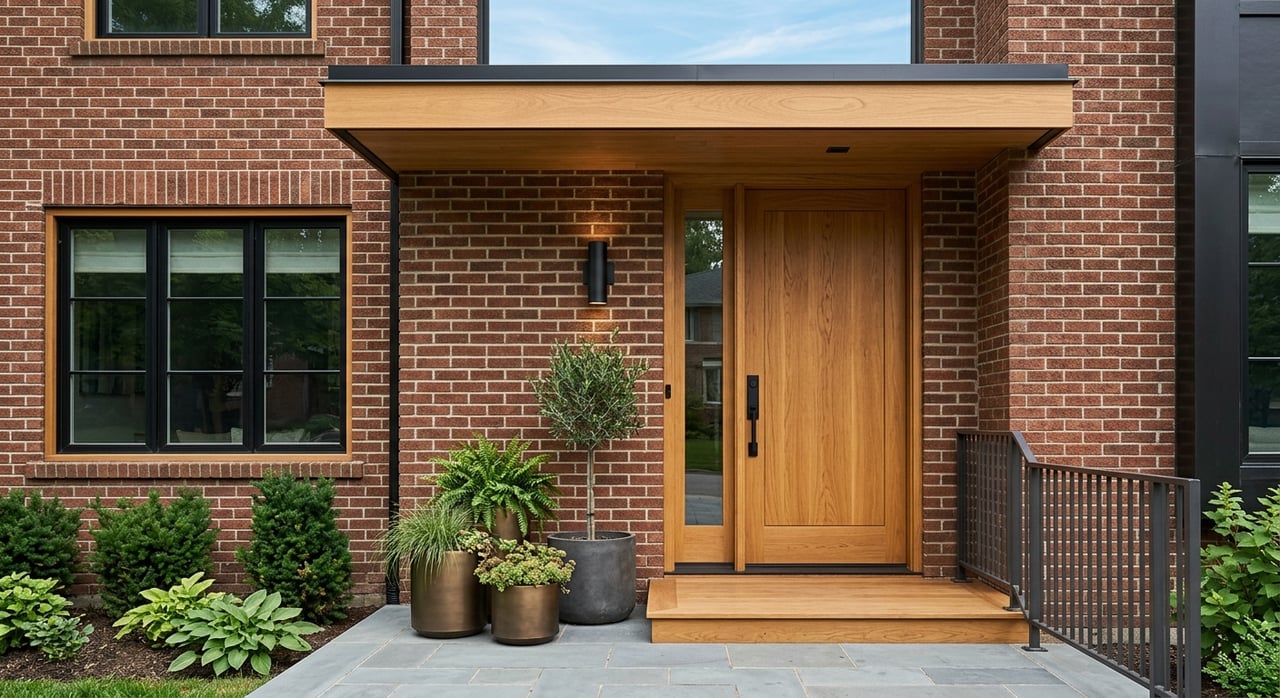
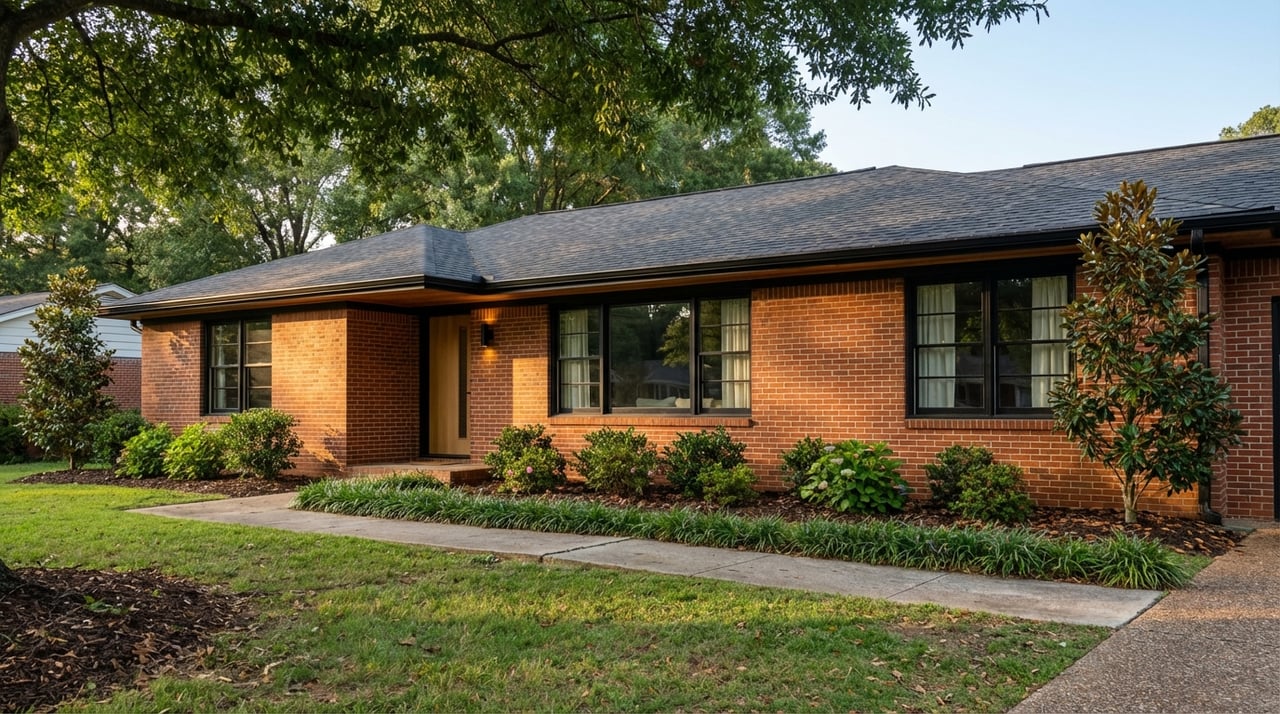
- Curb appeal and front entry: Fresh paint where allowed, porch repair, and simple landscaping often deliver oversized returns. National Cost vs. Value data consistently show curb-focused projects near the top of ROI rankings. See the 2025 Cost vs. Value report. Note that exterior work that changes historic fabric may require HDC review.
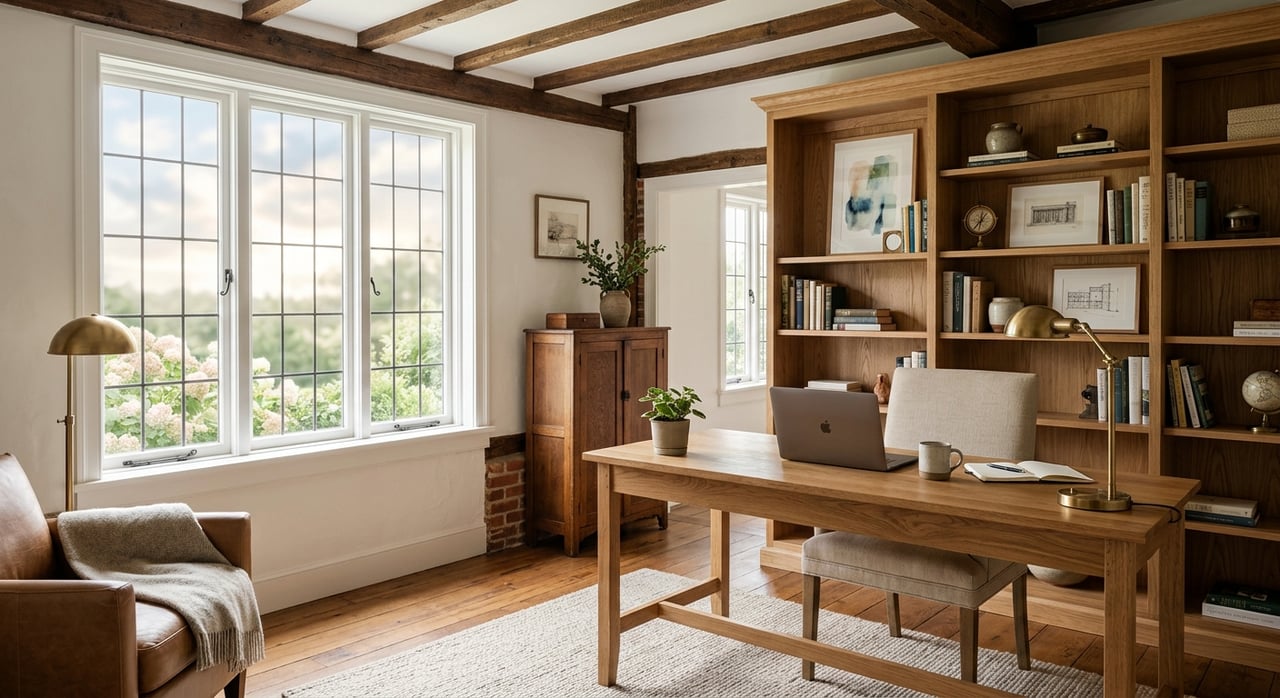
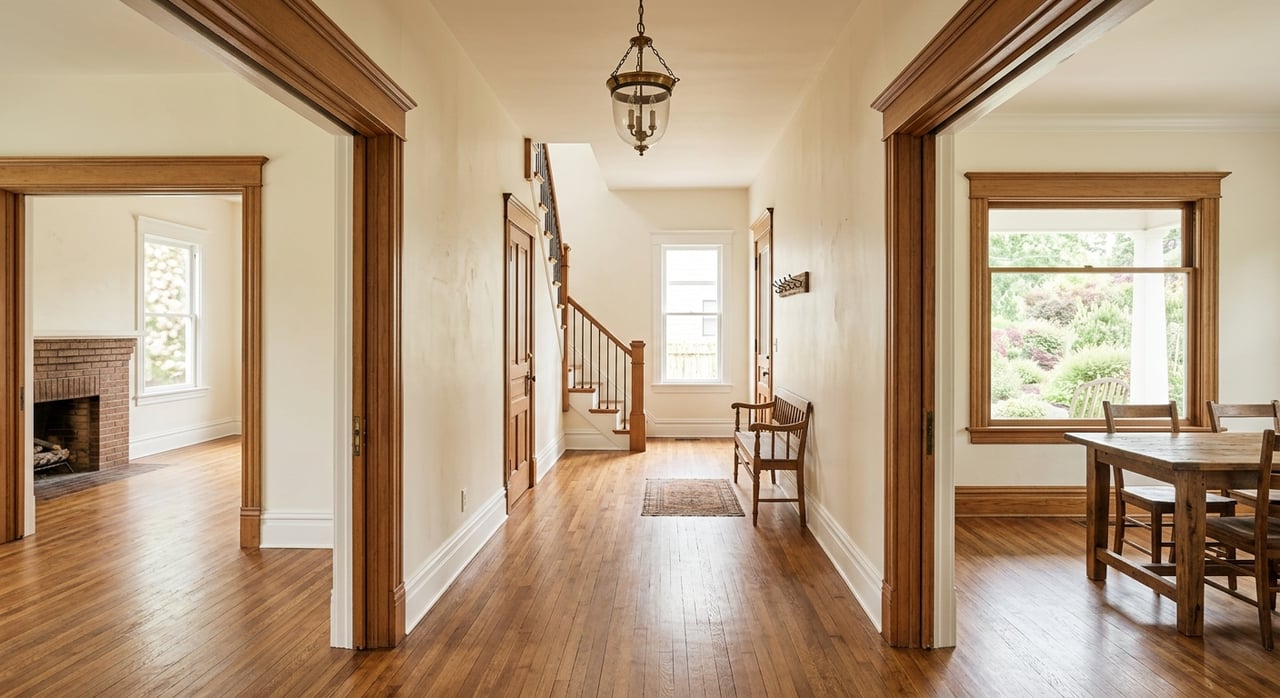
- Flooring and paint: Neutral, cohesive finishes photograph beautifully and help buyers visualize life in the home.
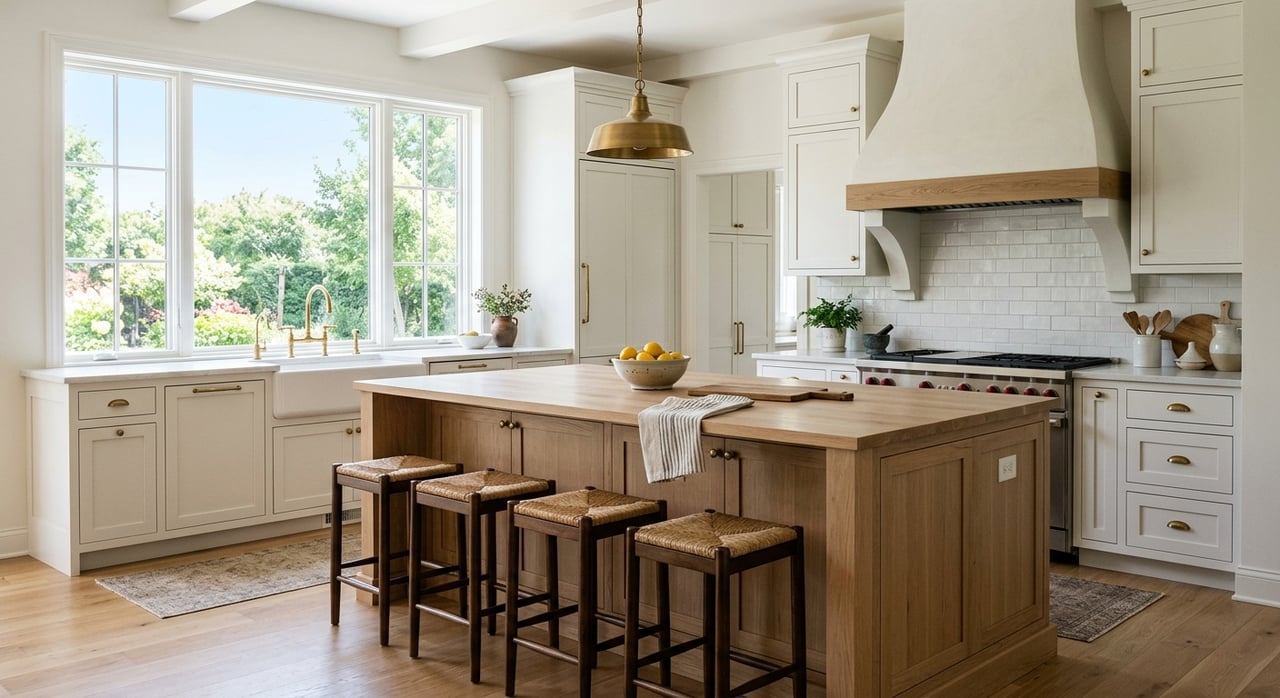
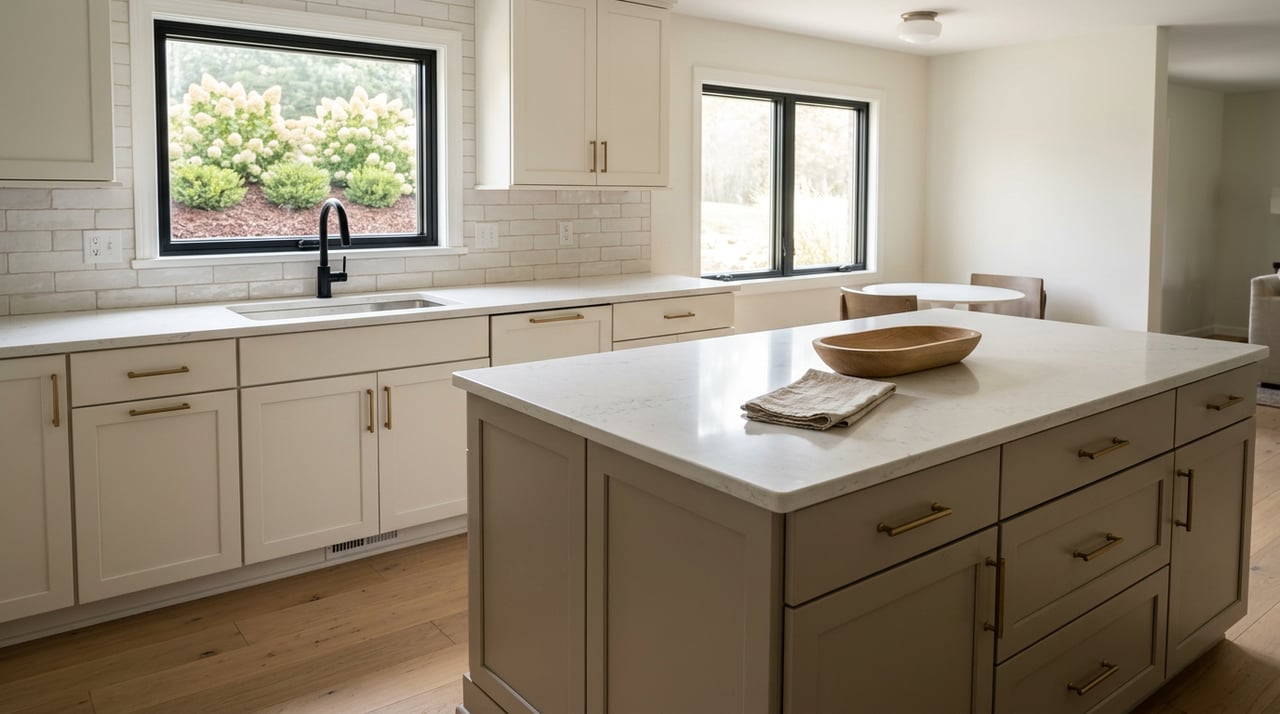
- Kitchen refresh, not a gut: In many Dilworth homes, targeted counters, cabinet fronts, hardware, lighting, and a smart appliance package show better ROI than a full-scale remodel for resale. The Cost vs. Value findings support this targeted approach.
- Systems and safety fixes: Address the roof, HVAC maintenance, electrical safety items, and obvious inspection flags. This protects contract value during due diligence.
If you are unsure how much to do, we scope a maximum-impact, minimum-disruption plan so you invest only where the market will pay you back.
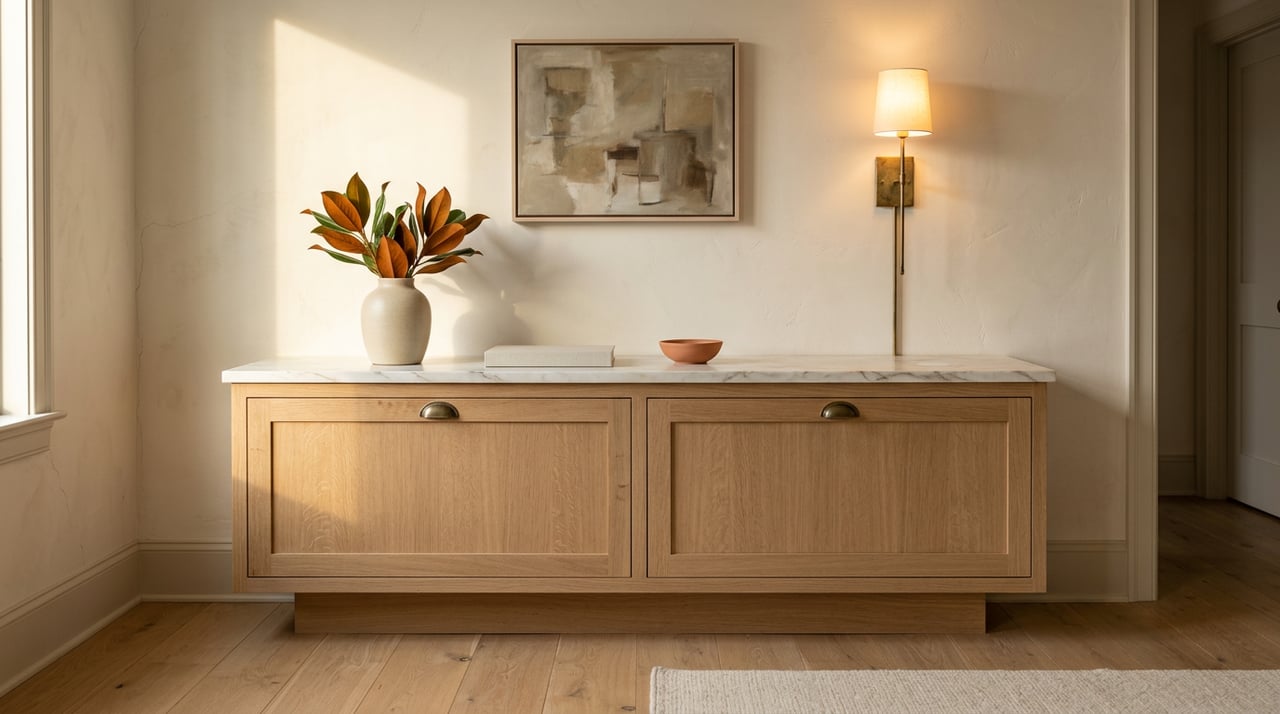
Staging that sells historic charm
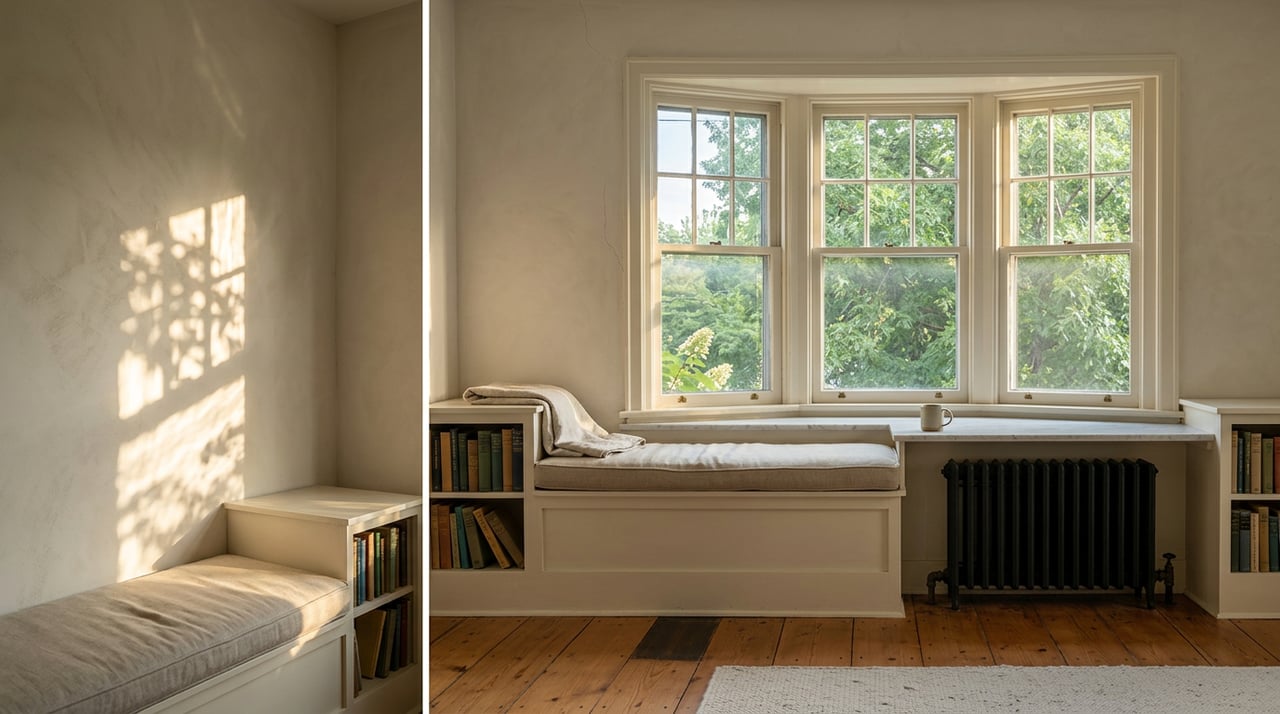
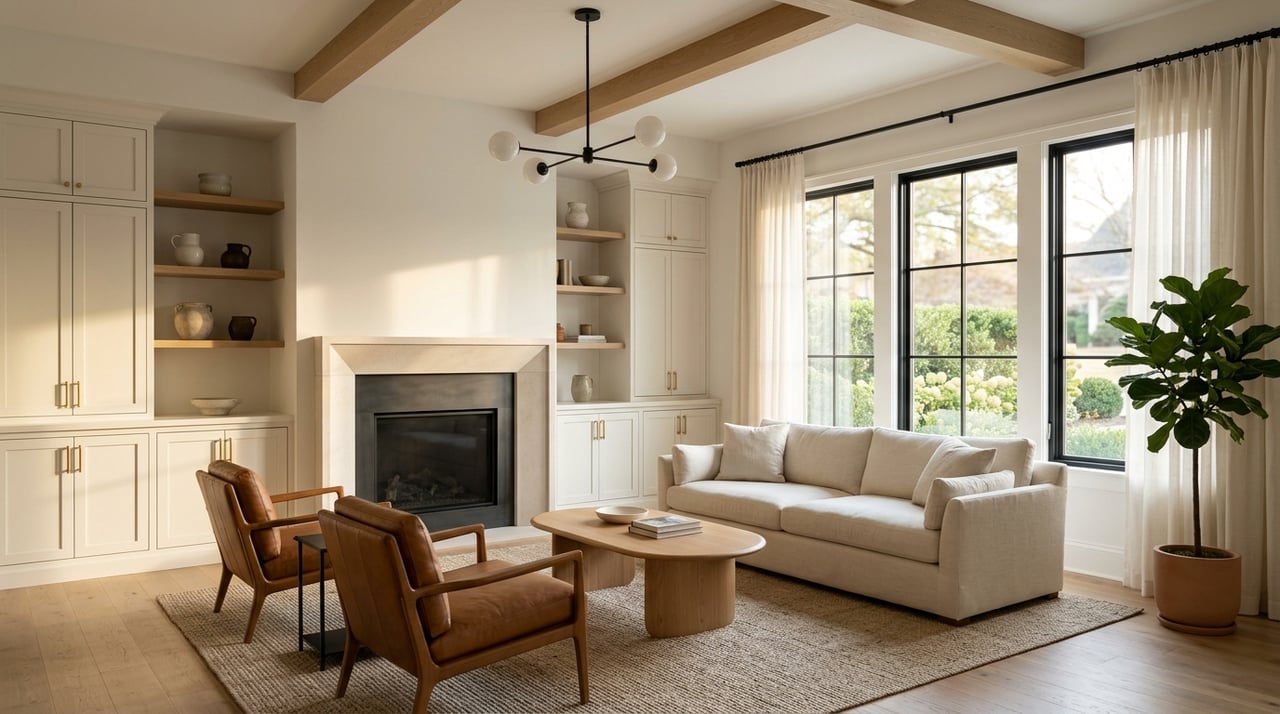
NAR research shows staging helps buyers visualize the property and can increase offers and reduce time on the market. In Dilworth, we stage to spotlight period details and porch life while keeping finishes neutral for broad appeal. Virtual staging can help when a home is vacant, but physical staging tends to perform better in showings and video. Review the NAR staging findings for more context.
Timing the rollout with Compass
Compass Concierge can front the cost of approved prep work like paint, landscaping, minor repairs, and staging, with repayment due at closing or per program terms. This lets you execute high-impact items without upfront cash, which can be the difference between a good launch and a great one. Explore Compass Concierge.
We often structure a three-phase rollout:
- Private Exclusive: Share with Compass agents for confidential feedback while prep work finishes. No public days on the market accrue.
- Coming Soon: Publish a polished preview on Compass.com once photography and teaser assets are ready. Collect interest and fine-tune the copy and price.
- Public Launch: Hit the MLS and portals with full marketing, open house plans, and targeted ads to your most likely buyer groups.
This rhythm protects your opening window, which is when the most motivated buyers are watching and when algorithms boost new, well-engaged listings. Read more about Compass Private Exclusives.
Micro-location and buyer perception
In Dilworth, the exact location has real pricing power. Homes near Latta Park and along East Boulevard retail corridors often trade at a premium, while properties on busier streets or near certain institutional uses can sell at a discount. Parking can also influence value and negotiations. City pilot programs and block-by-block permit rules shape how buyers think about on-street parking convenience. For example, local reporting covered residential parking permit trials near Wilmore and Dilworth; see Axios’ update on parking permit pilots and paid meter changes. We flag these factors in your CMA and strategy, so surprises do not surface mid-listing.
Digital presentation buyers expect
Strong content is not optional. Dilworth buyers do deep research and reward listings that feel complete and credible.
- Professional photography, with daylight exteriors and clear porch vignettes
- A measured floor plan that verifies square footage and flow
- A 3D tour or walk-through video for remote and relocation buyers
- Tight listing copy that names the period details, modernization highlights, and walkability context
- Targeted social and portal ads aimed at in-town Charlotte buyer pools who historically purchase in Dilworth
- Early signal tracking for showings, saves, and click-through rate in week one and week two, with pre-set checkpoints to adjust as needed
What to expect in week 1 and week 2
Your first two weeks set the tone. We forecast likely traffic and buyer segments before launch, then compare real-time activity to the plan. On days 7 and 14, we review showings, feedback, and engagement. If activity trails expectations, we move quickly with a tactical price adjustment, a feature refresh in photos or copy, or a promotional push. If demand is strong, we use deadlines and clear offer instructions to keep momentum focused and fair.
Ready to price and position your Dilworth home?
You do not need a renovation degree or a marketing budget the size of a billboard. You need a clear plan, the right improvements in the right order, and a launch built for how Dilworth buyers shop today. If you are thinking about selling, we are happy to walk your home, outline your options, and map your fastest path to a strong sale. Let’s connect through Real Estate Layne to get started.
FAQs
How do you arrive at my Dilworth list price?
- We classify your home by product type, pull the most recent Dilworth comps in that class, apply paired-sales adjustments for renovation level, size, parking, porch, and lot, and then set a launch price that fits current demand signals.
Do I need to gut my kitchen to get top dollar in Dilworth?
- Usually no; a targeted refresh of counters, cabinet fronts, hardware, lighting, and appliances earns stronger ROI than a full gut for resale, as supported by Cost vs. Value data.
Will staging pay for itself on a historic bungalow?
- NAR research shows staging helps buyers visualize the home and can increase offers and reduce time on market, especially when it highlights porches and period detail.
How do Dilworth historic-district rules affect my sale timeline?
- Interior work is generally unrestricted, but exterior alterations that change visible historic elements may require a Certificate of Appropriateness, so plan extra time if you are considering exterior updates.
Is Compass Concierge worth considering for prep work?
- If you want to maximize presentation without upfront cash, Concierge can front approved costs for items like paint, landscaping, minor repairs, and staging, with repayment at closing per program terms.