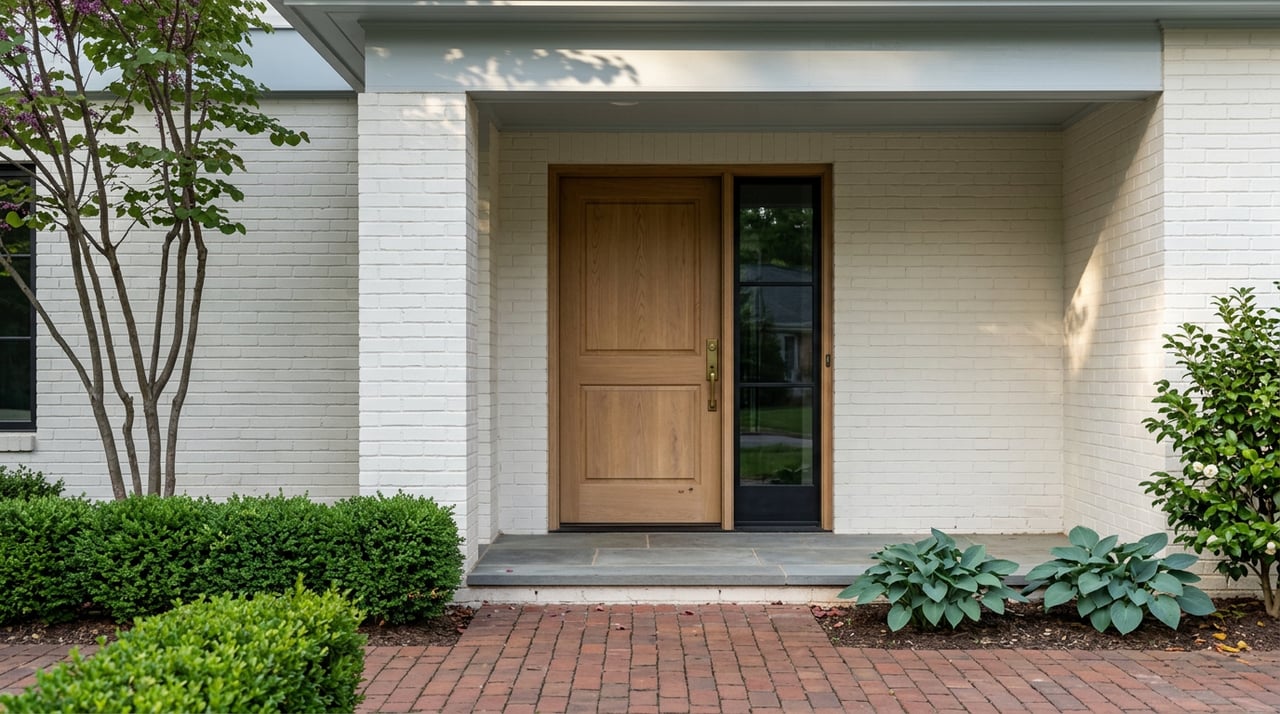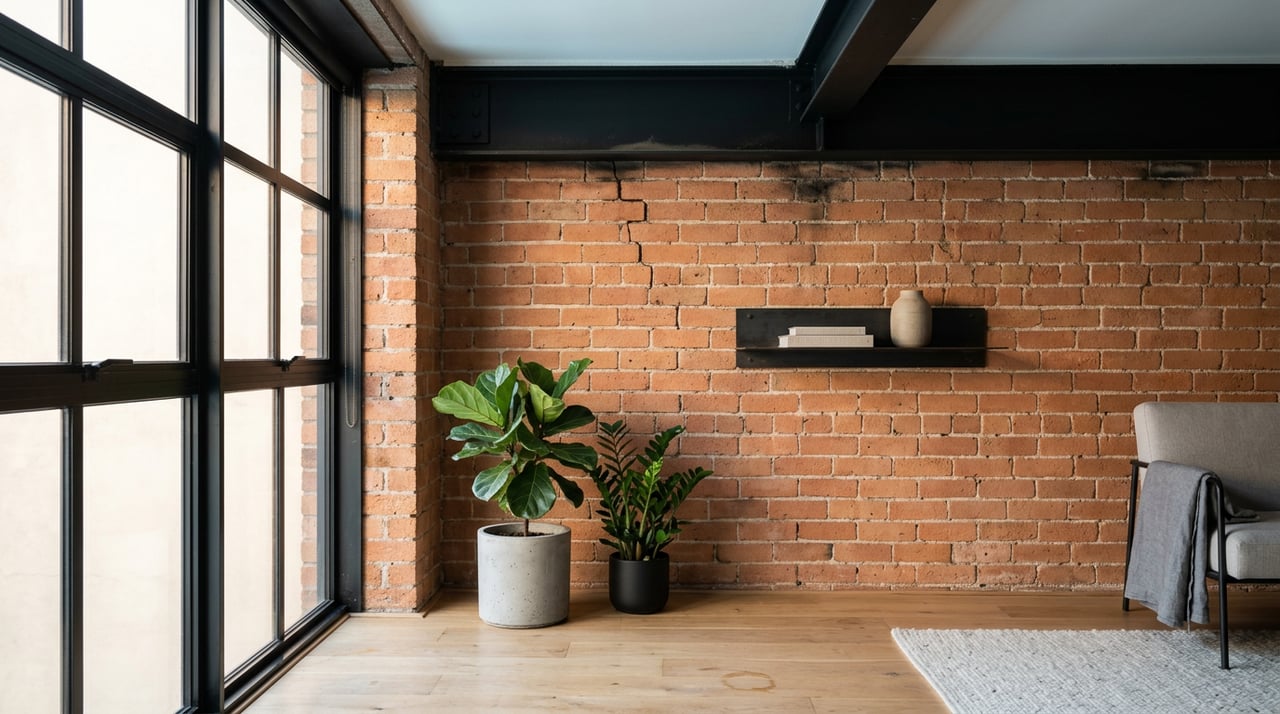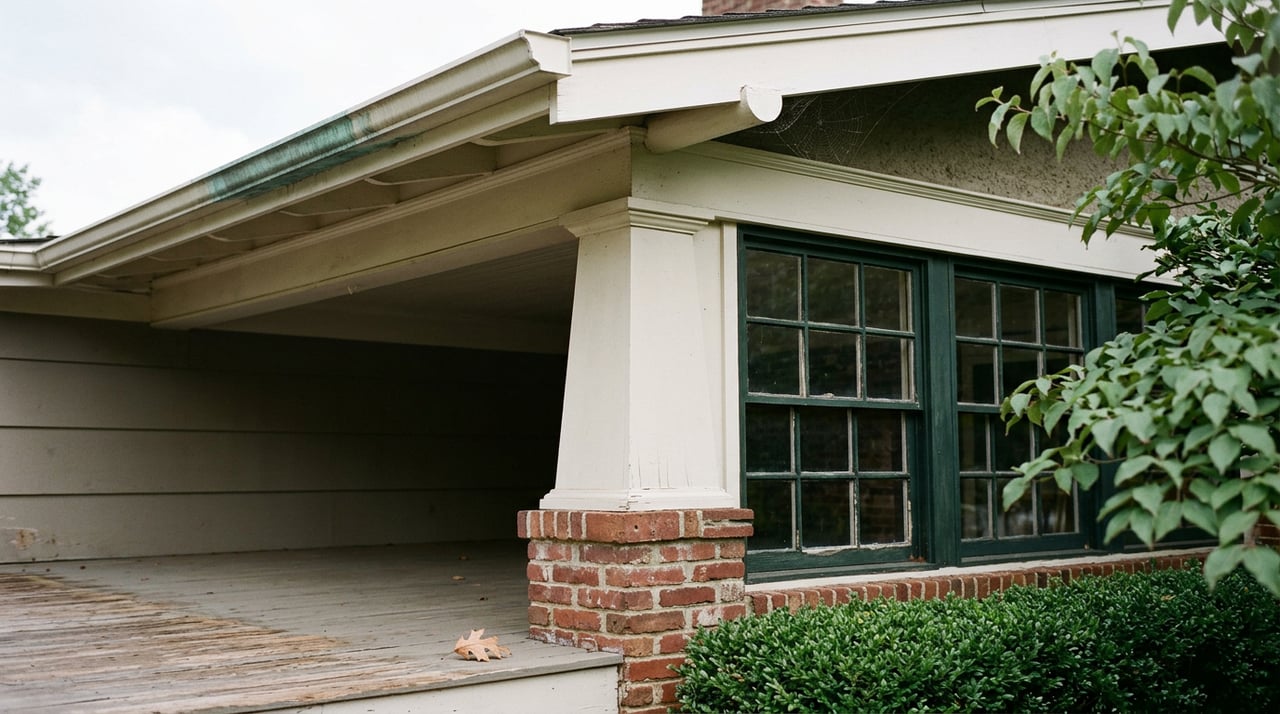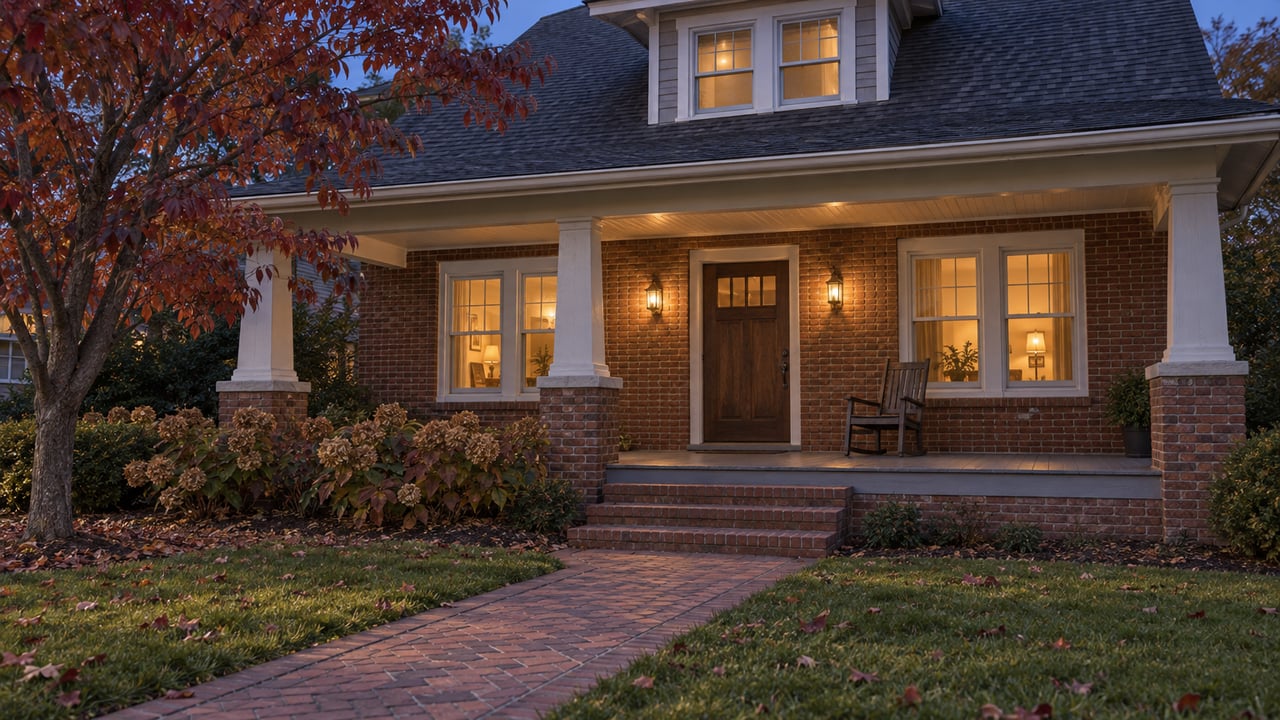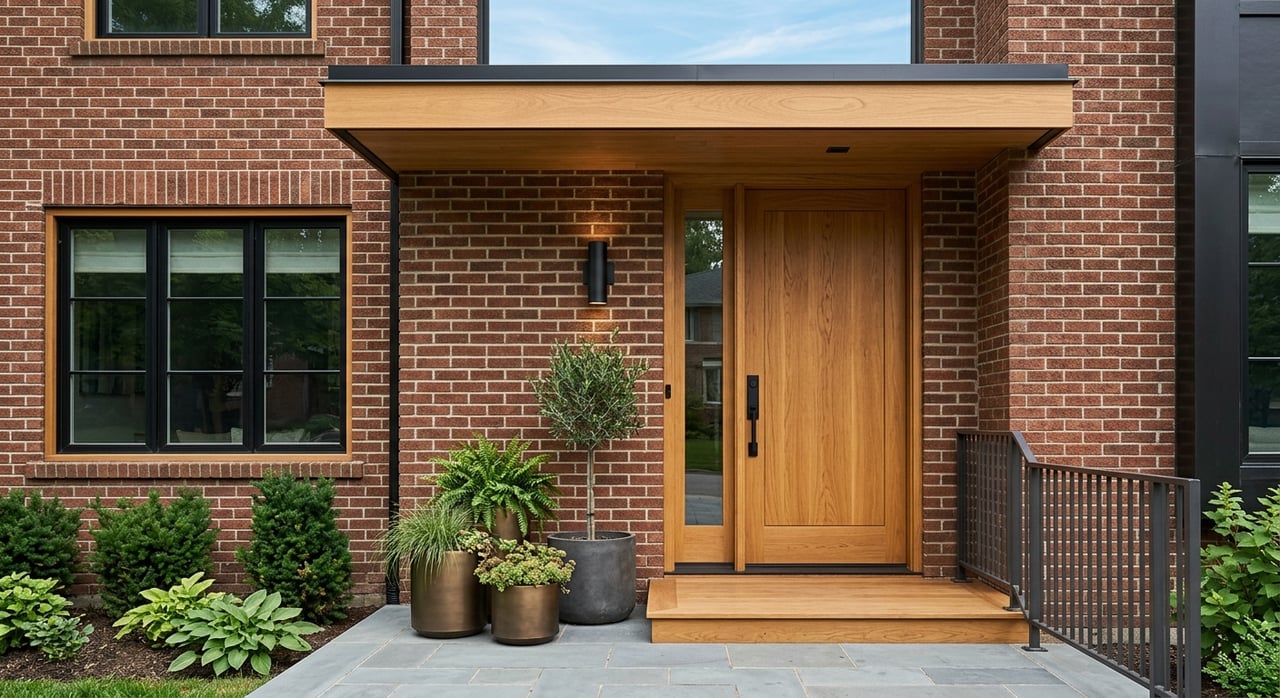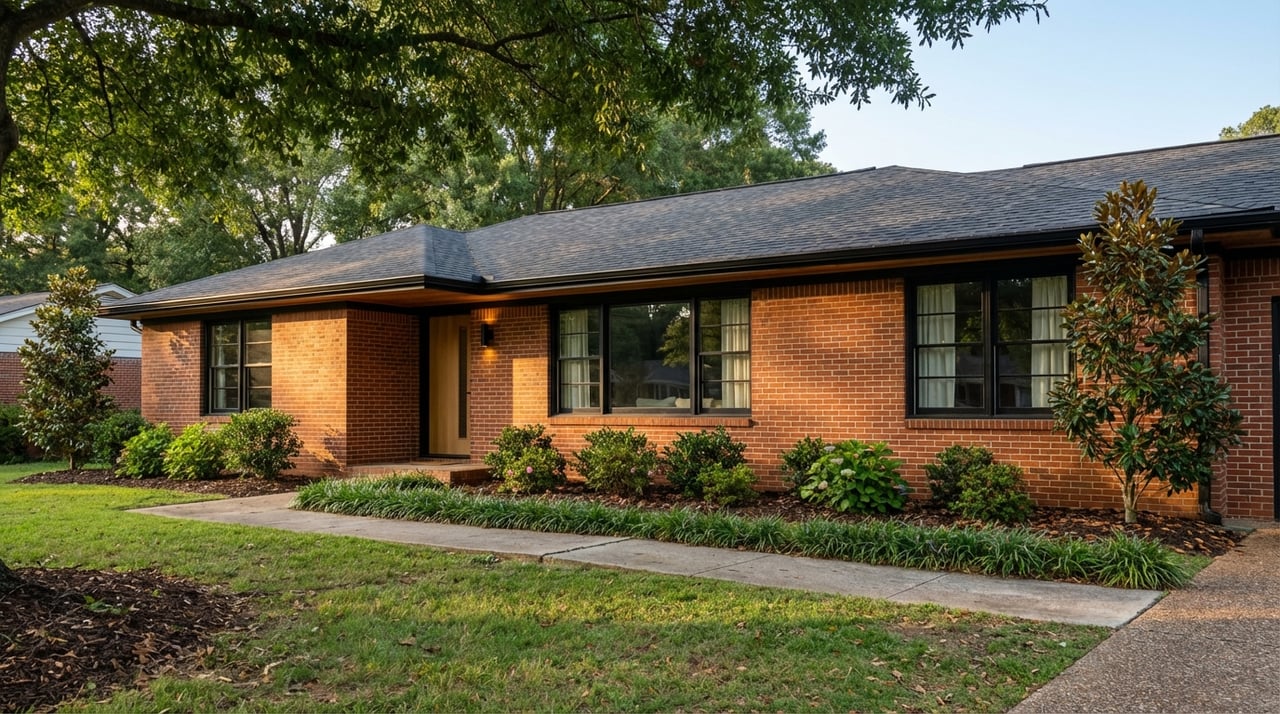
Wondering whether a Plaza Midwood home is worth renovating or whether it makes more sense to start over? That question comes up often in this part of Charlotte because the neighborhood has a wide mix of older homes, varied lot sizes, and a market where values can support very different strategies. If you are weighing a cosmetic update, a major remodel, or a tear-down and rebuild, the key is matching the house, the lot, and the rules to your end goal. Let’s dive in.
Why Plaza Midwood Is Not One-Size-Fits-All
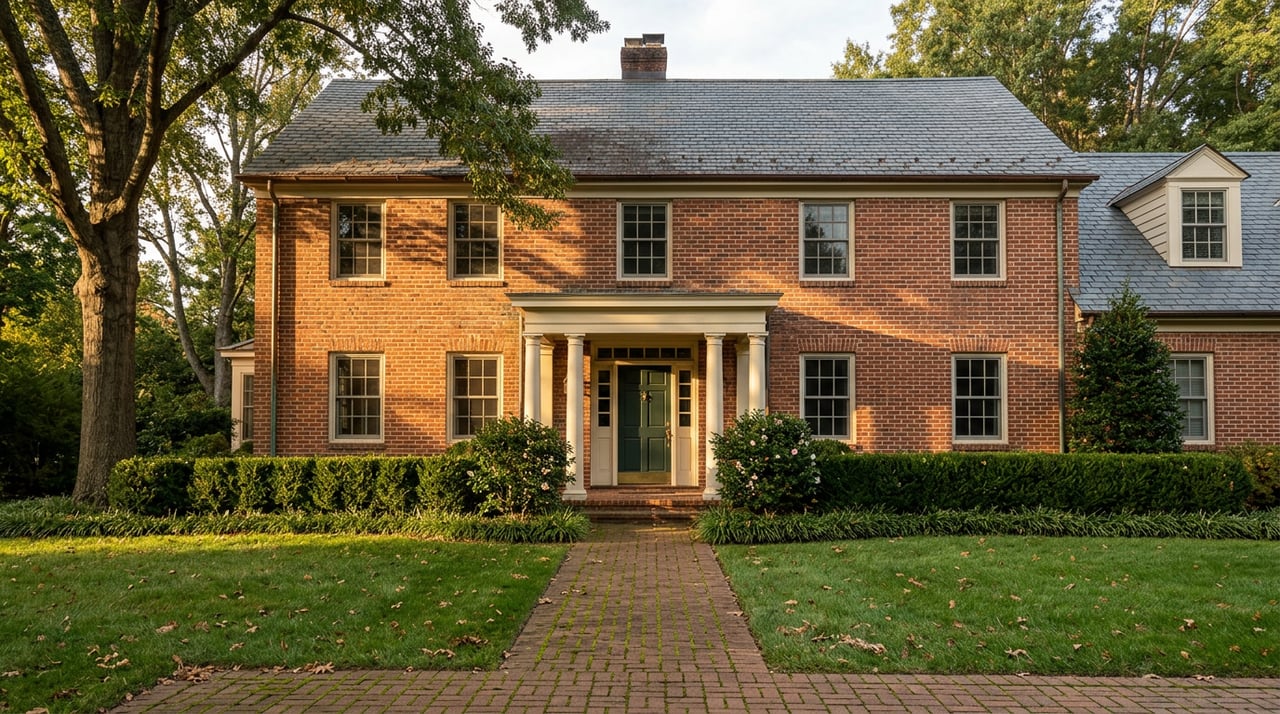
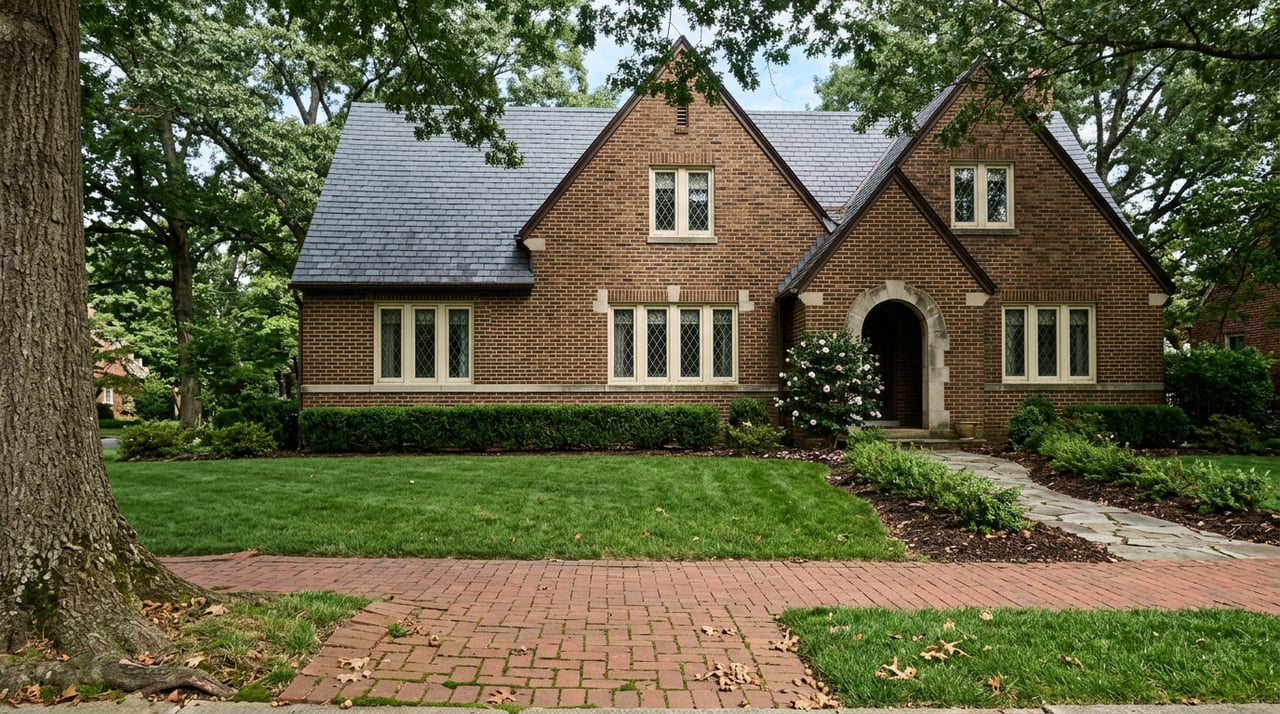
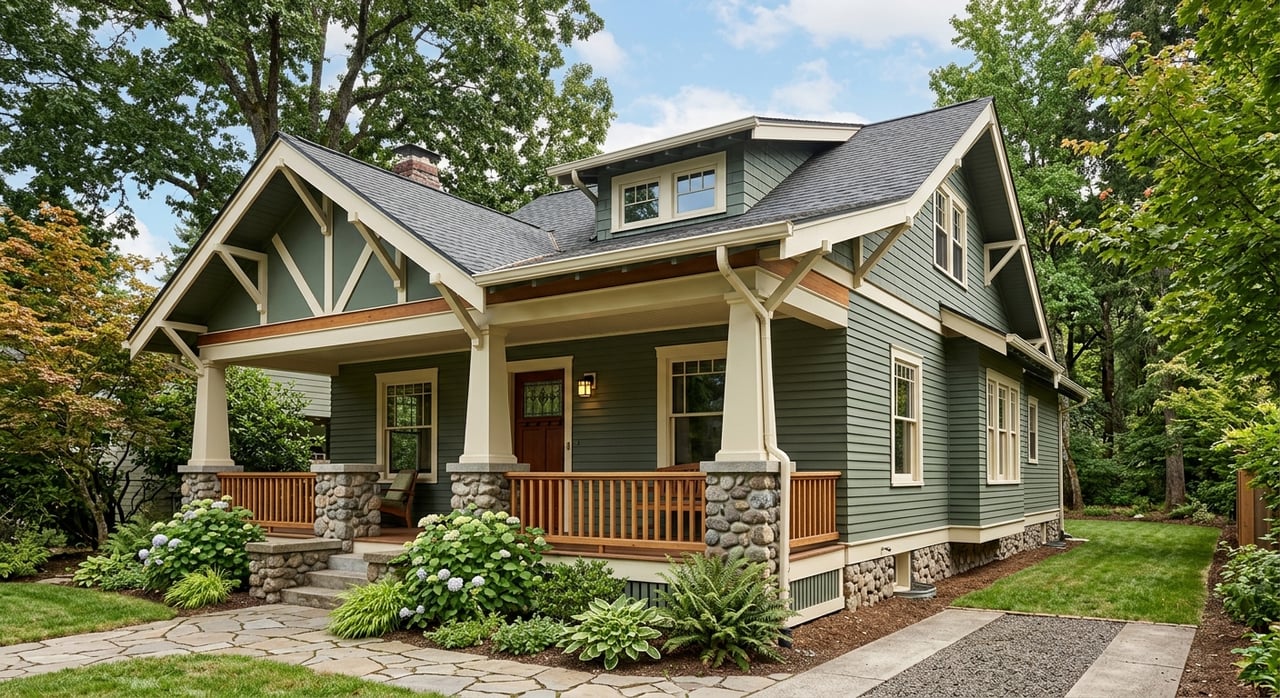
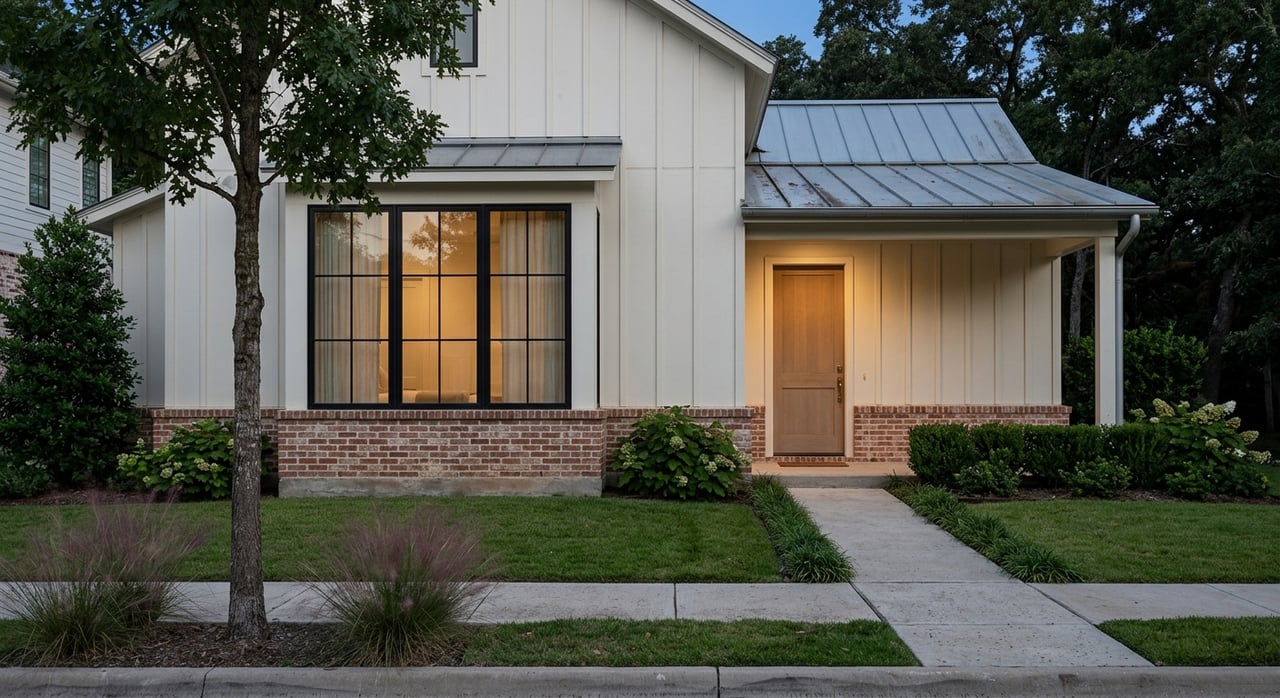
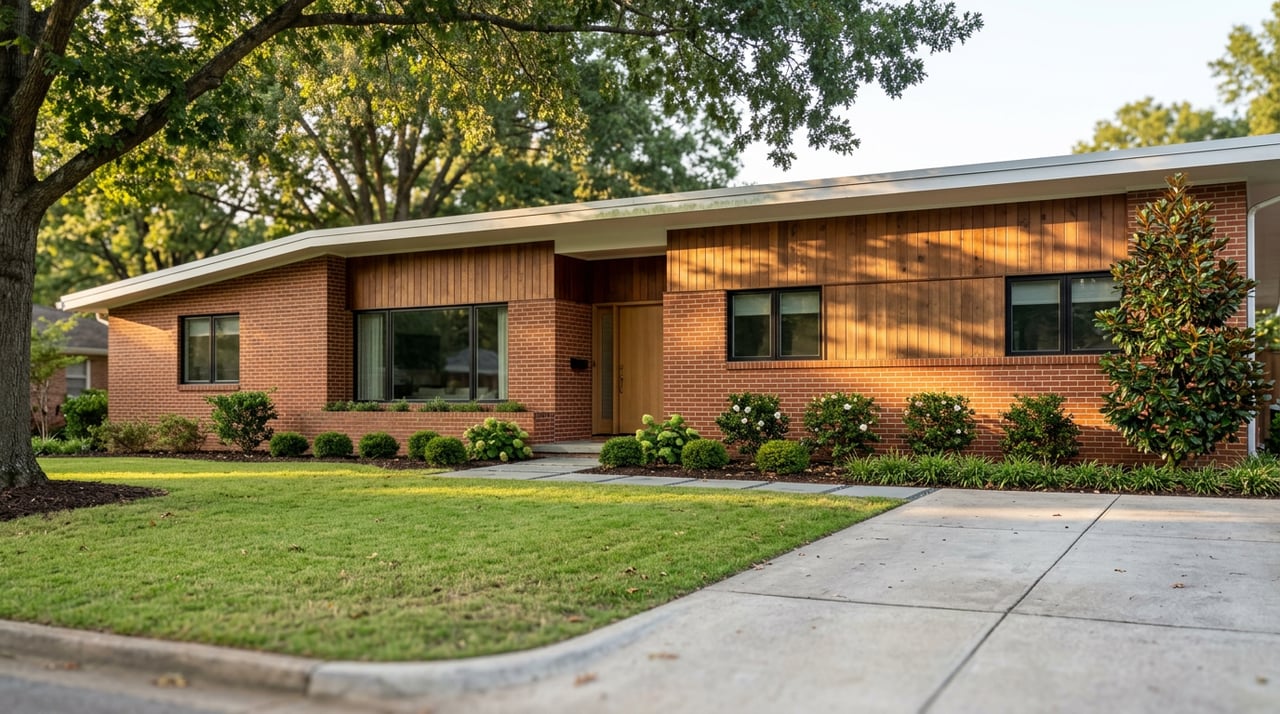
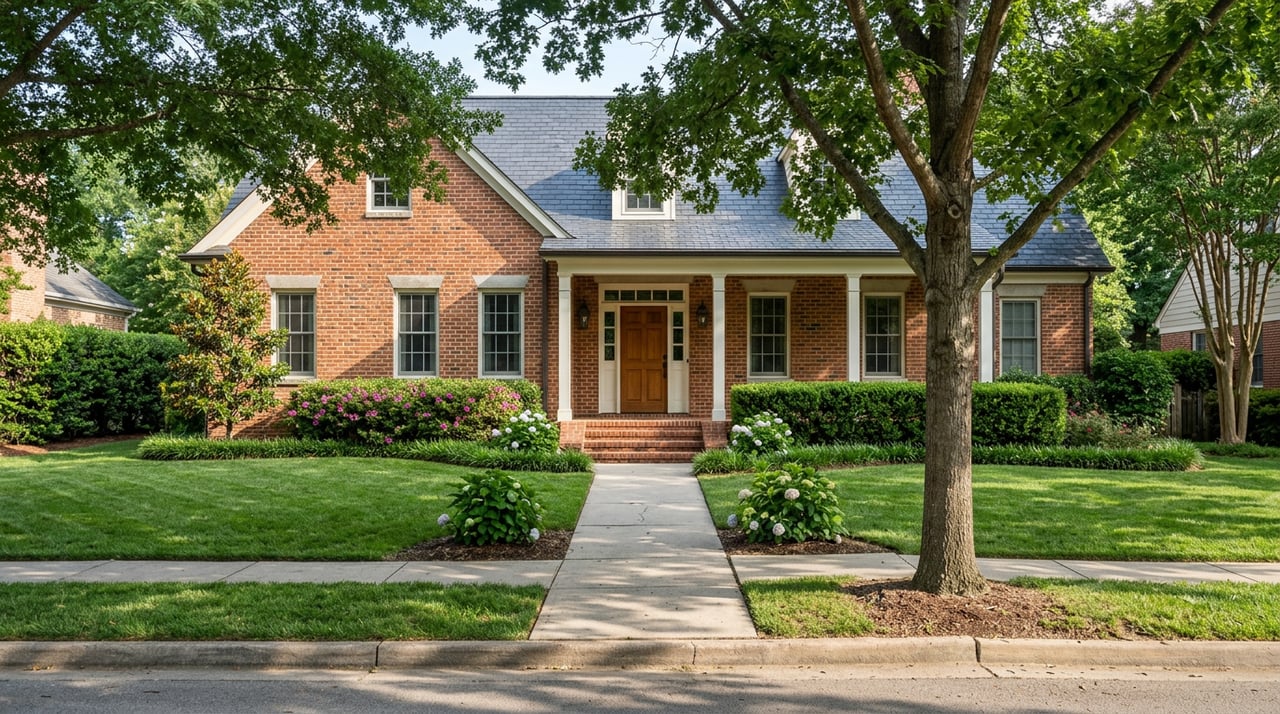
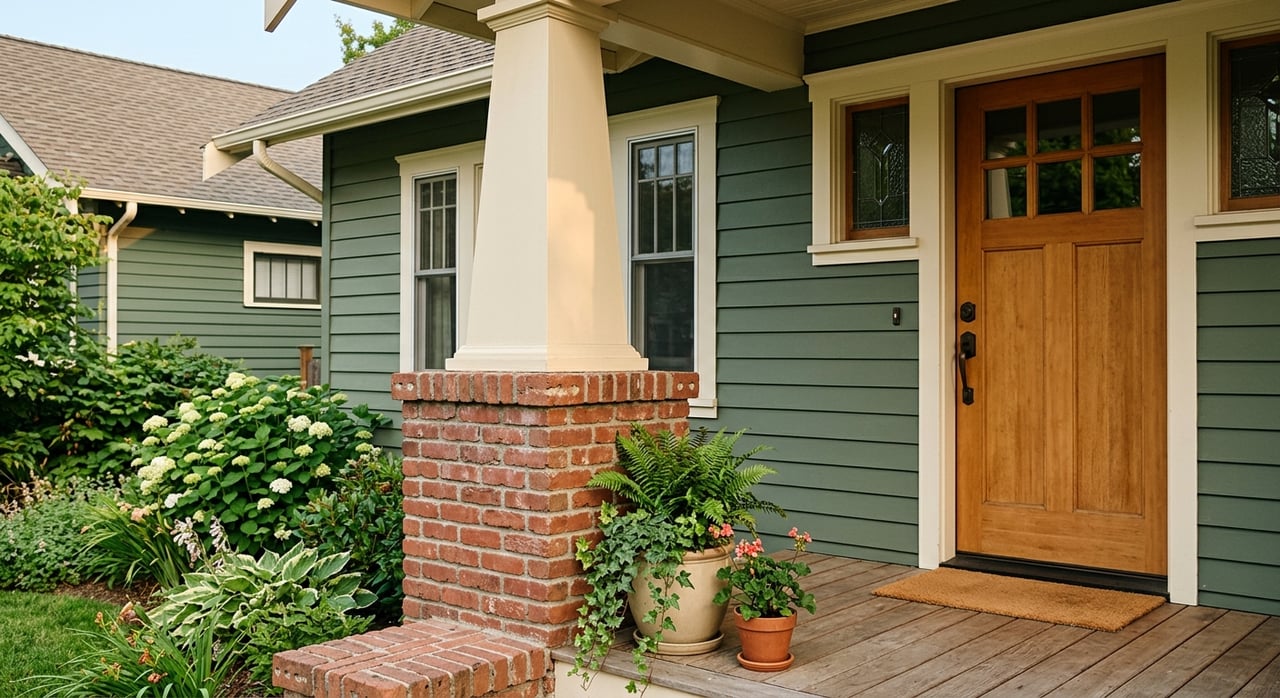
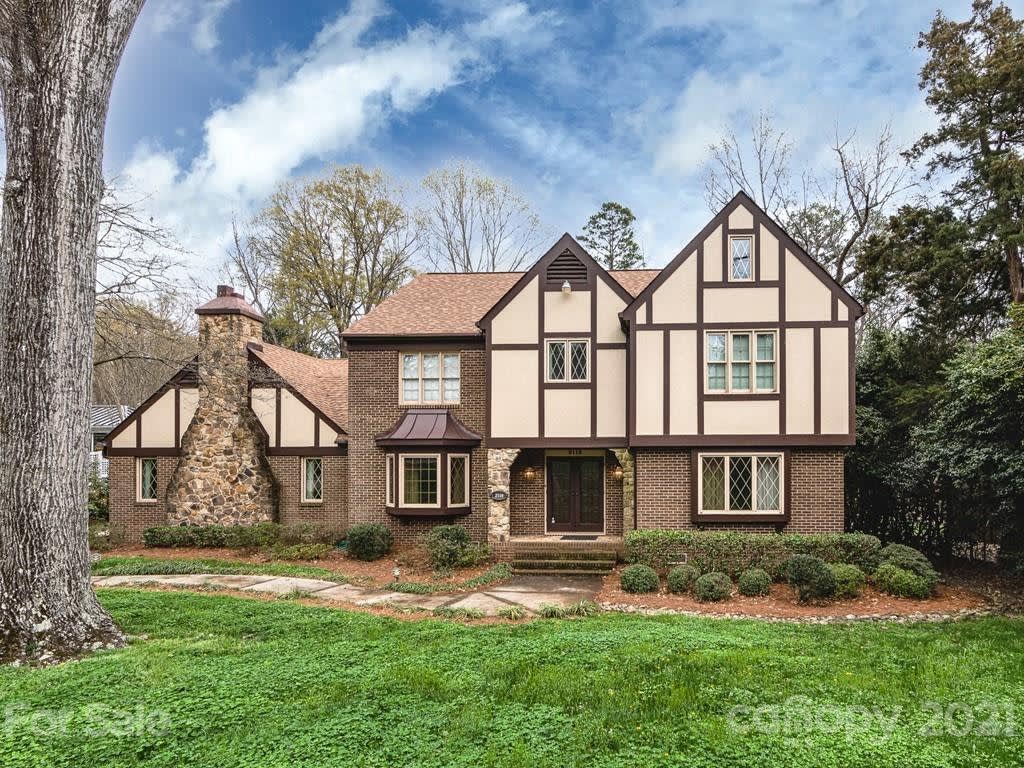
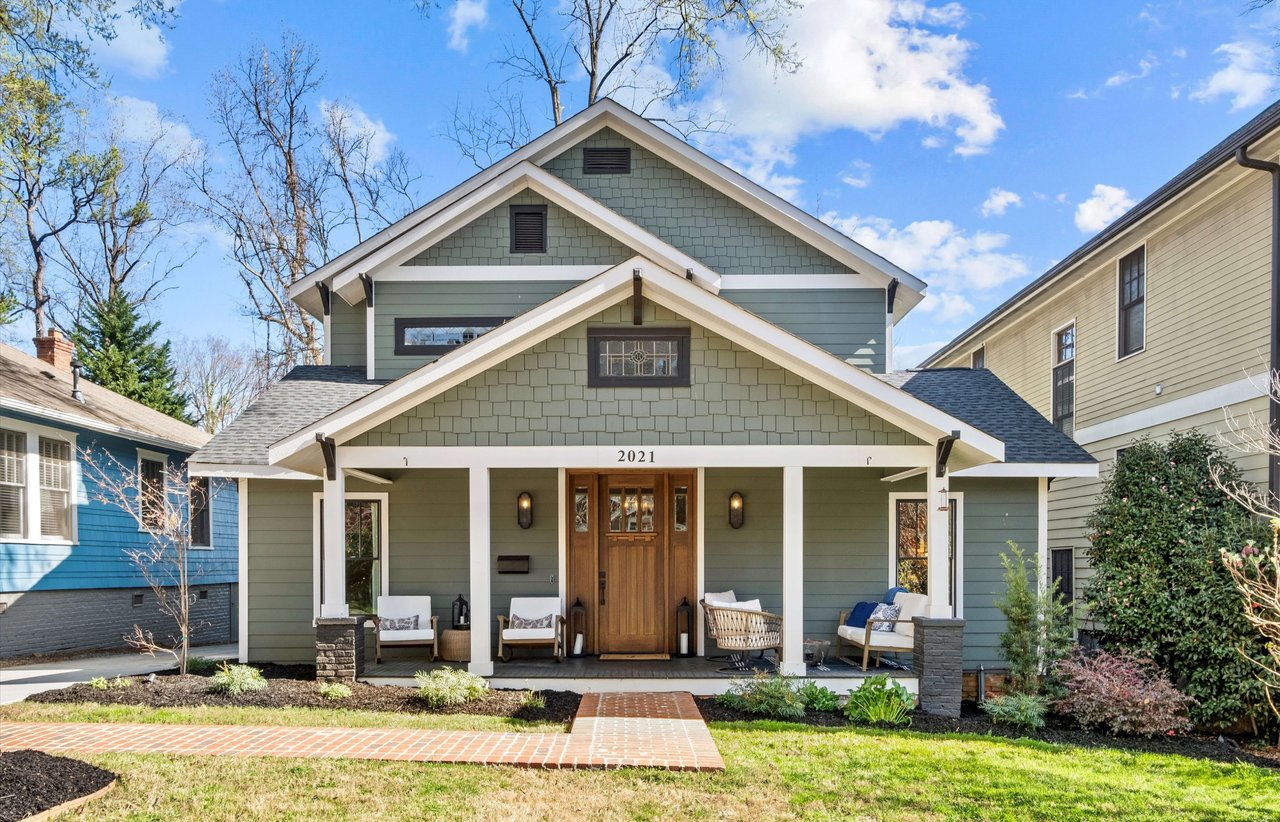
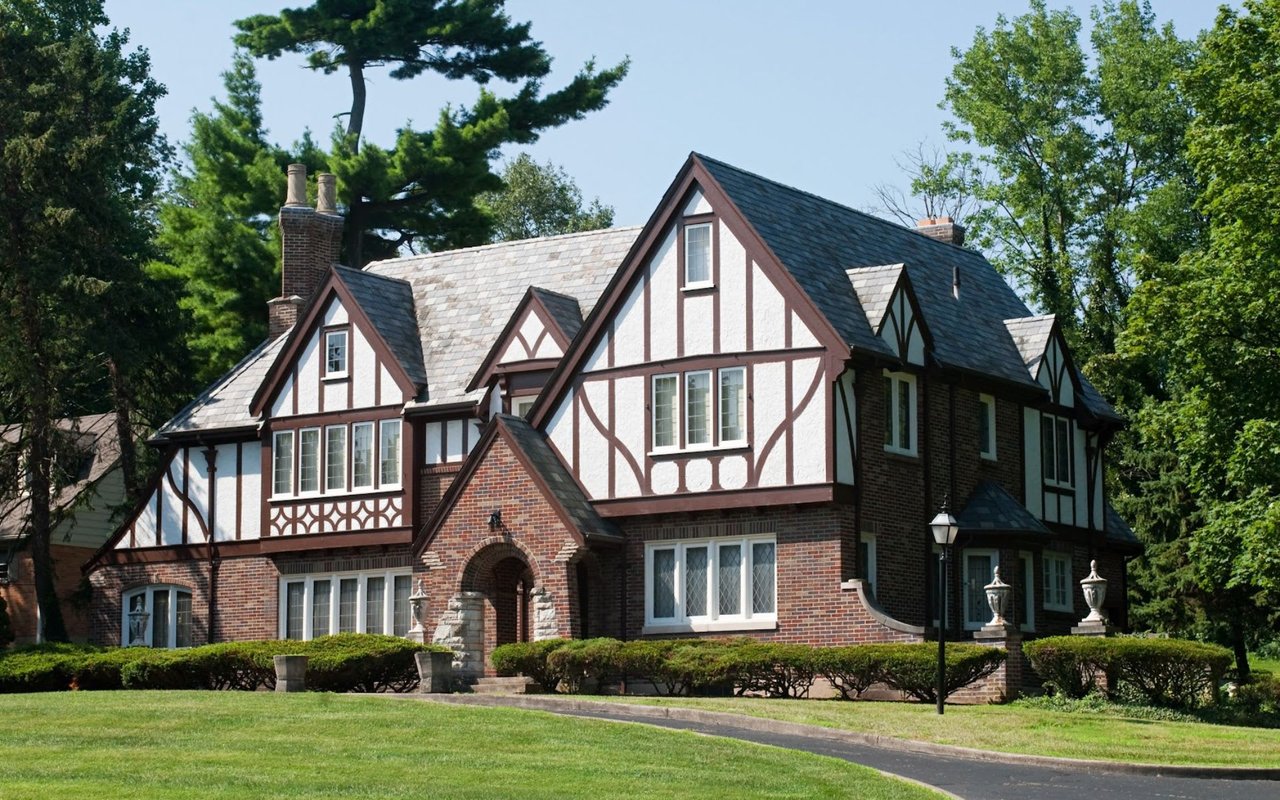
Plaza Midwood grew from several early streetcar-era neighborhoods, with much of its housing dating to the 1910s and 1920s. City sources describe it as Charlotte’s local historic district with especially varied architecture, including Victorian homes, Craftsman homes, bungalows, cottages, American Small House forms, and later mid-century family homes.
That variety matters because two homes in Plaza Midwood can offer very different options. A property along The Plaza corridor may sit on a larger lot with a deeper setback, while a home on a secondary street may have smaller side yards and a more modest one-story or one-and-a-half-story footprint. In practical terms, one lot may be better suited for an addition or replacement build, while another may point you toward preserving and improving what is already there.
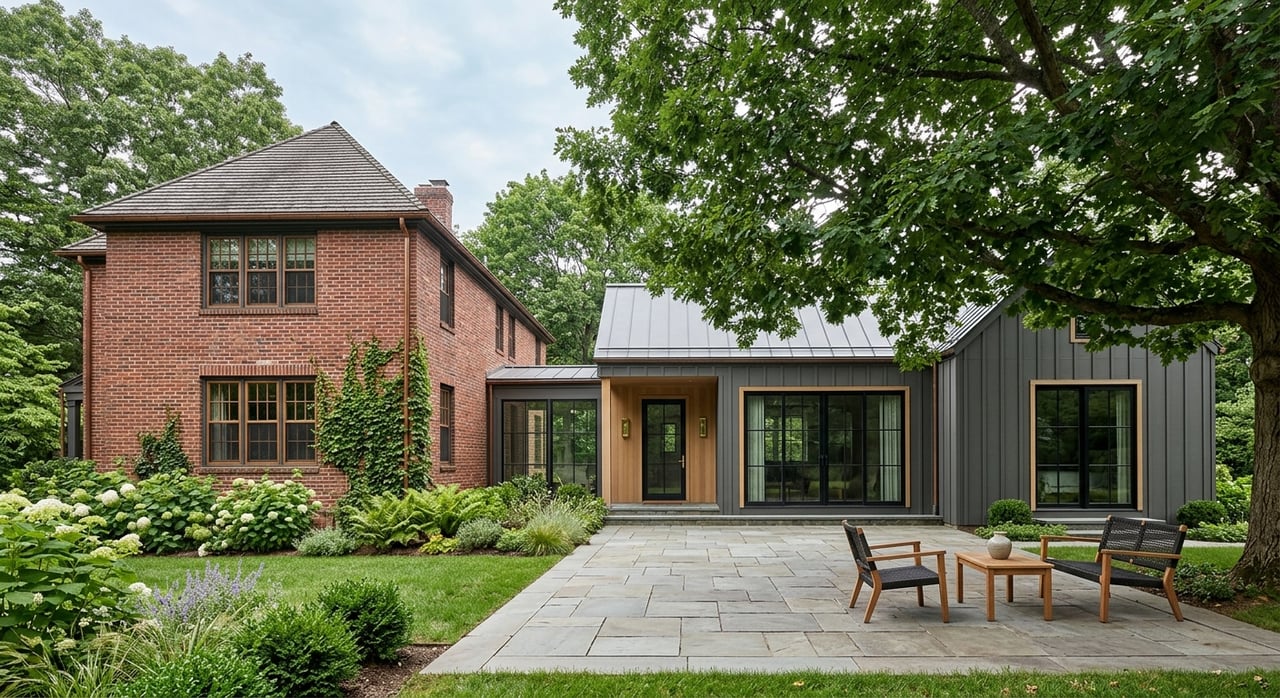
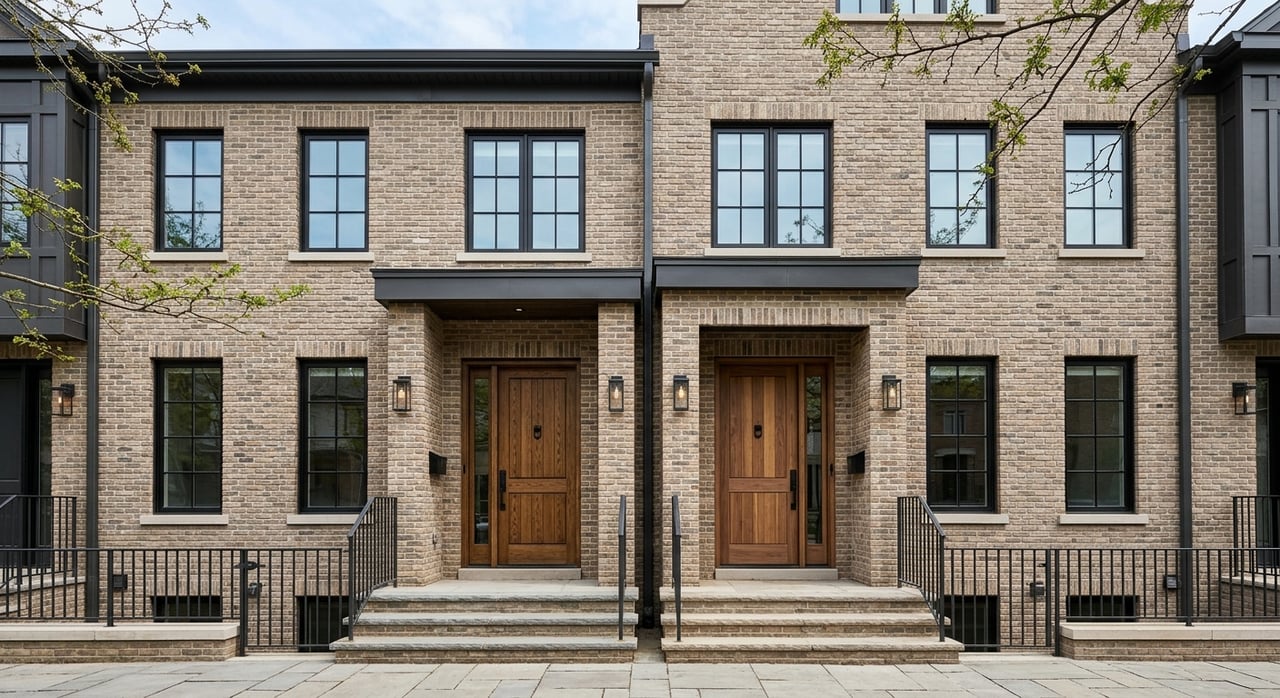
The neighborhood also already includes a mix of preserved homes, renovated homes, and newer replacement houses. That tells you something important right away: in Plaza Midwood, renovation and selective infill already coexist. The right answer is usually property-specific, not neighborhood-wide.
Start With the Two Biggest Filters
Before you compare budgets or sketch floor plans, focus on the two issues that shape almost every renovate-versus-rebuild decision.
Check Historic District Status First
Only part of Plaza Midwood falls inside the local historic district. The Plaza Midwood Neighborhood Association says roughly 14% of the neighborhood is included, and the City of Charlotte confirms the district was designated in 1992.
If a property is inside the local historic district, exterior work is not a casual decision. Charlotte requires a Certificate of Appropriateness before exterior alterations, restoration, new construction, moving, or demolition, and that review may also apply to landscaping and site work. Normal repair and maintenance, such as in-kind reroofing or planting flowers, generally do not require approval.
That means your first question is simple: Is the parcel inside the local historic district? If the answer is yes, your design options and timeline may look very different from those of a similar house a few blocks away.
Verify Zoning and Lot Limits
Historic district status is only one part of the picture. Charlotte’s Unified Development Ordinance took effect on June 1, 2023, and zoning, setbacks, height limits, and other site requirements can all affect what is realistic on a given parcel.
For a teardown or major addition, the lot itself matters as much as the current house. Even if a home feels like a strong candidate for replacement, the parcel still has to support the footprint and configuration you want. In some cases, that pushes owners toward a smart renovation instead of a full rebuild.
When Renovating Often Makes More Sense
In Plaza Midwood, renovation is often the better path when the existing structure has good bones, the lot is tighter, or the home’s layout can be improved without fighting the site too much.
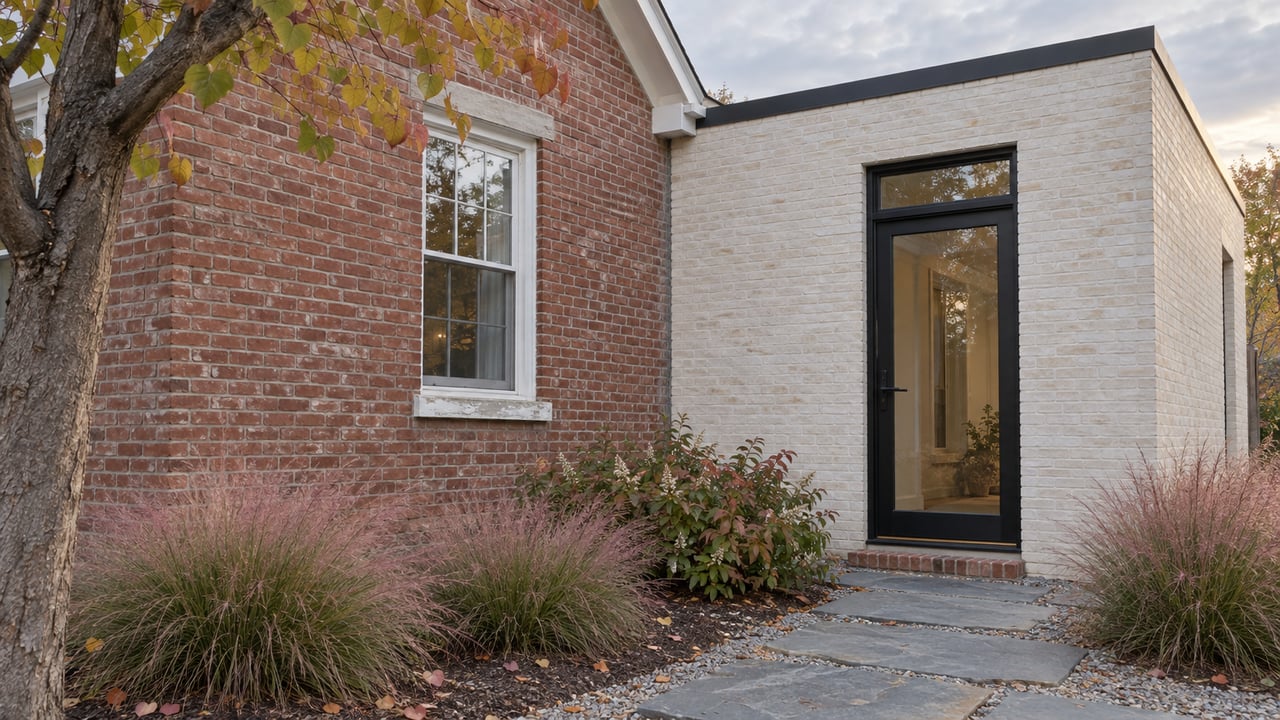
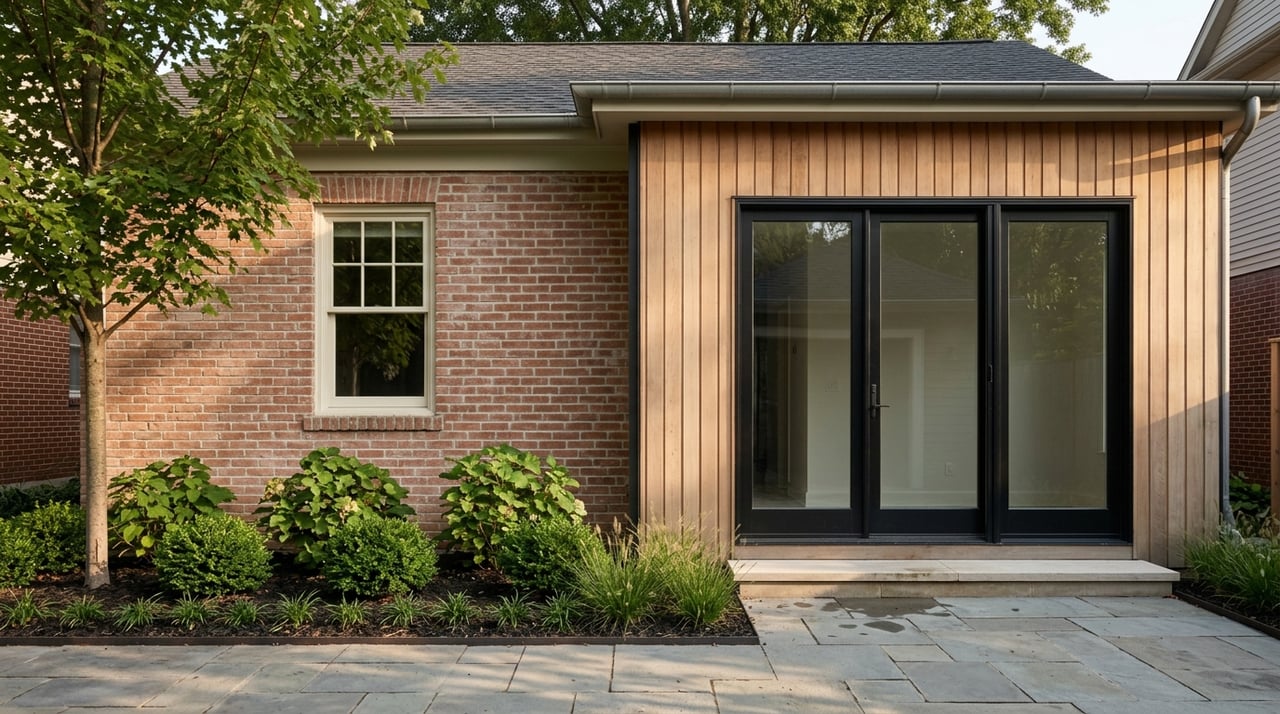
Smaller interior street lots can fall into this category. If side yards are limited and the original house sits in a pattern that fits the block, a targeted addition or interior reworking may be more practical than trying to force an entirely new build onto the parcel.
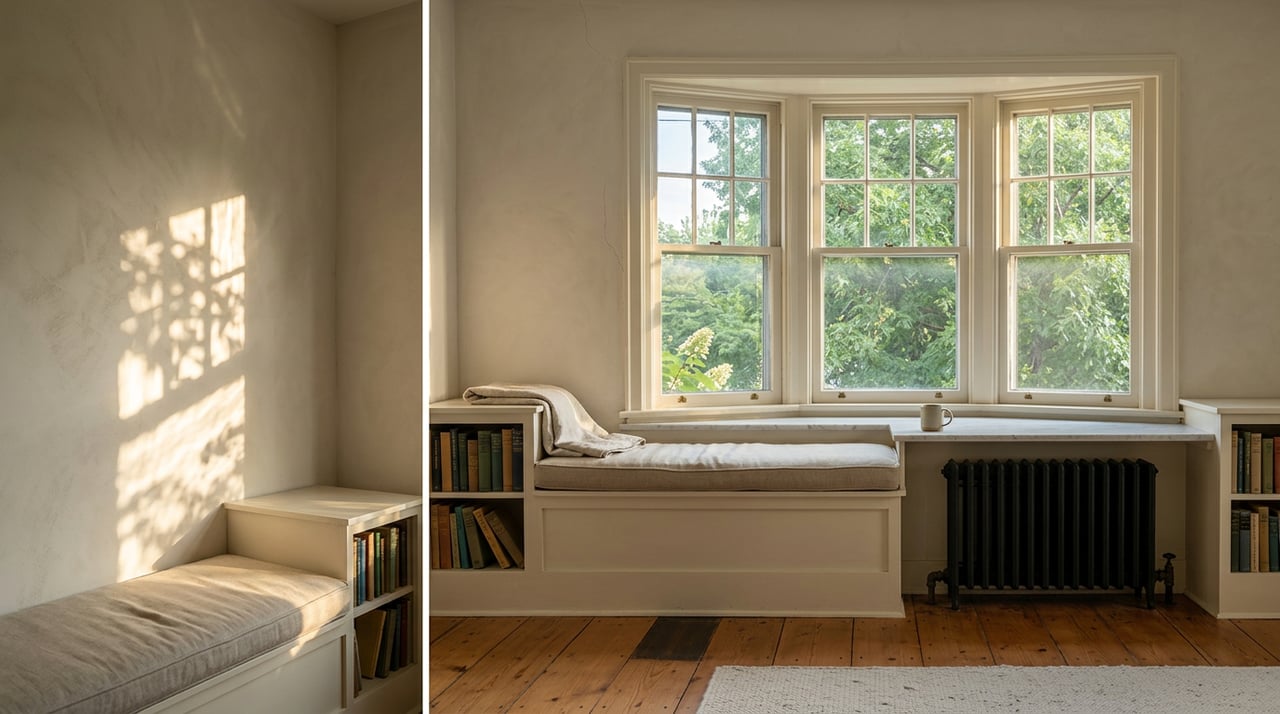
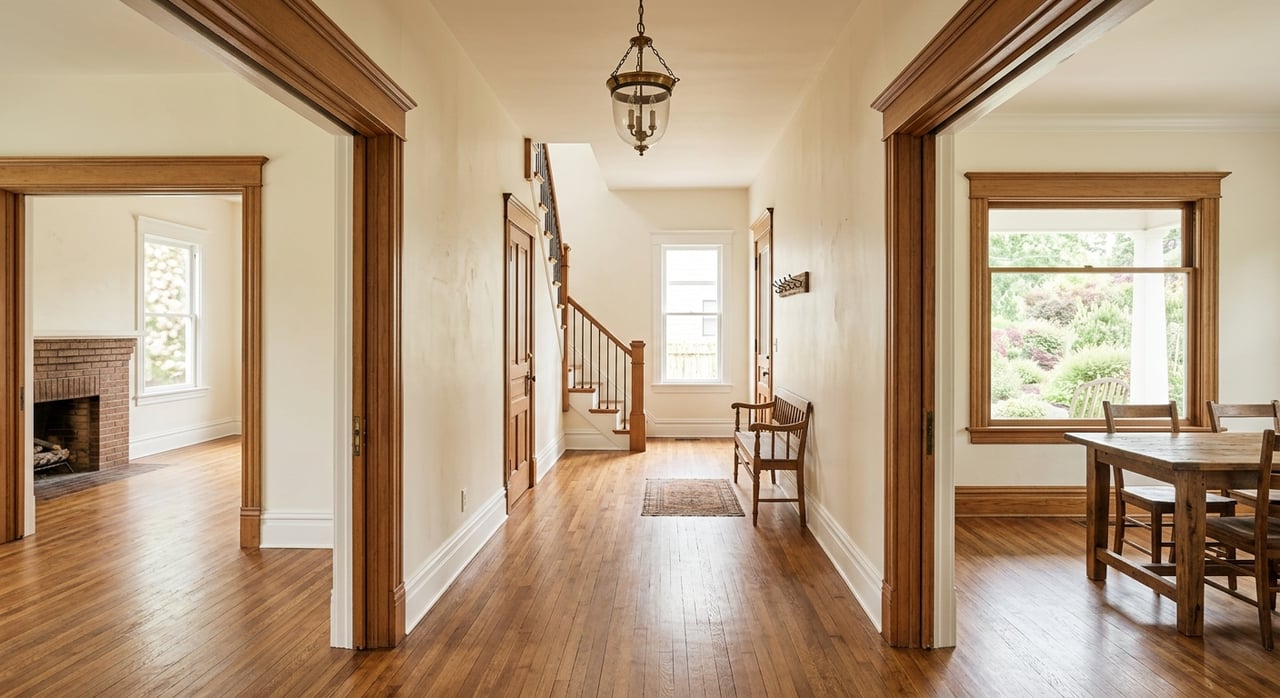
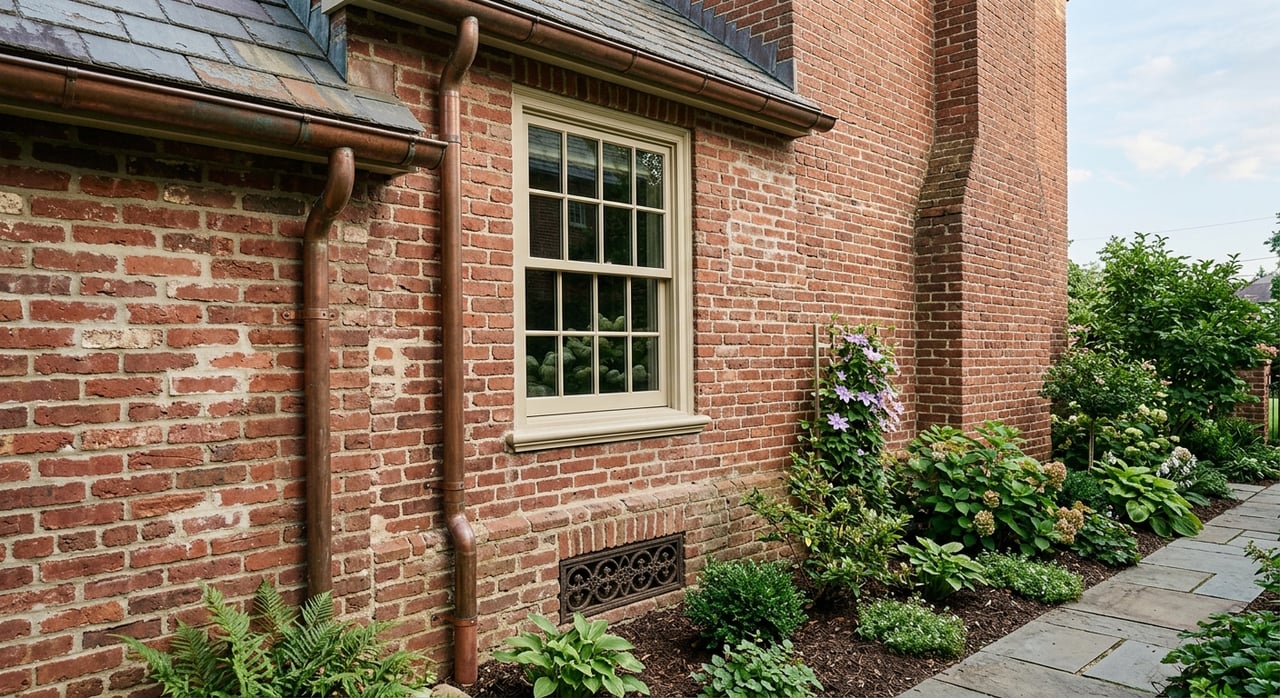
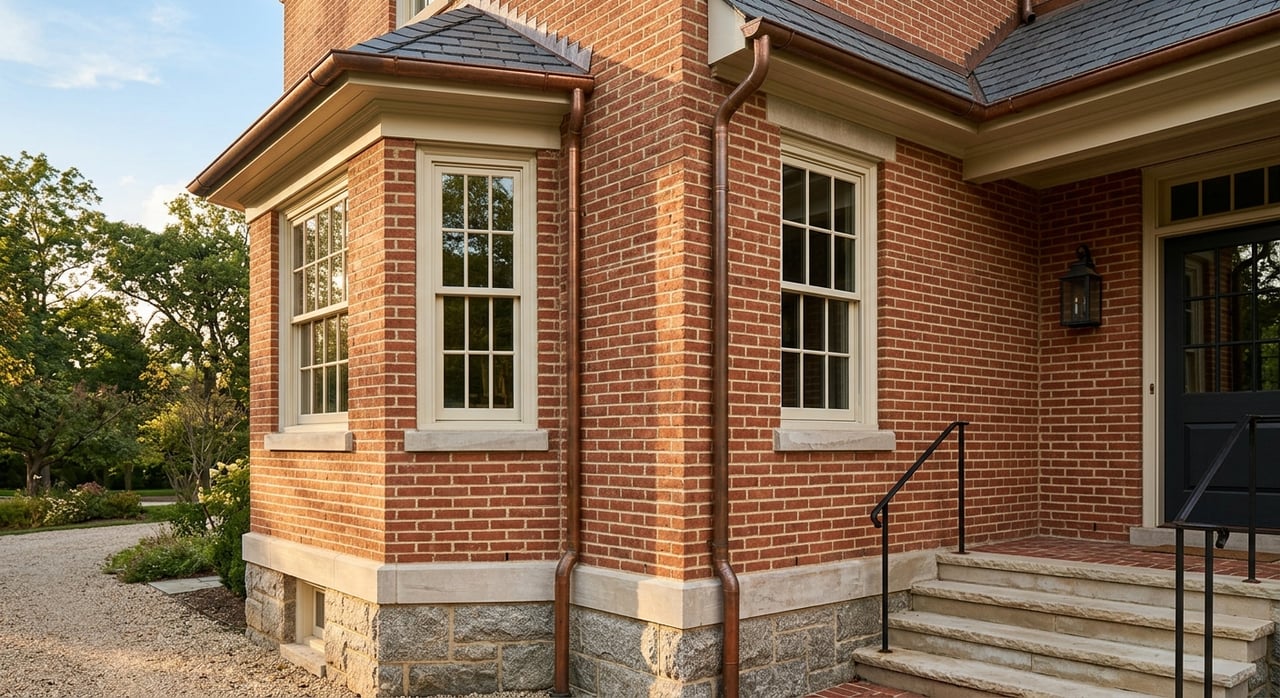
Renovation can also make sense when you want to preserve architectural character. Since Plaza Midwood includes a broad range of early and mid-20th-century homes, many buyers are drawn to details that newer homes do not always replicate in the same way. If the structure is solid, preserving and upgrading that character can align well with current demand.
From a budget standpoint, renovation gives you more room to scale the project. Houzz’s 2026 U.S. Renovation Trends Study reports a median spend of $24,000 for all kitchen renovations in 2025, with major remodels of smaller kitchens at a $35,000 median and larger kitchens at a $55,000 median. The same study puts the median primary bath spend at $15,000, with larger major bath remodels at $30,000 median.
Those numbers do not mean an older Plaza Midwood house will be simple or cheap to update. They do show that there is a wide gap between a room-by-room improvement plan and the cost of building a house from scratch. If your goals can be met by improving layout, finishes, systems, or select square footage, renovation may offer a more efficient path.
When Starting From Scratch May Be the Better Move
A rebuild tends to make more sense when the house has major structural or systems issues, the lot can support a more valuable footprint, and the rules allow the result you want.
This is where larger lots and deeper setbacks can change the math. Along parts of The Plaza corridor, those site conditions may create more flexibility for a larger house, a different layout, or a new design that better fits how you want to live. That does not automatically mean tearing down is the right move, but it can open the door to options that do not exist on a tighter lot.
Market conditions also matter. As of May 2026, Realtor.com reported a median sold price of $975,000 in Plaza Midwood, a median listing price of $877,500, and a median of 28 days on market. Redfin reported a median sale price of $985,668 and a median days on market of about 33.5. While the methodologies differ, both point to strong demand and pricing power.
In a market like that, some owners and buyers will look at a compromised house on a strong lot and see rebuild potential. If the existing structure needs extensive work anyway, the cost and disruption of a deep renovation can start to overlap with the logic of building new.
The Cost Gap Is Usually Bigger Than People Expect
One of the biggest mistakes you can make is treating all renovations as if they belong in the same category. A cosmetic refresh, a mid-level remodel, and a gut renovation are three very different projects.
That distinction matters even more in an older neighborhood. Once walls open up, hidden conditions and code-driven upgrades can expand the scope quickly. What starts as a kitchen update can turn into electrical work, plumbing changes, structural adjustments, or broader systems improvements.
For comparison, the National Association of Home Builders’ 2024 cost survey found an average construction cost of $428,215 for a typical single-family home, or about $162 per square foot, with an average sales price of $665,298. That is a national benchmark, not a Plaza Midwood quote, but it gives you a useful reference point when you compare a deep renovation to a new build.
The takeaway is straightforward. If you can meet your goals with selective improvements, renovation may keep the budget and scope in a more controllable range. If the project is heading toward a near-total rework anyway, it is worth testing whether starting over produces a better long-term outcome.
Timeline and Disruption Matter More Than You Think
Budget is only part of the decision. The other part is how much process and disruption you are willing to absorb.
A straightforward interior remodel is usually less complicated than a teardown and new build. Once demolition, new construction, site work, drainage review, tree preservation review, and zoning compliance all enter the picture, the process becomes heavier and more layered.
Charlotte’s individual residential lot review framework applies to single-family homes, duplexes, triplexes, and quadraplexes and includes drainage, urban forestry, and zoning review. If the property is also in the local historic district, the Certificate of Appropriateness adds another step before work can begin. For major historic district projects, the city specifically offers pre-submittal meetings.
That does not mean rebuilding is a bad choice. It means you should go in with clear expectations. If your household needs a faster, simpler, or less disruptive path, that can push the answer toward renovation.
A Practical Plaza Midwood Decision Framework
If you are trying to decide which path fits a specific property, these are the questions that usually matter most.
Questions That Favor Renovation
- Is the existing structure fundamentally sound?
- Does the home already have architectural character you want to preserve?
- Is the lot relatively tight, with smaller side yards or a modest footprint pattern?
- Can your goals be met through reconfiguration, an addition, or targeted upgrades?
- Do you want a less process-heavy project than a teardown and rebuild?
Questions That Favor a Rebuild
- Does the house have major structural or systems problems?
- Does the lot have the size and setback pattern to support a more valuable footprint?
- Does zoning support the type of replacement plan you have in mind?
- Is the property outside the local historic district, or otherwise positioned for the approvals you would need?
- Are you prepared for a longer, more layered review and construction process?
What This Means for Buyers and Sellers
If you are buying in Plaza Midwood, this is where a surface-level showing is not enough. You want to look past finishes and ask whether the value sits mainly in the existing house, mainly in the lot, or in some combination of both.
If you are selling, the same logic applies in reverse. Some homes are best positioned as move-in-ready character properties. Others may benefit from a focused improvement plan before listing, especially when presentation and layout updates can strengthen value without overbuilding the property.
This is where a practical design and construction lens matters. In a neighborhood with mixed housing stock, active infill, and parcel-specific rules, the best strategy usually comes from understanding the house and the lot together, not treating Plaza Midwood as one simple category.
If you are weighing a renovation, a future build, or the right way to position a Plaza Midwood property for sale, The Eric Layne Group can help you sort through the condition, lot, and value questions with a direct, ROI-focused approach.
FAQs
Is every Plaza Midwood home a candidate for a teardown and rebuild?
- No. Lot size, setbacks, zoning, and whether the parcel is inside the local historic district all affect what is realistic.
Do Plaza Midwood historic district homes need approval for exterior work?
- Yes. In Charlotte's local historic districts, a Certificate of Appropriateness is required for exterior alterations, restoration, new construction, moving, and demolition, with some normal repair and maintenance exceptions.
Are larger lots in Plaza Midwood better for additions or new builds?
- In many cases, yes. The Plaza corridor generally has larger lots and deeper setbacks, which can create more flexibility than smaller interior street lots.
Is renovating a Plaza Midwood house usually cheaper than building new?
- Often, yes, especially for targeted projects. But a deep renovation in an older house can expand quickly if hidden conditions or code-related upgrades are uncovered.
What should Plaza Midwood buyers check before planning a major project?
- Start with historic district status, zoning, setbacks, and the lot’s physical layout. Those factors often determine whether renovation or rebuilding is the better path.