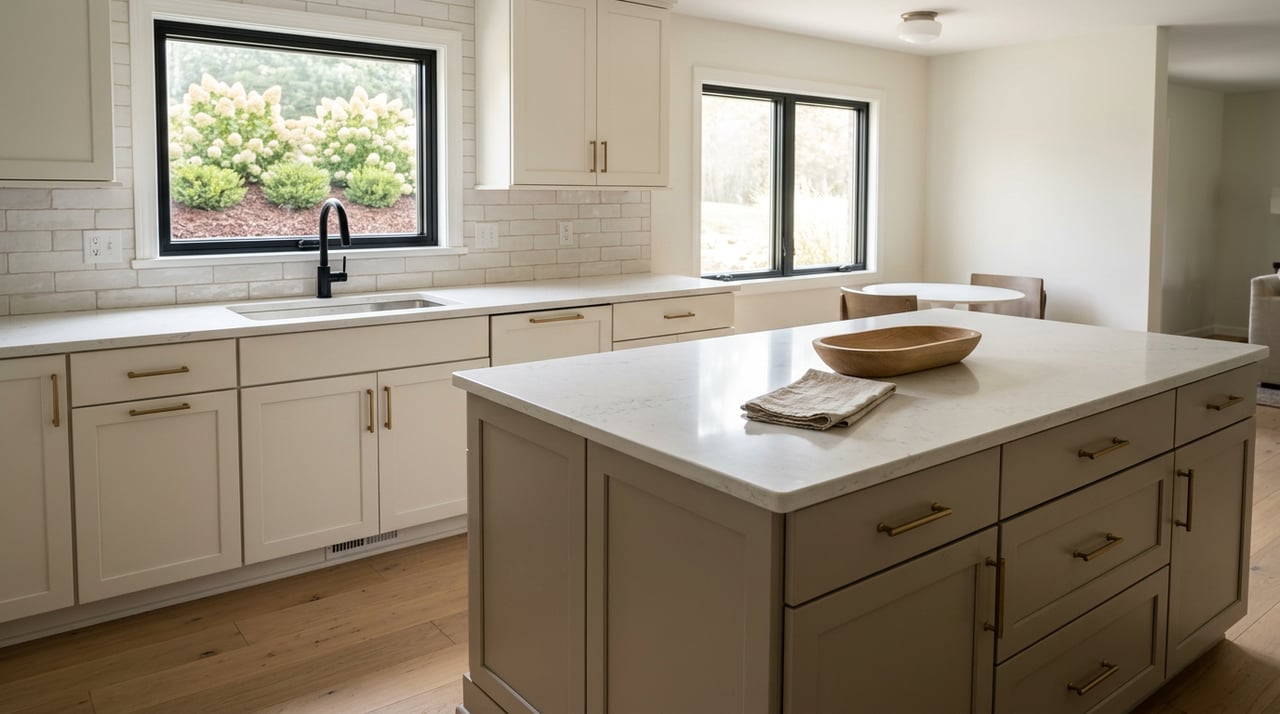
Getting your Cotswold home ready to sell does not have to mean a gut renovation. In a neighborhood where classic mid-century ranches sit next to polished new builds, buyers will compare your home to fresh, high-finish inventory. If you are 6–12 months out, a focused plan can lift your sale price, shorten time on market, and cut last‑minute surprises. In this guide, you will see where to invest, what to skip, how to time projects in Charlotte, and ways to fund prep with little or no upfront cost. Let’s dive in.
Why Cotswold prep matters
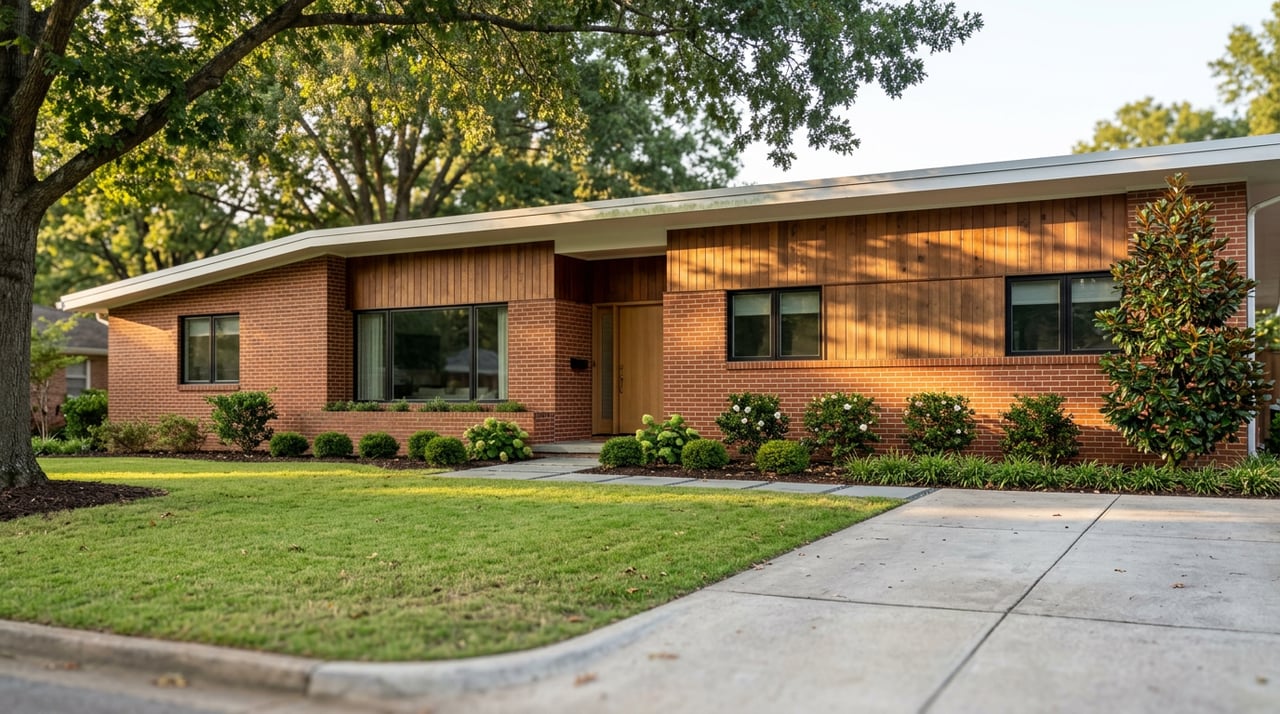
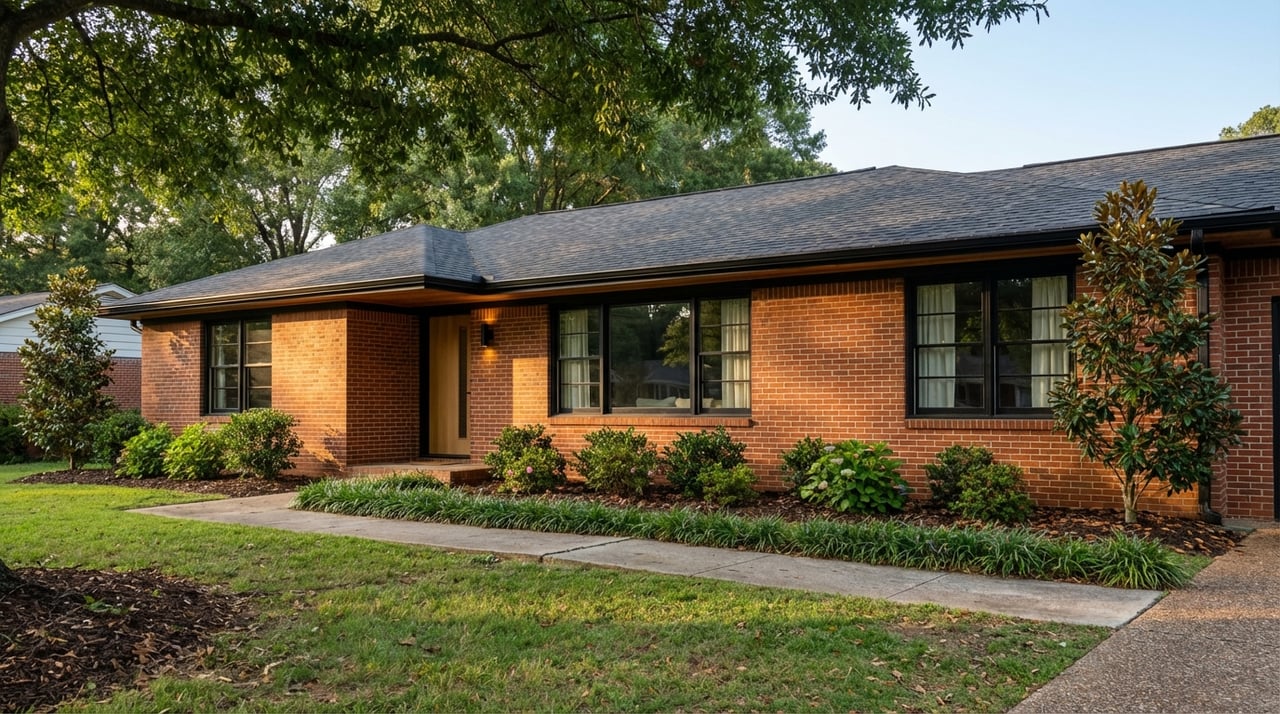
Cotswold’s housing mix spans 1950s–1960s ranches and ongoing infill construction, so presentation and finish level matter. Neighborhood pricing can vary widely by micro‑location and condition. Recent data shows a median sale price around $675,000 as of January 2026, but you should use a fresh local CMA to define your target price band and spending limits before choosing projects. The goal is to compete well with nearby listings, not to overshoot the market with upgrades you cannot recoup.
Step 1: Get your baseline
Nail your CMA and comp ceiling
Start with a detailed CMA focused on your micro‑area. Compare your home to well-presented mid-century renovations and nearby new builds to understand the finish level buyers expect. Use that comp ceiling to set a realistic improvement budget and prevent over‑improving.
Do a pre‑listing inspection
Book a pre‑listing inspection or at least service key systems. Documented roof, HVAC, water heater, and electrical fixes build trust and can reduce concessions later. Many successful sellers share service receipts or inspection summaries with buyers to boost confidence.
Line up a project list
With your CMA and inspection in hand, rank projects by impact and cost. Tackle items that help photos and showings first, then shift to targeted mechanical or layout fixes that support appraisals and negotiations.
Step 2: High‑impact, ROI updates
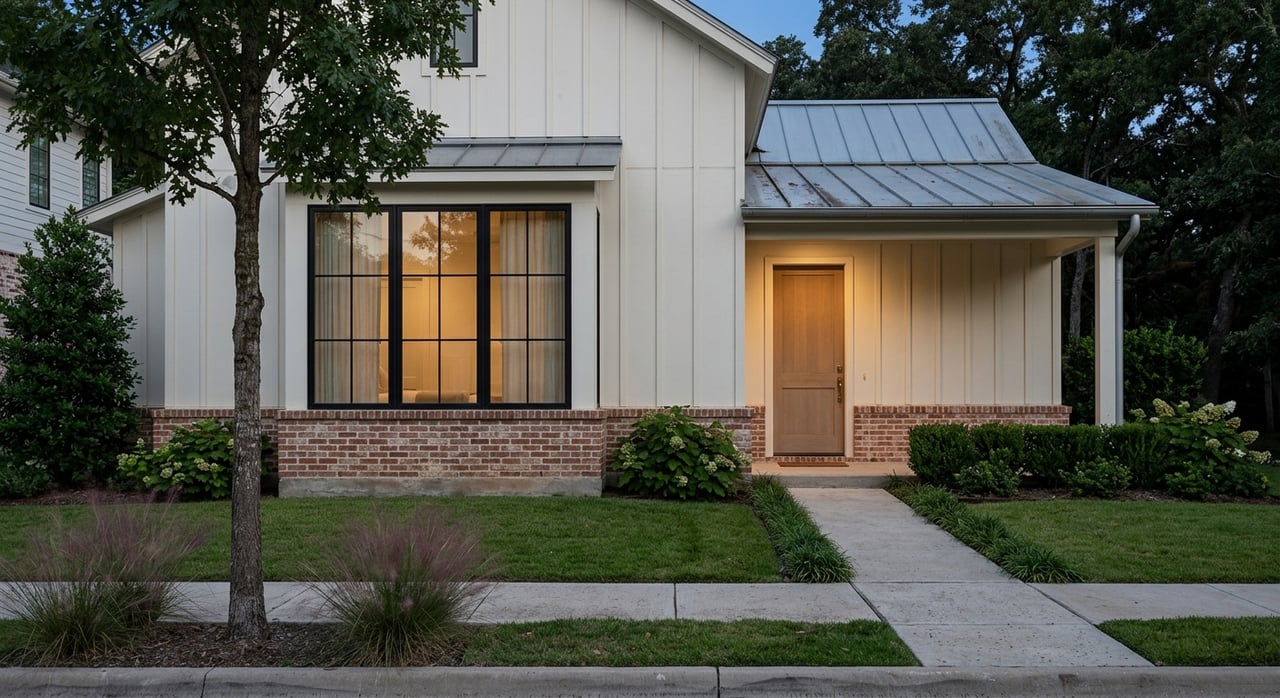
Boost curb appeal
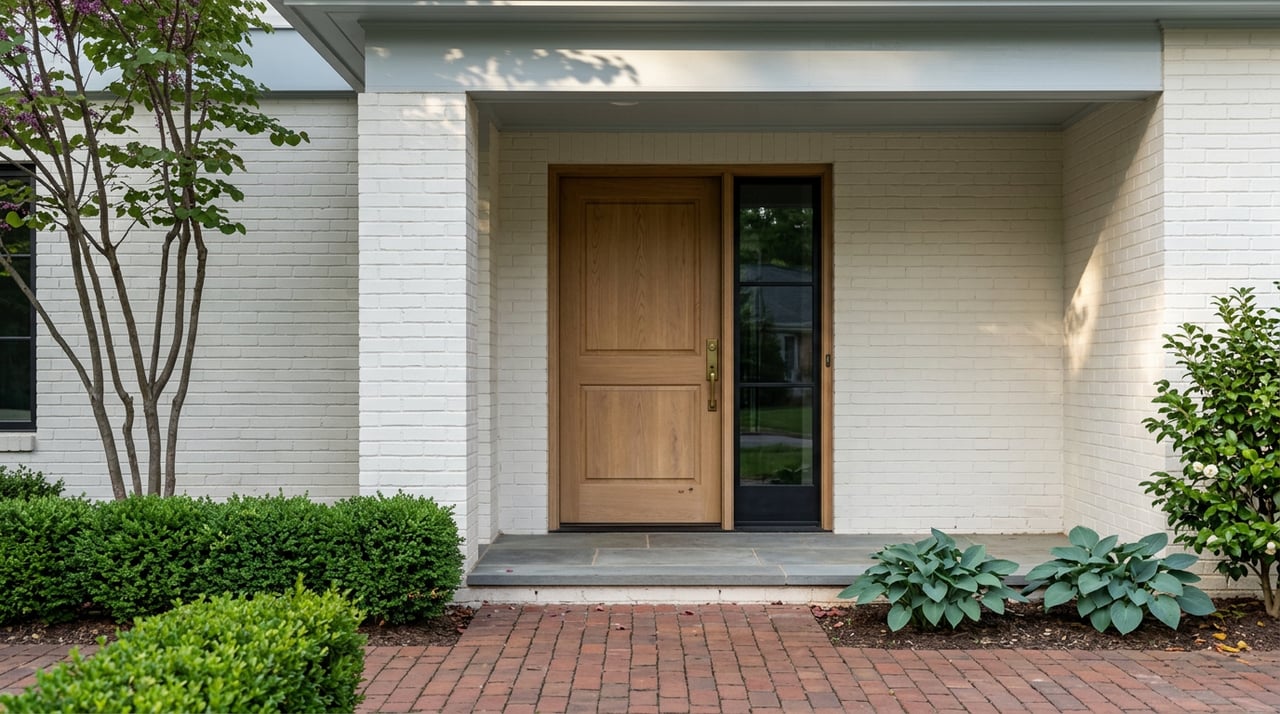
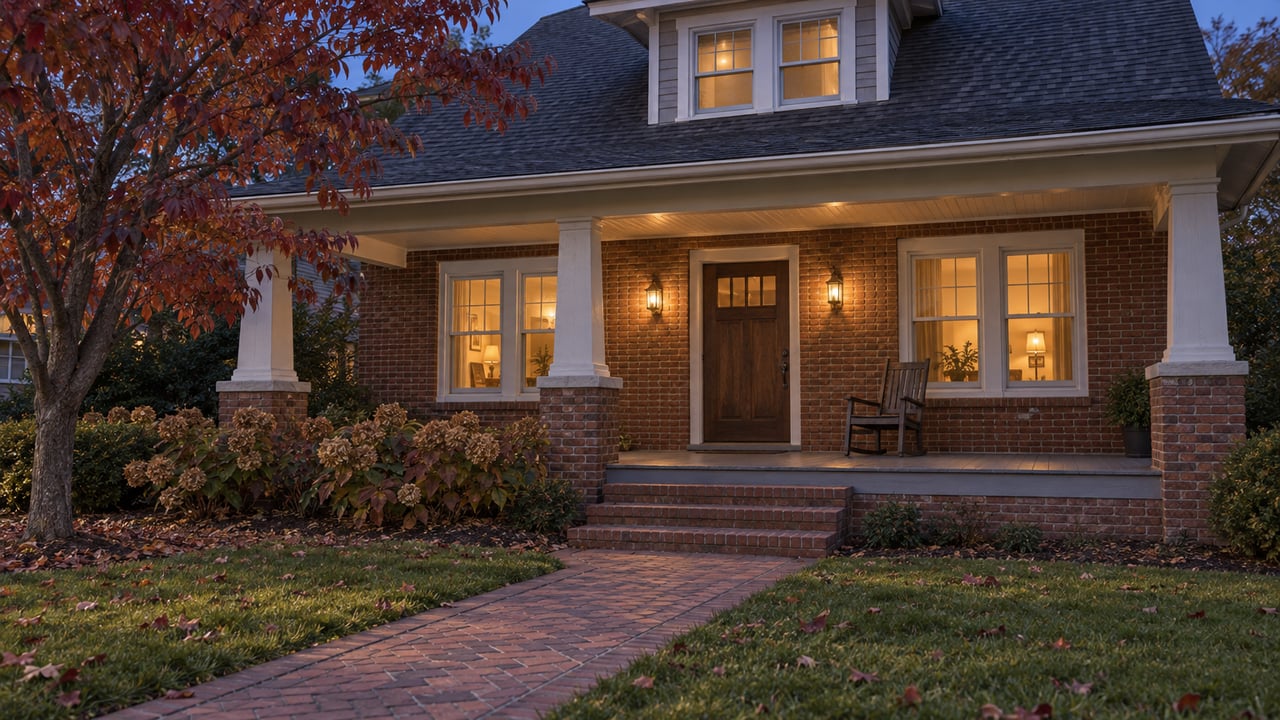
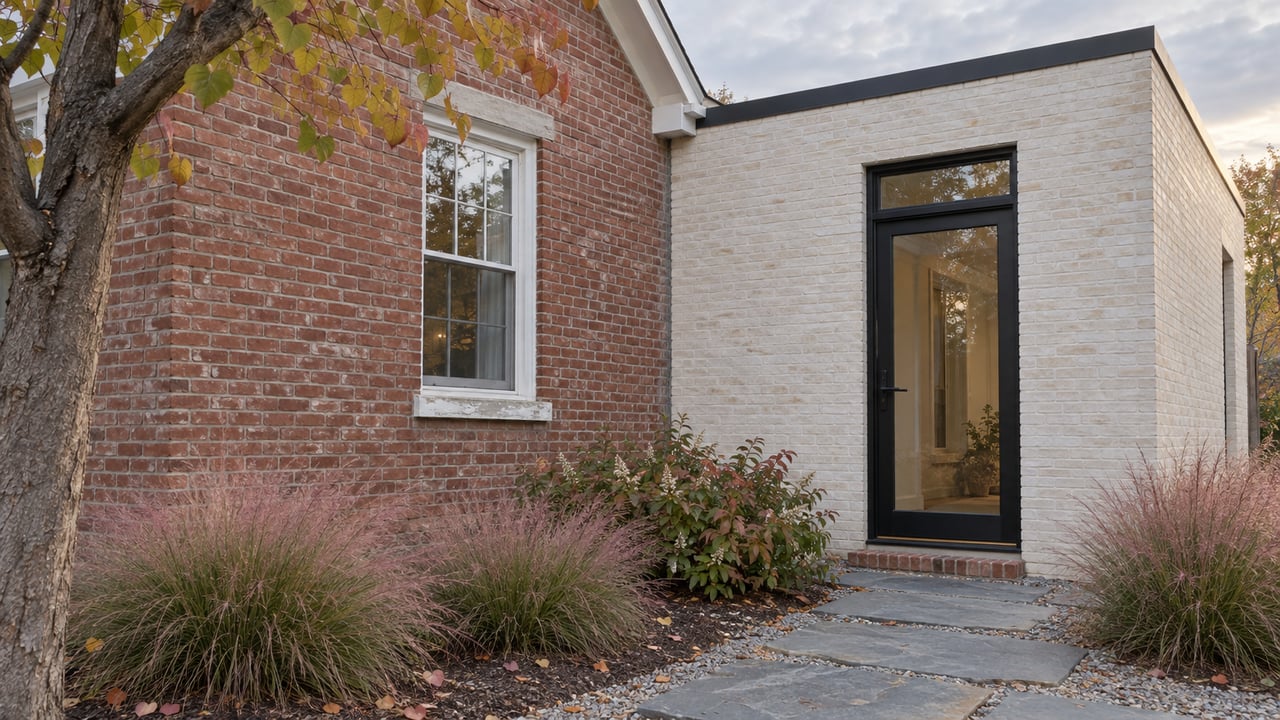
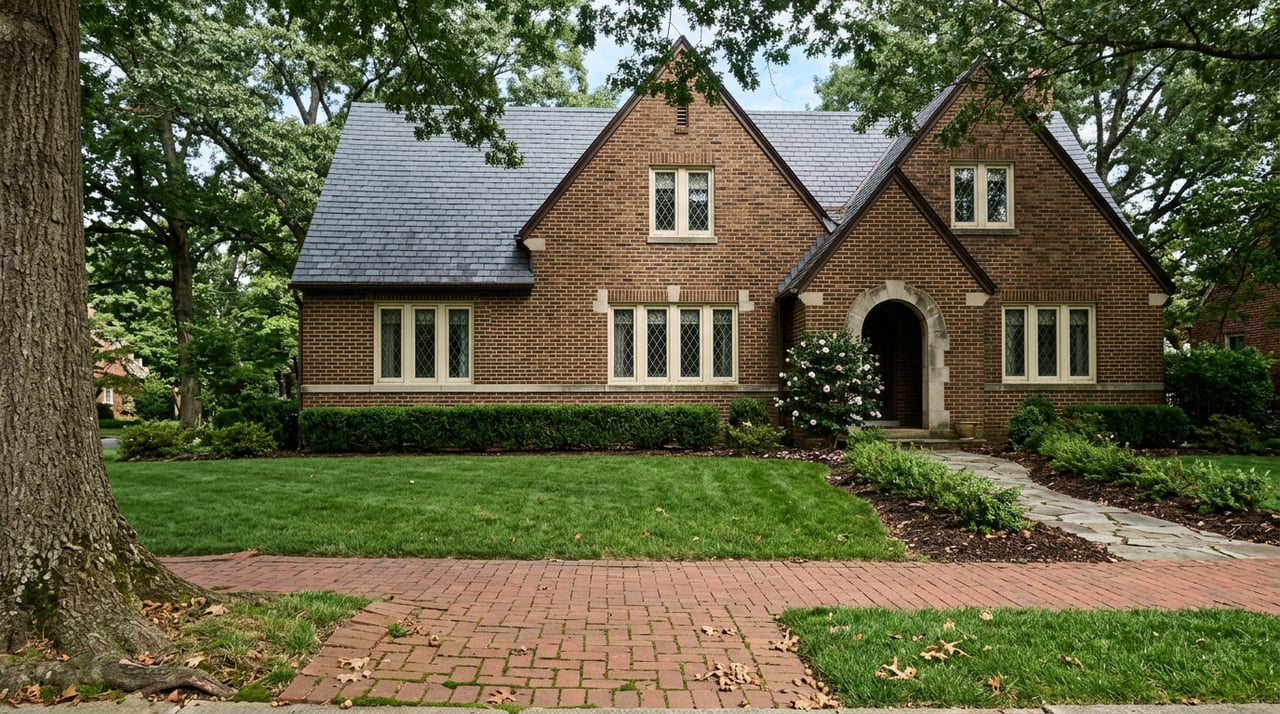
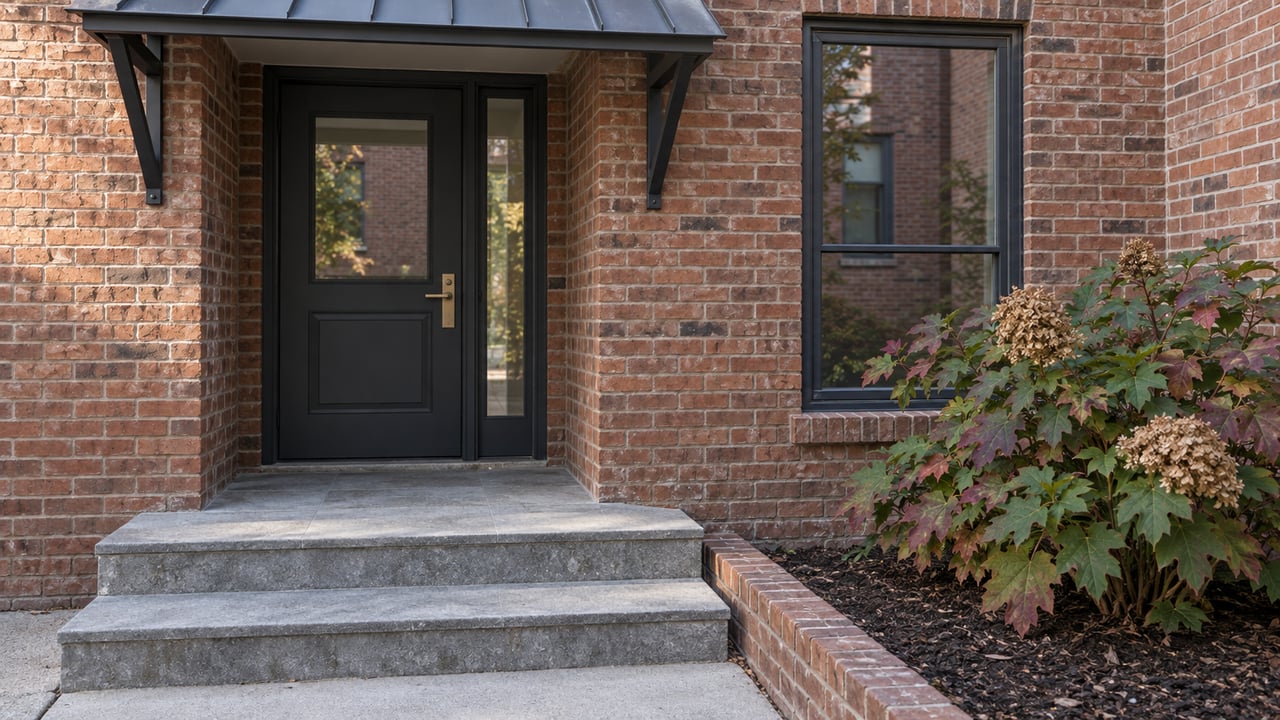
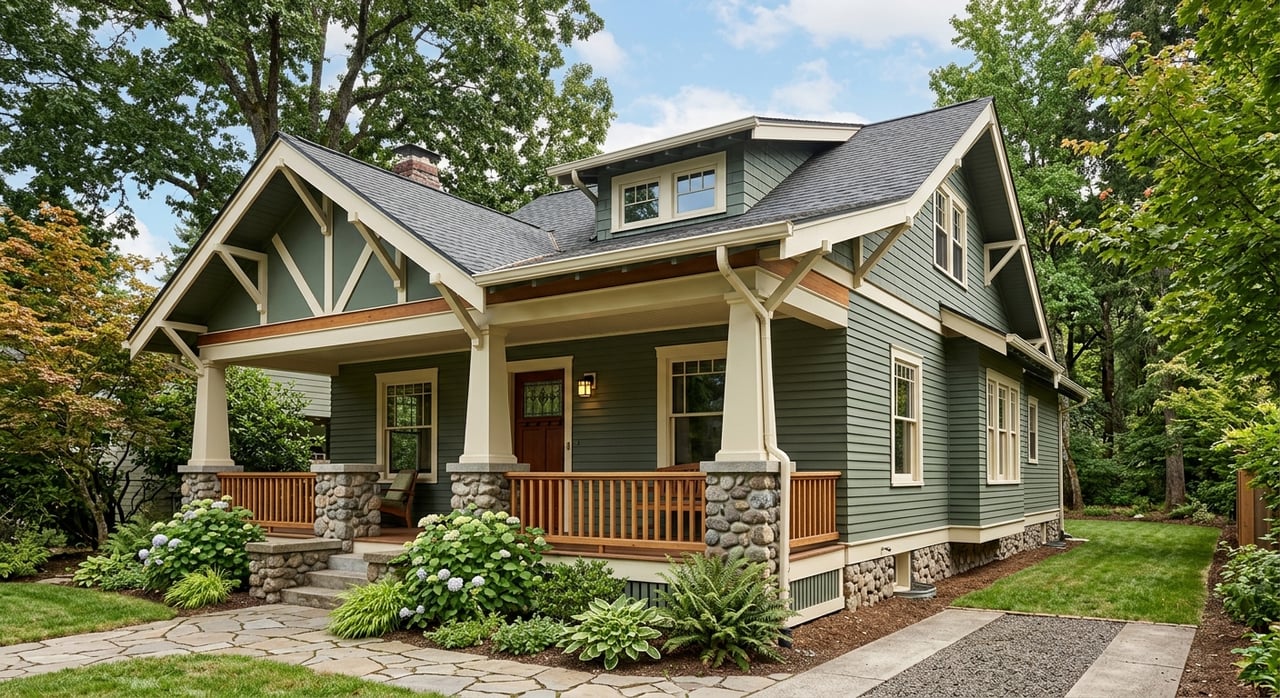
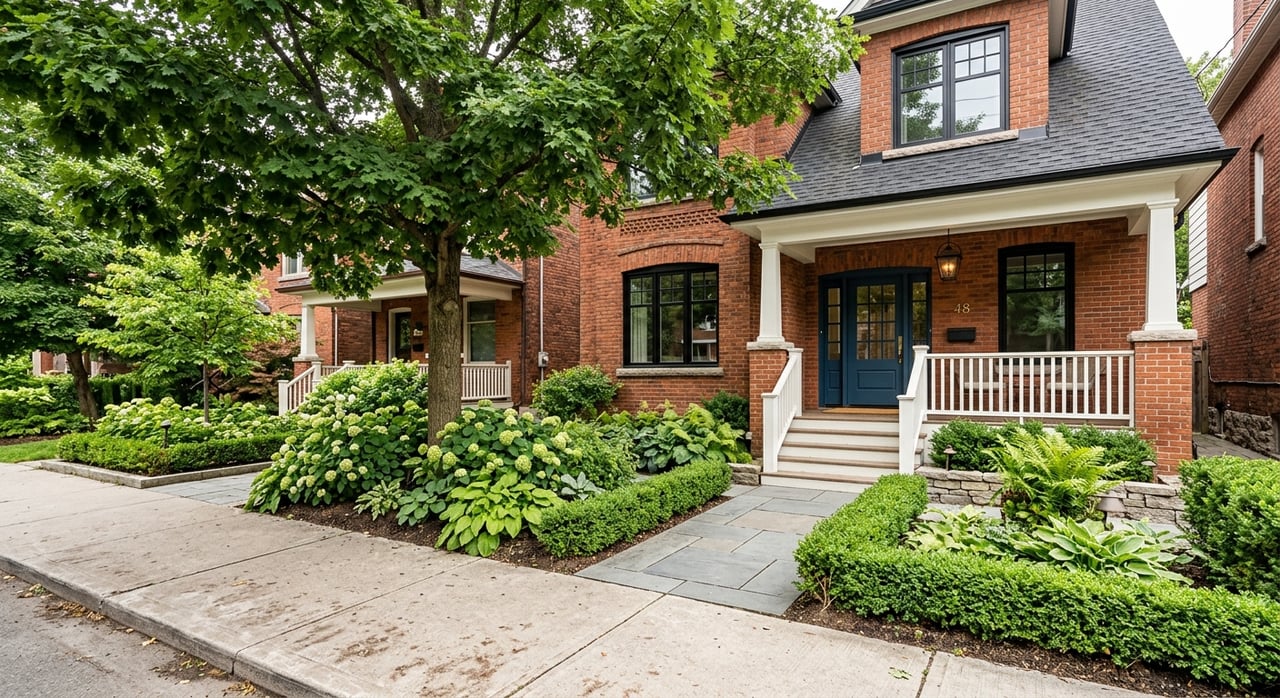
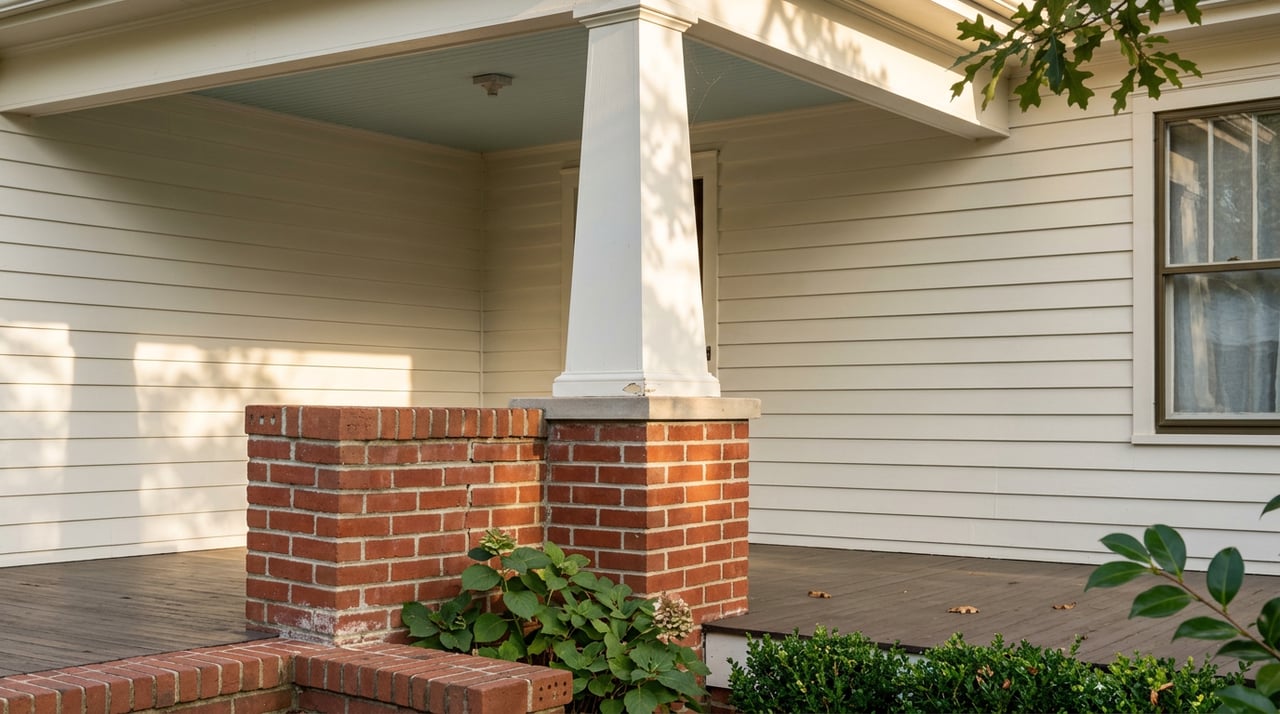
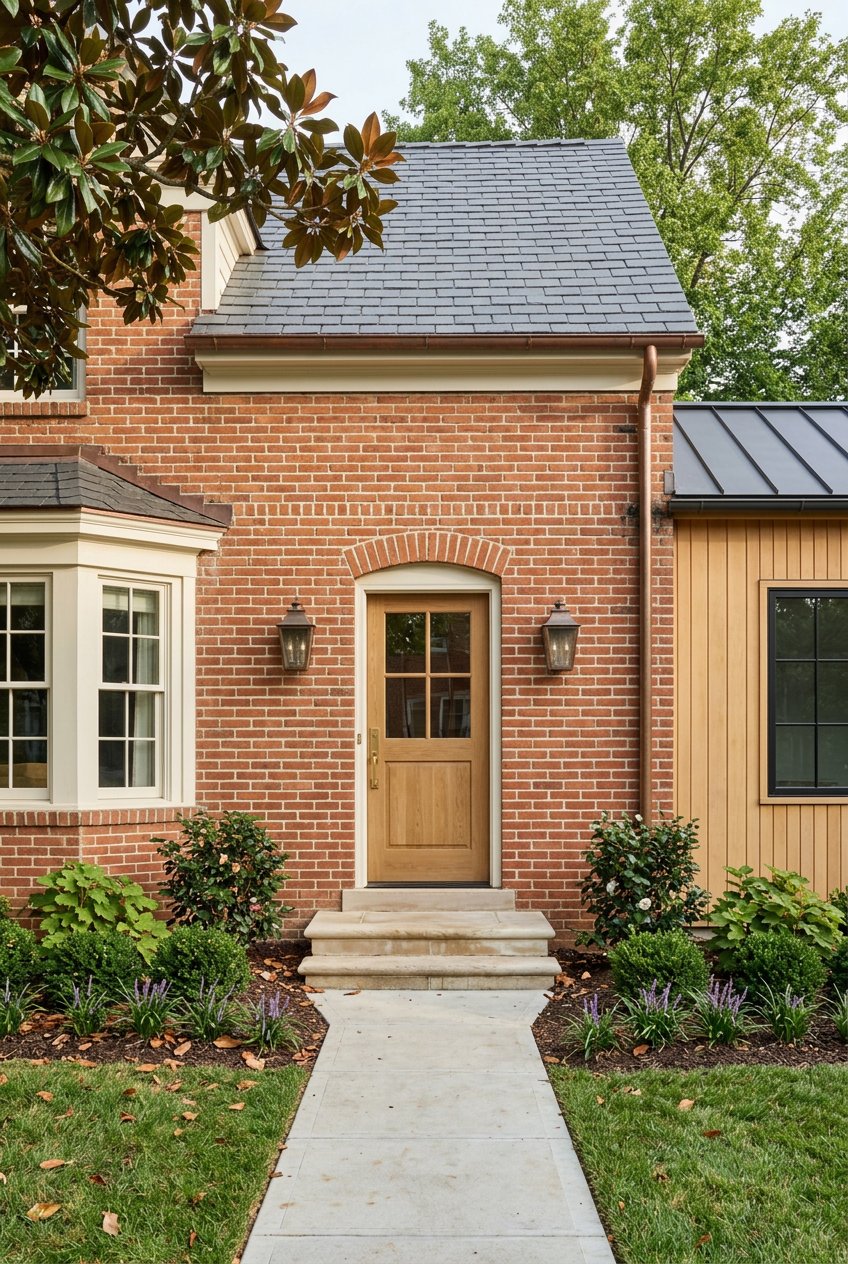
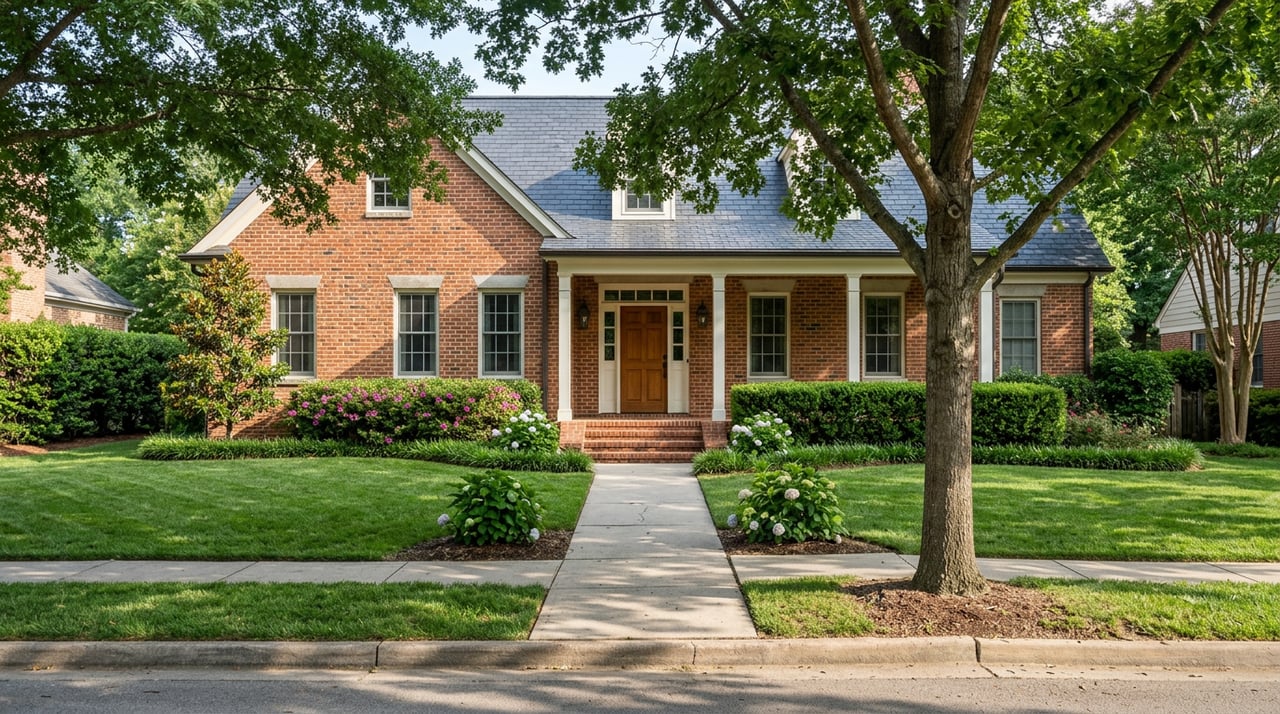
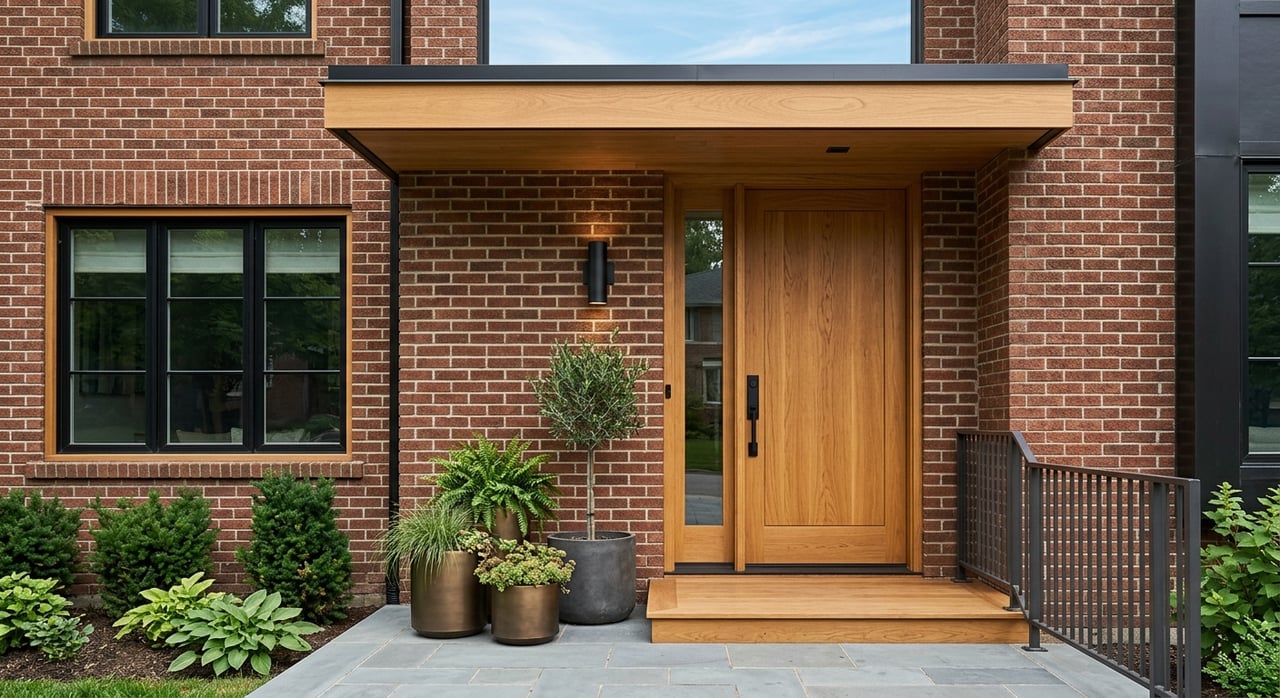
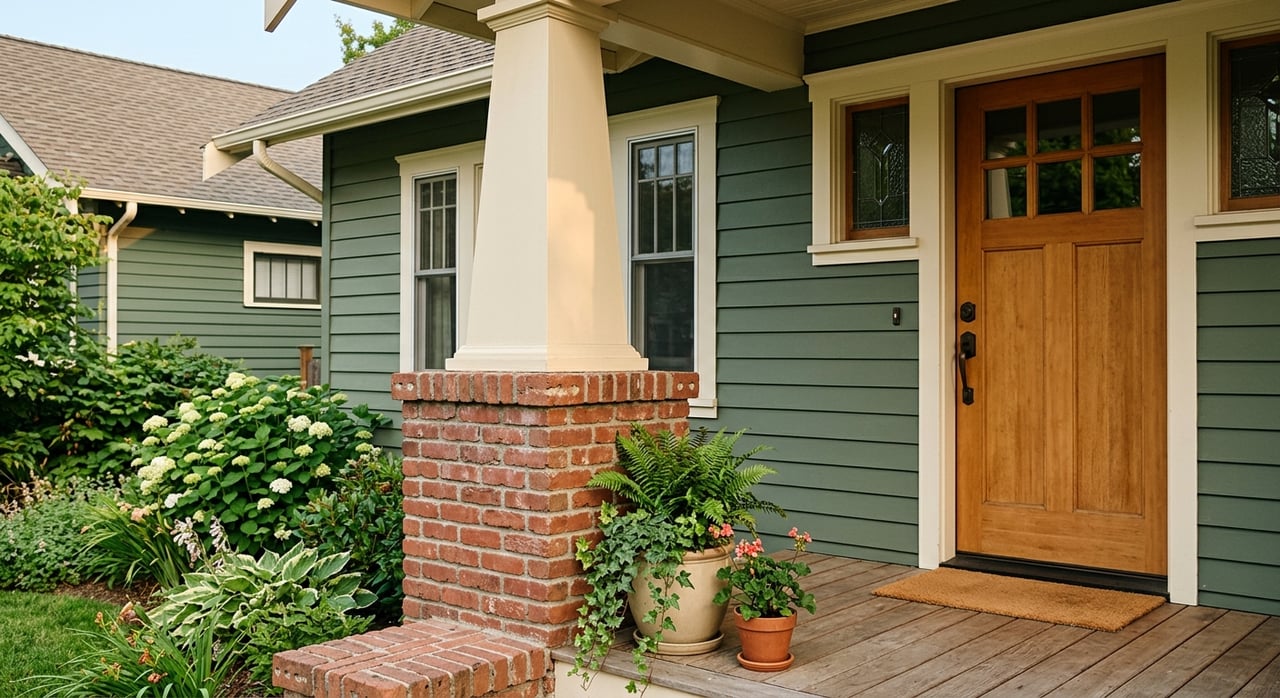
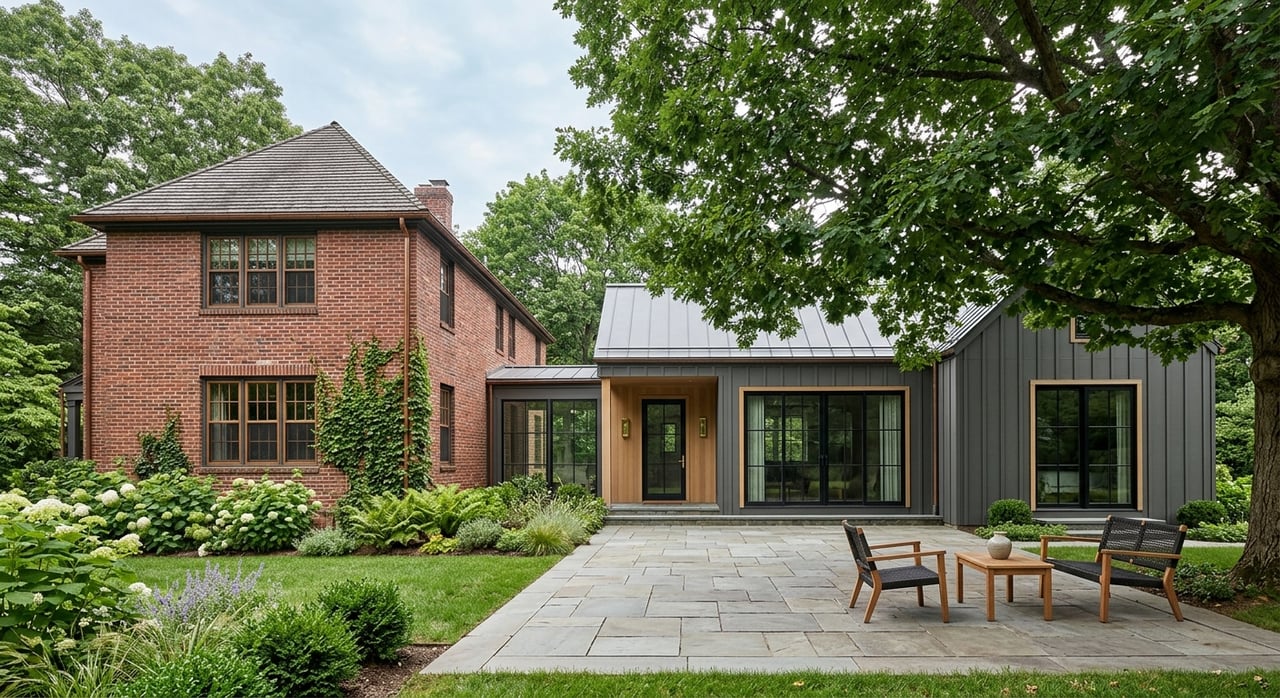
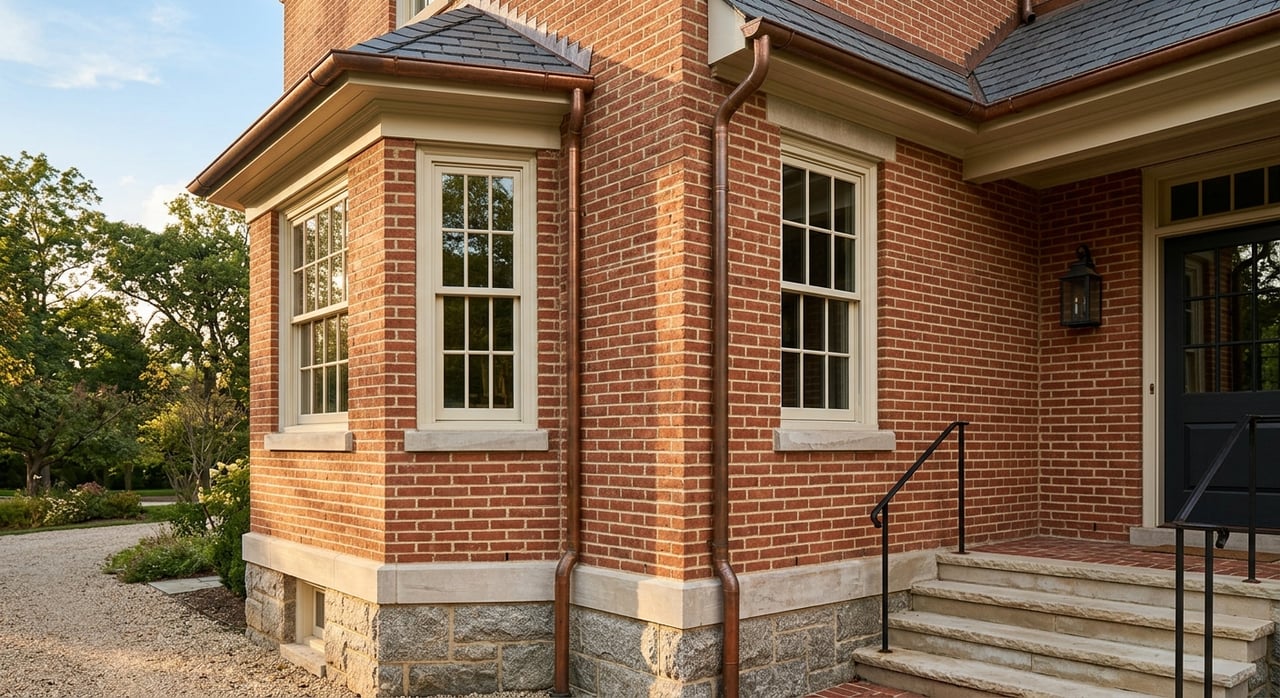
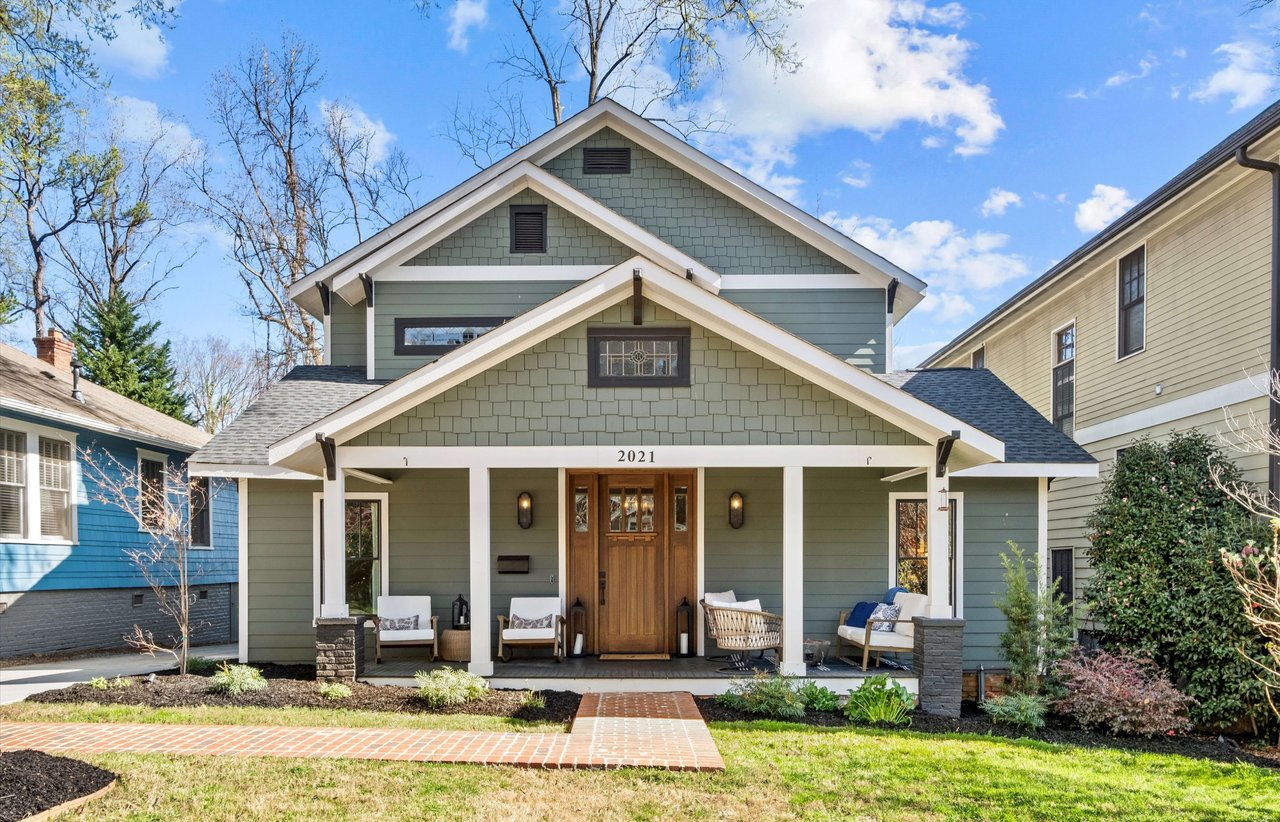
First impressions set the tone online and at the curb. National Cost vs Value benchmarks show that exterior projects often deliver the highest percent of cost recouped. Focus on simple, visible wins: fresh paint on trim and the front door, a clean or replaced garage door, pressure‑washed walks, and seasonal mulch or plantings. You get a quick emotional lift with less disruption, which is ideal before photos and launch. See the latest exterior return trends in the Remodeling magazine Cost vs Value benchmarks.
Refresh kitchens and baths
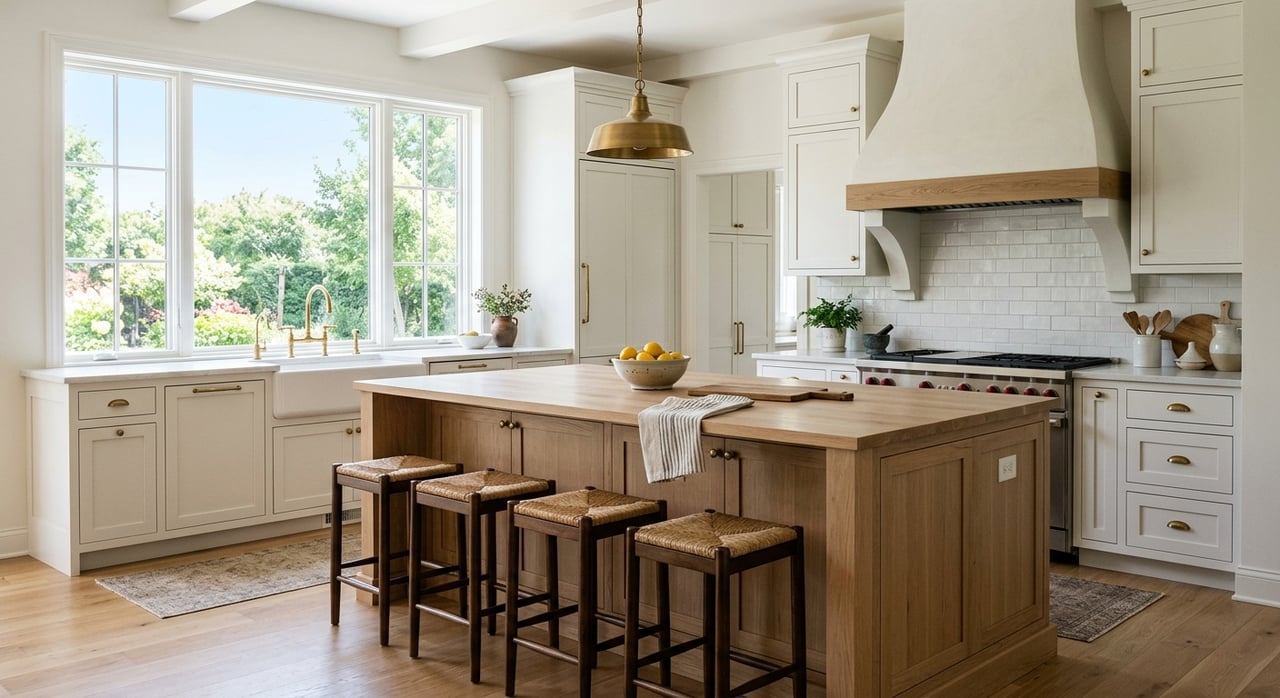
You do not need a full gut remodel to compete. The data consistently favors minor or midrange kitchen updates over major luxury overhauls for near‑term sellers. Consider painting or refacing cabinets, swapping dated hardware, updating counters, and replacing select appliances if they are near the end of their life. For baths, think new vanity, lighting, mirrors, and plumbing fixtures rather than moving walls. According to Cost vs Value, minor kitchen jobs and mid-range baths typically recoup a larger share of cost than upscale remodels.
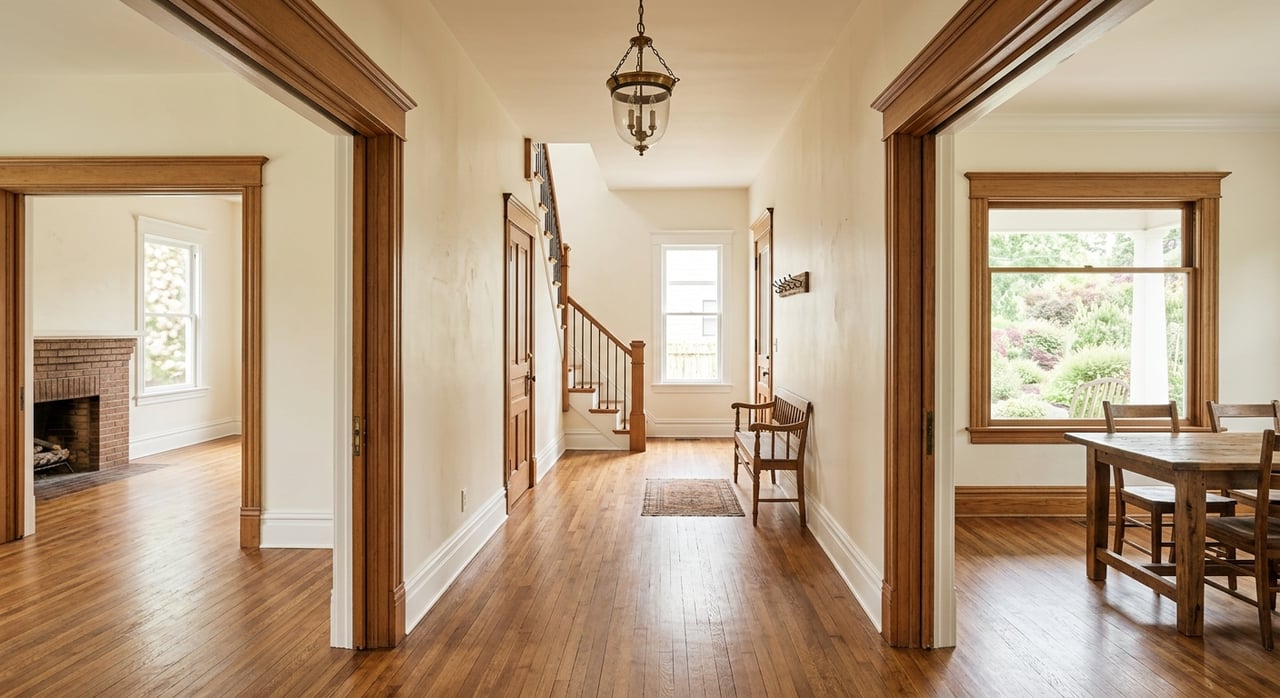
Refinish hardwoods and update finishes
Clean, continuous flooring reads as quality. If you have original hardwoods, refinishing is often one of the top interior value moves and can be completed in days, depending on square footage. Pair floors with fresh neutral paint, new LED lighting, and consistent matte black or brushed brass hardware for a modern, cohesive look. NAR’s remodeling resources note how finish continuity drives buyer perception, so prioritize fixes that unify the home’s feel. You can browse high‑level guidance in NAR’s field guide to remodeling.
Fix safety and servicing items
Buyers notice comfort and safety. Service the HVAC, address slow drains, swap failing GFCIs, and fix roof flashing or gutter issues. Sellers who present recent servicing or independent inspection summaries tend to face fewer last‑minute requests and appraisal surprises. Simple documentation can pay off during due diligence.
Make small layout tweaks and stage
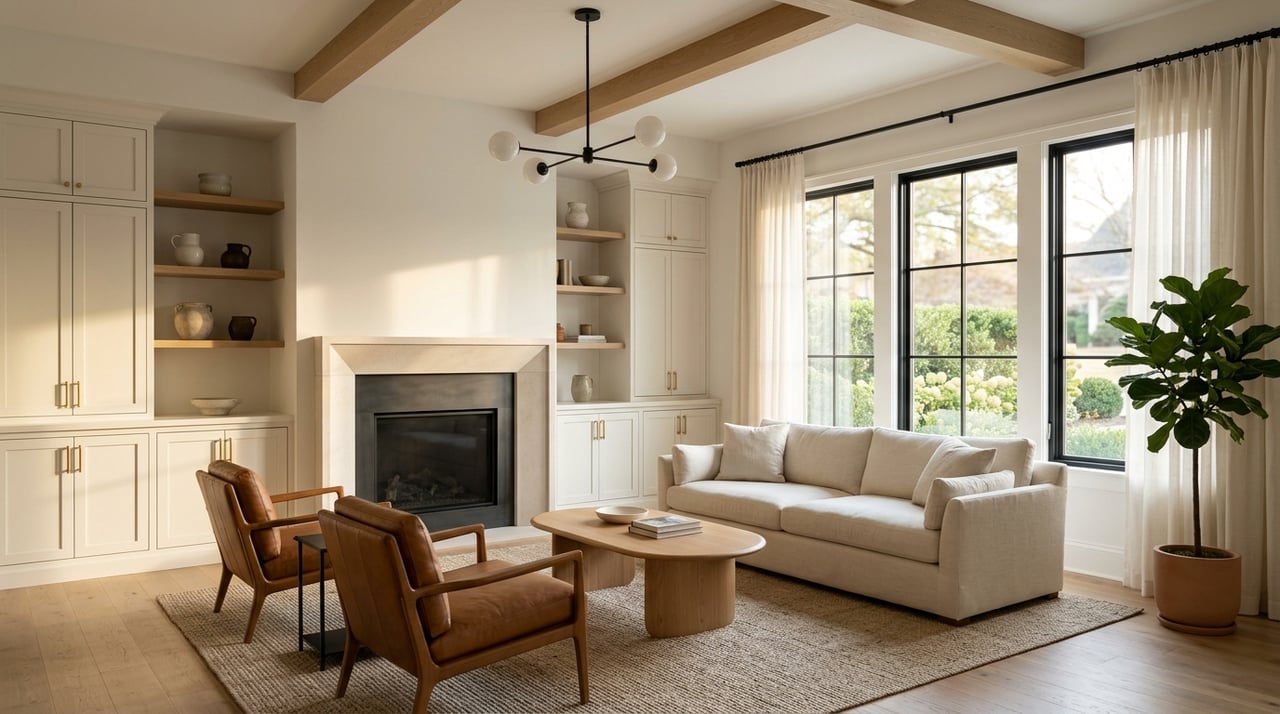
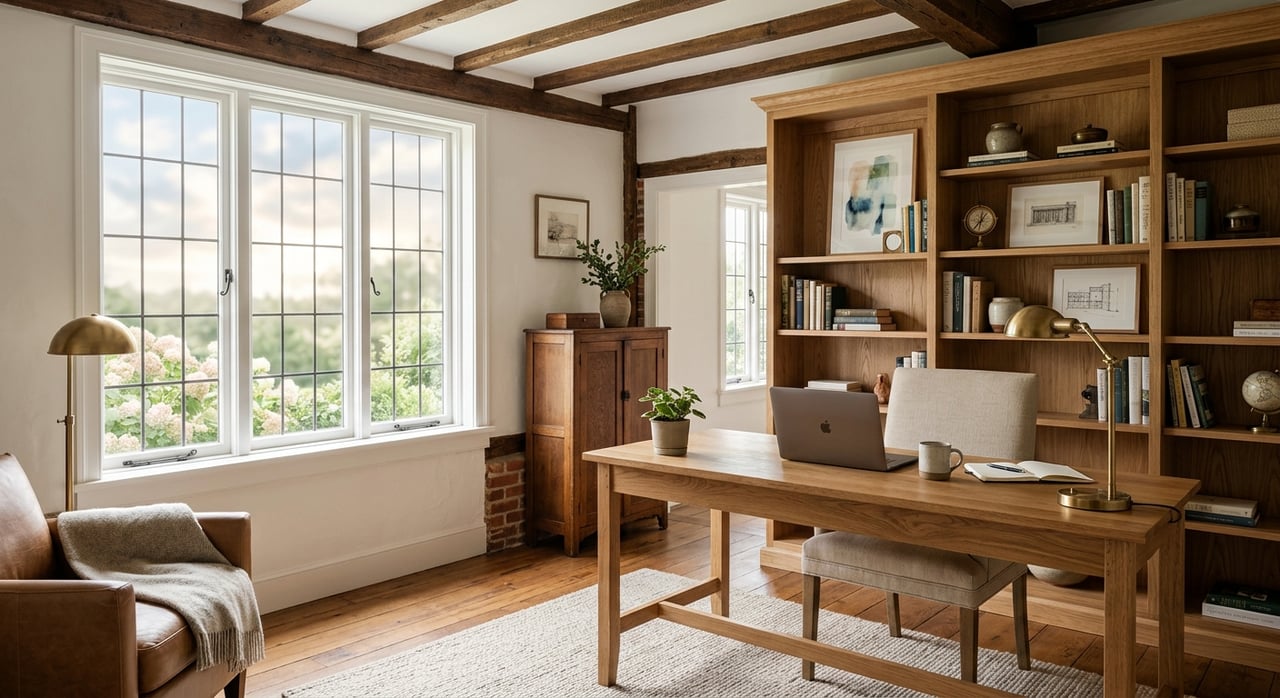
You do not need an addition to improve livability. Removing a non‑load‑bearing partition to open sightlines, standardizing closet systems, or converting an underused room to a flexible office can boost appeal. Then lean on staging to help buyers visualize the flow. Research from NAR shows that staging helps buyers picture themselves in the home and can reduce time on market. Learn more about buyer reactions to staging from NAR’s staging resources.
What to skip or scale back
Avoid ultra‑custom luxury choices that outpace nearby comps. Bespoke kitchens that exceed the finish level of new builds in your micro‑area, major square‑footage additions, or highly personal design statements can narrow your buyer pool and reduce the percent of cost recouped. The Cost vs Value findings consistently show that large additions and upscale overhauls recoup less than well‑targeted midrange work. Let the CMA set your ceiling, then tailor updates to that target.
Timing your prep in Charlotte
Immediate: 1–3 weeks
- Declutter and deep clean.
- Paint interiors in a fresh, neutral palette.
- Fix obvious issues like leaks, torn screens, loose handrails, and burnt‑out bulbs.
- Book professional photography and staging once the refresh is complete. NAR notes that staging, including virtual options, frequently shortens time on market. See NAR’s staging insights.
Short projects: 2–8 weeks
- Interior painting, cabinet painting or refacing, hardware and fixture swaps.
- Countertop updates, modest appliance replacements.
- Refinish hardwoods, refresh landscaping, and exterior paint touch-ups.
- Most of these are single‑trade jobs that can be sequenced with minimal overlap.
Moderate disruption: 6–12+ weeks
- Kitchen reconfigurations, adding a full bath, major system replacements, or structural changes.
- These may require permits and inspections, so weigh cost and timeline against your comps and target list date.
Permits, HOA, and local rules
Cosmetic work like painting, flooring, and simple fixture changes in Charlotte typically does not require a building permit. Structural changes and any electrical, mechanical, or plumbing work generally do. Before you start, confirm requirements with the City of Charlotte and Mecklenburg County. You can find permit basics on the city’s Building Permits page. If your home sits in a subdivision with covenants, request HOA design guidelines early, since exterior changes like fences, hardscape, or visible facade updates may need approval.
Budget guardrails and recoup context
Use national benchmarks for rough order‑of‑magnitude planning, then get three local bids. As a reference point, 2025 Cost vs Value estimates show a minor kitchen project at about $28.5K with strong cost recoup, and a midrange bath around $26K with solid returns. Exterior projects like garage doors, siding, and manufactured stone veneer often post some of the best percentage recoup rates. These are national figures from Cost vs Value; your contractor quotes and CMA should drive the final plan.
Funding your preparation
Compass Concierge
If upfront costs are holding you back, explore Compass Concierge. The program can front eligible pre‑listing costs like painting, staging, landscaping, and certain repairs, with repayment typically handled at closing. Terms and availability vary by market, and some services are offered through a financing partner, so review details with your agent. Get the program overview on the Compass Concierge page.
Bridge options and equity unlocks
If you want to buy first, then sell, bridge programs can reduce timing pressure. HomeLight’s Buy Before You Sell is one example that can help you unlock equity or secure a new home before listing, with fees and eligibility that vary by situation. You can read more on HomeLight’s Buy Before You Sell page.
Know buyer‑side renovation loans
If you decide to leave some updates for the next owner, it helps to know that buyers can finance renovations through their mortgage. Fannie Mae’s HomeStyle Renovation and HUD/FHA 203(k) loans allow qualified buyers to bundle improvement costs into a single loan, which can make a solid as‑is home with a short project list attractive. Learn more about Fannie Mae’s option on the HomeStyle Renovation guide page.
A simple Cotswold plan
- Step 1: Get a CMA and a pre‑listing inspection. Use the numbers to set your budget and prioritize safety and system fixes first.
- Step 2: Tackle high‑impact refreshes. Focus on curb appeal, a minor kitchen and bath tune‑up, refinished hardwoods, and unified finishes. Stage for flow and book pro photography.
- Step 3: Choose a funding path only if it improves your net. Consider Compass Concierge for eligible prep or a bridge option if you need to buy first, then sell. Review fine print and timelines before you commit.
You do not need to rebuild your home to win in Cotswold. You just need a clear plan, the right finish level for your comps, and disciplined execution. If you want a tailored pre‑list strategy, vendor referrals, and help weighing ROI tradeoffs, our team brings a builder’s eye and a marketer’s mindset to every listing.
Ready to prep smart and sell with confidence? Let’s map your plan and timeline together. Connect with the Eric Layne Group at Real Estate Layne. We will help you focus on the changes that matter, avoid overspending, and launch with a strong presentation.
FAQs
What are the best ROI updates for a Cotswold ranch?
- Exterior refreshes like front doors, garage doors, siding touch-ups, and landscaping often deliver strong recoup, while minor kitchen and midrange bath tune‑ups usually outperform major luxury remodels, according to Cost vs Value.
Do I need a permit in Charlotte for pre‑listing work?
- Cosmetic work like painting and flooring usually does not, but structural changes and electrical, mechanical, or plumbing work generally do, so confirm requirements on the city’s Building Permits page before starting.
How much does a minor kitchen refresh cost, on average?
- National 2025 benchmarks suggest about $28.5K for a minor kitchen project with strong cost recoup, but you should use a local CMA and three Charlotte contractor bids to set your real budget per Cost vs Value.
What is Compass Concierge and how does repayment work?
- Compass Concierge can front eligible pre‑listing costs like staging and painting, with repayment typically due at closing or per the Concierge loan agreement, and terms vary by market, so review details on the program’s overview page.
Should I refinish hardwoods or offer a credit instead?
- If floors are sound, refinishing before photos often boosts buyer perception and listing performance, and it can be completed quickly; if timing is tight, a credit can work, but you may leave money on the table since buyers react strongly to finished floors.
Can buyers finance renovations if I sell as‑is?
- Yes, qualified buyers may use products like Fannie Mae’s HomeStyle Renovation or HUD/FHA 203(k) loans to finance improvements within their mortgage, which can make a well‑priced as‑is sale viable; see Fannie Mae’s HomeStyle Renovation guide for details.