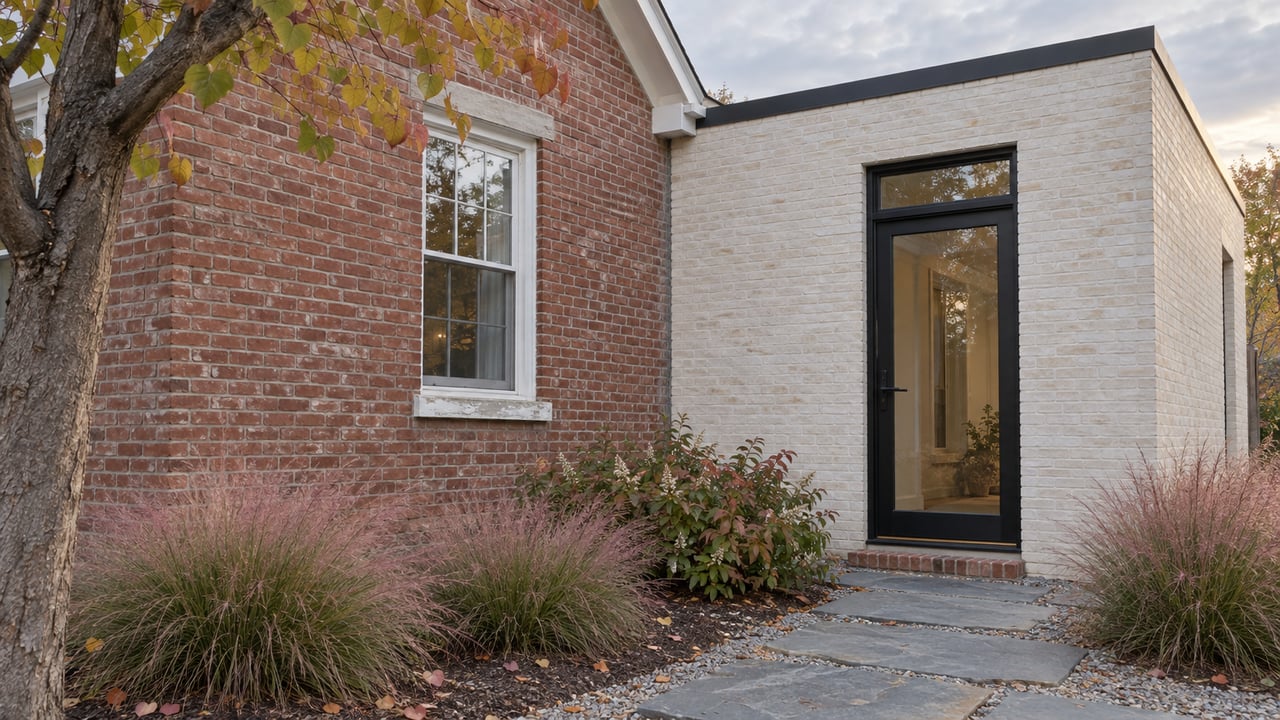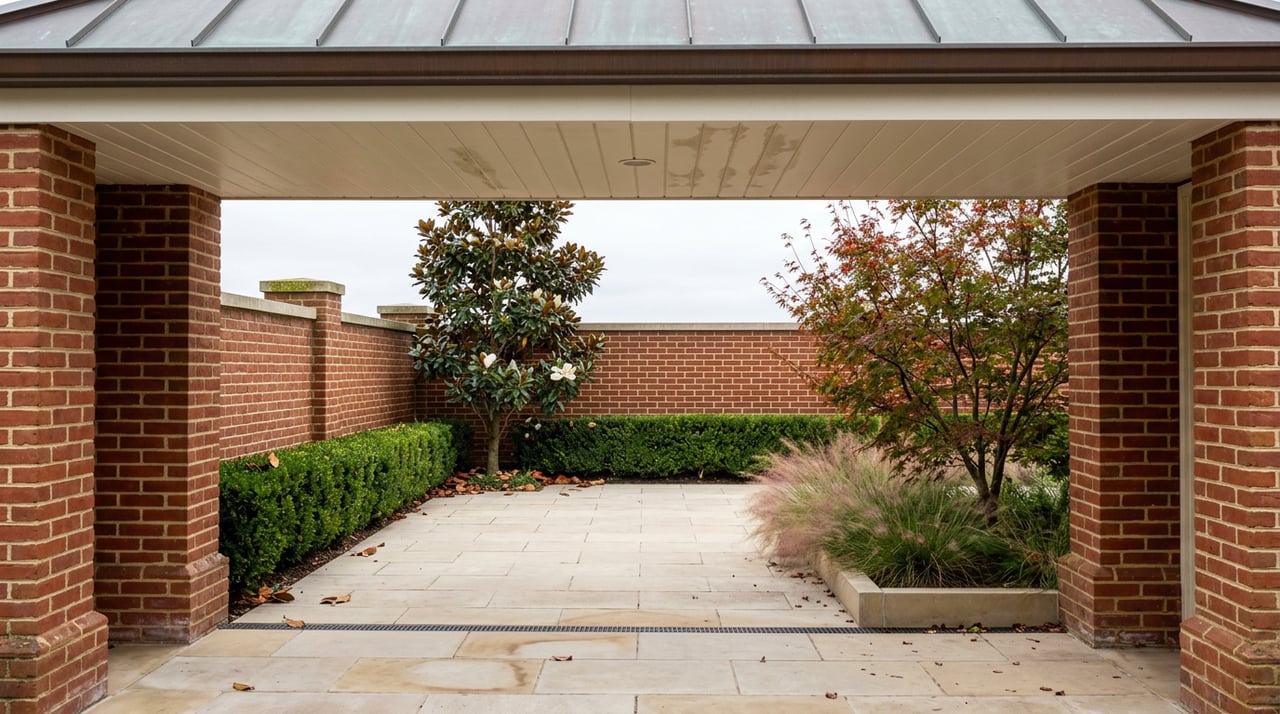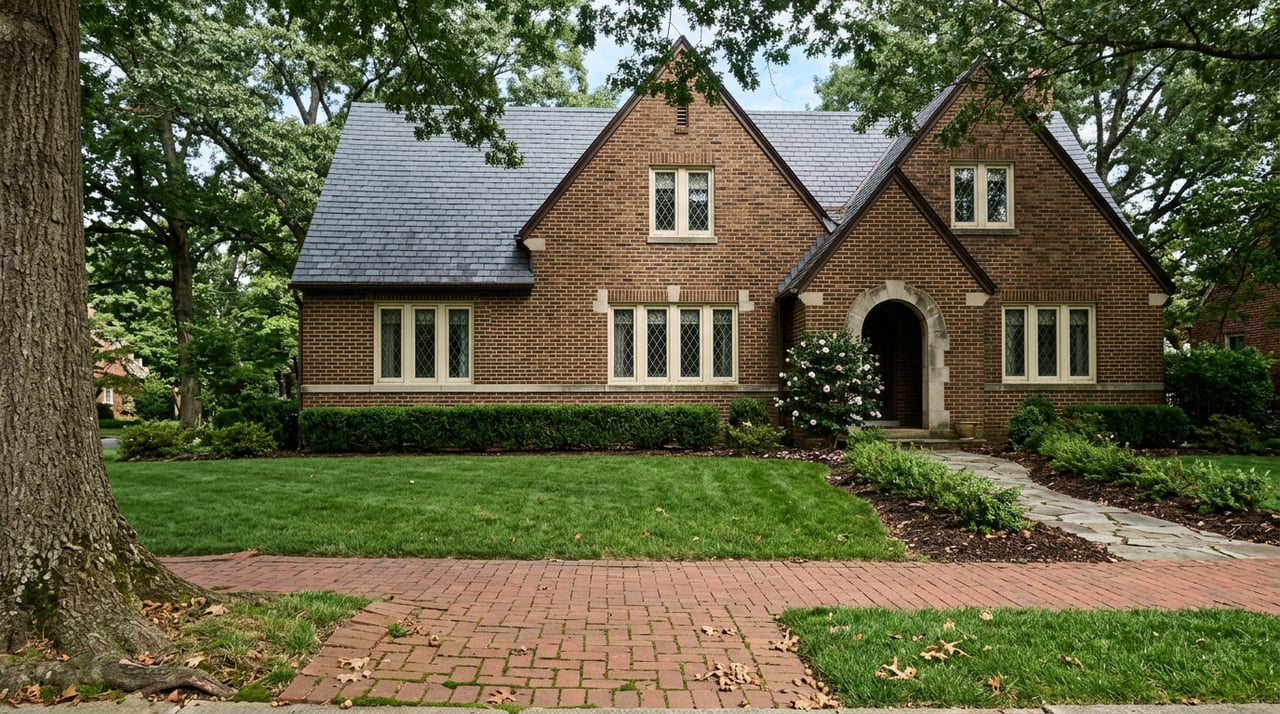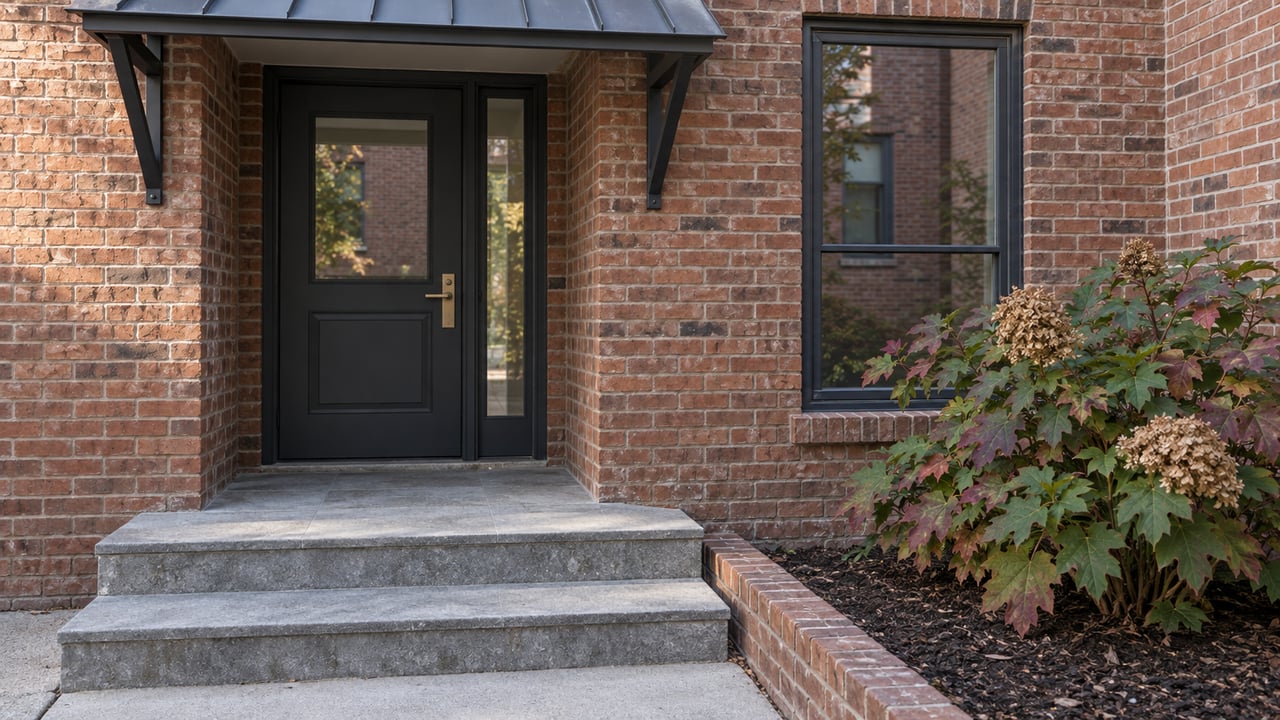
Wondering whether a condo or townhome in South End is the right fit for you? You are not alone. This part of Charlotte offers a fast-moving mix of older industrial conversions, newer mid-rise buildings, and attached homes that can look similar on the surface but work very differently once you own them. If you are thinking about buying here, the real advantage comes from understanding the ownership structure, the association documents, and the day-to-day realities of the block you choose. Let’s dive in.
South End housing has real variety
South End is not a one-note neighborhood. It sits just south of Uptown and grew out of an industrial corridor with freight lines, factories, and warehouses, which helps explain why the area includes both historic conversions and newer transit-oriented development.
That layered history matters when you shop. One property may be in an older brick building with adaptive-reuse character, while another may be in a newer mid-rise community with a very different layout, maintenance profile, and sound experience. According to Charlotte Center City Partners, South End had 8,294 existing residential units in the 2022 development report, with 6,288 more planned or under construction.
Historic Charlotte notes that the Atherton Cotton Mill began construction in 1892, opened in 1893, and was later converted into condominiums and offices. At the same time, recent large projects such as 1427 South Blvd, Hanover South End, and 1933 South Blvd show that the area is still actively building. For you as a buyer, that means your options can vary widely in age, design, and upkeep demands.
Condo vs. townhome matters in NC
Before you fall in love with finishes, make sure you know what you are actually buying. In North Carolina, condominiums are governed by Chapter 47C, while many townhome communities are organized under Chapter 47F.
That legal structure affects how the community is run. Under both chapters, associations can adopt rules, budgets, reserves, and assessments. In simple terms, two attached homes in South End may look similar online but come with different ownership responsibilities, document packages, and association obligations.
For newer condominium offerings, North Carolina law requires a public offering statement that includes a current or projected association budget and a statement about reserves for repairs and replacement. That is an important clue about how the building plans for future costs.
Read dues as an ownership cost
Monthly dues are easy to misunderstand. Many buyers focus only on the number, but the smarter move is to look at what the dues actually cover and how the association plans for future repairs.
In practice, dues may relate to common-area upkeep, exterior maintenance, insurance, reserves, and shared operating costs, depending on the community documents. That means a higher monthly fee is not automatically bad, and a lower fee is not automatically good. What matters is whether the budget and governing documents support the actual needs of the property.
If you are comparing a condo and a townhome in South End, ask the same basic question every time: What am I personally responsible for, and what is shared? That answer can shape your monthly budget, future repair exposure, and resale comfort.
Request the right documents early
In North Carolina, the seller must provide the standard disclosure statement under the Residential Property Disclosure Act. Where applicable, the seller must also provide the owners’ association and the mandatory covenants disclosure statement.
That disclosure can reveal issues buyers should not ignore. It may include surface transfer-related fees charged by the association or management company, unsatisfied judgments, and pending lawsuits involving the association.
For a South End condo or townhome purchase, the most useful document set usually includes:
- The declaration
- The bylaws
- The current budget
- Reserve information
- The insurance summary
- Any records of pending assessments
- Any known litigation involving the association
This is where a lot of risk becomes visible. If the paperwork feels thin, vague, or inconsistent, slow down and get clear answers before you close.
Inspect beyond the finishes
South End has plenty of homes with strong visual appeal. That is great, but polished interiors can distract you from bigger questions about condition, maintenance responsibility, and build quality.
The North Carolina Real Estate Commission says buyers should investigate the property with inspections, a survey, an appraisal, a title search, and a loan review. It also emphasizes that a home inspection is visual and not exhaustive, which is a good reminder that one report does not answer every question.
Even newly constructed homes should be inspected. If a general inspector raises concerns, the Commission notes that you may need follow-up from structural, plumbing, or electrical professionals.
For South End condos and townhomes, pay especially close attention to:
- Water intrusion
- Exterior-envelope responsibility
- Sound transfer between units
- HVAC age and location
- Garage or parking drainage
- Repeated repair history that may point to a larger issue
This is where a design and construction lens helps. A clean lobby and nice kitchen do not tell you whether a building has handled water well, whether shared systems are aging, or whether a past repair solved the root problem.
Know who maintains what
One of the biggest surprises in attached housing is maintenance responsibility. You should not assume that roofs, siding, balconies, parking areas, or drives are handled the same way from one community to the next.
Buyers of townhomes should also verify whether streets, drives, or common parking areas are private. The North Carolina Real Estate Commission warns that some buyers only discover after closing that subdivision streets are private and that owners share the maintenance burden.
That means you want direct answers to questions like these before you commit:
- Who maintains the roof?
- Who handles exterior walls or siding?
- Who is responsible for balconies or decks?
- Are parking areas common elements?
- Are streets or drives public or private?
These details are not minor. They affect both your monthly costs and your long-term exposure to repair bills.
South End transit can shape daily life
Transit access is a major reason people want to live in South End. The neighborhood is closely tied to the Blue Line corridor, and CATS says the area between Remount Road and Tremont Drive has grown dramatically since the Blue Line opened in 2007.
CATS also says the South End Station project will add a new station, track crossing, Rail Trail segment, and pedestrian improvements between East/West and New Bern stations, with service aimed for 2028. At the same time, the agency notes that single-tracking and Rail Trail closures are already part of the construction phase.
For you, this means convenience and tradeoffs often come together. Easy station access can be a real advantage, but active transit segments and nearby construction can also affect noise, access patterns, and the feel of a specific block.
Block-by-block feel matters
South End is busy, social, and mixed-use. Charlotte Center City Partners describes the district as having a concentration of dining, breweries, coffee shops, art, murals, and retail, which is a big part of the appeal.
It also means the living experience can change a lot from one building to the next. Noise, foot traffic, and access conditions can vary based on proximity to South Boulevard, transit activity, construction areas, and even which side of the building your unit faces.
This is why you should visit more than once if you can. A unit that feels calm on a weekday morning may feel very different at night or on the weekend. In South End, small location details often make a big difference.
Questions to ask before you buy
If you want to make a smart decision in South End, come back to a few core questions. These tend to uncover the real story faster than surface-level comparisons.
Ask these early in the process:
- Is this property a condominium under Chapter 47C or a planned community or townhome under Chapter 47F?
- What do the monthly dues cover?
- Is there a credible reserve plan for future repairs and replacement?
- Are there pending lawsuits, unsatisfied judgments, transfer fees, or special assessments tied to the association?
- Who maintains the roof, siding, balconies, parking areas, and any private streets or drives?
- What current or future transit projects could affect access, noise, or resale?
A good purchase is not just about liking the unit. It is about understanding the structure around the unit and how that structure will affect your budget, maintenance, and day-to-day experience.
The bottom line for South End buyers
Buying a condo or townhome in South End can be a great fit if you want an in-town lifestyle with transit access and a wide range of housing options. But attached housing appeals to careful buyers. The smartest move is to look past the staging, read the documents closely, inspect thoroughly, and understand exactly how the community is set up.
That is especially true in a neighborhood like South End, where historic conversions, newer buildings, active construction, and block-by-block lifestyle differences all show up in the ownership experience. If you want help evaluating the real tradeoffs, not just the pretty parts, Real Estate Layne can help you buy with a sharper eye and a more confident plan.
FAQs
What should you review before buying a condo in South End?
- You should review the declaration, bylaws, current budget, reserve information, insurance summary, and any records of pending assessments or litigation involving the association.
What should you ask before buying a townhome in South End?
- You should ask who maintains the roof, exterior components, and parking areas, and whether any streets or drives are private, since those details can affect your future costs.
How do condo dues work in South End communities?
- Condo dues can cover shared expenses such as common-area upkeep, exterior maintenance, insurance, reserves, and other operating costs, depending on the community documents.
Why does the legal structure matter for a South End attached home?
- In North Carolina, condos and many townhome communities are governed under different chapters of state law, which can affect association rules, budgets, reserves, and ownership responsibilities.
How can transit affect a condo or townhome in South End?
- Blue Line access can add convenience, but nearby rail activity, construction, and changing access patterns can also affect noise, walkability, and the feel of a specific building or block.