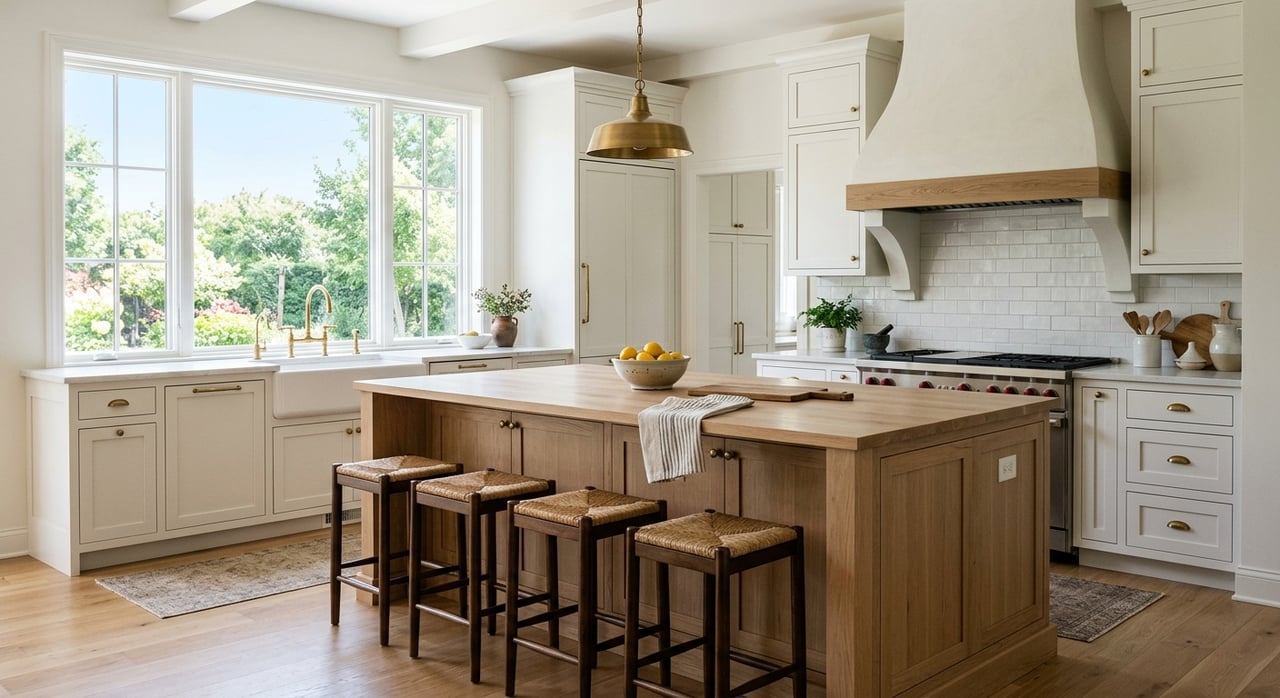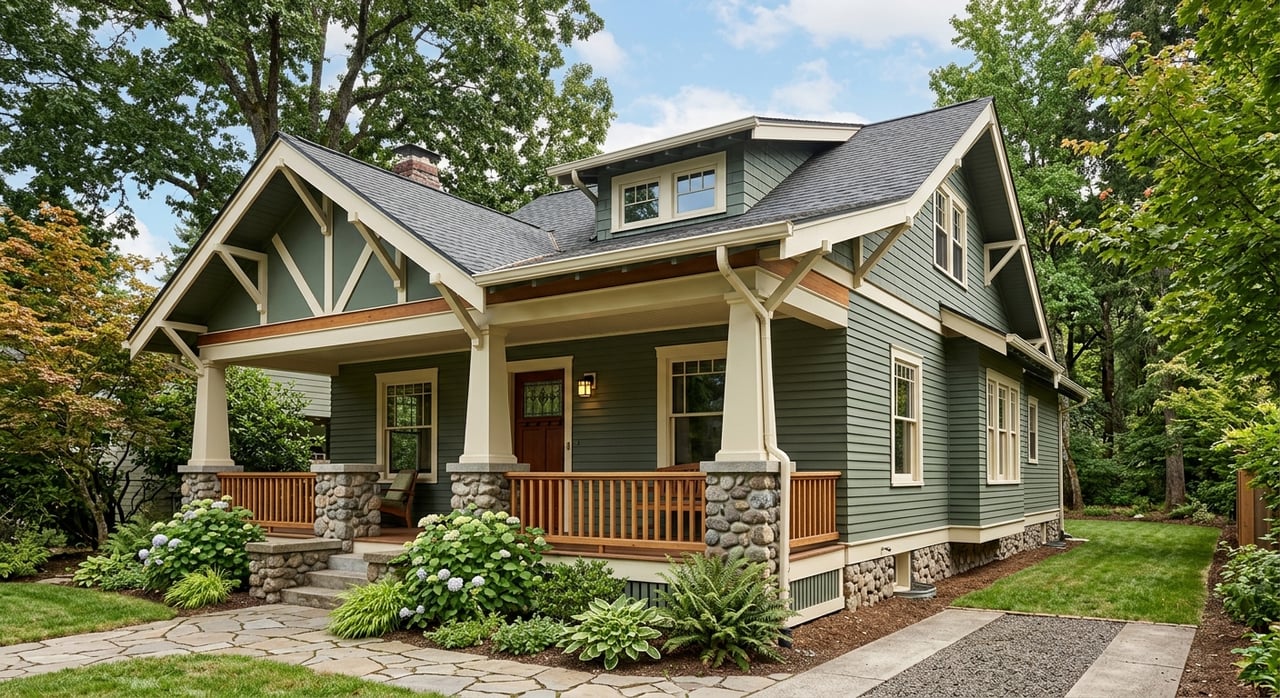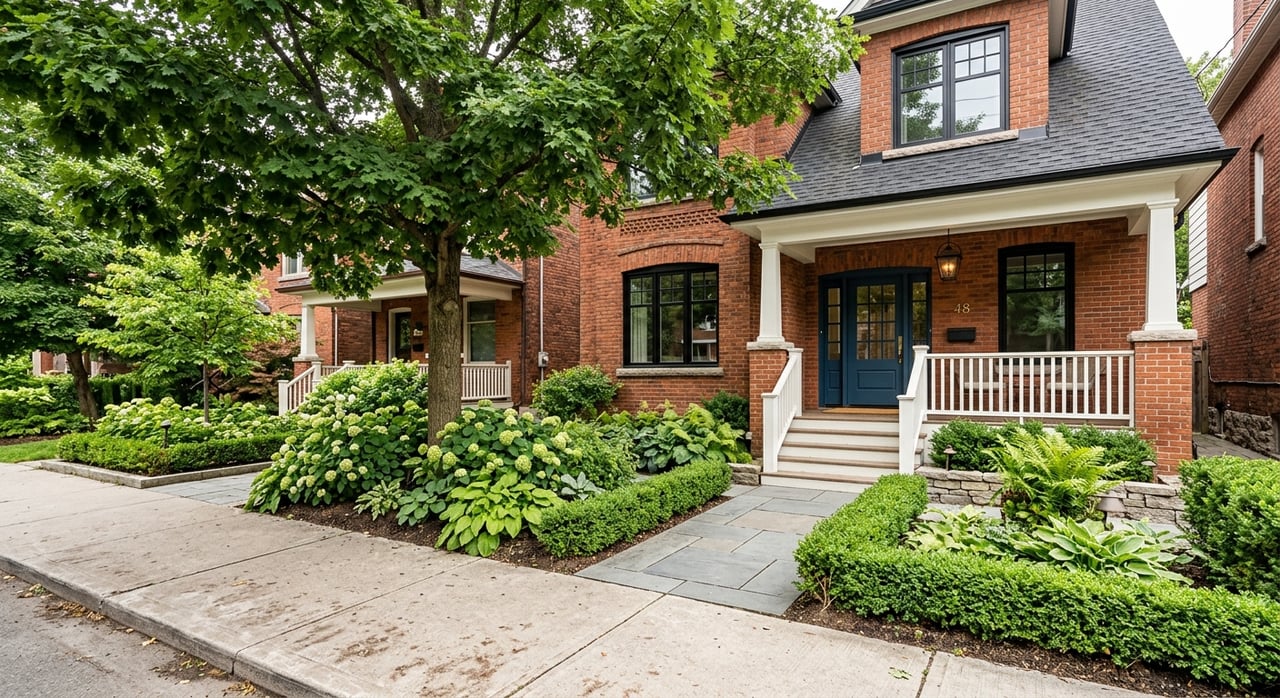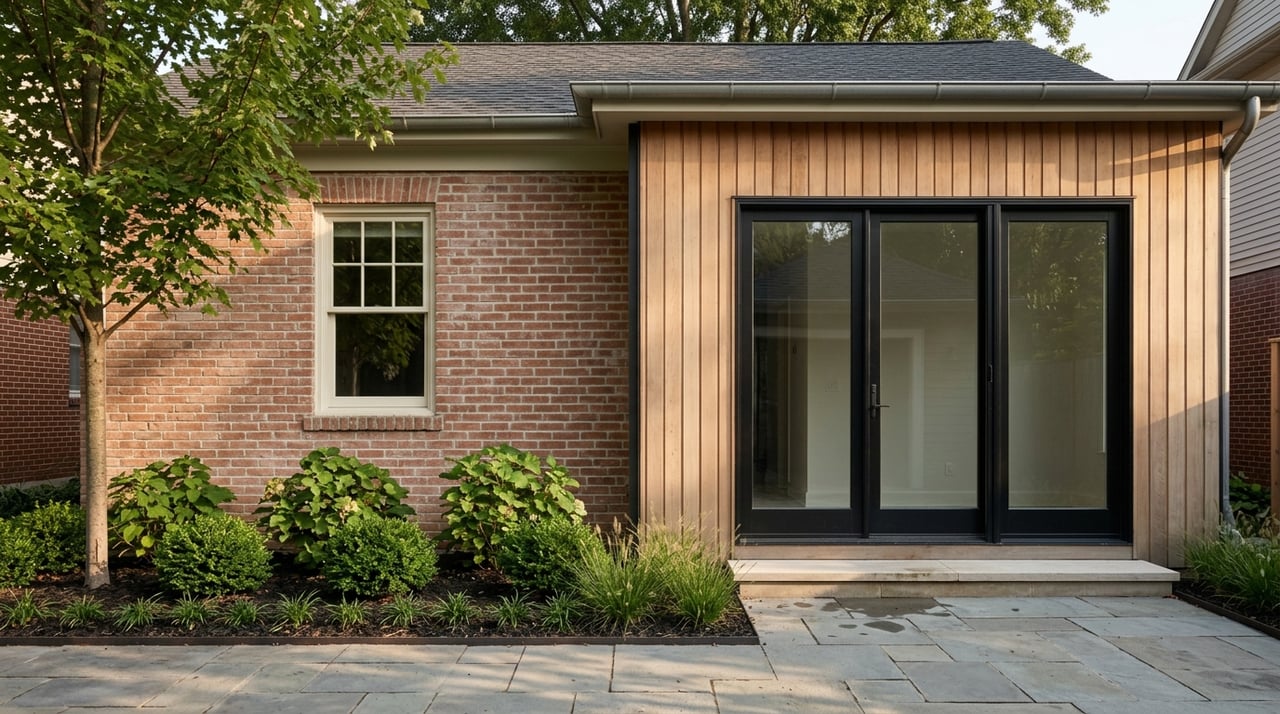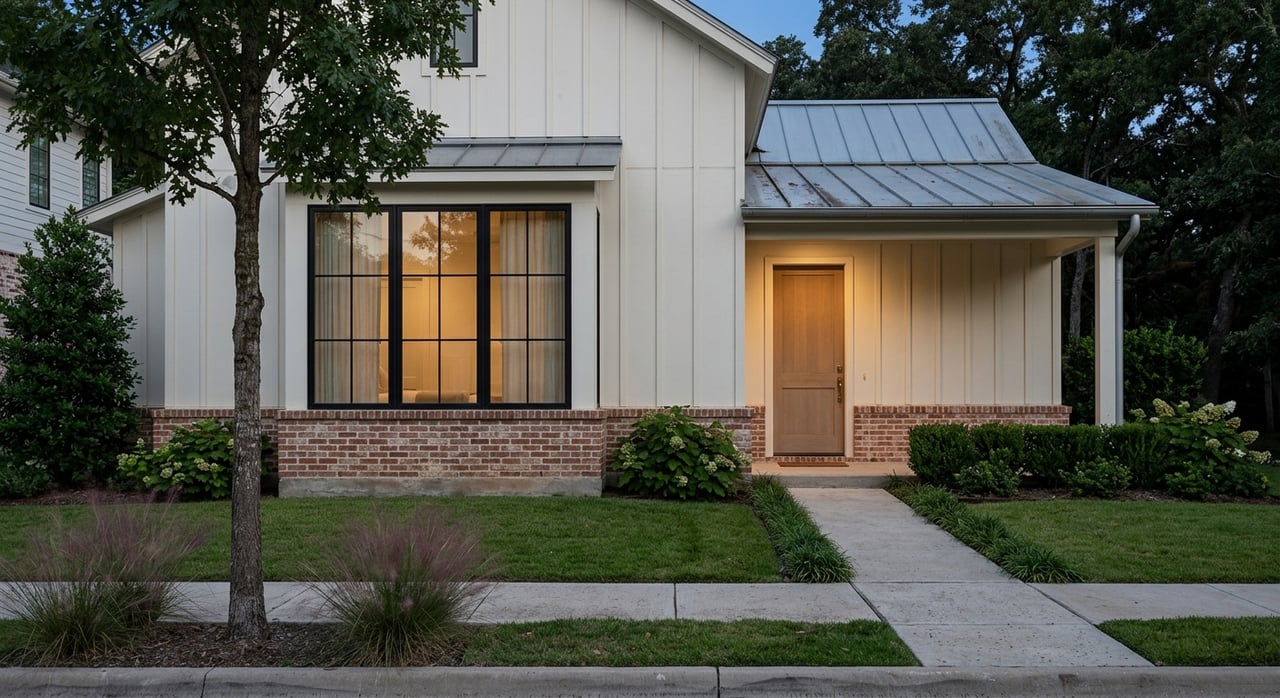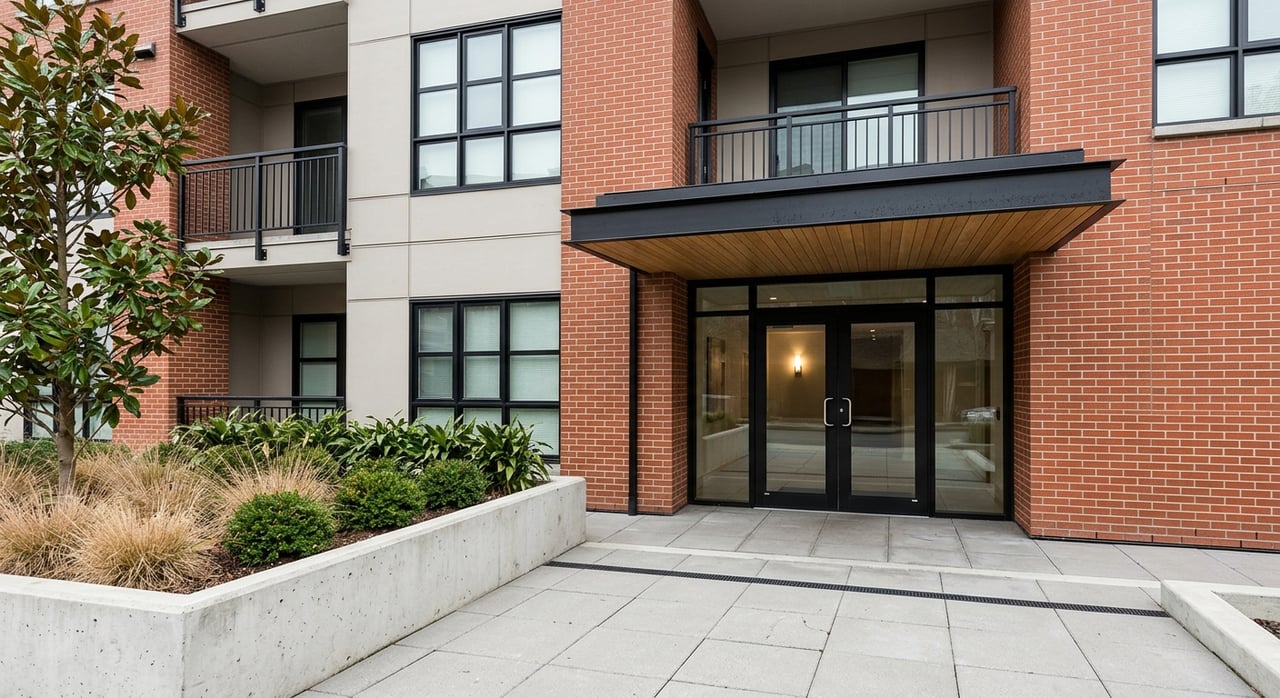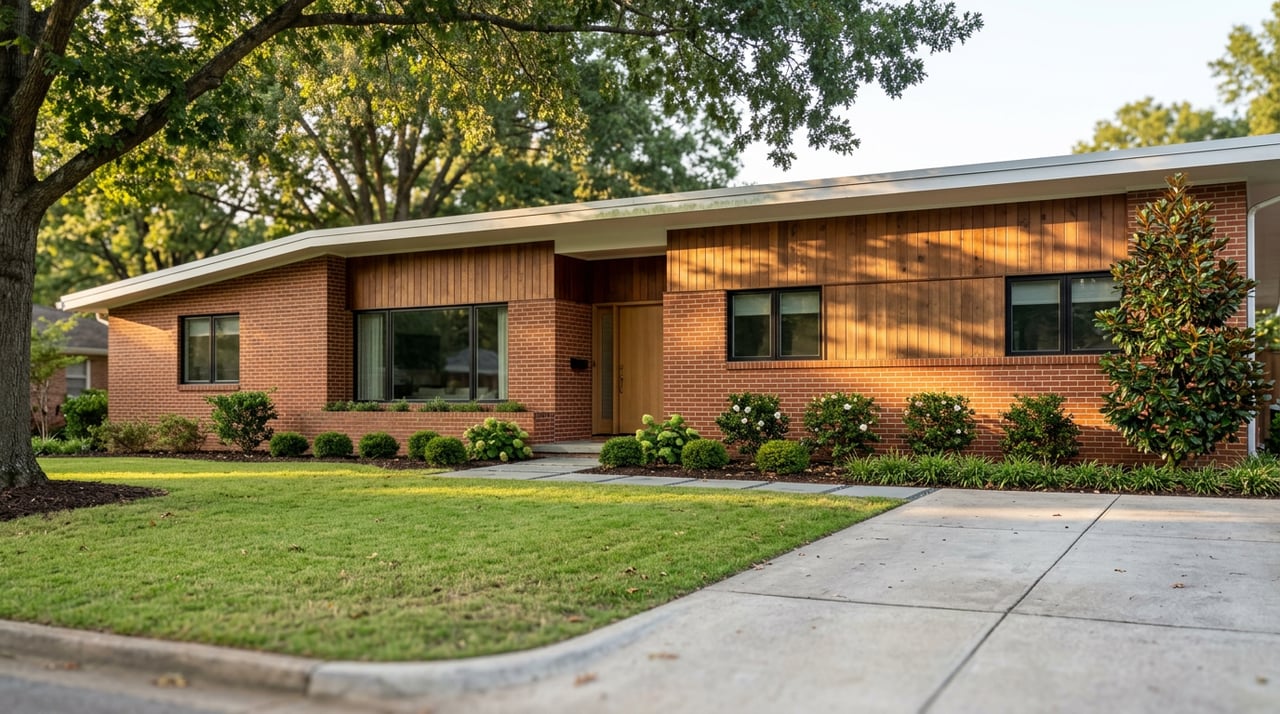
Torn between a classic Myers Park beauty and a sleek new build nearby? It is a great problem to have, but the right answer depends on how you think about maintenance, renovation scope, energy upgrades, and long-term resale. You want the character and the location, without surprises after closing. In this guide, you will get clear, local insights to help you compare options and budget smartly so you can move forward with confidence. Let’s dive in.
Myers Park at a glance
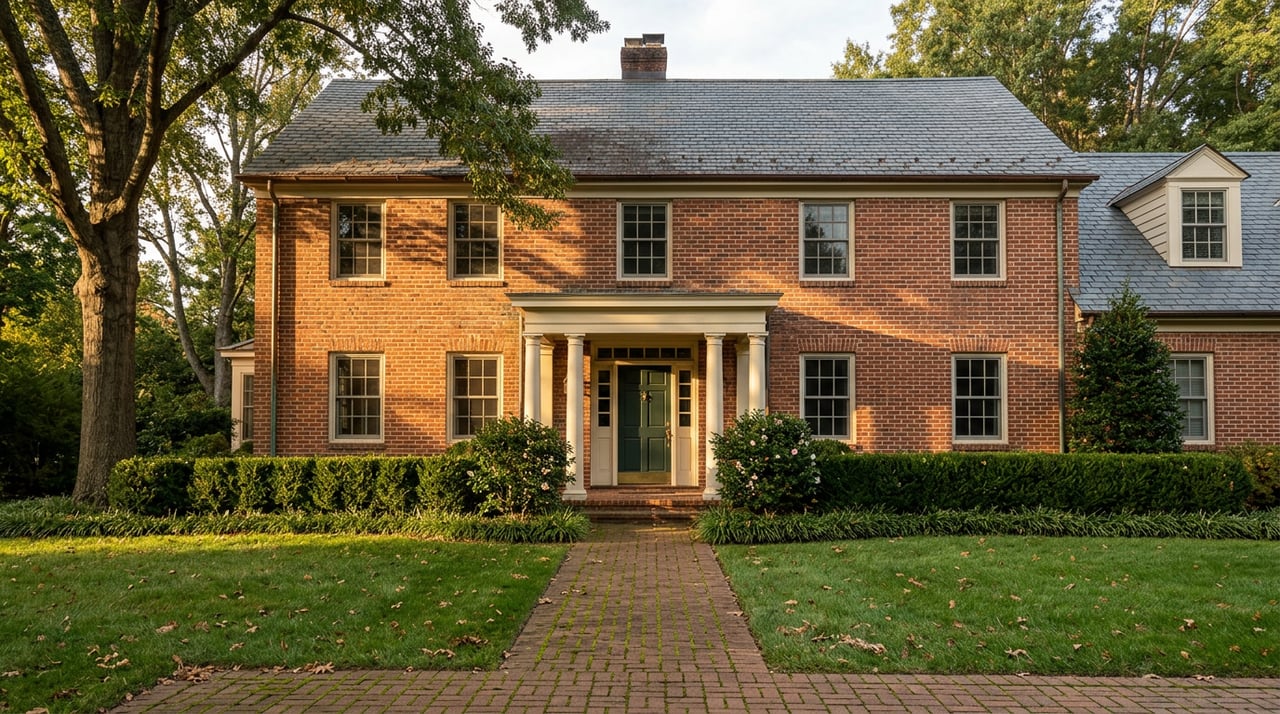
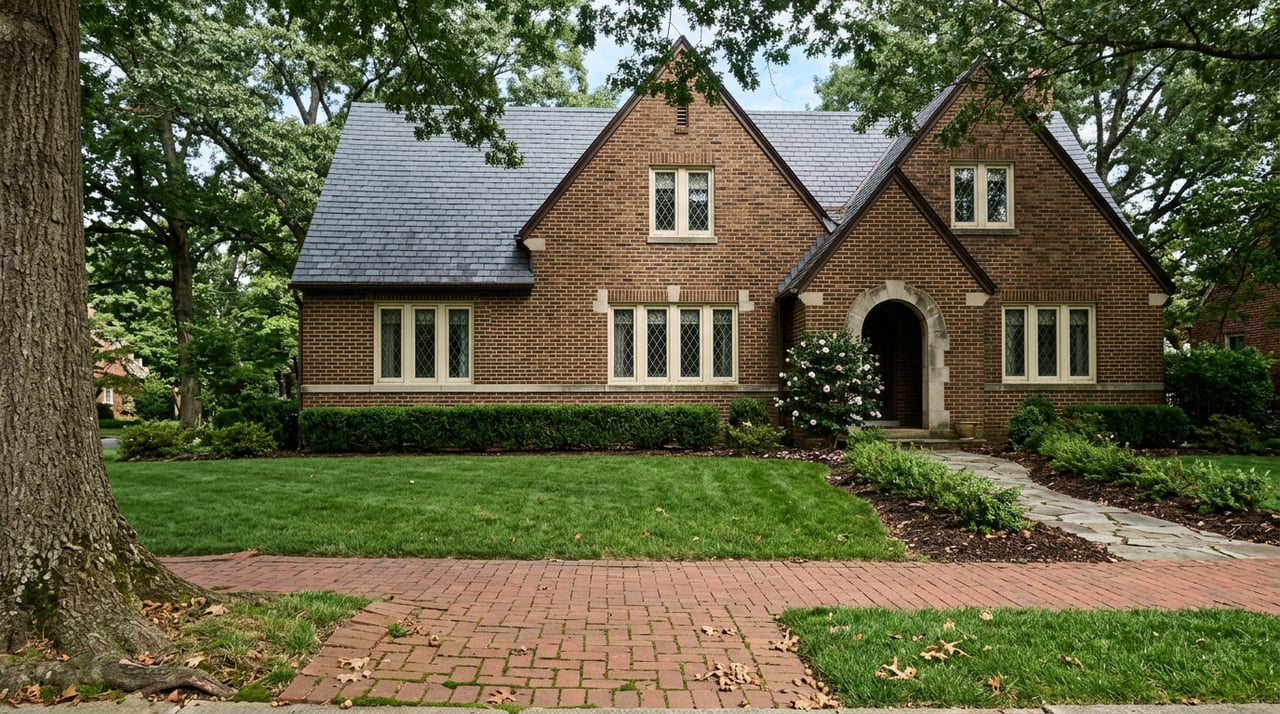
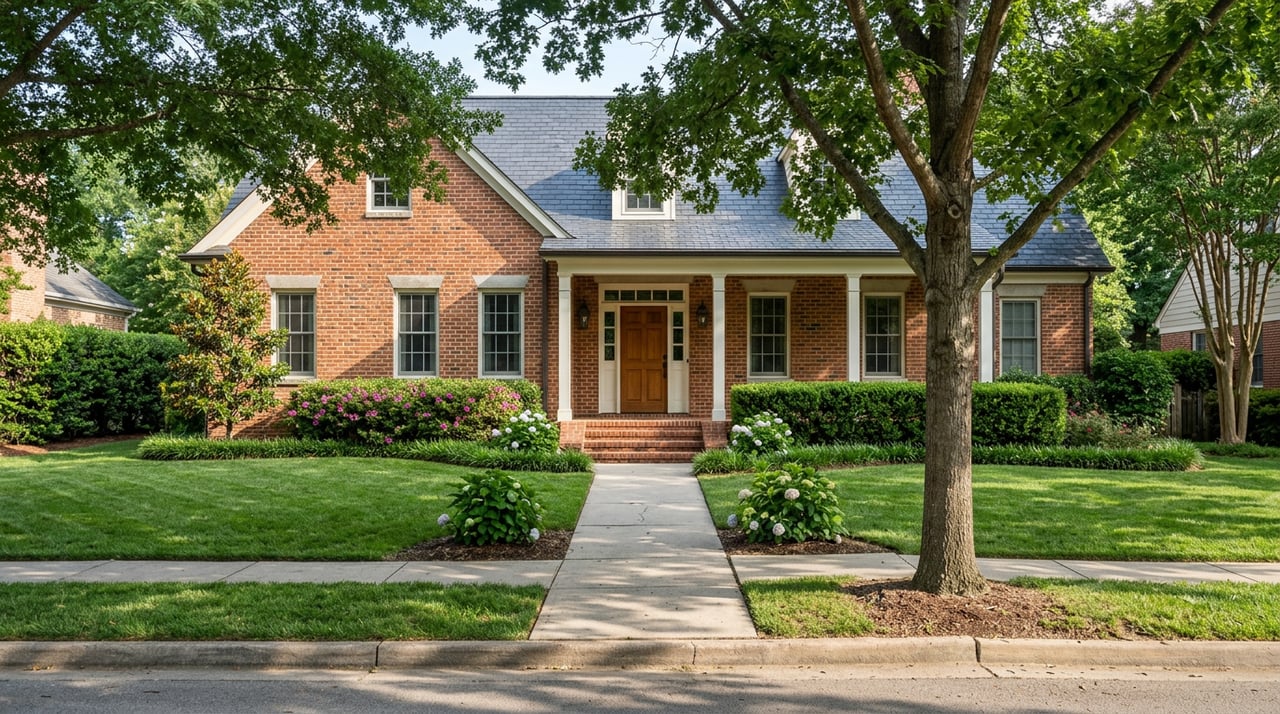
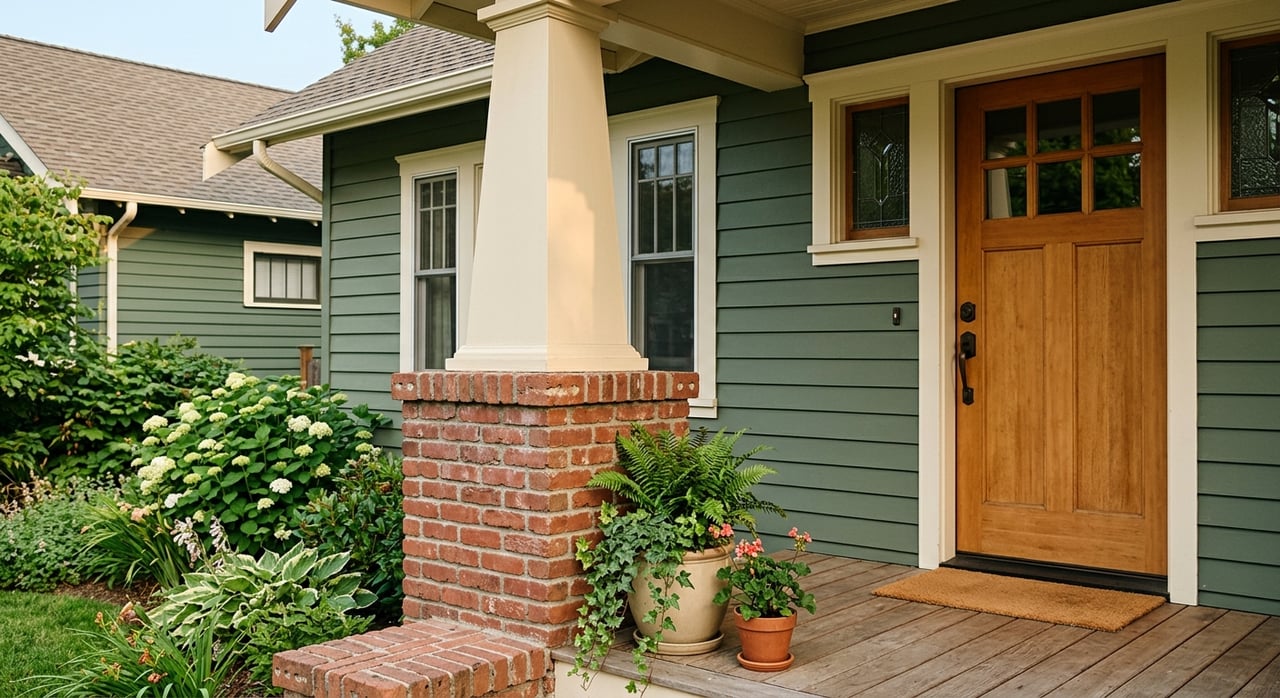
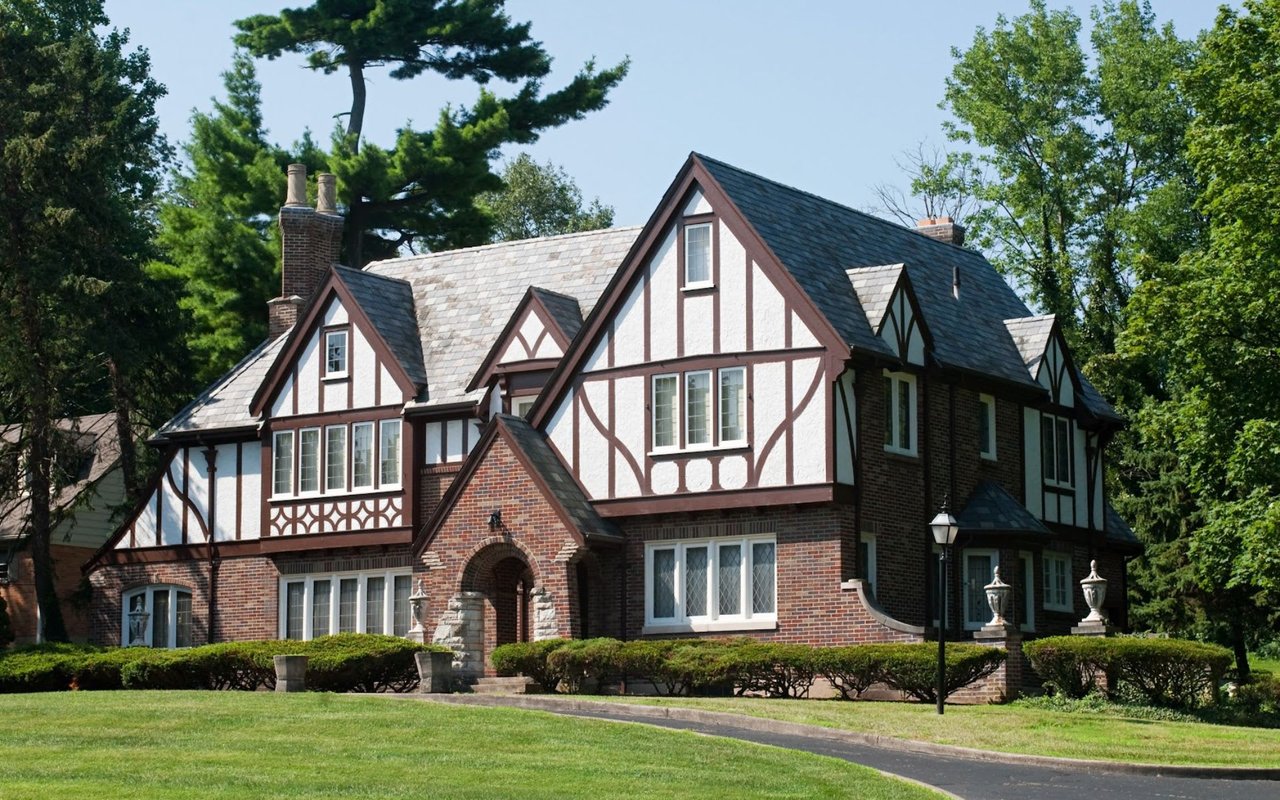
Myers Park is one of Charlotte’s early 20th-century streetcar suburbs known for Colonial Revival, Tudor Revival, and Craftsman architecture. The neighborhood appears on the National Register of Historic Places, which is primarily honorary and does not restrict a private owner’s changes on its own. According to the National Park Service, restrictions generally come from local historic-district rules.
In Charlotte’s locally designated historic districts, exterior changes visible from the street typically require a Certificate of Appropriateness before work proceeds. You can review the city’s process on Charlotte’s Certificate of Appropriateness page. For budgeting context, Myers Park sits in Charlotte’s upper tier. As of January 31, 2026, Zillow’s neighborhood page showed an average home value of about $1,730,674 and a median list price near $1,573,333. Use current listings and your agent’s comps to fine-tune pricing.
Look past finishes and focus on fundamentals
Fresh paint and new appliances are easy to change. What you cannot swap cheaply are the elements that drive comfort, safety, and resale. Prioritize the building envelope, structure, and systems in your evaluation.
Durable features to value
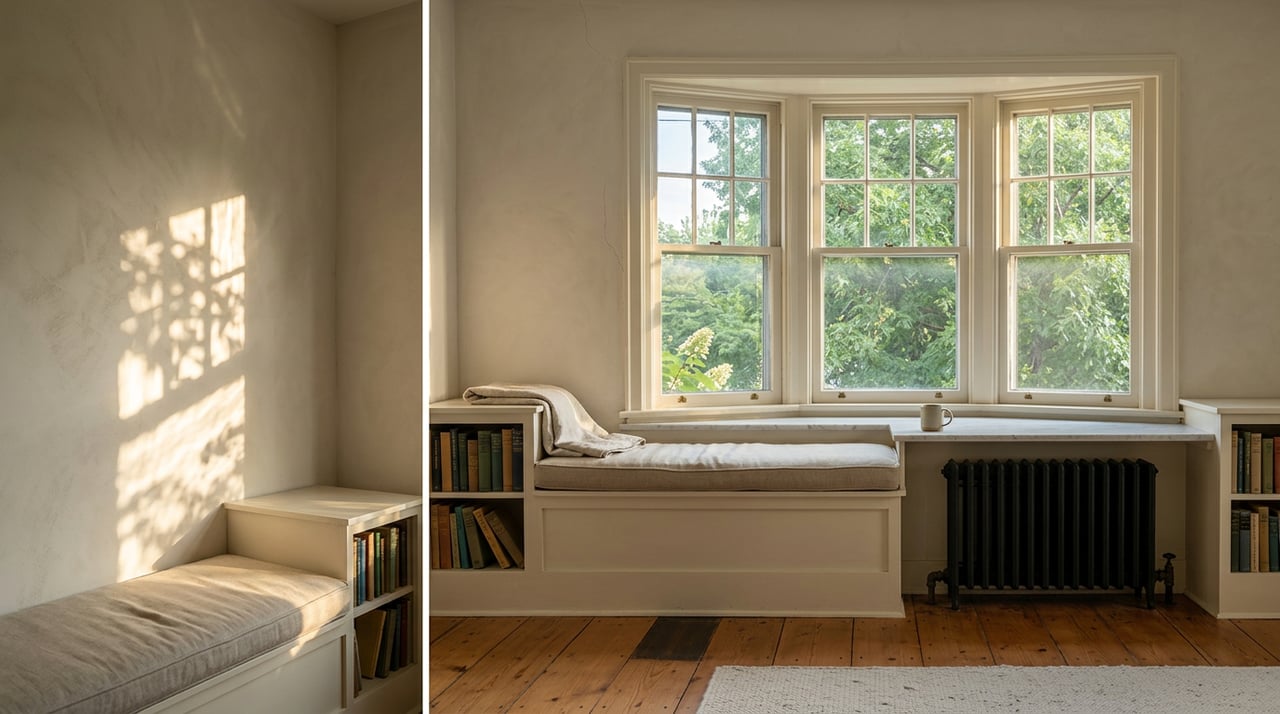
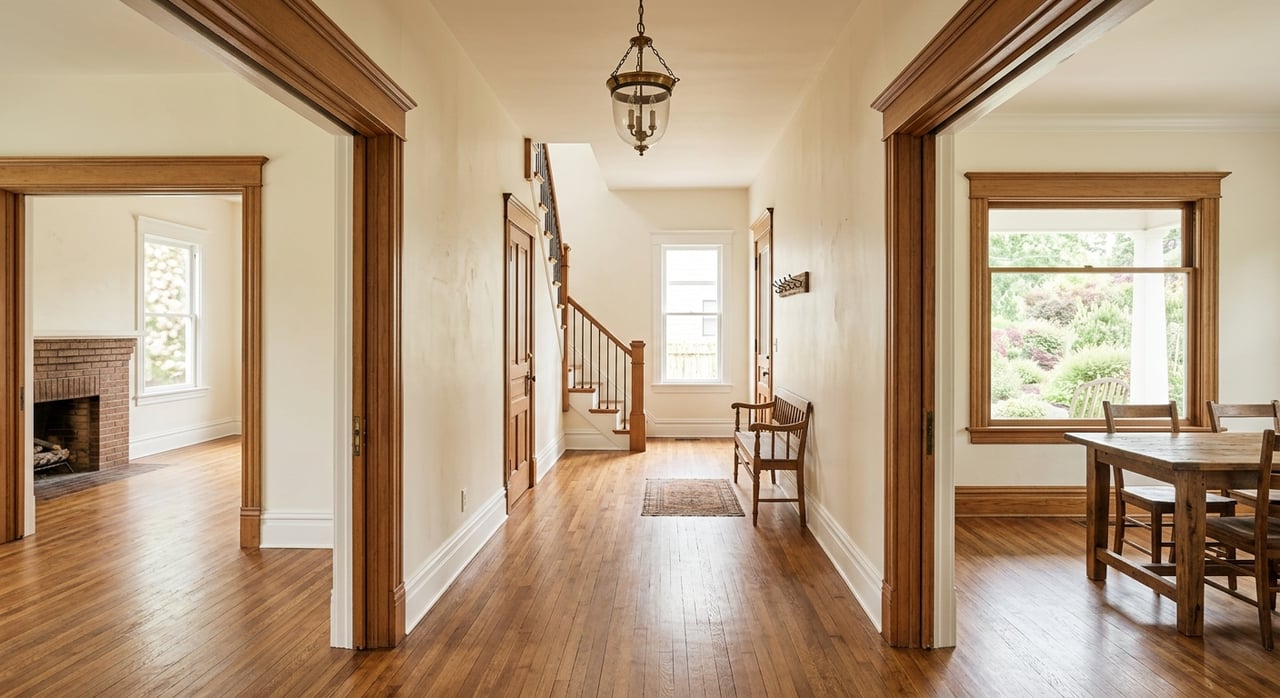
- Original millwork, plaster walls, and wide-plank floors often signal quality. These features are expensive to replicate and add lasting appeal. Preservation guidance favors repairing sound historic fabric rather than replacing it when possible.
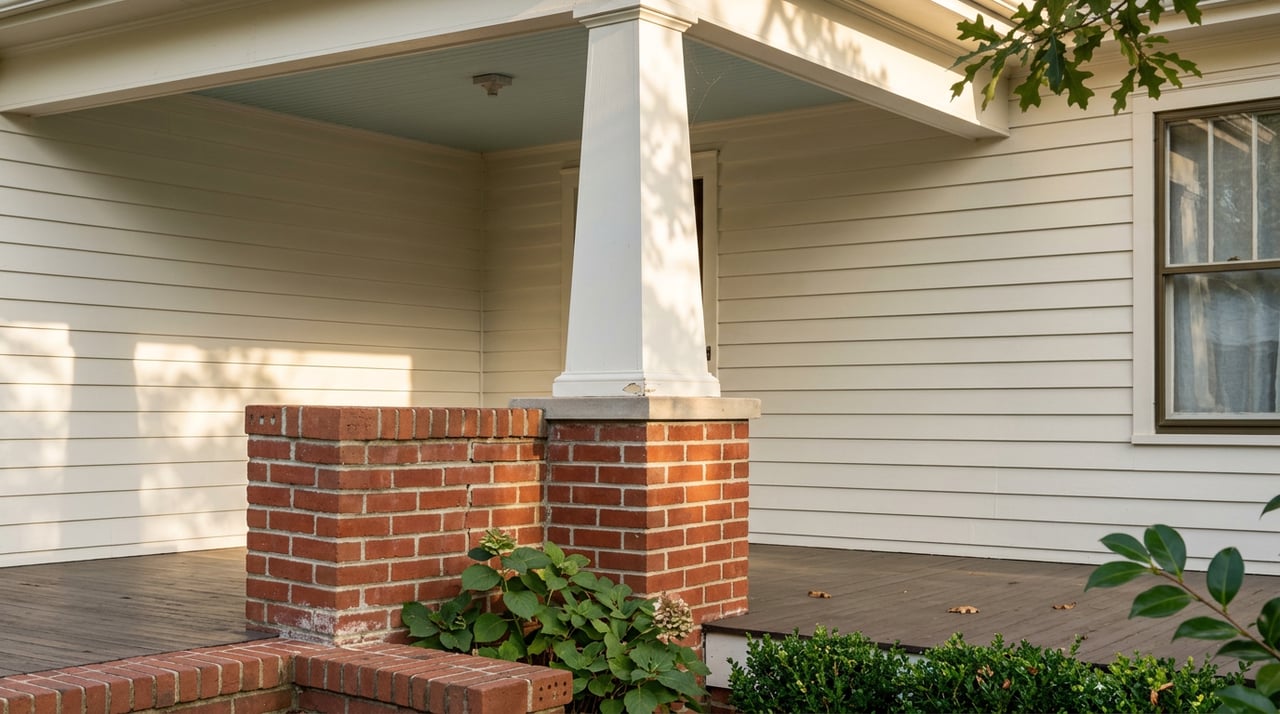
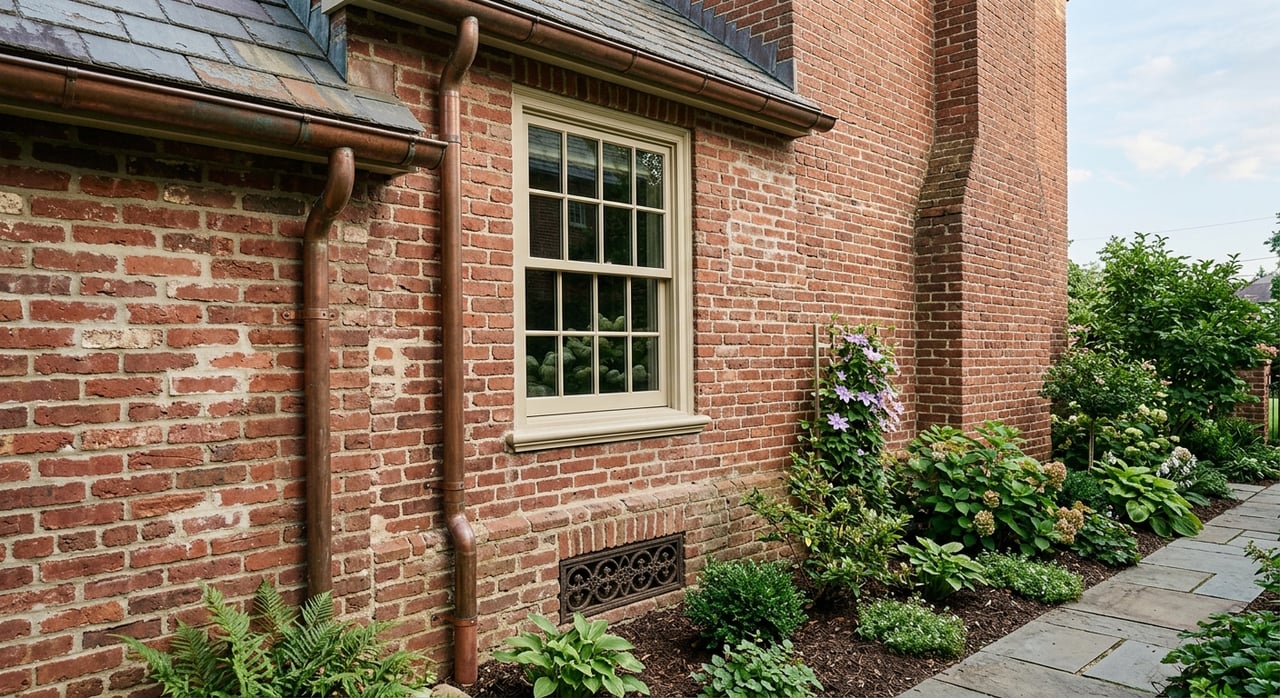
- Brick-and-mortar condition matters. NPS guidance on common masonry issues explains how moisture, salts, and hard mortars can damage brick and how compatible repairs protect value.
Hidden systems to verify
- Electrical service and wiring. Knob-and-tube or cloth wiring may need full replacement and panel upgrades. Expect plaster or drywall patching after a rewire.
- Plumbing and sewer lateral. Galvanized and cast iron have finite lives. Camera inspections help you avoid surprises.
- HVAC capacity and distribution. Many older homes benefit from modern heat pumps and right-sized ductwork.
- Foundation and water management. Settlement, poor grading, and clogged drains can lead to structural and moisture issues.
Maintenance realities: historic home vs new build
Older properties can be incredibly solid, but they usually demand more proactive care. New builds often deliver lower near-term costs but may come with their own constraints.
- A common rule of thumb is to reserve 1 to 4 percent of a home’s value each year for maintenance. Industry guidance from HomeKeep places older homes toward the higher end of that range. On a $1.7 million Myers Park purchase, that suggests roughly $17,000 to $68,000 per year, depending on age and condition.
Historic home maintenance hotspots
- Roofing and envelope. Slate or clay tile and complex rooflines are beautiful and long-lived, but repairs are specialized and cost more per square foot than asphalt. Good water management is key.
- Masonry and foundations. Repointing and chimney repairs are common. See NPS’s overview of masonry problems and appropriate repairs to understand why compatible mortar matters.
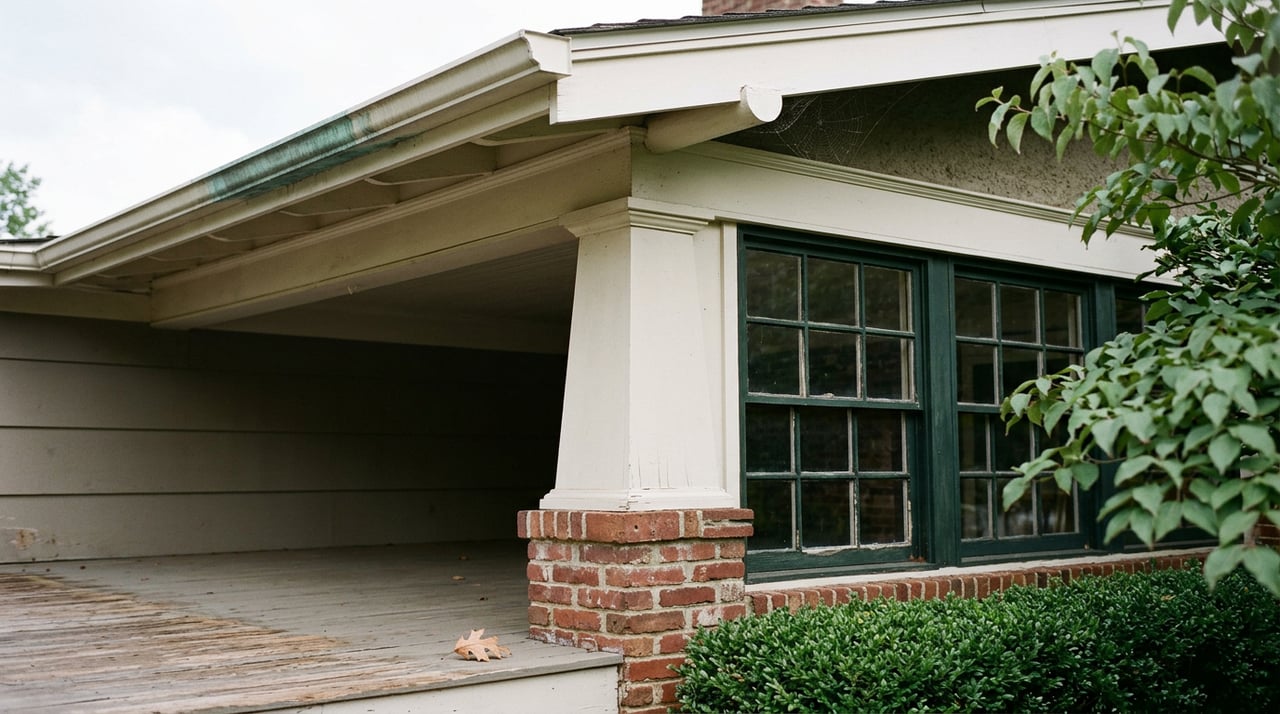
- Woodwork and porches. In our humid climate, exposed columns and trim can see rot and insect damage that require skilled carpentry.
- Electrical and HVAC. A whole-house rewire can run into five figures for larger homes. Angi’s planning guide cites typical per-square-foot estimates you can use for early budgeting.
- Hazardous materials. Pre-1978 paint can contain lead, and older insulation or flooring can include asbestos. Plan for testing and proper abatement if you disturb these materials.
New build advantages and caveats
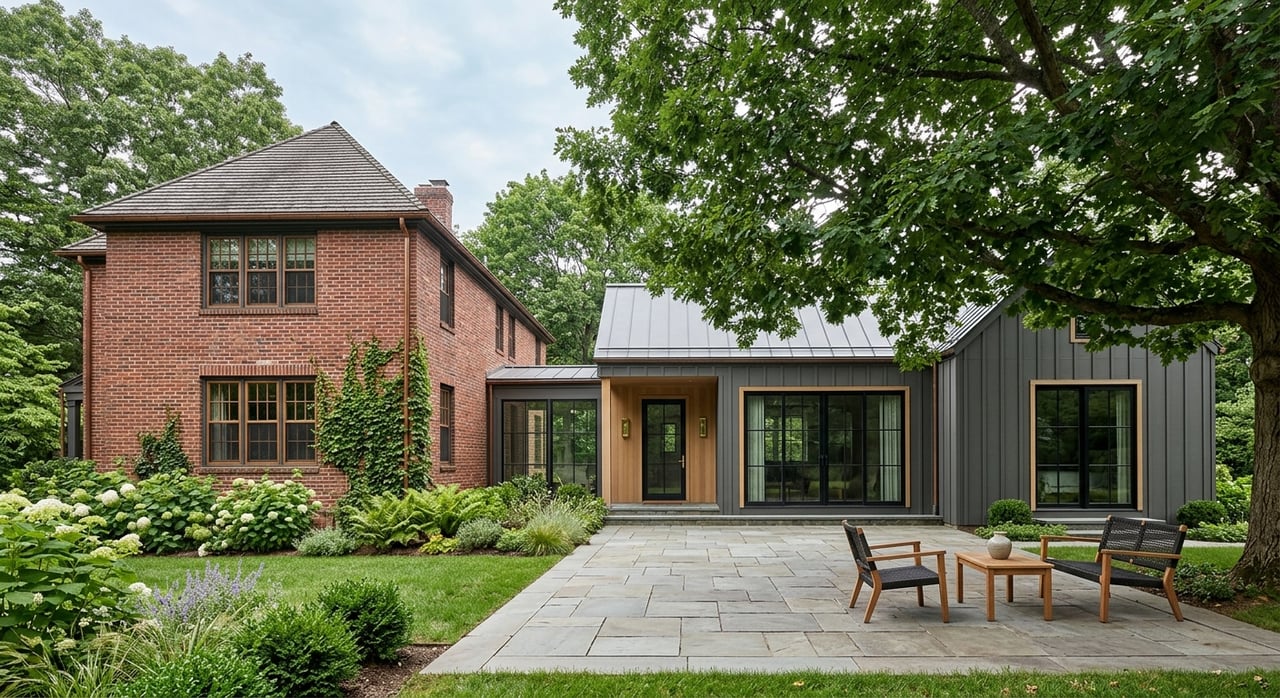
- Benefits. Newer construction and recent gut renovations usually mean modern wiring, better insulation, efficient HVAC, and often builder or manufacturer warranties. That translates to fewer near-term capital projects.
- Caveats. In a historic neighborhood, design review, mature tree protection, and site constraints can add time and cost to new construction. Charlotte’s historic review process is designed to keep neighborhood character intact, so plan your design and approvals before you break ground.
Renovation scopes and realistic budgets
Every house and scope is different, but these ranges help you pressure-test your plan before you write an offer. Always price with local contractors for firm numbers.
Quick updates: many buyers tackle first
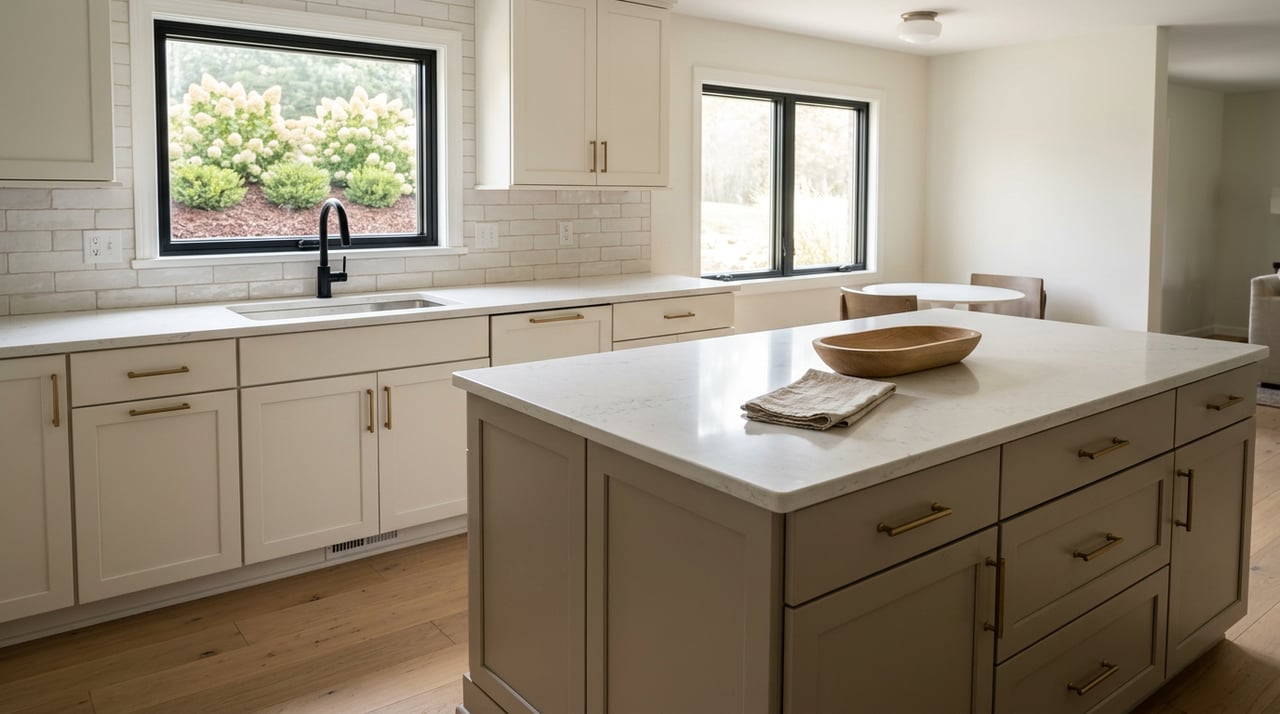
- Kitchen refresh. Painting or refacing cabinets, swapping counters, and installing new appliances often land in the low tens of thousands of dollars. A full gut can range from mid-five figures to six figures, depending on size and finishes.
- Bathrooms. Midrange bath remodels often price in the mid-five figures in Charlotte, with premium work priced higher.
- Roofing. Asphalt replacements commonly fall in the low tens of thousands for average homes, while slate or complex historic roofs can be many times higher.
- Windows. Repairing and weatherstripping original sashes and adding quality storm windows can be more cost-effective than wholesale replacement while preserving character. Energy-focused replacements can perform well but cost more. Some incentives require specific product qualifications.
Big-ticket systems to budget early
- Full electrical rewire. Planning estimates often start around several thousand dollars and scale with size and access. Angi’s rewire cost guide is a useful early reference. Add a line item for plaster or drywall repairs.
- HVAC replacement and heat pump upgrades. Expect a wide range depending on system type, tonnage, and ducts. Duke Energy’s Smart $aver programs can reduce net cost for eligible measures.
- Whole-house repipe or sewer lateral. Whole-house repipes often land in the low five figures. Trenchless sewer work can vary by access and run length.
- Full renovation. Comprehensive structural, mechanical, electrical, plumbing, and finish overhauls are frequently quoted on a per-square-foot basis. In a premium area like Myers Park, expect estimates toward the higher end for custom work.
Energy performance and current incentives
Many historic homes have single-pane windows, limited cavity insulation, and more air leakage. That does not have to mean high bills. Focus on upgrades that boost comfort and efficiency without harming character.
- High-impact measures. Attic insulation, air sealing, efficient HVAC or heat pumps, and adding quality storm windows to preserve original sashes usually deliver strong gains.
- Federal credits. The updated Energy Efficient Home Improvement Credit can offset part of the cost of qualifying heat pumps, heat-pump water heaters, insulation, and windows. Review the IRS overview for eligibility, annual caps, and product requirements on the IRS Energy Efficient Home Improvement Credit page.
- North Carolina rebates. The Energy Saver NC program launched statewide in 2025 with rebates that can materially reduce the cost of heat pumps, insulation, and related electrical work for eligible households. Check current details through the NC Department of Environmental Quality.
- Utility rebates. Duke Energy’s Smart $aver offerings include incentives for HVAC and duct improvements. Where allowed, these may stack with other programs.
If your property is locally designated and exterior changes are visible from the street, interior-first energy upgrades like insulation, HVAC, and air sealing often move faster and do not require exterior design review.
Resale patterns in Myers Park
Well-cared-for homes in Myers Park tend to hold demand because of location, lot quality, and neighborhood character. Research has found that local historic designation often stabilizes and can enhance values compared with similar non-designated areas. See the broader findings in Brookings’ review of preservation economics.
In this premium segment, both thoughtfully preserved historic homes and well-executed new builds sell well when they align with buyer expectations. The next buyer will pay for condition, quality, and fit with the neighborhood. Your decisions on systems, layouts, and finishes should speak to that future demand.
Side-by-side: which is right for you?
Historic Myers Park home: pros and cons
- Pros
- Irreplaceable character and craftsmanship that many buyers seek.
- Mature lots and established streetscapes that support value.
- Opportunity to preserve and enhance original features for long-term appeal.
- Cons
- Higher likelihood of big-ticket system updates and specialized trades.
- Potential exterior review steps if locally designated, which can add time.
- Energy improvements require a strategic approach to protect historic fabric.
New build or recent infill: pros and cons
- Pros
- Modern systems, efficient envelopes, and lower near-term maintenance.
- Floor plans are tuned to today’s living, often with large kitchens and suites.
- Builder and manufacturer warranties in many cases.
- Cons
- Premium land and construction costs in a high-demand neighborhood.
- Design and site constraints that may extend timelines in historic areas.
- Resale depends on execution and neighborhood fit.
Your due-diligence checklist
Do this work early so you can write a confident offer and avoid surprises.
- Confirm historic status. Determine whether the parcel sits only within the National Register boundary or inside a local historic overlay. Local overlays typically require a design review for exterior work visible from the street. Start on Charlotte’s COA page and contact staff with questions.
- Layer inspections. In addition to a standard home inspection, schedule a structural engineer if you see settlement, a licensed electrician to assess wiring and panel capacity, and a plumber for sewer or repipe concerns. Use Angi’s cost guidance for rewiring as a baseline for questions and budgeting.
- Pull records. Ask the seller for permit history, past COAs, and receipts for major work. City records can clarify what was previously approved.
- Get two budgets. For obvious big-ticket items like rewiring, HVAC, or roofing, get at least two rough bids before you finalize your offer. Use these to set an inspection-contingency threshold.
- Confirm insurability. Very old wiring or obsolete panels may affect insurance until upgrades are complete. Price the fixes into your plan.
- Plan financing and incentives. If you intend to renovate, compare renovation-loan options and confirm energy incentives early. Review the federal credit on the IRS program page, and check eligibility for Energy Saver NC rebates and Duke Energy Smart $aver.
Make the call with a builder’s eye
Both paths can be excellent in Myers Park. If you love character and can plan for system upgrades, a historic home rewards you with soul and staying power. If you want low-friction living and modern comfort on day one, a new build or recent renovation can be the right fit. Either way, focus on the structure, systems, and long-term livability, then let finishes follow.
If you want a candid, construction-forward plan for your Myers Park search, we are here to help you run the numbers, pressure-test bids, and match the right house to your goals. Let’s connect through Real Estate Layne.
FAQs
What does the National Register listing mean for Myers Park homeowners?
- The National Register listing is primarily honorary and does not restrict private owners on its own. Local historic overlays are what require design review for exterior changes, as outlined by the National Park Service’s FAQ and Charlotte’s COA process.
How much should I budget annually for maintenance in Myers Park?
- A common guideline is 1 to 4 percent of the home value per year. HomeKeep’s overview places older homes toward the higher end. On a $1.7 million home, that can mean roughly $17,000 to $68,000 per year.
Are original windows a dealbreaker for energy efficiency?
- Not necessarily. Many buyers choose to repair and weatherstrip original sashes, then add quality storm windows to boost performance while preserving character. Pairing that with attic insulation and air sealing often delivers strong comfort gains.
What energy rebates are available for HVAC upgrades in Charlotte?
- You may be eligible for the federal Energy Efficient Home Improvement Credit plus North Carolina’s Energy Saver NC rebates and Duke Energy’s Smart $aver incentives. Check the IRS program page and NCDEQ’s overview for current details.
Do historic districts hurt resale value?
- Most research finds that local historic designation stabilizes and often enhances values compared with similar non-designated areas. Myers Park’s long-standing demand and premium pricing reflect that pattern. See Brookings’ review of preservation and value for context.