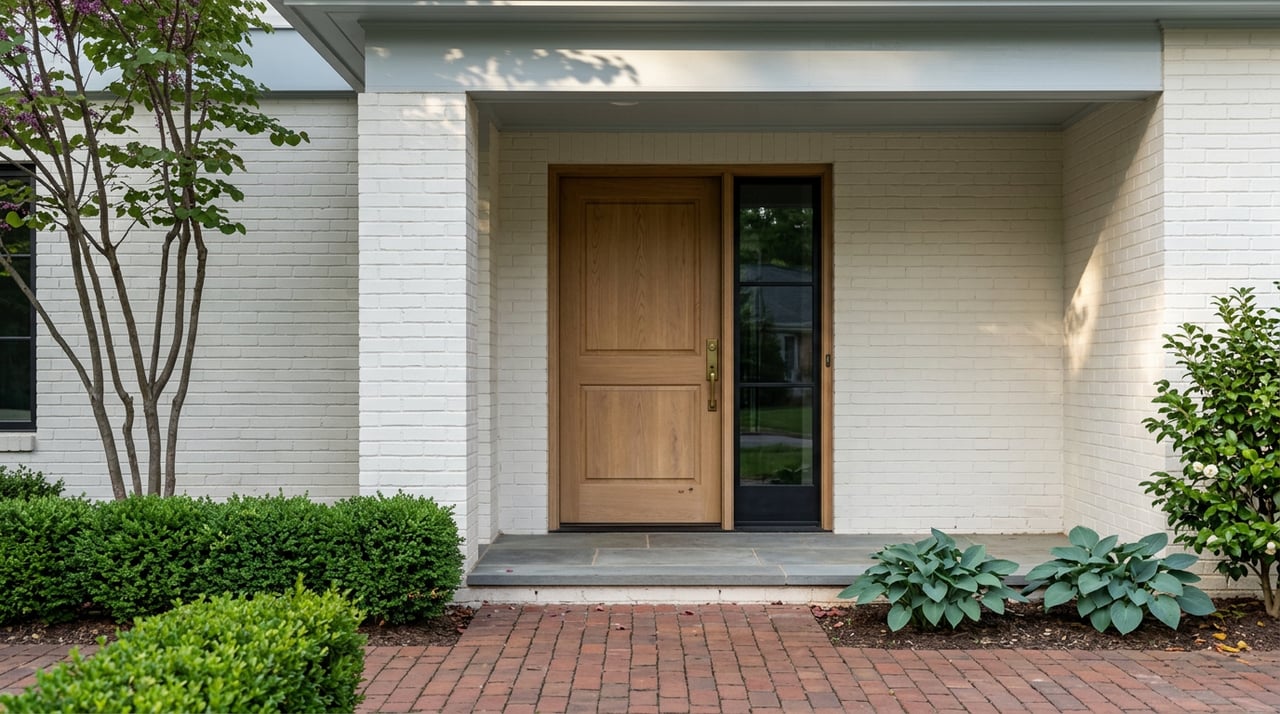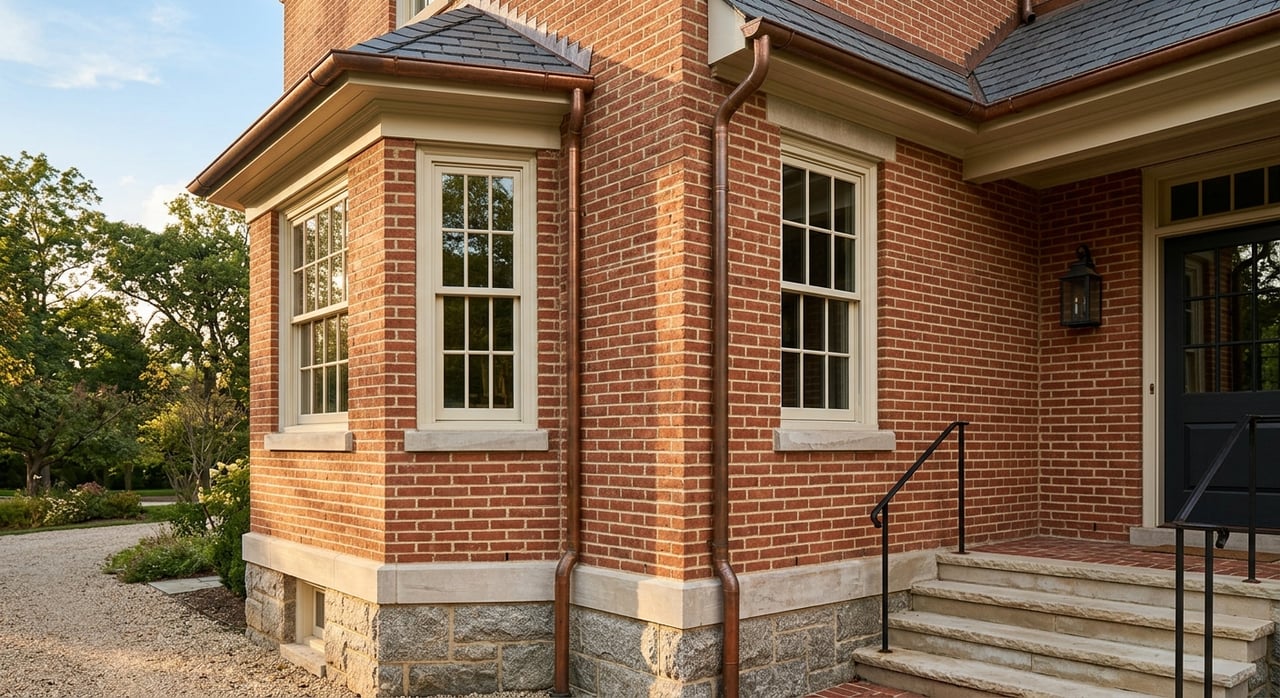
Worried that a beautiful Myers Park home might be hiding expensive problems behind fresh paint? That concern is valid, especially in a neighborhood where homes span several building eras and renovation quality can vary widely from one address to the next. If you know what to look for, you can separate true craftsmanship from cosmetic updates and make a more confident decision. Let’s dive in.
Why construction quality varies in Myers Park
Myers Park is not a one-era neighborhood. It opened as a planned neighborhood in 1912 and developed in phases from the 1910s through the 1950s, which means you may see early original homes, later traditional infill, and some mid-century construction in the same broader area.
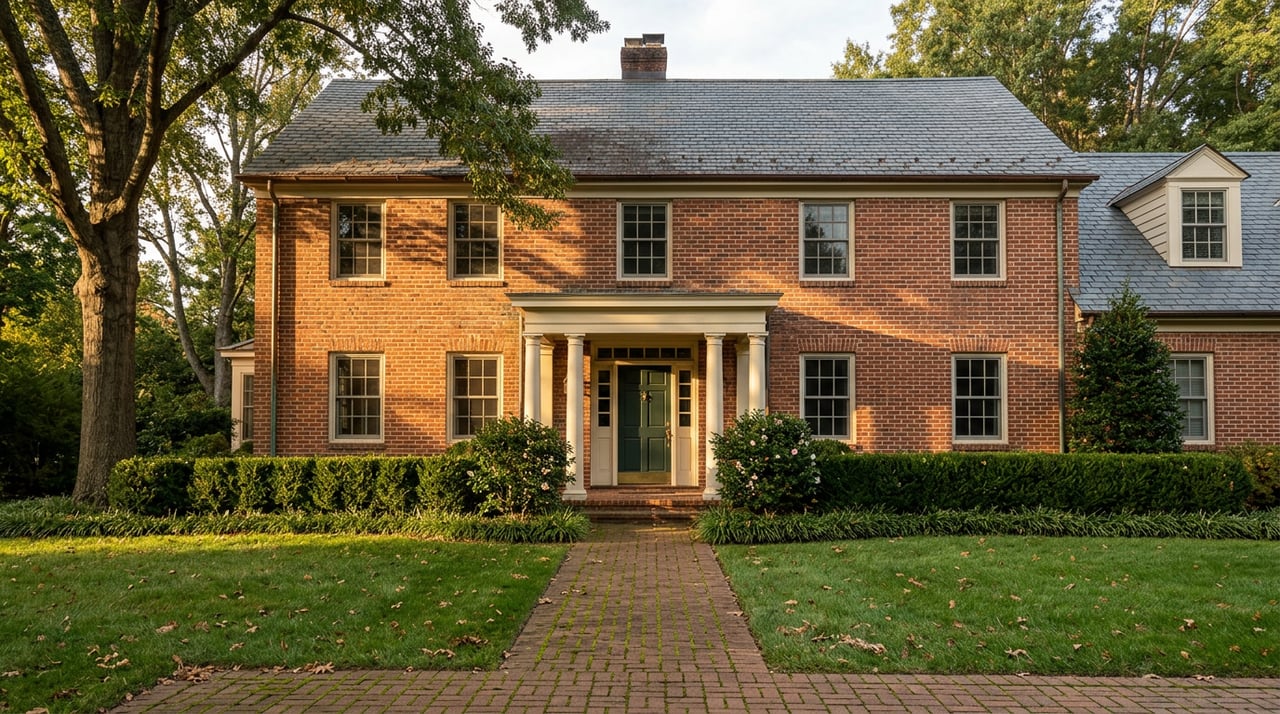
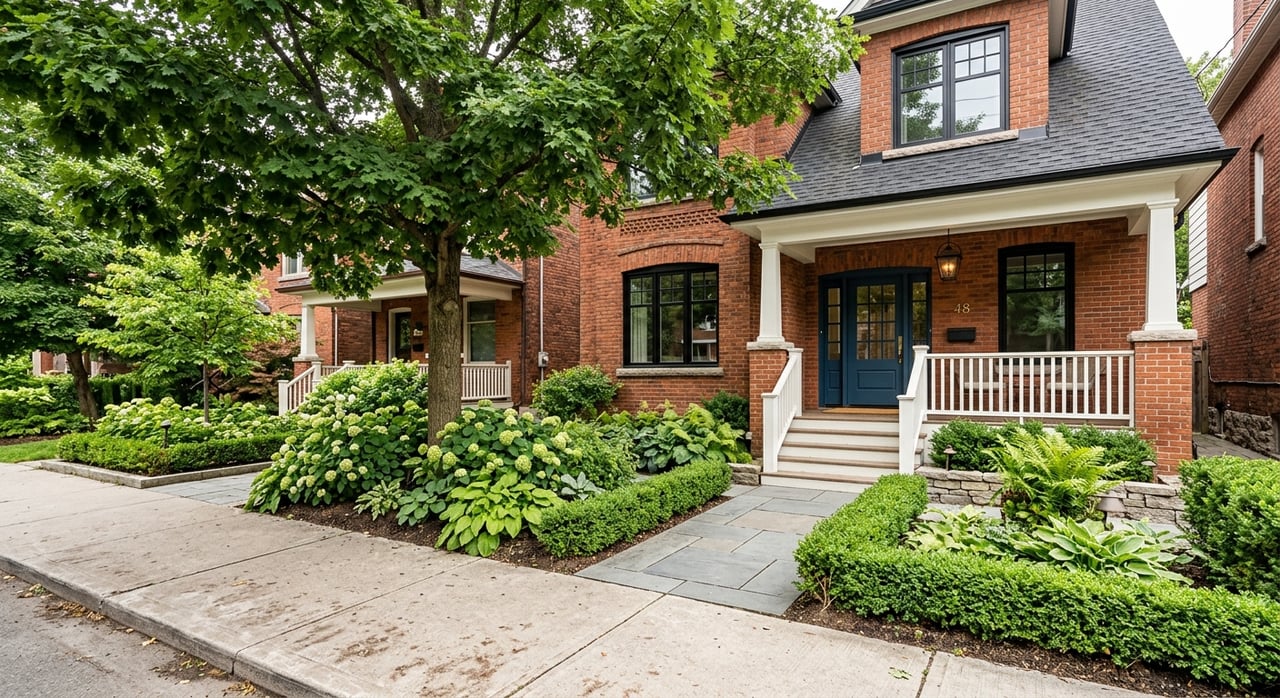
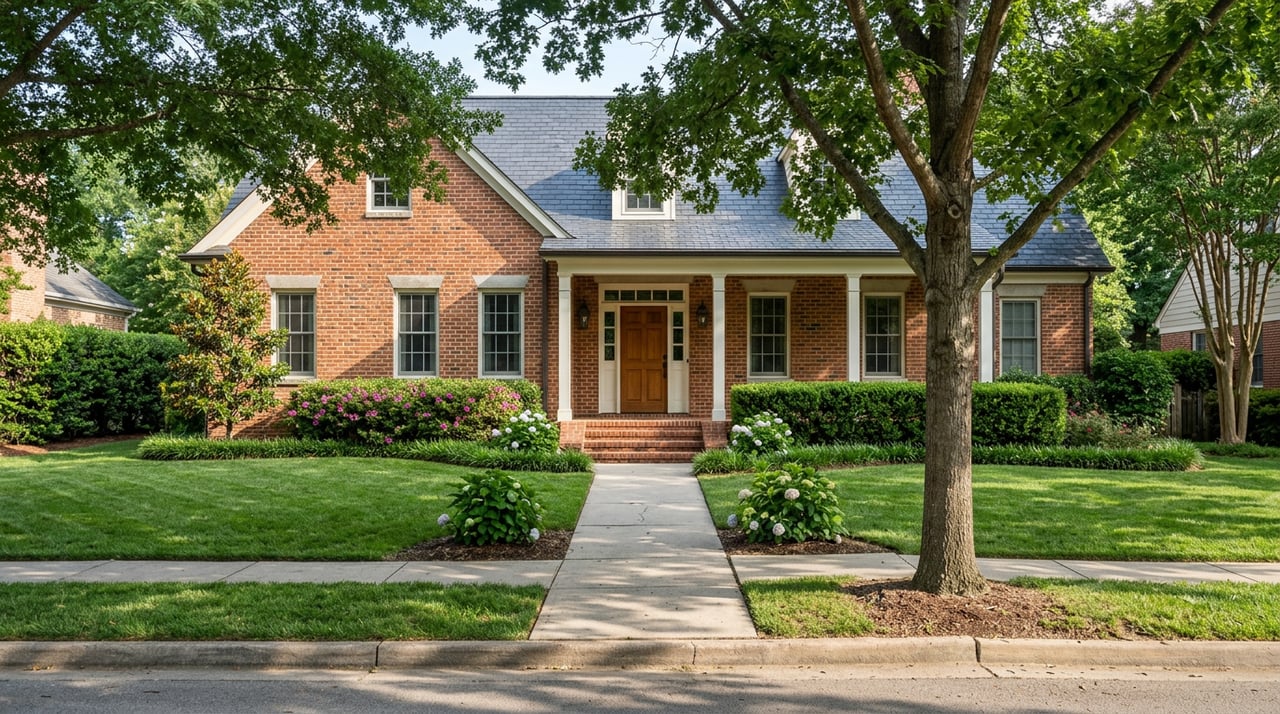
That matters because construction quality should be judged in context. A 1920s brick Colonial Revival home, a Tudor Revival house, and a later ranch on a side street should not be evaluated by the same visual standards, even though all may fall under the Myers Park name.
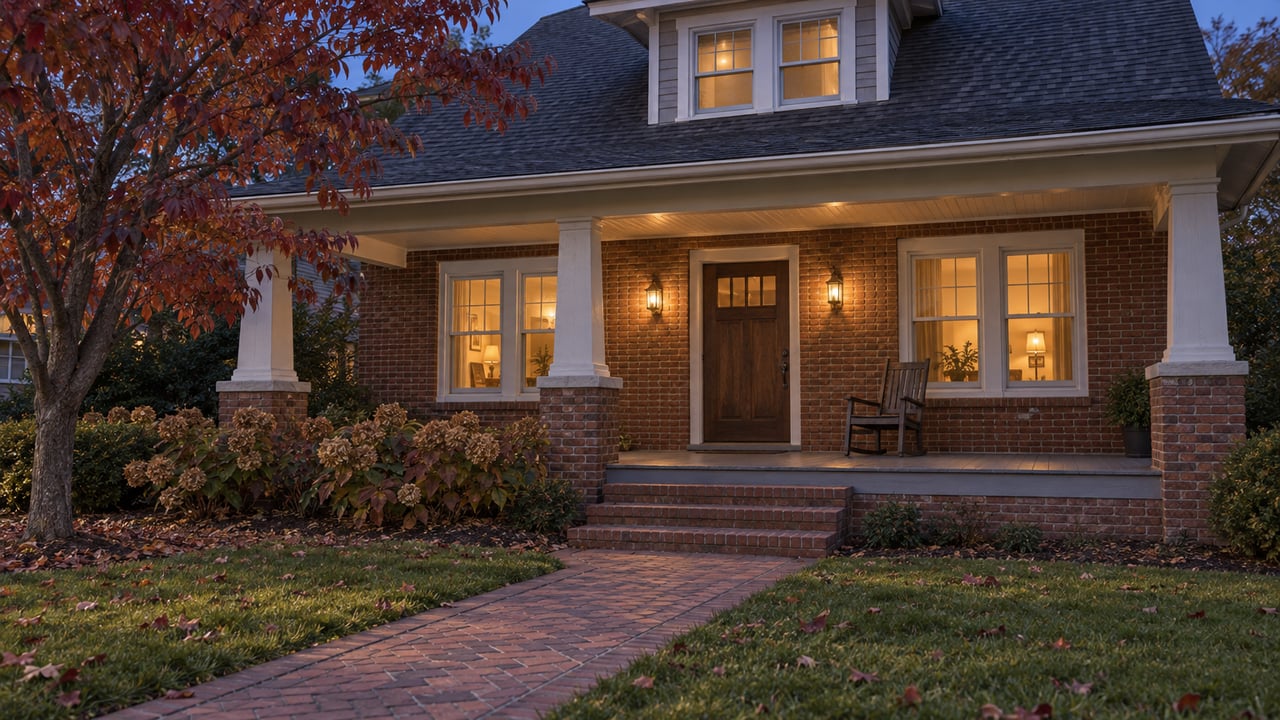
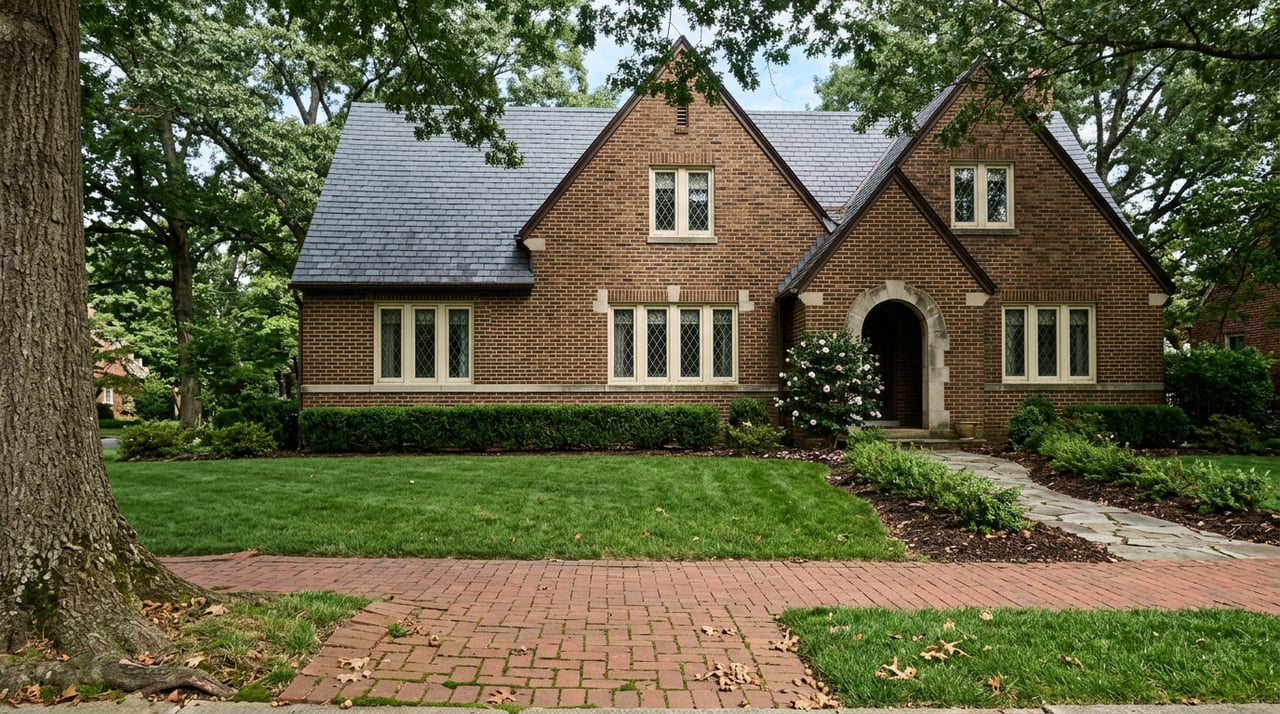
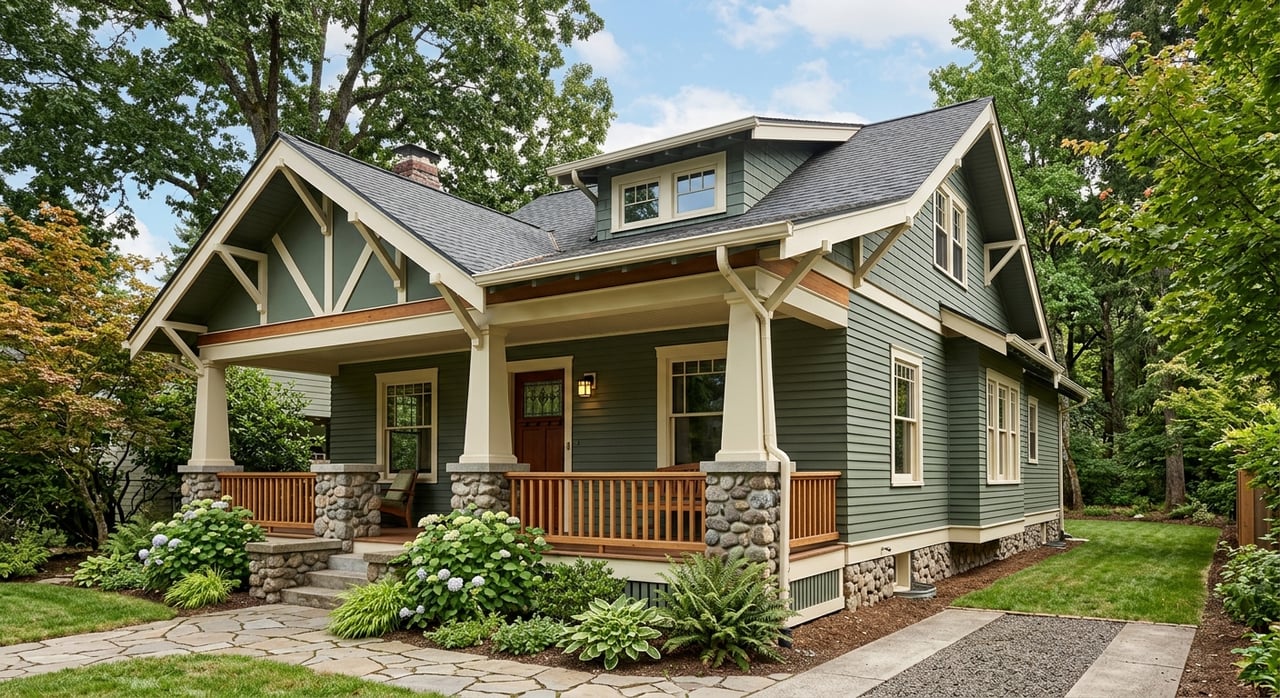
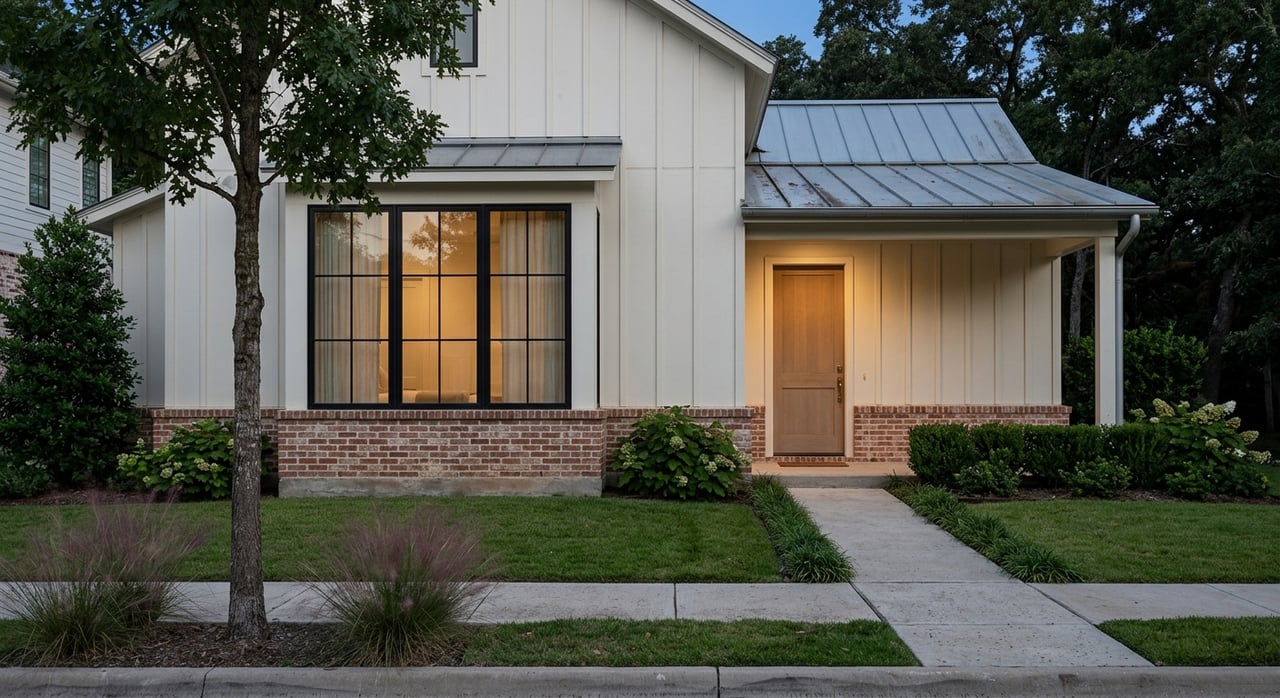
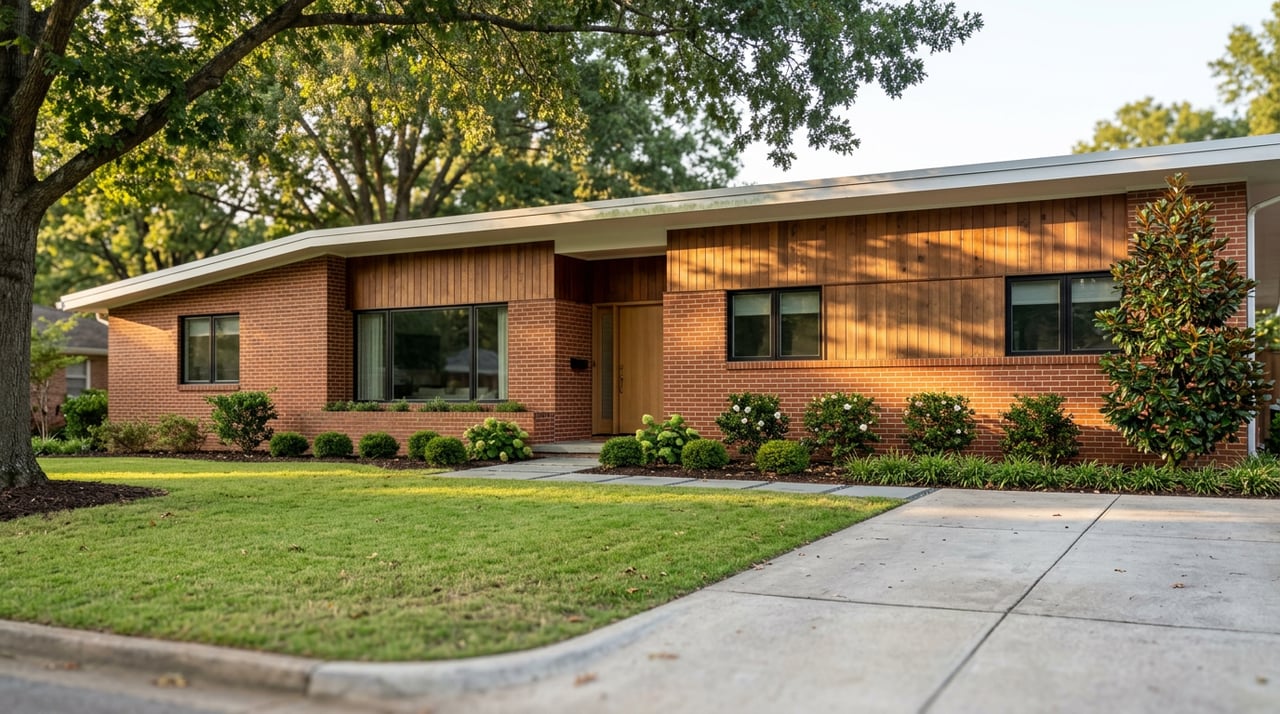
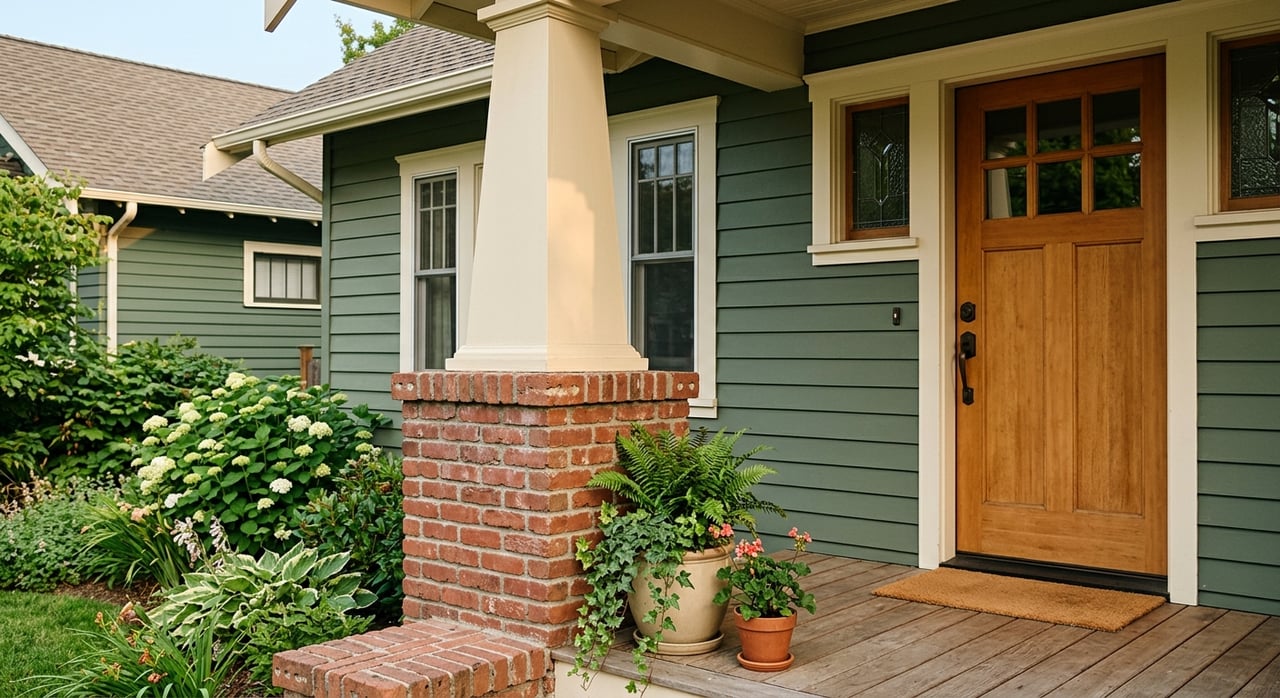
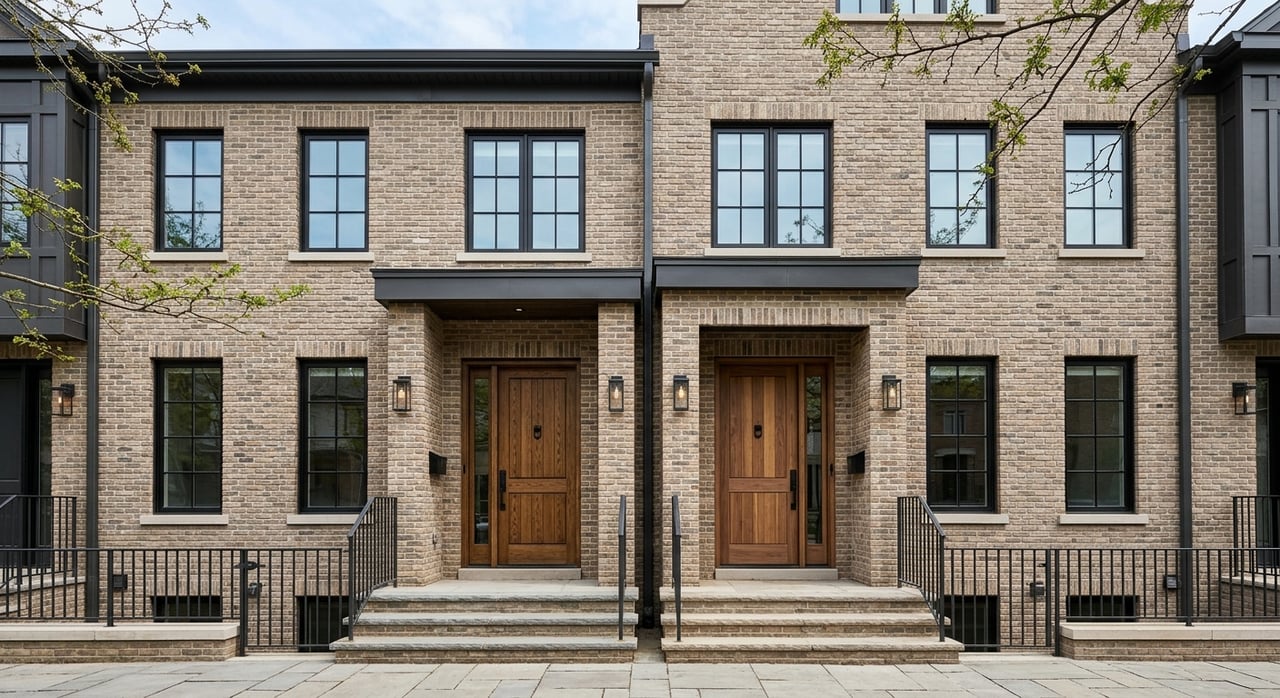
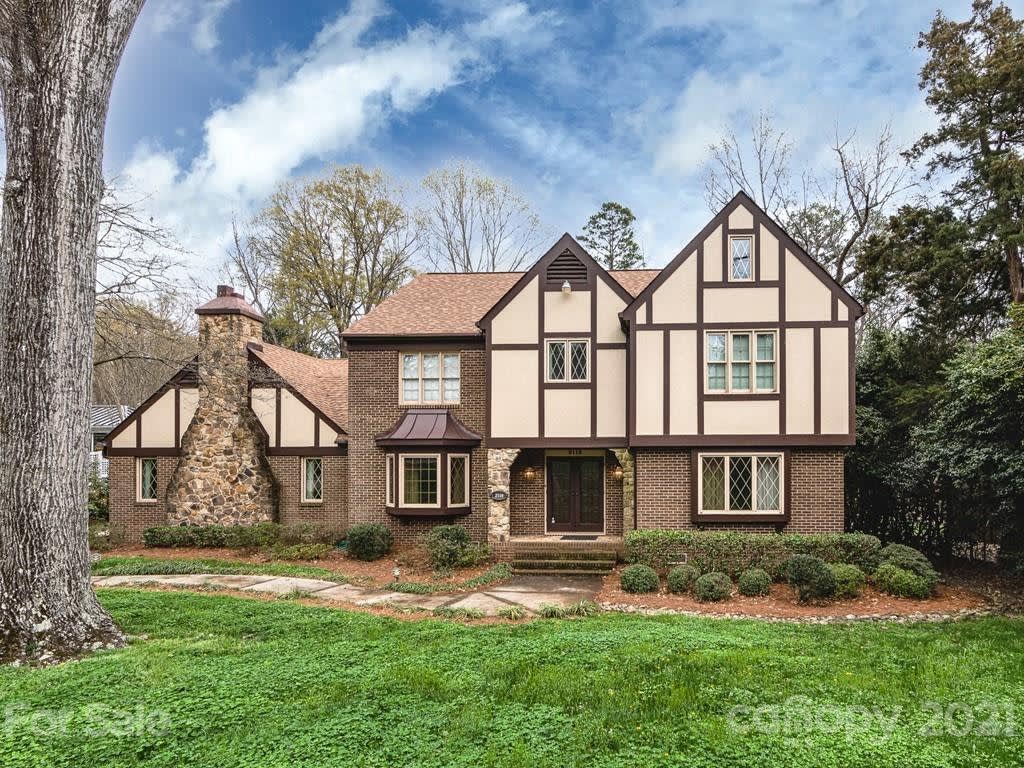
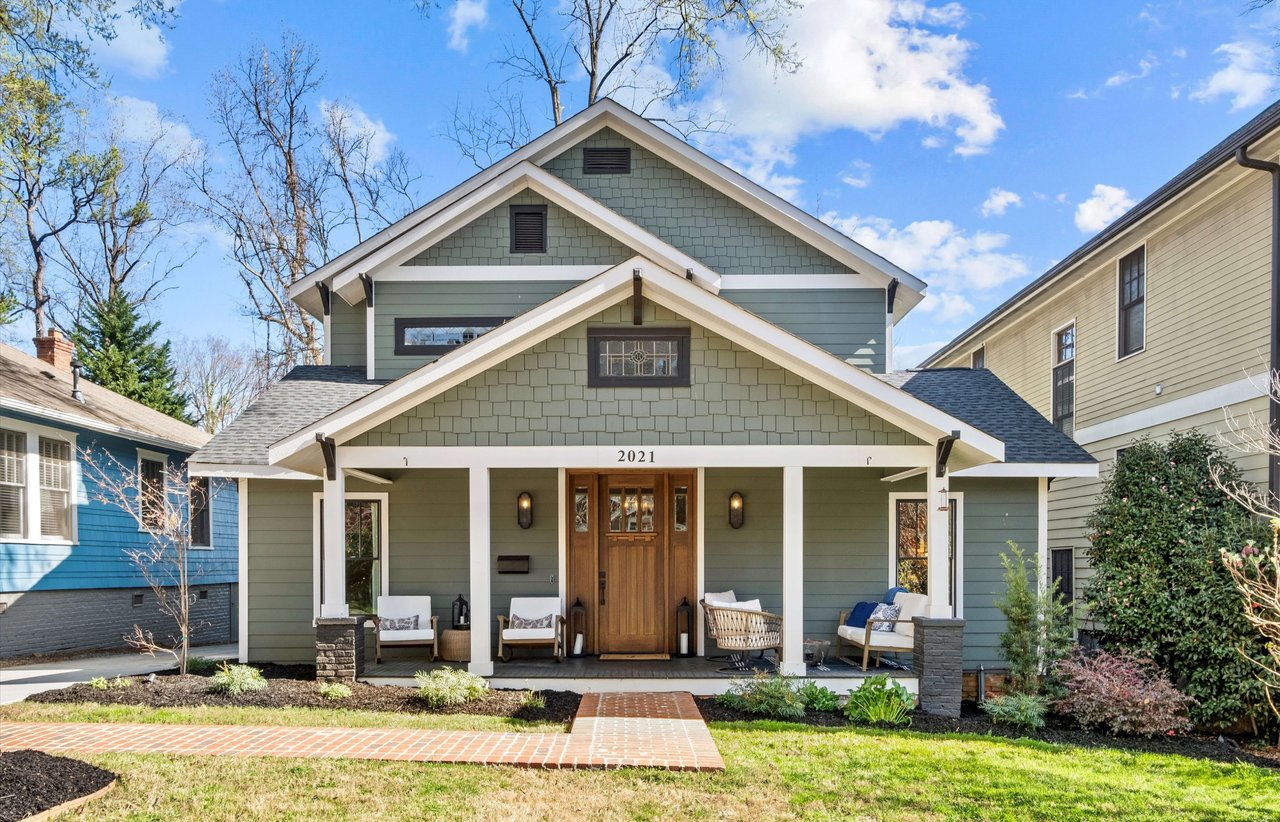
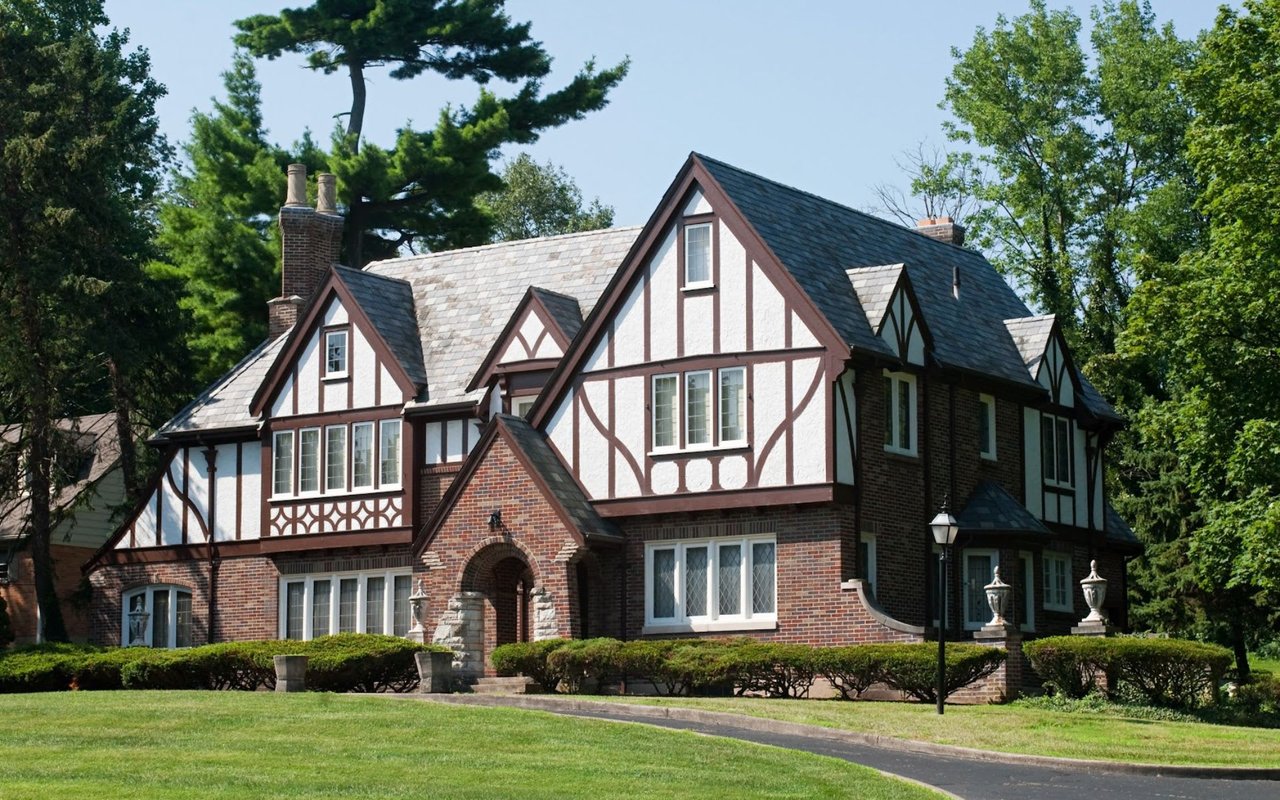
Architecturally, Myers Park is known for bungalow-influenced homes, Colonial Revival, and a strong Tudor Revival presence. National Register materials also note that brick became common in the 1920s, two-story Colonial Revival homes remained common on main streets, and ranch homes appeared more often on some later side streets.
Start with the house’s original story
Before you focus on countertops, light fixtures, or staging, confirm the home’s original build year and try to separate the original structure from later additions. In Myers Park, “older home” can describe houses built across several decades, and that difference shapes what good construction should look like.
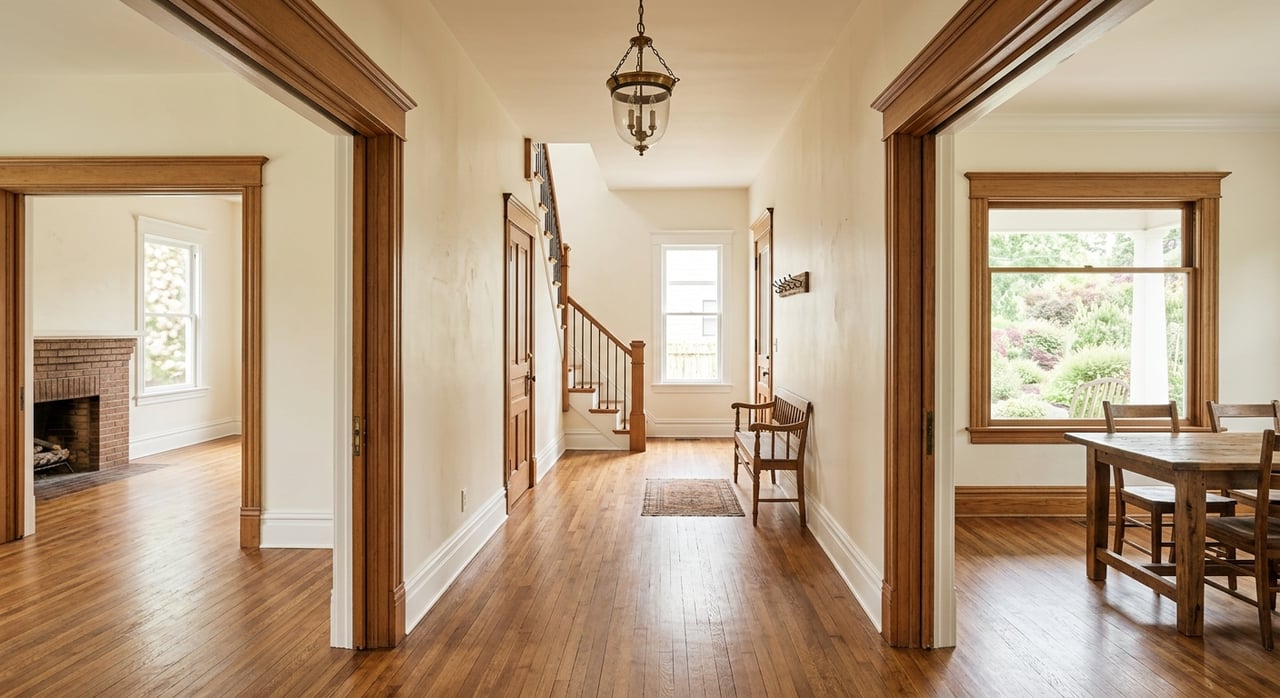
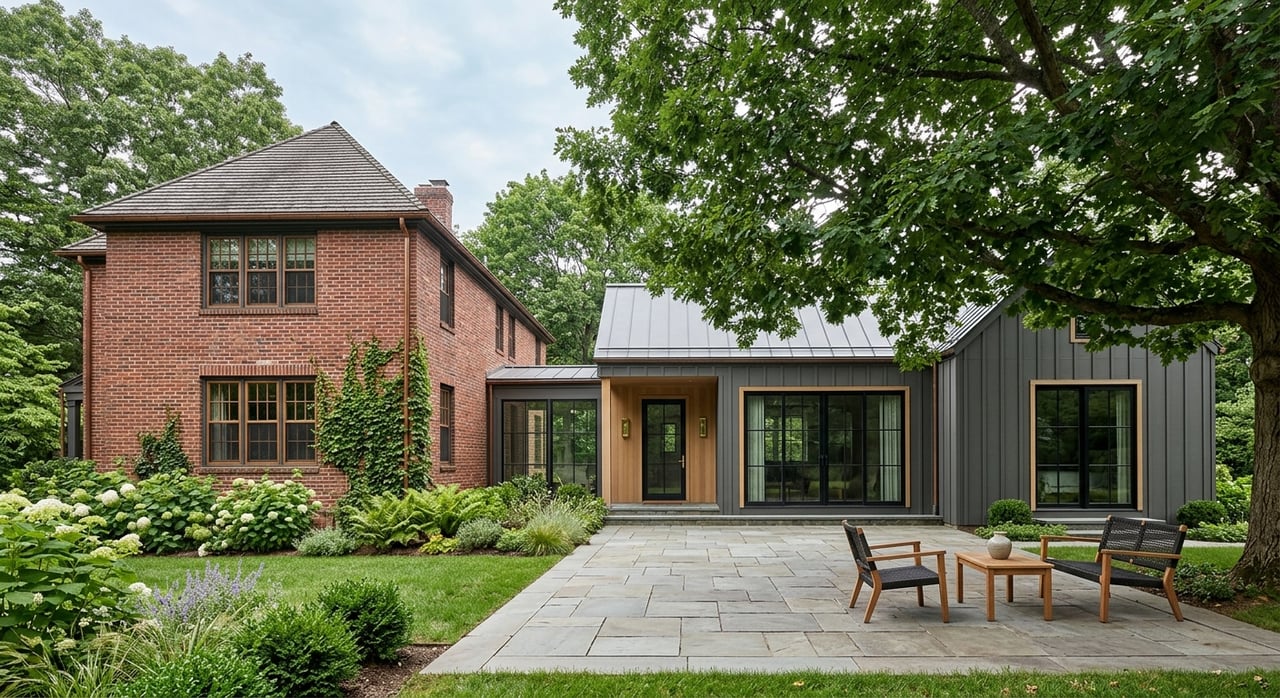
A well-executed house usually feels coherent. Rooflines should make sense, windows and doors should fit the home’s age and style, and additions should not overwhelm the original structure.
You should also pay attention to how the home sits on the lot. In a neighborhood shaped by traditional forms, the relationship between the house, the street, and the tree canopy can tell you a lot about whether changes were made thoughtfully.
Look for consistency, not just finishes
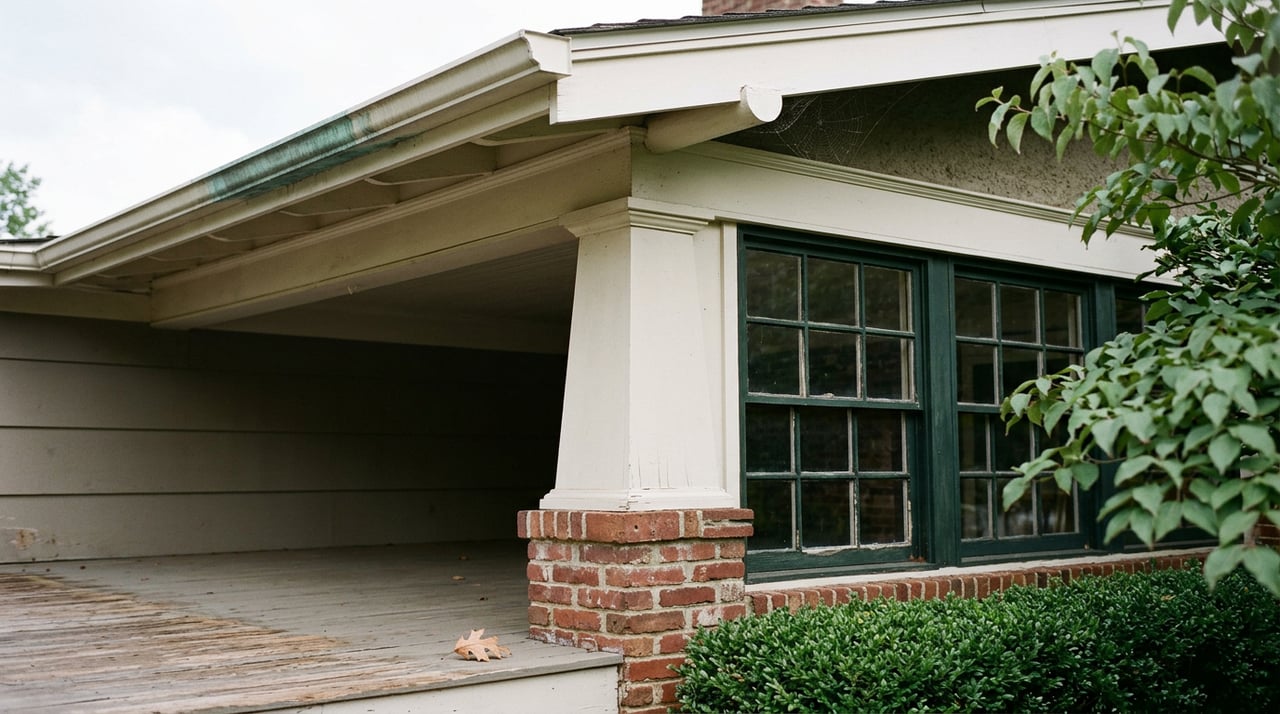
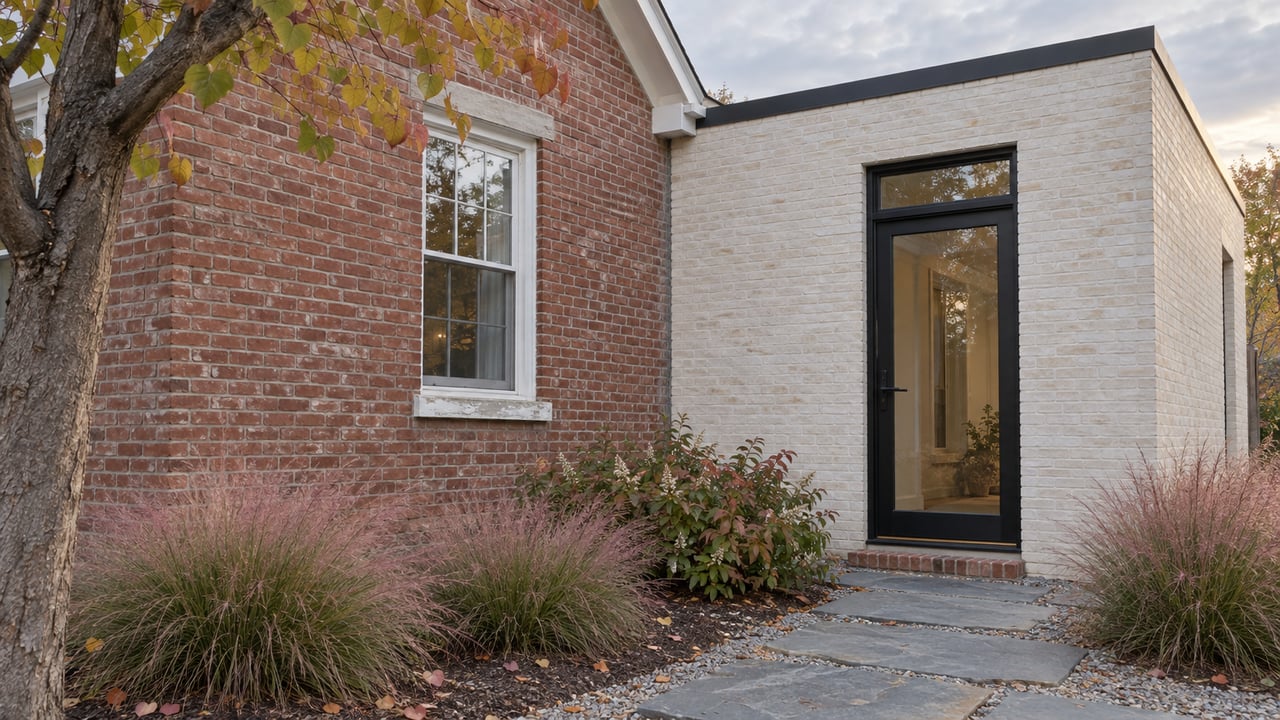
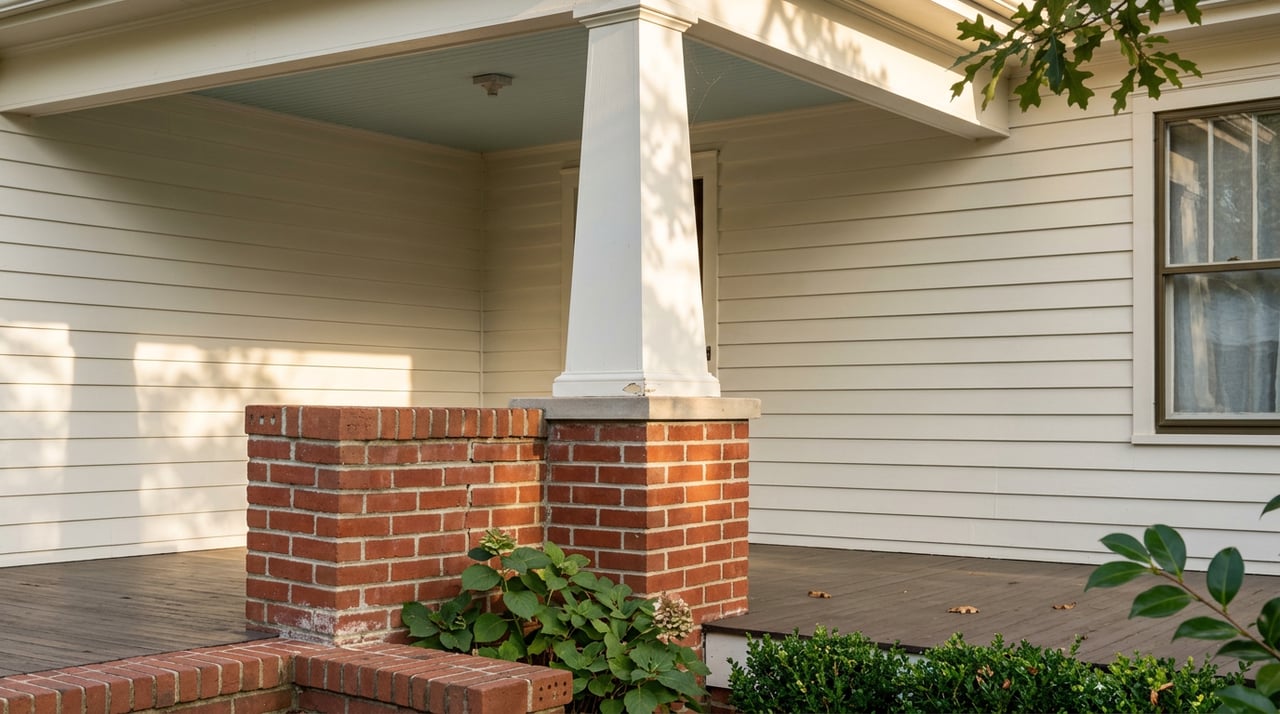
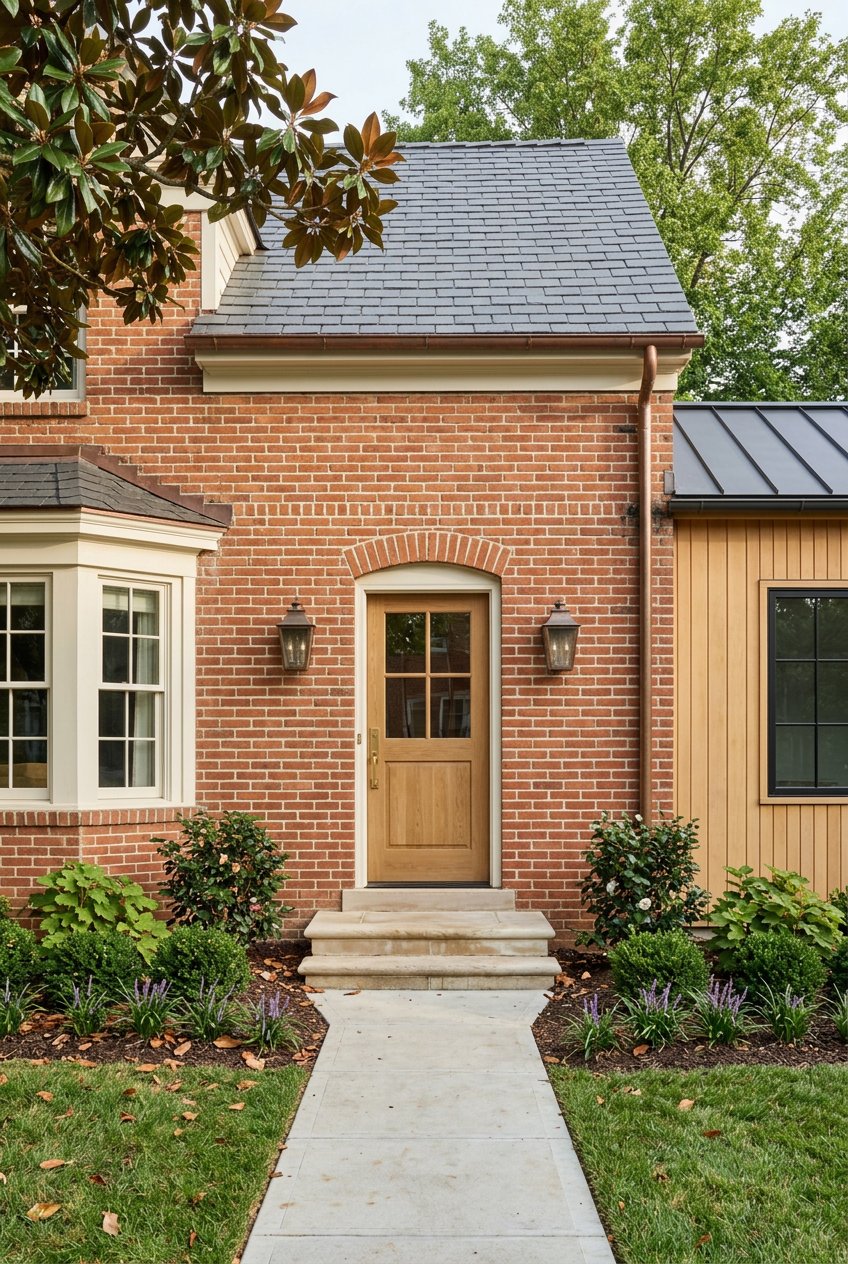
In Myers Park, quality often shows up in the transitions. Look closely at roof intersections, porch connections, window openings, and places where old and new materials meet.
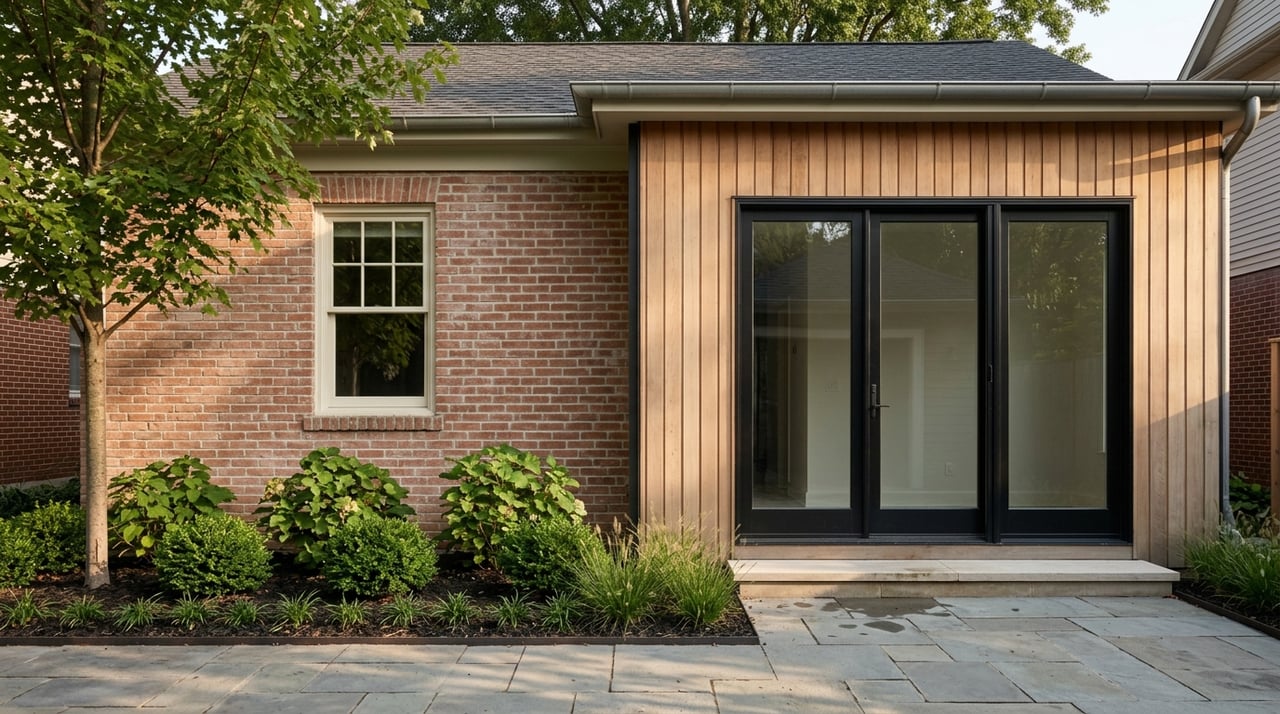
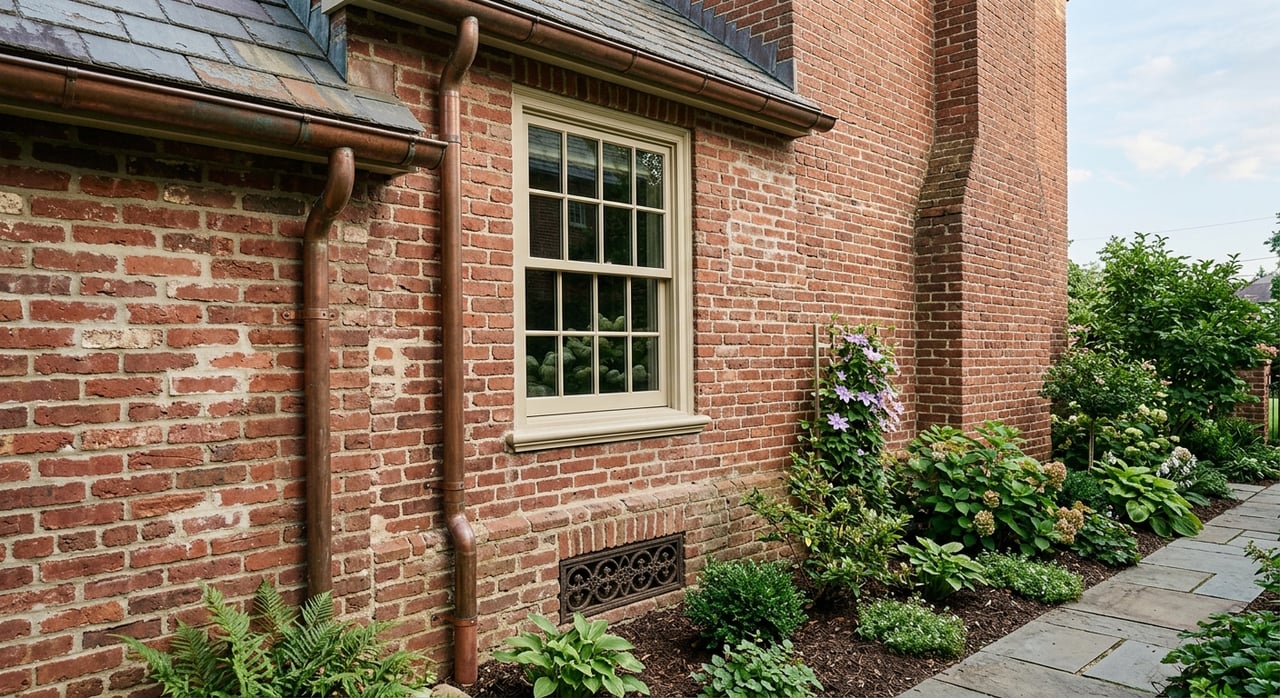
Patchwork in those areas deserves a second look. Mismatched masonry, uneven stucco, awkward roof tie-ins, or windows that feel out of place can suggest deferred maintenance or a renovation that did not respect the original form of the house.
This does not automatically mean the home is a bad purchase. It does mean you should slow down and ask better questions about what was changed, when it was changed, and whether the work was done carefully.
Check the exterior with a critical eye
A polished interior can distract you from bigger issues outside. During a tour, walk the full exterior and look for signs that the structure or envelope may need closer review.
Pay attention to:
- Roof transitions that look patched or forced
- Cracks or repairs in masonry or stucco
- Signs of settlement
- Mismatched windows or doors
- Porch areas where materials or detailing abruptly change
These are often the first clues that a home has been updated in pieces rather than as a well-planned whole. In a neighborhood with older housing stock, those clues matter.
Permit history is one of the best reality checks
If you want a practical way to evaluate renovation quality, ask for permit history. Mecklenburg County requires permits for new construction, reconstruction, alterations, repairs, and changes to electrical, mechanical, and plumbing systems.
Separate permits are required by trade, and most additions require plan review. Even work under the county’s stated $40,000 threshold is not automatically exempt if it affects load-bearing elements, plumbing design, HVAC design, electrical design, prohibited materials, or roofing.
For you as a buyer, permit records help answer a simple question: was this work done with the level of oversight the project called for? If the kitchen looks new, the addition feels seamless, and the systems were updated, the paperwork should help that story make sense.
Use Charlotte’s safety standards as a baseline
Not every construction problem is dramatic. Some of the most important issues are the basic ones that affect safety, durability, and day-to-day function.
Charlotte’s Minimum Housing Code offers a useful baseline. It focuses on essentials like heat, water, electricity, smoke and carbon monoxide detectors, structural safety, broken windows and doors, and electrical, plumbing, heating, or structural problems.
Moisture also matters. The city notes that leaks and moisture intrusion are important concerns, even when mold is not the cited violation.
That makes this a good mental checklist when you tour a home. Even if a property looks stylish, you should still notice whether windows close properly, doors appear damaged, moisture stains are present, or systems show signs of neglect.
Know when to bring in specialized inspectors
A general home inspection is important, but in Myers Park, it is not always enough. Many homes in the area were built before 1978, so lead is a routine due-diligence issue.
According to EPA guidance, the lead-based paint disclosure rule applies to most housing built before 1978. Sellers must disclose known information, and buyers receive a 10-day period to inspect or assess for lead hazards.
If a home was built before 1978 and you plan to renovate, lead-safe planning matters even more. EPA states that renovation, repair, and painting work in pre-1978 homes can create significant amounts of lead-based paint dust, which is especially relevant in homes with older windows, trim, porches, and painted surfaces.
Asbestos deserves the same caution. EPA says you generally cannot identify asbestos by sight alone, and if suspect materials are damaged or may be disturbed during renovation, they should be sampled by a trained and accredited asbestos professional.
Common older-home materials can include:
- Floor tile
- Ceiling tile
- Old pipe wrap
The simple rule is this: once your plans move beyond cosmetics and into opening walls, replacing roofs, removing old finishes, or evaluating additions, it is smart to bring in specialists.
Verify historic district status by address
One of the biggest misconceptions in Myers Park is assuming every property is subject to the same historic rules. That is not the case.
Charlotte’s historic district information notes that Hermitage Court is a local historic district within Myers Park, while the broader Myers Park district appears in National Register materials. In practical terms, that means you should verify the exact address before assuming historic review rules do or do not apply.
If a property falls within a Charlotte Local Historic District, confirm whether a Certificate of Appropriateness is required before planning exterior changes. That can include items such as windows, doors, fencing, or trees, even when a building permit may not be required for the work you have in mind.
A smart Myers Park tour checklist
When you are walking into a home, try to evaluate the full picture instead of reacting only to finishes. The strongest purchase is usually the one where the structure, systems, permit history, and preservation status all make sense together.
Use this checklist as you tour:
- Confirm the original build year
- Identify what appears original versus added later
- Ask for permit records for additions, roof work, HVAC, plumbing, and electrical changes
- Look closely at roof transitions, masonry, stucco, settlement, and window consistency
- Treat pre-1978 homes as lead-aware, especially if renovation is likely
- Do not assume suspect materials are asbestos-free based on appearance alone
- Verify whether the address is in a Charlotte Local Historic District
This kind of process helps you stay objective. In a neighborhood as established and varied as Myers Park, that discipline can protect both your budget and your long-term plans.
Why a construction-minded advisor matters
In Myers Park, the challenge is rarely just finding a beautiful home. The real challenge is knowing whether that beauty is backed by solid work, thoughtful updates, and realistic future maintenance.
That is where a design and construction lens can help. When you look past the cosmetics and evaluate the bones, the systems, and the paper trail, you put yourself in a better position to buy with confidence.
If you want help evaluating a Myers Park home with a practical eye for craftsmanship, renovation risk, and long-term value, connect with Real Estate Layne.
FAQs
How can you evaluate construction quality in Myers Park homes?
- Start with the home’s build year, identify original sections versus additions, review exterior transitions and materials, and ask for permit records for major work like additions, roofing, HVAC, plumbing, and electrical updates.
Why do permit records matter for Myers Park houses?
- Mecklenburg County requires permits for many types of construction, repair, and system updates, so permit history can help you confirm whether renovation work received the oversight it likely needed.
What should you look for outside a Myers Park home?
- Focus on roof transitions, patched masonry or stucco, settlement, porch transitions, and mismatched windows or doors, since those details can reveal poor-quality renovations or deferred maintenance.
Do older Myers Park homes need lead or asbestos testing?
- If the home was built before 1978, lead should be part of your due diligence, and if suspect older materials may be disturbed during renovation, asbestos should be evaluated by a trained professional rather than judged by appearance.
Are all Myers Park properties in a historic district?
- No. You should verify the exact address because the broader Myers Park area and local historic district rules are not the same thing, and some properties may have local review requirements for exterior changes while others do not.