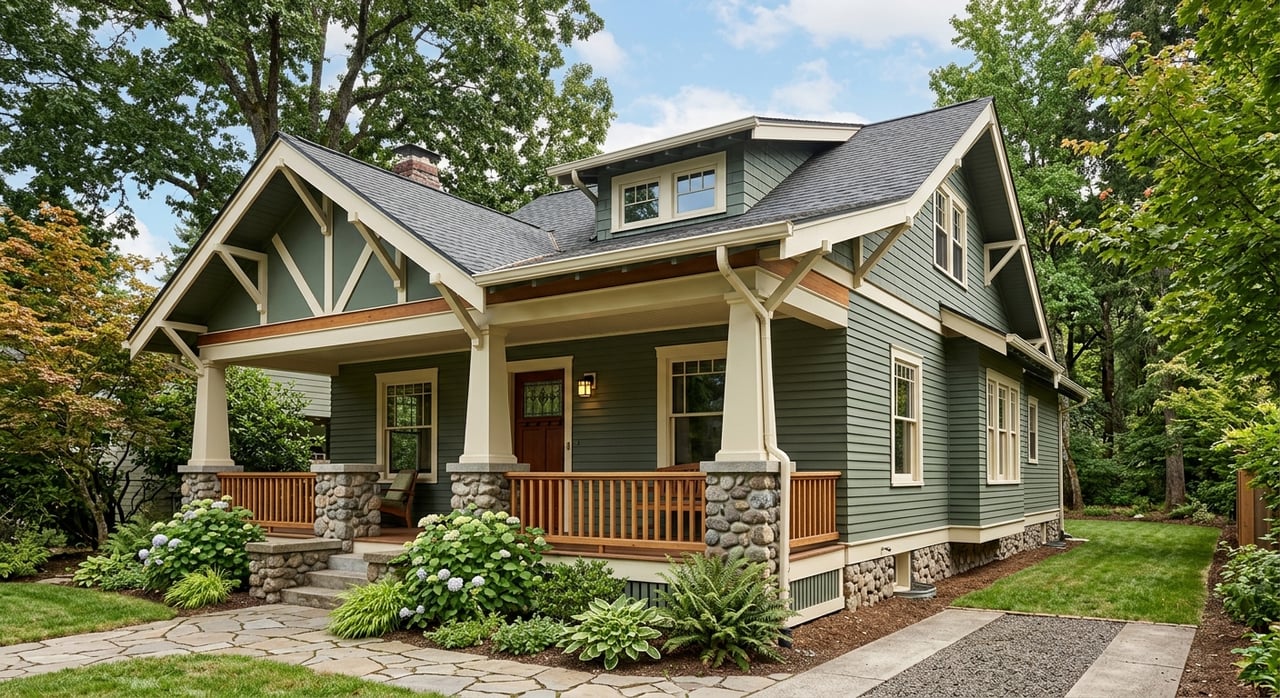
Wondering whether that charming Dilworth bungalow can still work for the way you want to live five or ten years from now? You are not alone. Many buyers love the character, porch appeal, and historic setting of these homes, but they also want enough flexibility to update the layout, add space, or improve function over time. If you are buying with future renovation in mind, the key is to look past the staging and understand the house, the lot, and the rules that shape what comes next. Let’s dive in.
Why do Dilworth bungalows need a different lens?
Dilworth is not just another older neighborhood in Charlotte. It is one of the city’s local historic districts, and the neighborhood’s long-term appeal is tied to both the homes and the preserved street pattern and character that the Historic District Commission helps maintain.
That matters when you buy a bungalow here. Dilworth’s history goes back to the 1890s as Charlotte’s first suburb, with later expansion in the 1910s. The neighborhood was also listed in the National Register of Historic Places in 1987, which helps explain why buyers continue to value its established setting and architectural character.
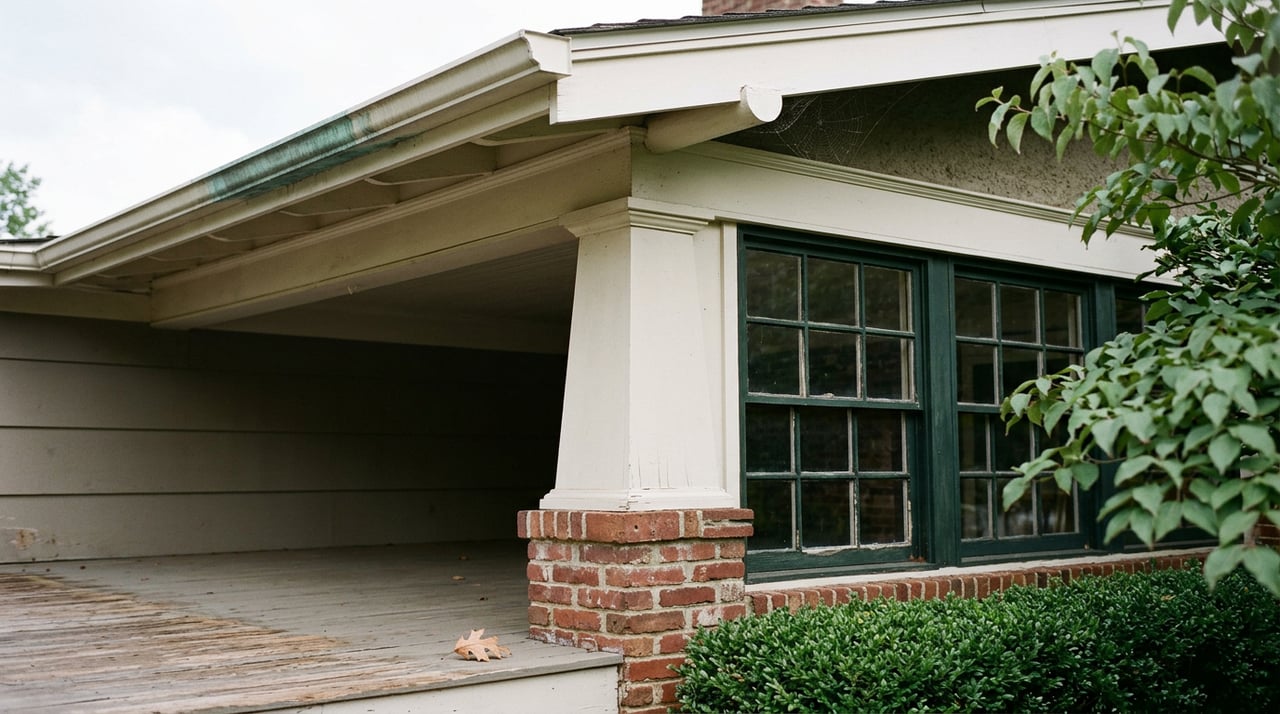
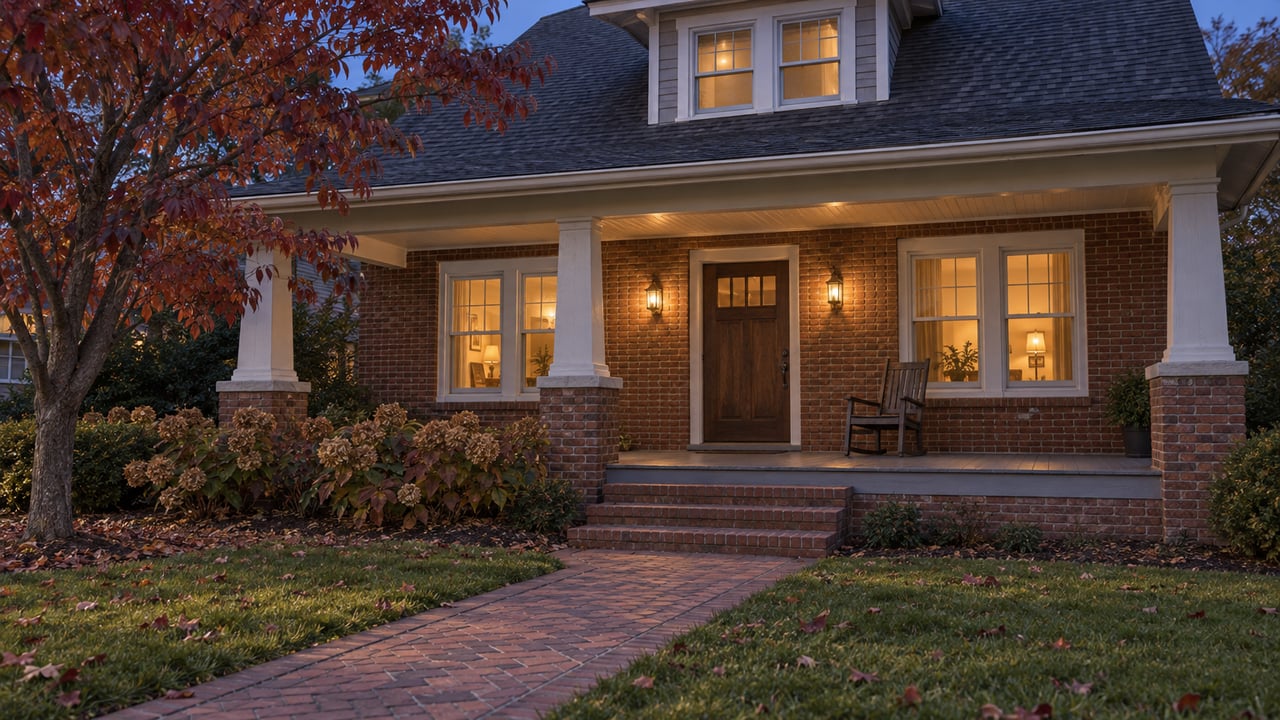
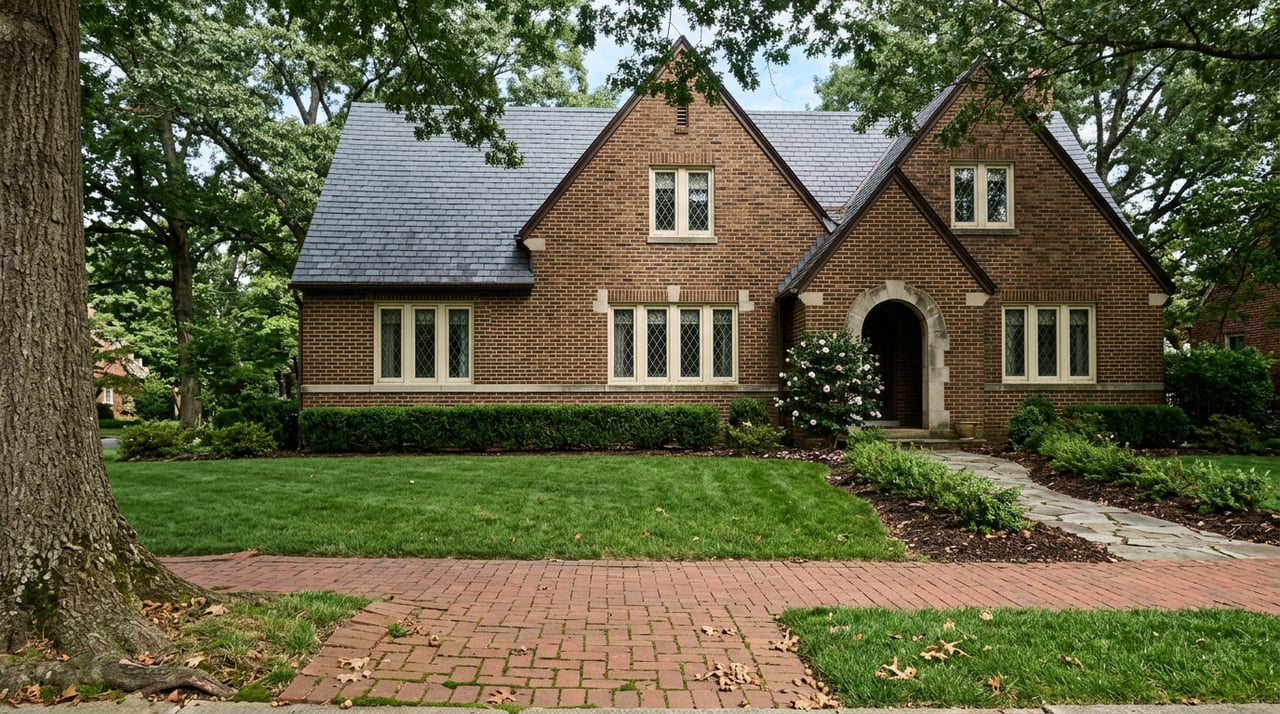
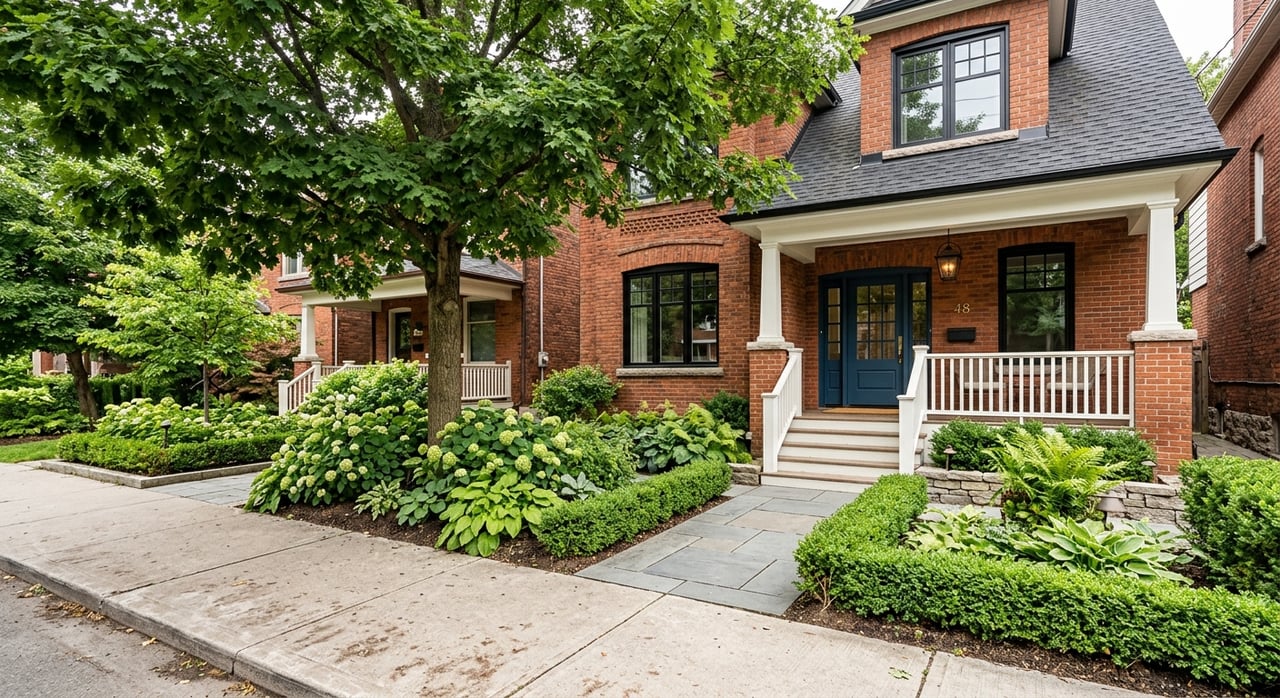
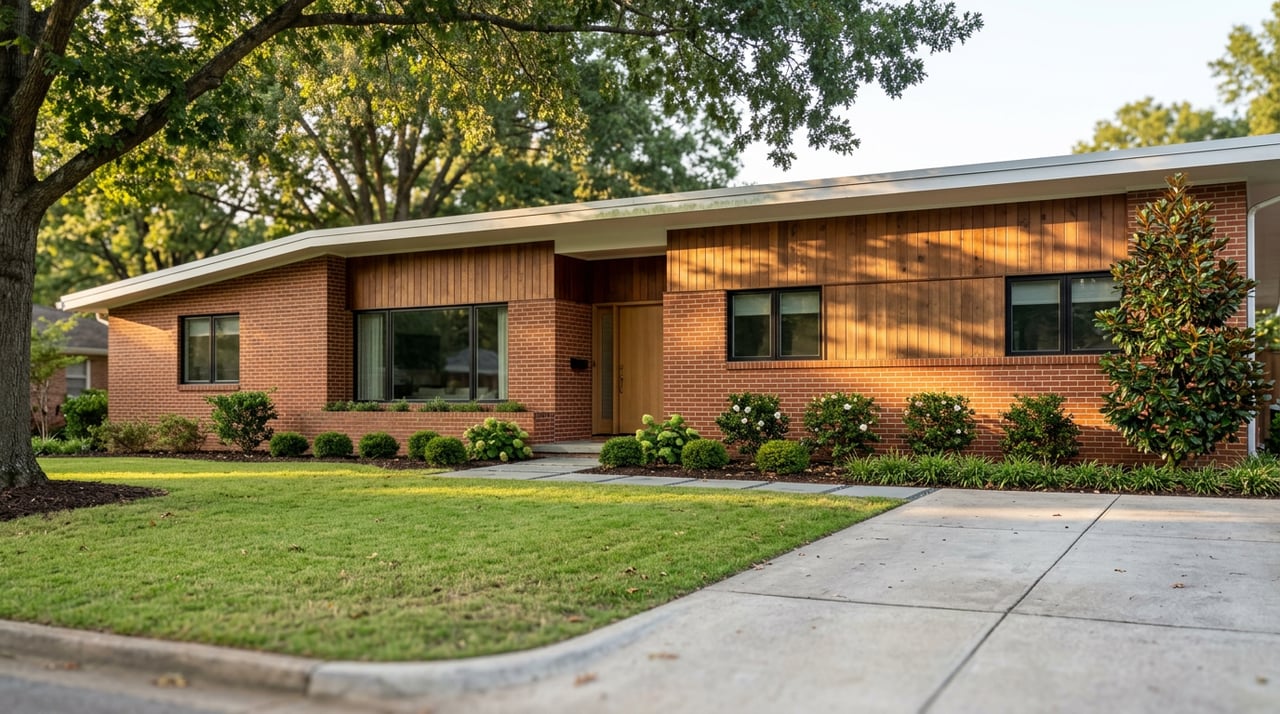
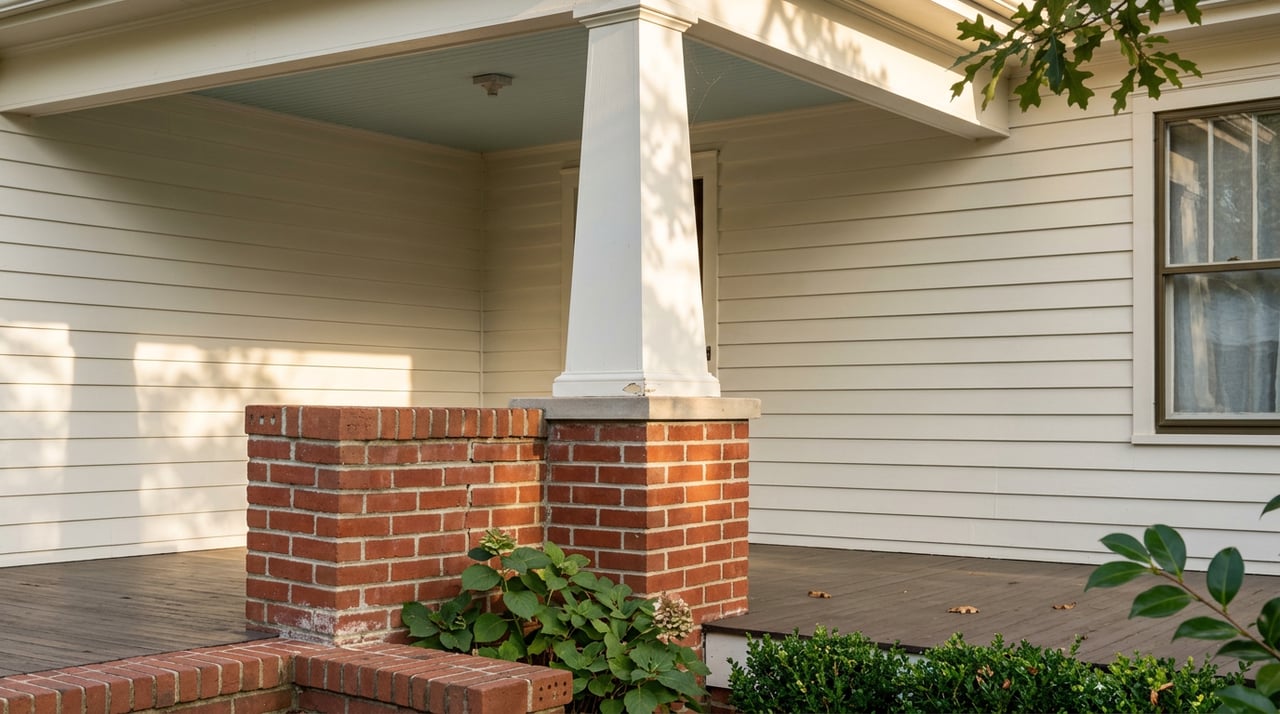
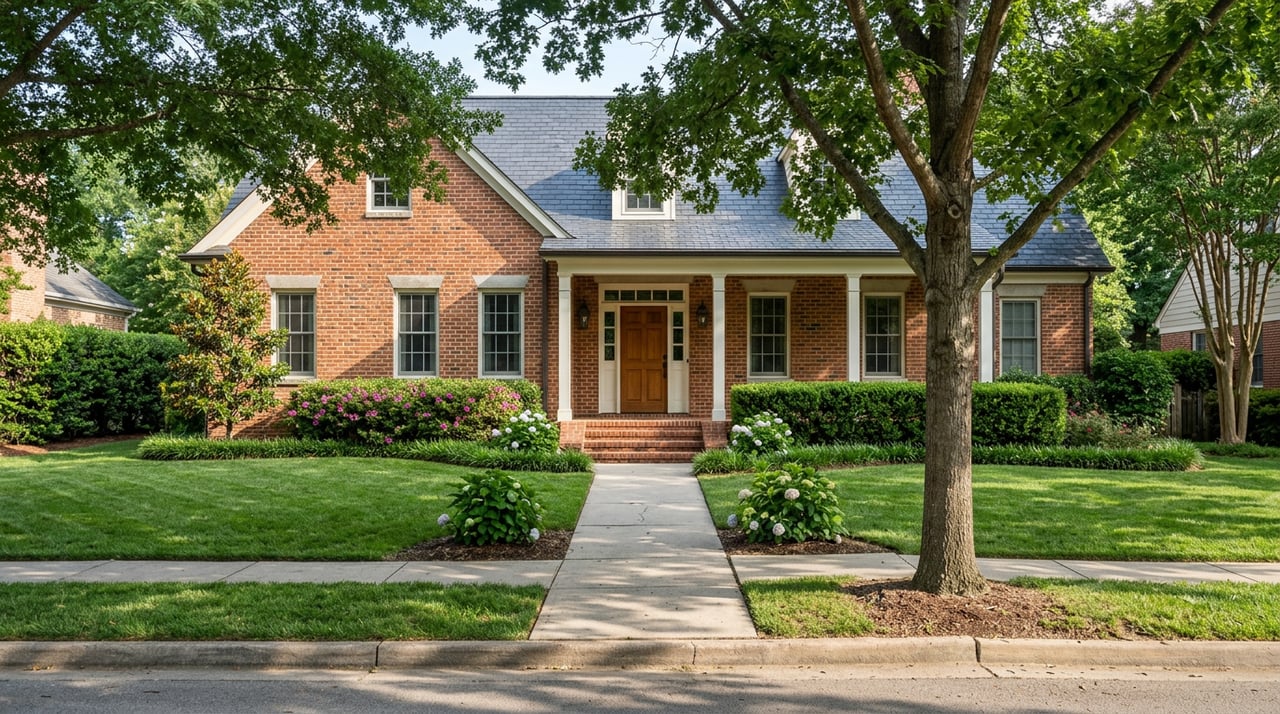
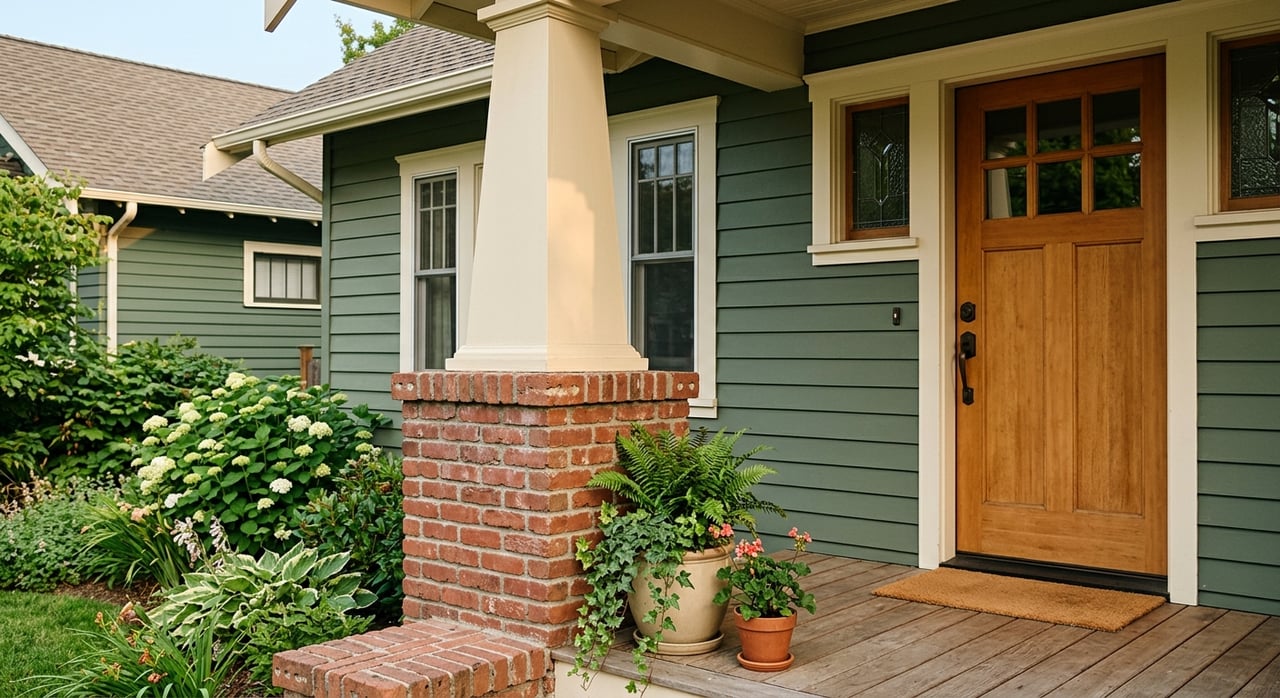
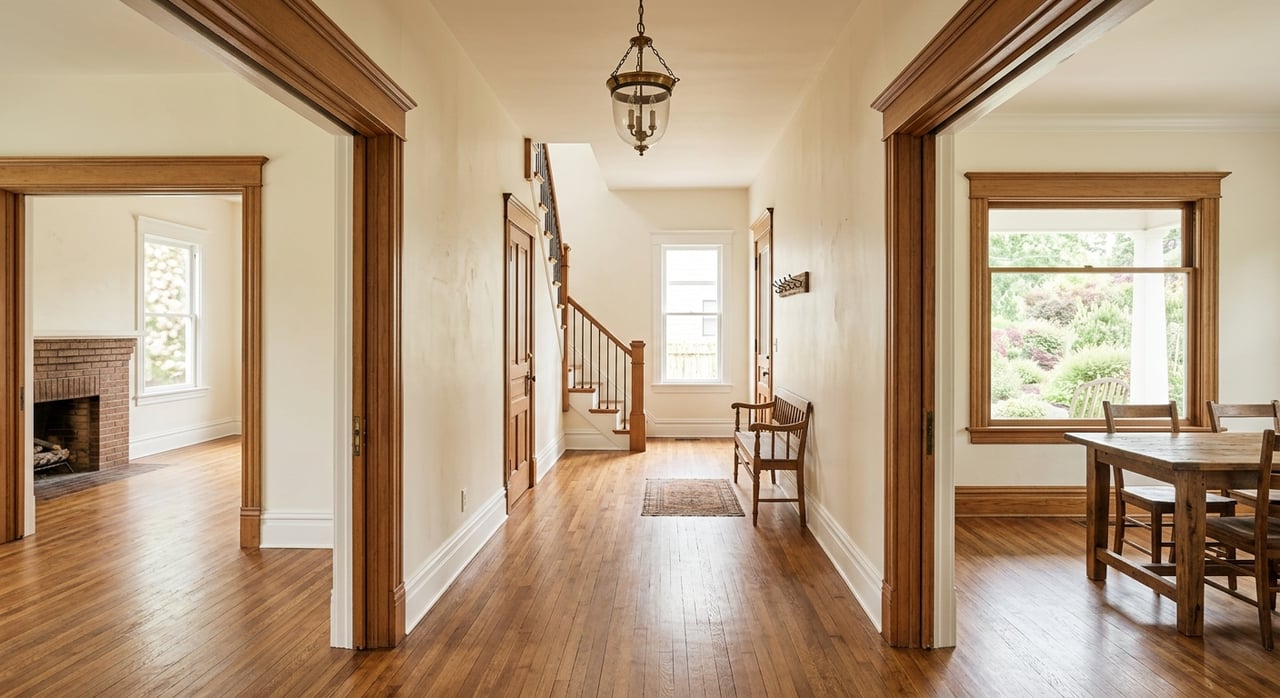
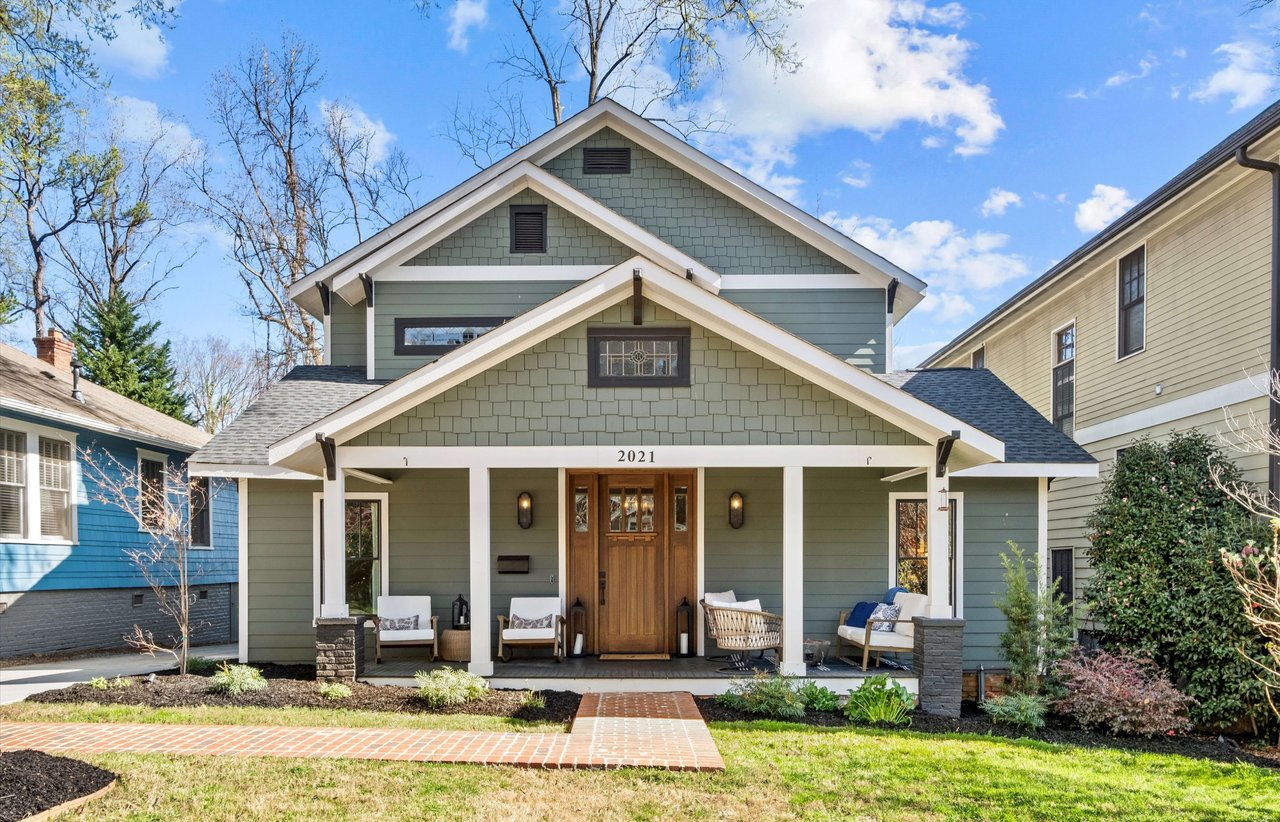
The bungalow itself is part of that appeal. These homes are usually low-slung, one to one-and-a-half stories, with broad rooflines, substantial front porches, and compact interior layouts. They often feel warm and efficient, but the original floor plans can also feel tight before renovation.
What “future renovation potential” really means
When buyers say they want renovation potential, they often mean one of several things. You may want to open up the interior, improve kitchen flow, add a primary suite, create a better indoor-outdoor connection, or build a rear addition that gives the house more flexibility.
In Dilworth, potential is not just about square footage. It is about whether the house has a clean structural story, whether the lot gives you room to expand, and whether a future project can work within historic-district review and zoning rules.
A pretty bungalow is not always the best renovation candidate. In many cases, the better buy is the house with solid bones, documented maintenance, and a rear-yard setup that gives you practical options later.
Start with the house, not the finishes
Older homes tell the truth in places buyers do not always focus on first. If you are serious about renovating later, spend less time getting distracted by cosmetic updates and more time understanding the structure and history of the house.
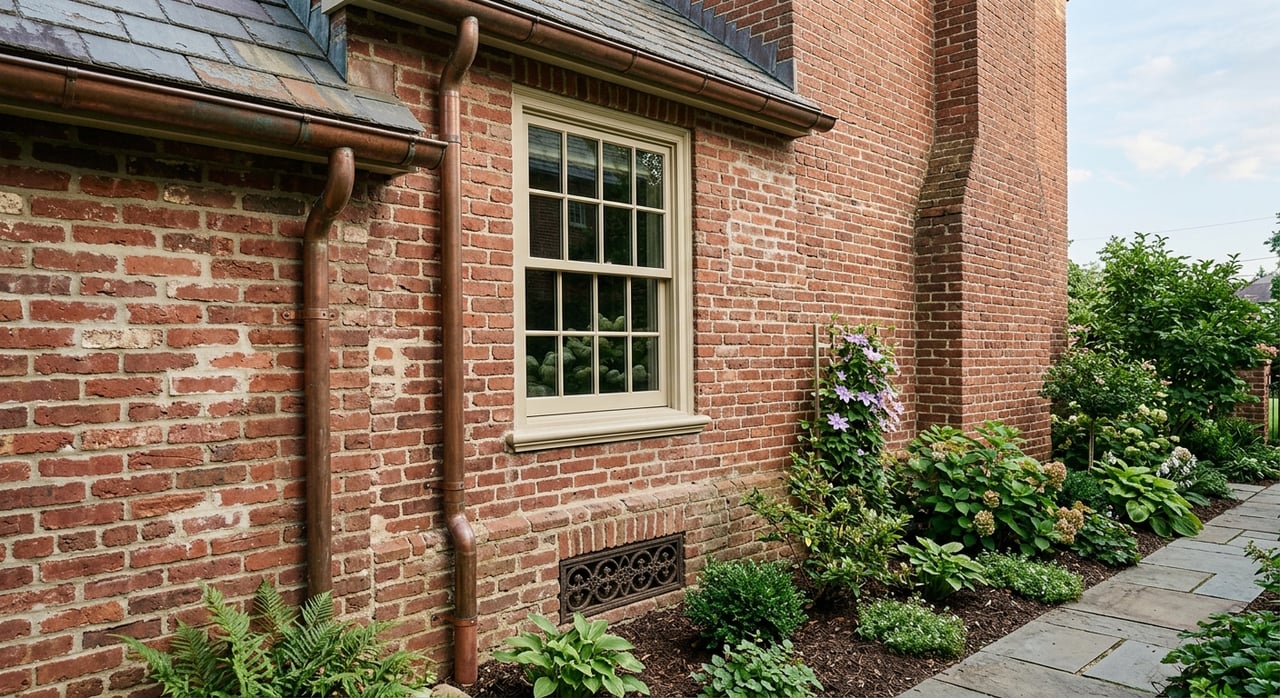
National Park Service guidance on older-building investigation points buyers toward spaces like attics and basements because those areas can reveal structural members, signs of past additions, and evidence of changes over time. It also notes the importance of keeping water away from foundation walls, since moisture problems can accelerate damage.
For a Dilworth bungalow, that means you want to look for a house with a clear and understandable story. If the home has been altered several times, the question is whether those changes were thoughtful and documented or pieced together in ways that create uncertainty.
Key areas to inspect closely
Before you fall in love with finishes, pay close attention to these areas:
- Foundation condition and any signs of past repair
- Evidence of moisture issues around the foundation
- Roofline changes that may suggest prior additions or structural alterations
- Attic framing and visible signs of modification
- Basement or crawlspace clues about age, repair history, and water management
- Patched openings, changed windows, or altered door locations
- Interior circulation that feels awkward or suggests removed walls or pieced-together additions
- Any history of undocumented changes
A bungalow that has kept its character-defining features while receiving documented maintenance is often easier to plan around. A house with repeated, poorly documented alterations can turn a simple renovation into a much more expensive puzzle.
Why the lot matters as much as the house
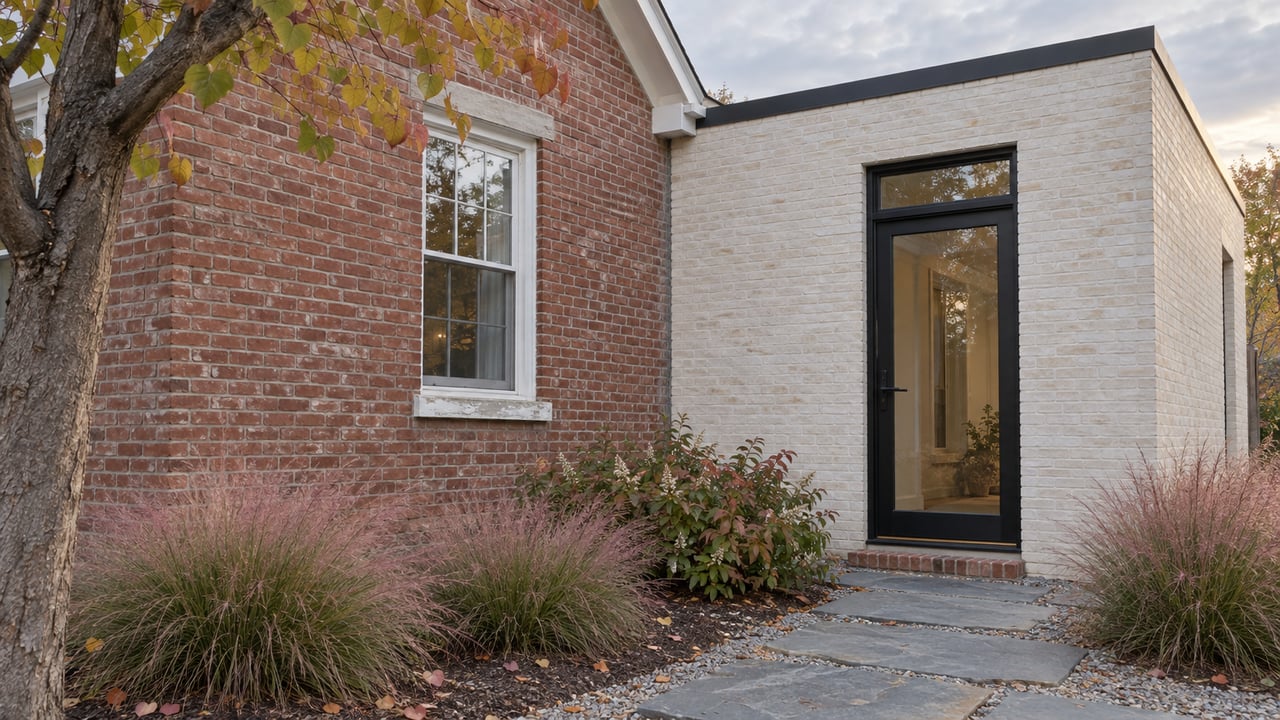
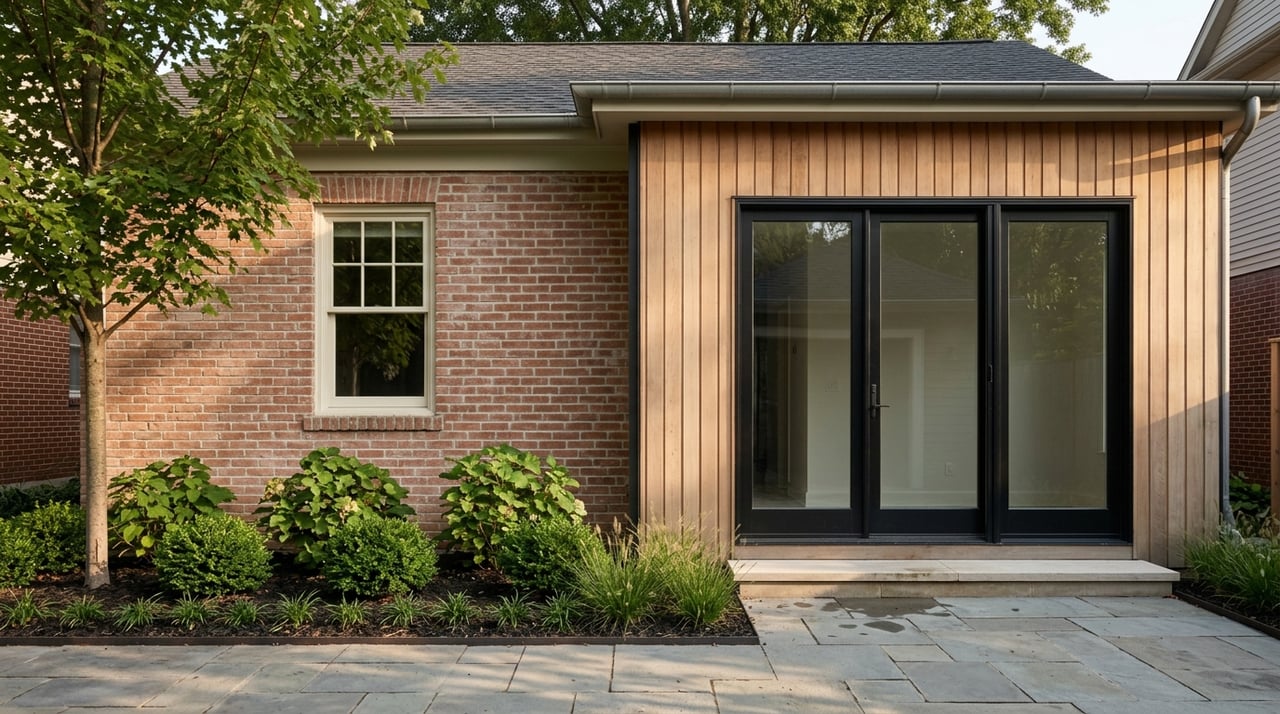
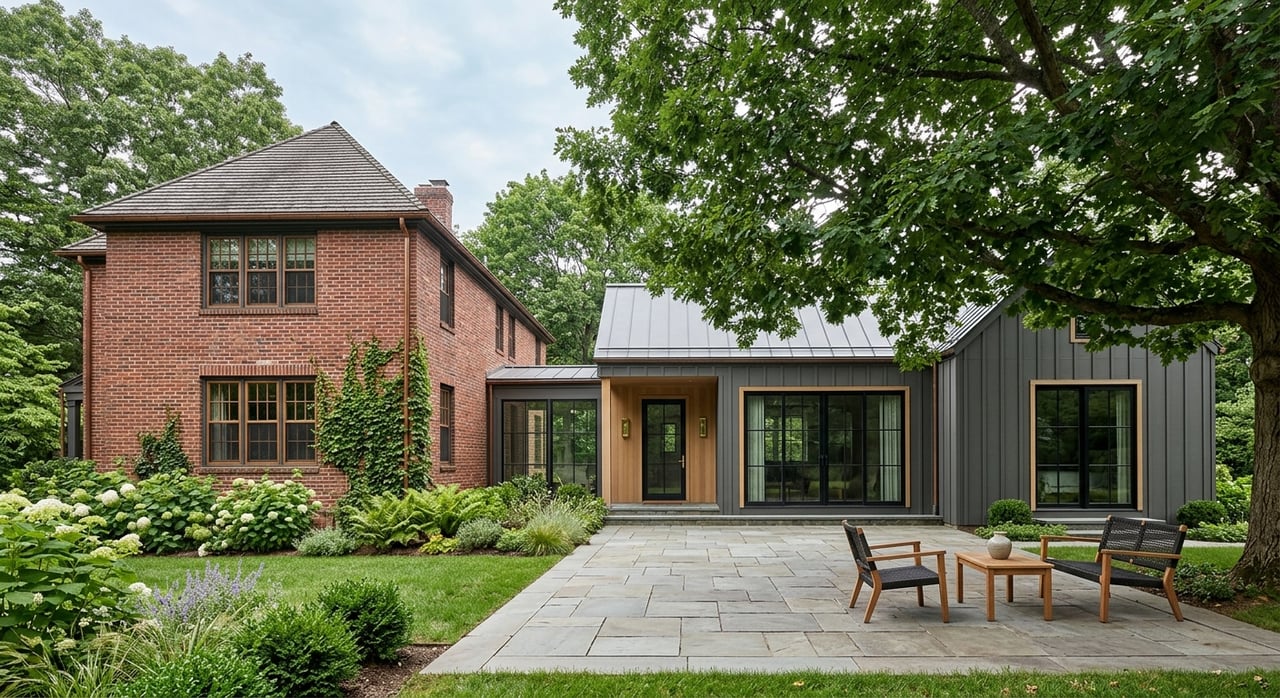
In Dilworth, renovation potential is often won or lost in the rear yard. Historic-district guidance generally favors additions that sit toward the rear of the house, remain secondary to the original roofline, and stay compatible with the existing home in massing, form, scale, roof form, foundation, windows, and materials.
That is why the lot matters so much. Even if the bungalow itself is a great candidate, the parcel still needs to support the kind of addition or accessory structure you may want later.
Charlotte’s development rules are parcel-specific, and setback requirements can depend on the lot, the street type, and even the placement of neighboring homes on the block. On some established blockfaces, new placement must relate to the average front setback of nearby homes. On some street types, setbacks are measured from the existing right-of-way or a point tied to the future sidewalk.
The practical takeaway is simple: do not assume a lot can support a future project just because the yard looks large. Geometry, frontage, and setback context all matter.
Historic review can shape your plan
This is where many buyers get surprised. In Charlotte's local historic districts, a Certificate of Appropriateness is required before exterior work begins if the project involves alterations, restoration, new construction, moving, or demolition. The city also notes that some landscaping and site work may require review.
That means zoning approval alone is not enough in Dilworth when your project changes the exterior. Ordinary repair and maintenance using in-kind materials, such as certain re-roofing work, generally do not require approval, but the city still advises confirming with Historic District Commission staff before work starts.
What the review process usually favors
If your plan includes an addition, the design framework generally points in a clear direction:
- Rear-oriented additions are usually more workable than front-facing ones
- Additions should remain secondary to the original house
- Massing and scale should stay compatible with the bungalow
- Roof form, foundation, windows, and materials should relate to the existing structure
- The addition should complement the original house while still being distinguishable from it
Official HDC case materials also show that projects adding more than 50% of the home’s square footage are typically treated as major projects. Accessory dwelling units are also listed as major-project work.
That does not mean additions are off the table. It means thoughtful planning matters early, ideally before you buy.
What should buyers verify before making an offer?
If you know you want to renovate later, due diligence should go beyond the usual checklist. You are not just buying today’s house. You are buying the renovation envelope that comes with it.
Here are the most important things to verify upfront:
Parcel and overlay checks
Use Mecklenburg County parcel tools to confirm:
- Zoning district
- Historic-district status
- Floodplain overlays, if applicable
- Parcel boundaries and mapping records
- Other overlays or site constraints that could affect future work
House-history checks
Try to understand:
- Whether additions appear original or later
- Whether changes seem well integrated or improvised
- Whether maintenance has been consistent and documented
- Whether foundation and water-management issues are visible
Expansion-fit checks
Evaluate whether the property seems to offer:
- A clear rear-yard opportunity for future addition
- Enough remaining site flexibility without overwhelming the original bungalow form
- Space for a rear porch, deck, or modest addition that could fit within both zoning and historic review
Charlotte’s general development rules do allow certain porches and decks to extend into required rear setbacks under specific limits for single-family homes, although no architectural feature may encroach into the public right-of-way. That can make a rear porch, deck, or modest rear expansion more realistic than some buyers expect, but the final design still has to work within historic-district review.
Thinking about garages, workshops, or ADUs?
For some buyers, the long-term goal is not just a bigger main house. You may be thinking about a detached garage, a workshop, or an accessory apartment. If so, accessory-structure rules matter just as much as the bungalow itself.
Charlotte’s UDO says accessory structures generally must be on the same lot as the main house and are usually kept out of front and corner-side setbacks. It also says the combined square footage of accessory structures on a residential lot, excluding ADUs, cannot exceed the first-floor heated area of the main house.
There is another detail buyers often miss. A detached accessory structure connected by a breezeway is still treated as detached for zoning purposes.
For Dilworth buyers, that means a future garage or outbuilding may be possible, but it has to fit both the lot and the review framework. If an ADU is part of your long-term plan, remember that HDC materials identify ADUs as major-project work.
Red flags that can limit upside
Not every bungalow with charm is a smart renovation buy. If you want long-term value and fewer surprises, be careful with homes that already feel constrained before you even start planning.
Watch for these warning signs:
- Unclear permit or alteration history
- Signs of foundation movement or chronic moisture issues
- Lots that leave little room for rear expansion
- Prior additions that overpower the original house
- Exterior changes that may be harder to reconcile in future review
- A layout that has already been altered in ways that reduce planning flexibility
In contrast, the strongest candidates often share a few simple traits: good maintenance, understandable evolution over time, and enough lot flexibility to support a rear-focused plan.
A practical way to compare Dilworth bungalows
If you are choosing between several homes, compare them through a builder-and-designer lens. This is where many buyers gain an edge.
Instead of asking only which home looks best today, ask which one gives you the cleanest path to tomorrow. A less-updated bungalow with a better lot, cleaner structure, and more predictable renovation envelope may be the stronger long-term buy.
Smart comparison questions
When you tour homes, ask yourself:
- Does this house have a clear rear-yard expansion opportunity?
- Do the foundation, attic, and lower-level spaces tell a clean story?
- Are prior changes easy to understand?
- Does the bungalow still read like the original house, or has it already been overworked?
- Would a future addition stay secondary to the original form?
- Does the lot seem likely to support the kind of project you actually want?
Those questions can help you avoid overpaying for charm that comes with hidden limitations.
Why local guidance matters in Dilworth
Buying in a historic district is not just about taste. It is about matching your goals to a property that can realistically support them.
That is why local knowledge matters so much here. You want to understand the neighborhood’s historic framework, parcel-level constraints, and the difference between a house that is merely appealing and one that is genuinely workable for future improvement.
For buyers who love older homes, that kind of clarity can save time, money, and frustration. It can also help you buy with more confidence, knowing the house fits both your life now and your plans later.
If you are considering a Dilworth bungalow and want a candid read on condition, lot potential, and what may make sense down the road, The Eric Layne Group can help you evaluate the opportunity with a practical design and construction lens.
FAQs
What should buyers inspect first in a Dilworth bungalow?
- Start with the foundation, attic, basement or crawlspace, roofline changes, moisture management, and signs of past additions before focusing on cosmetic updates.
Do Dilworth bungalow additions require historic approval?
- Yes, exterior changes in Charlotte local historic districts generally require a Certificate of Appropriateness before work begins, while ordinary in-kind repair and maintenance usually do not.
Are rear additions allowed on Dilworth bungalows?
- Yes, rear additions are generally more consistent with historic-district guidance when they remain secondary to the original house and stay compatible in scale, form, and materials.
Can a Dilworth property include a detached garage or accessory structure?
- It may, if the lot and zoning allow it, but accessory structures must follow Charlotte’s lot and setback rules and still fit the property’s overall review context.
How do buyers check zoning and historic overlays in Dilworth?
- Mecklenburg County GIS tools can be used to confirm zoning overlays, historic-district status, parcel mapping, and other property-level constraints.
What makes one Dilworth bungalow a better renovation candidate than another?
- The strongest candidates usually have solid maintenance history, a clear structural story, rear-yard expansion potential, and enough lot flexibility to support improvements without overwhelming the original bungalow form.