Say you found the unit. Two bedrooms, elevator access, assigned parking, five minutes from SouthPark Mall. The finishes are fine, the price works, and your agent walks the building with you and doesn't flag a single thing about the unit itself. You write the offer.
Then underwriting stalls. Not because of your credit, your down payment, or the unit. Because of the building's paperwork.
That's the friction most SouthPark condo shoppers don't see coming, because it isn't attached to the unit at all. It's attached to the building, and it surfaced only weeks ago.
The Question Every Condo Buyer Skips
Most condo due diligence in Charlotte still runs on habit: pull the HOA dues, check if pets are allowed, glance at the exterior for deferred maintenance. That's a reasonable inspection of the unit and the grounds. It tells you almost nothing about whether the building can actually finance a sale on schedule.
The real question, the one that decides whether your closing happens in 30 days or 60, is whether the association has ever documented how it plans to pay for its own roof, elevator, and parking deck. In North Carolina, plenty of associations never have, because nothing has ever forced them to.
Why North Carolina Never Made This Mandatory
Condominiums in the state fall under the North Carolina Condominium Act, and homeowners associations fall under a separate law, the Planned Community Act. According to Ward & Smith, both require a board to budget "adequate reserves" for repairing and replacing shared components. Neither statute defines what adequate means, and neither one requires a professional reserve study to find out. A board can satisfy the letter of the law with a number it picked itself, no inspection, no engineer, no outside analysis.
According to Solume, during a condo's developer-control period, the builder has to disclose in the public offering statement whether reserves are funded and how much. Once the board turns over to homeowners, that disclosure obligation fades. An association can go a decade without a fresh look at its own capital needs and still be operating within the law.
That's been true in North Carolina for years, and it's still true today. What changed isn't the state law. It's who's now checking.
What Changed on August 3, 2026
For years, a substantial share of condo loans moved through a fast-track process called Limited or Streamlined Review, a lighter underwriting path that let lenders skip a full look at a building's finances for many purchases. Roughly 40 percent of condo purchases nationally went through that lighter path before it was retired. According to Martini Mortgage Group, Fannie Mae and Freddie Mac ended it on August 3, 2026. Most condo loans now go through a Full Review, which means a real look at the association's budget, reserve funding, insurance, and delinquency rate before the loan can close.
Layer a second change on top of it. Effective for loan applications dated July 1, 2026 or later, master insurance policies can't carry a per-unit deductible above $50,000. If a building's policy does carry a per-unit deductible, individual owners are now required to hold their own coverage, capped at the greater of 5 percent of their unit's insured value or $2,500.
Here's the comparison that matters for a SouthPark buyer trying to gauge timeline risk:
| Before August 3, 2026 | After August 3, 2026 | |
|---|---|---|
| Loan review path | Many purchases used Limited or Streamlined Review | Most purchases now go through Full Review |
| What lenders checked | Lighter documentation, often skipped reserve detail | Reserve funding, budget, insurance, delinquency all examined |
| Master insurance deductible | No federal cap on per-unit deductible | Capped at $50,000 per unit |
| Buildings with 10 units or fewer | Same review path as larger buildings | Wider waiver, lighter review immediately |
The one exception that widened, not narrowed, is small buildings. Projects with 10 units or fewer picked up a broader waiver from full project review right away. That matters in SouthPark, where a handful of the smaller communities near the mall corridor might clear that threshold. Most of the established mid-size buildings won't.
Which SouthPark Buildings Feel This First
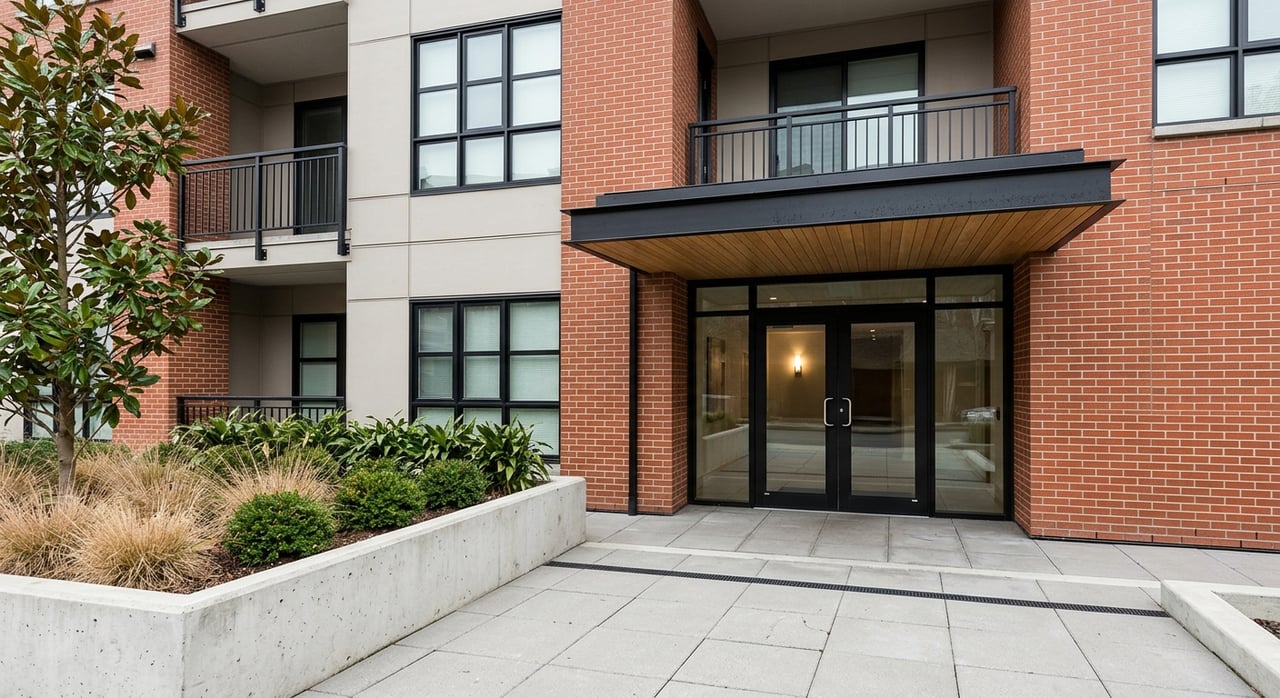
SouthPark's condo stock isn't one product. It's a mix of small above-retail communities, gated mid-rise campuses, and newer construction, all carrying different HOA structures and different track records of financial documentation.
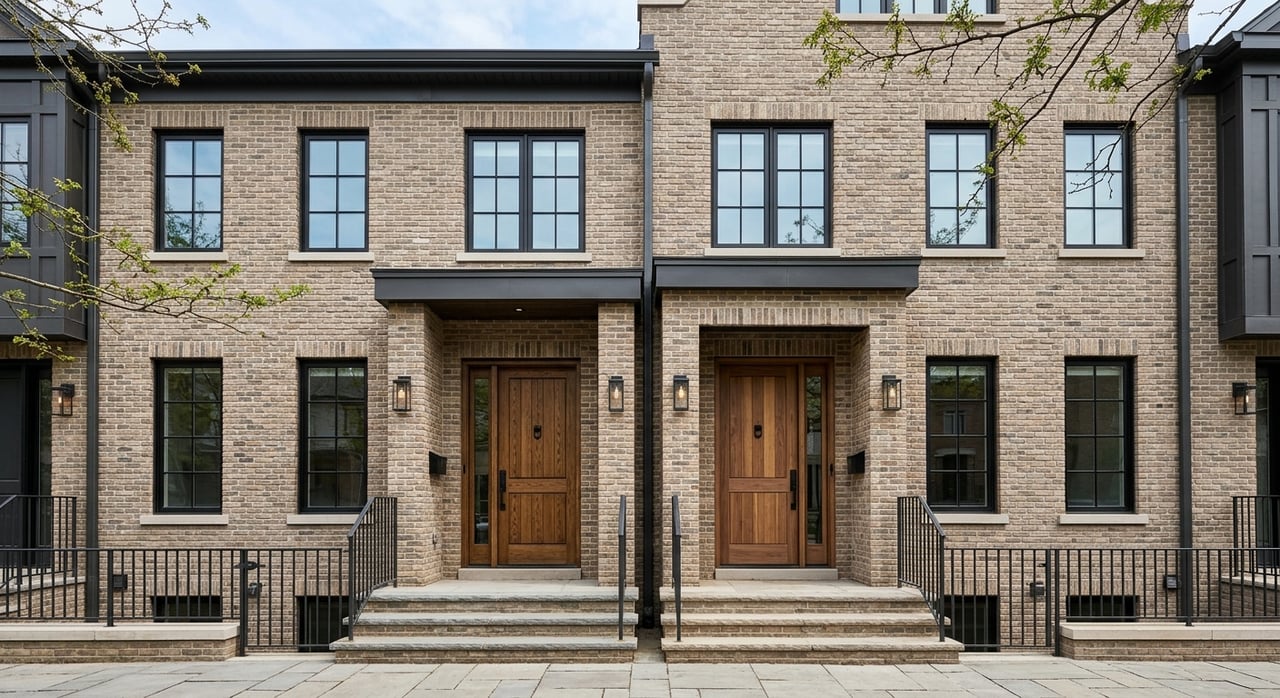
Piedmont Row and Morrison Condominiums sit above retail, with elevator access and structured parking, built when mixed-use was still a novelty in this corridor. Trianon and Belle Vista run more like traditional gated condo campuses. South Hill is a smaller brick mid-rise. Southpark Corners, built between 2004 and 2005, is one of the few communities in the area with a documented construction window, which at least gives a lender or a reserve specialist a clear starting point for estimating remaining component life on roofs and mechanical systems.
None of that means any of these buildings are mismanaged. It means most of them were never legally required to produce the kind of funding paper trail that a Full Review now expects to see, and some of them haven't.
Local HOA and condo dues across SouthPark's newer condo and townhome buildings typically run in the $150 to $400 a month range, with older single-family sections nearby carrying little to no HOA at all. That range on its own tells you nothing about reserve health. A building charging $350 a month with a funded, recently updated reserve study is a different risk than one charging the same amount with no study on file. The dues number is a starting point, not the answer.
The Paper Trail to Ask For Before You Write an Offer
The practical move is to request it before you're under contract, not during underwriting when a delay costs you your rate lock.
- The most recent reserve study, if one exists, or written confirmation from the board that none has ever been commissioned
- Two years of HOA financial statements and the current operating budget
- The master insurance policy's declarations page, so you can see the per-unit deductible and whether it clears the new $50,000 cap
- Board meeting minutes from the past 12 months, checking for any discussion of a pending or proposed special assessment
- Confirmation of the building's owner-occupancy ratio, since lending rules also weigh how many units are owner-occupied versus rented
None of this is exotic. It's the same category of due diligence a builder walks through before touching a wall, applied to a building's finances instead of its framing. The difference now is that skipping it doesn't just leave you uninformed. It can leave your loan stuck in a Full Review queue for a building that was never asked to keep its books in that kind of order.
What This Means If You're Weighing SouthPark Condo Against Single-Family
SouthPark's single-family and condo markets have always behaved like two different financial objects sharing one neighborhood name. A single-family lot near Barclay Downs or Foxcroft is constrained by teardown-and-rebuild economics, since there's no raw land left to develop. A condo unit is constrained by something else entirely: how well its association has documented its own future costs.
That's the real trade a lower-maintenance condo purchase asks you to make in SouthPark right now. You're not just buying square footage and a shorter to-do list. You're buying into whichever side of the reserve-documentation line that specific building happens to sit on, and that line has nothing to do with the finishes in the unit you toured.
A Few Direct Questions
Does the Full Review requirement apply to townhomes too, or just high-rise condos? It applies broadly to condo projects, not just towers. The narrow exception is buildings with 10 units or fewer, which picked up a wider waiver from full project review immediately. Most of SouthPark's established mid-size communities don't fall into that small a bracket.
If a building has never done a reserve study, is that automatically a red flag? Not automatically. It means the association has never been legally required to get one, which has been true for plenty of well-run North Carolina communities for years.
Is North Carolina likely to require reserve studies soon, the way some other states do? According to the North Carolina General Assembly, a reform bill covering several HOA practices has been introduced in the state legislature and remains in committee as of this writing. It has not changed the reserve study requirement, and there's no guarantee it will.
If you're weighing a SouthPark condo against a single-family option, or trying to figure out which building's paperwork is actually in order before you fall for a unit, Real Estate Layne can walk the financials with you the same way we'd walk a home's framing. Let's Connect.
This article is general information, not legal, tax or financial advice. Consult a qualified professional about your situation.