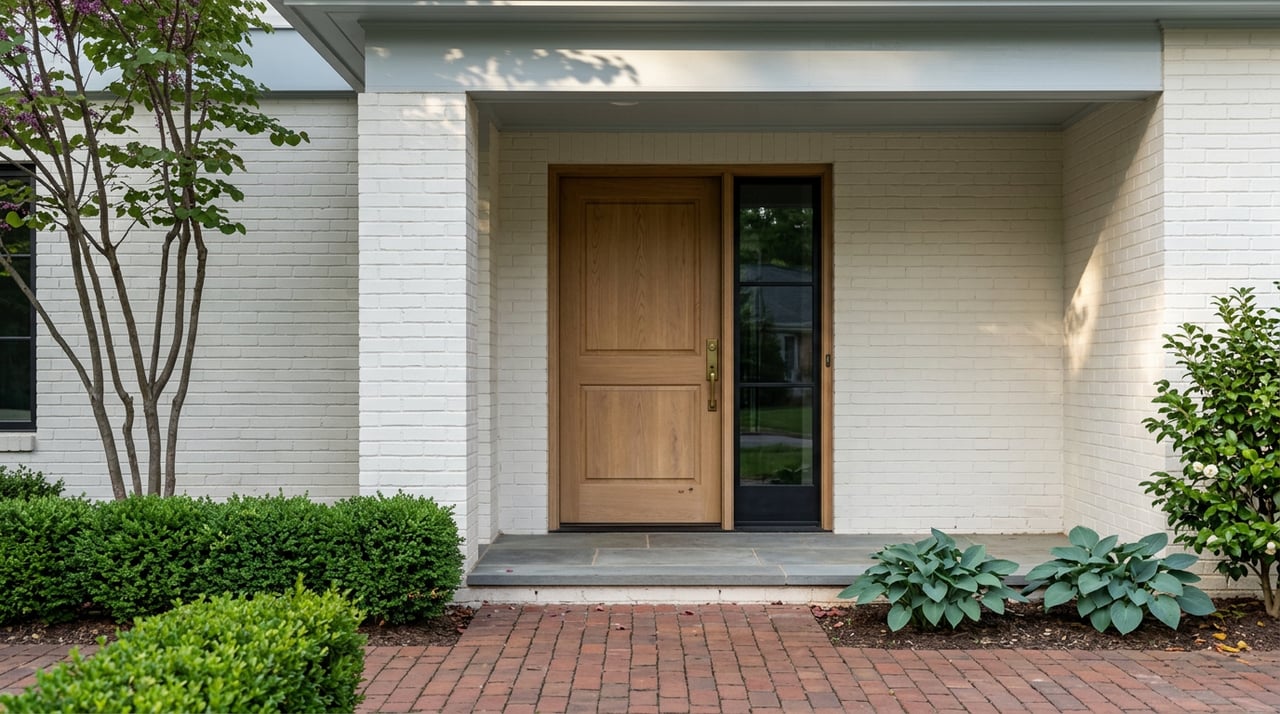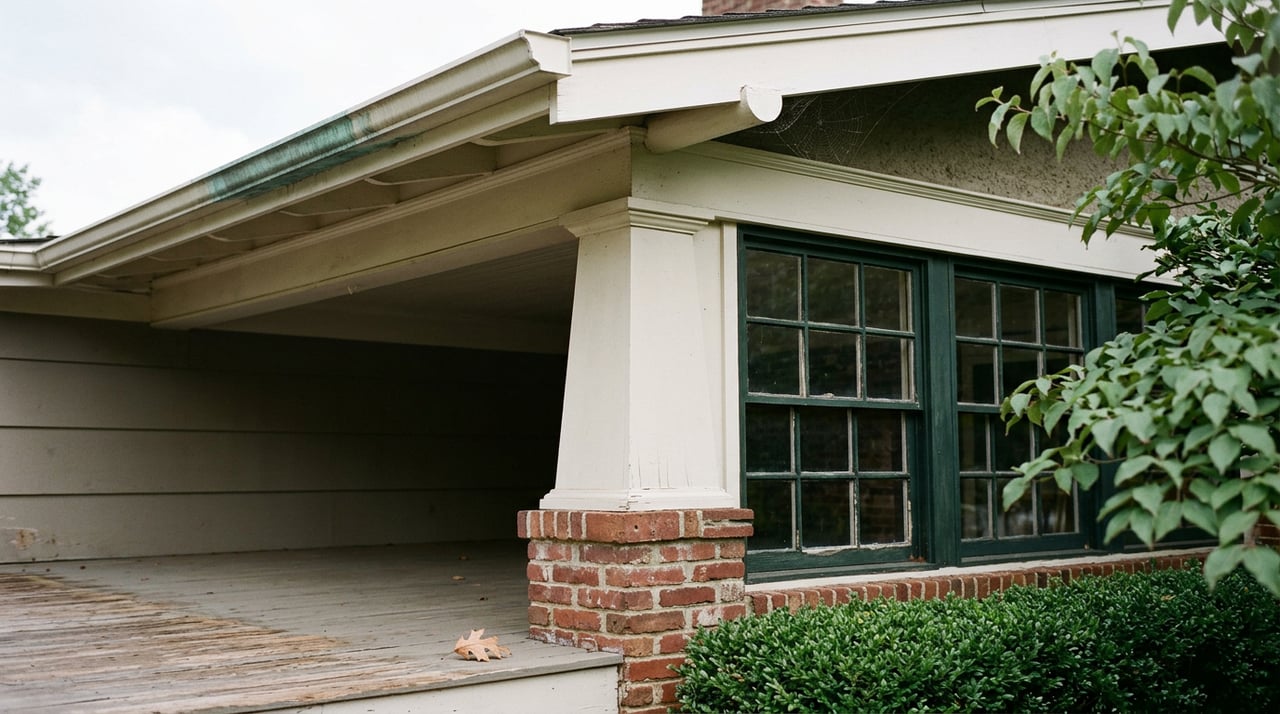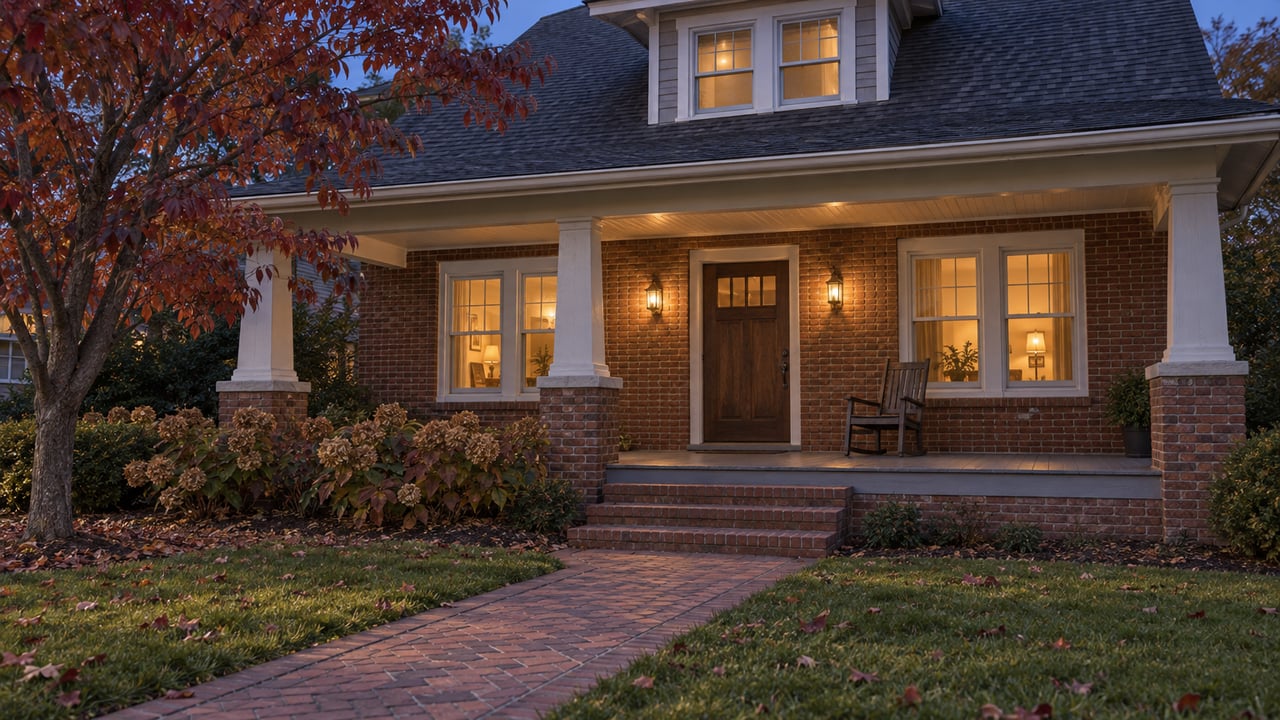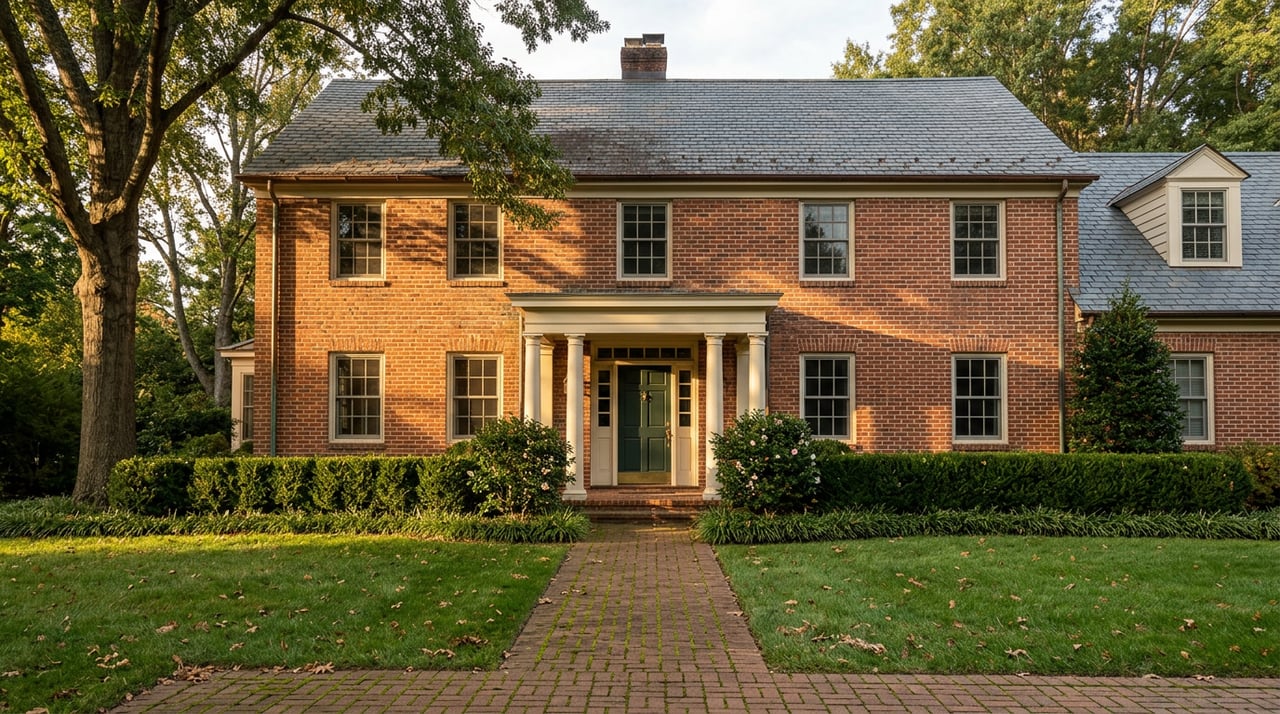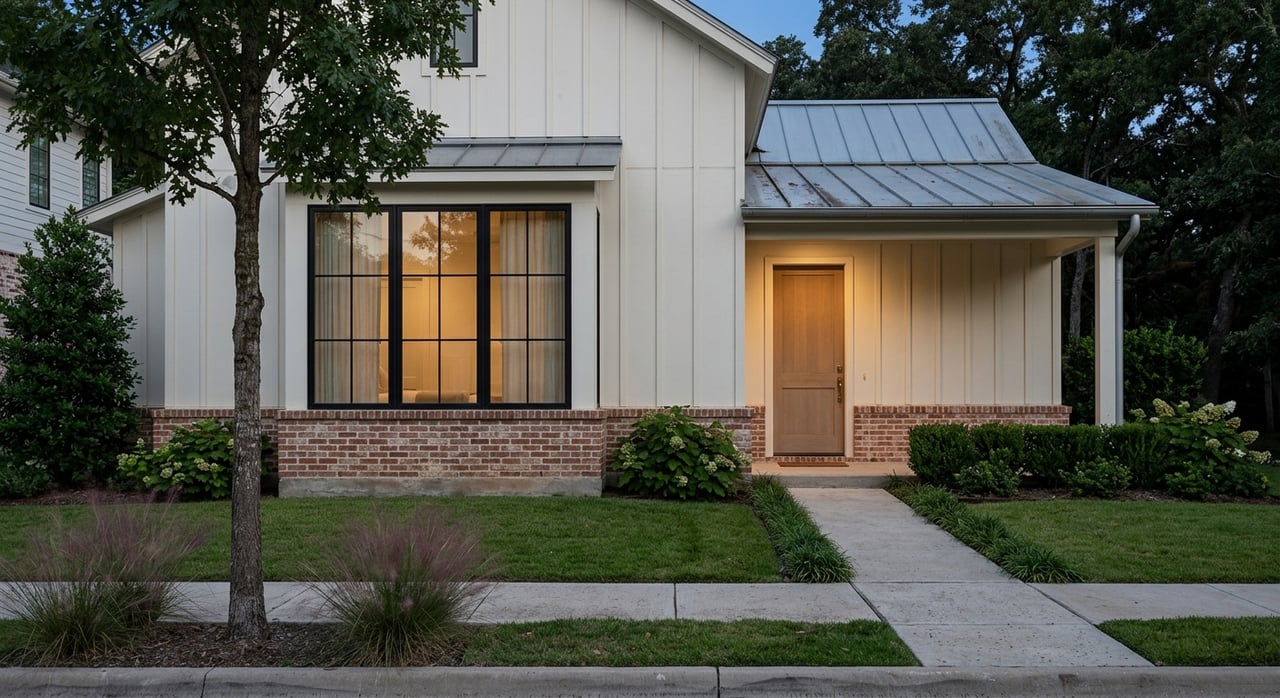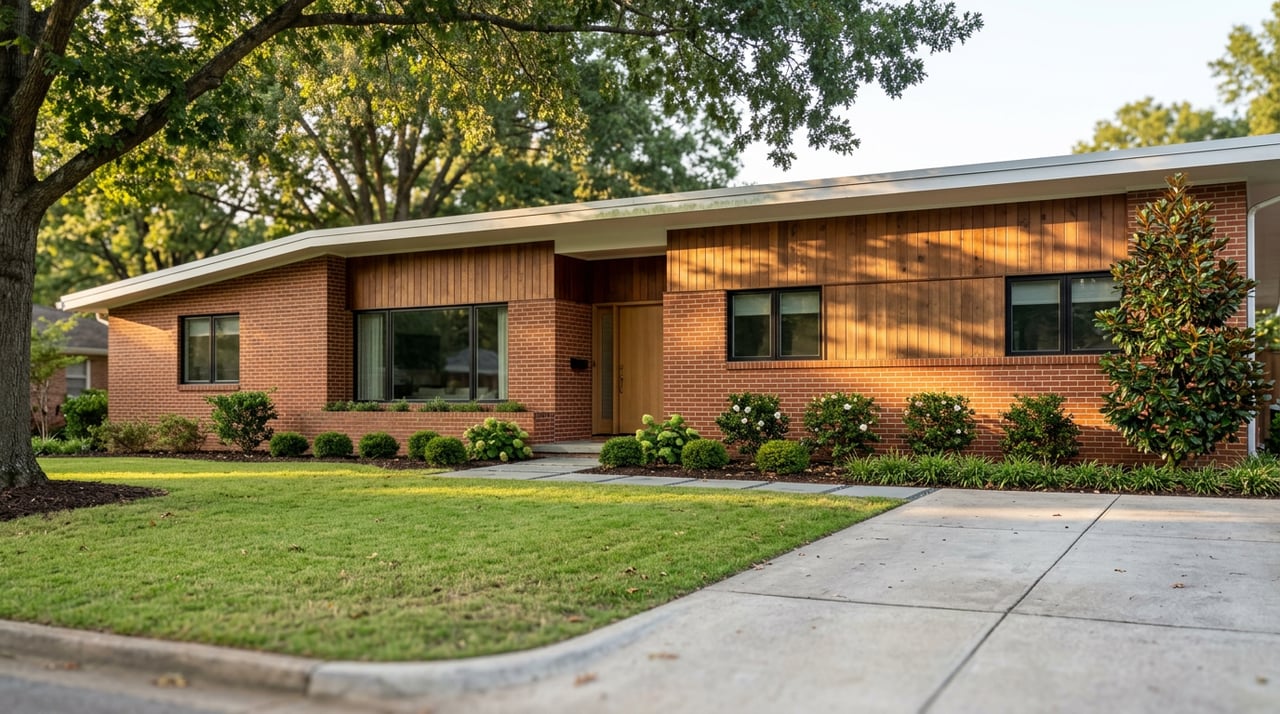
If you are hunting for a home in Plaza Midwood, it is easy to fall for charm first and ask hard questions later. That can get expensive in a historic neighborhood where layout, lot constraints, and review rules matter just as much as curb appeal. The good news is that value-add potential is still there if you know what to measure before you buy. Let’s break down how to spot the right opportunity.
Why Plaza Midwood Creates a Value-Add Opportunity
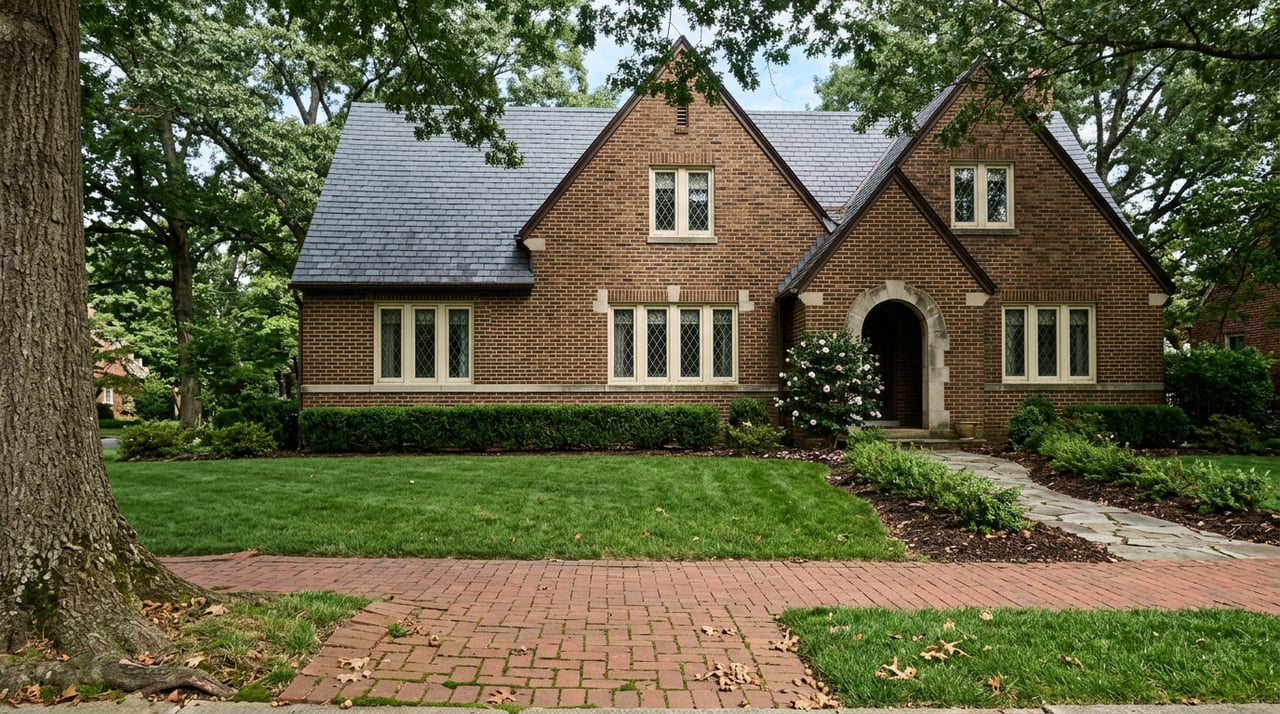
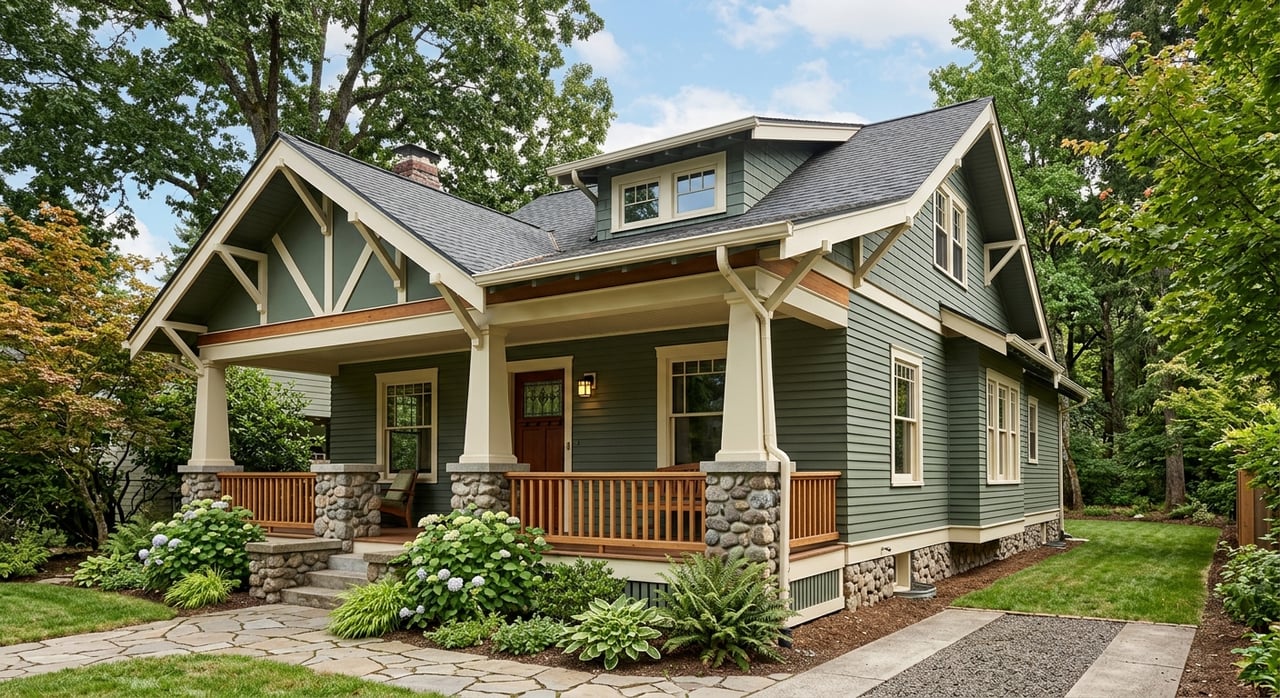
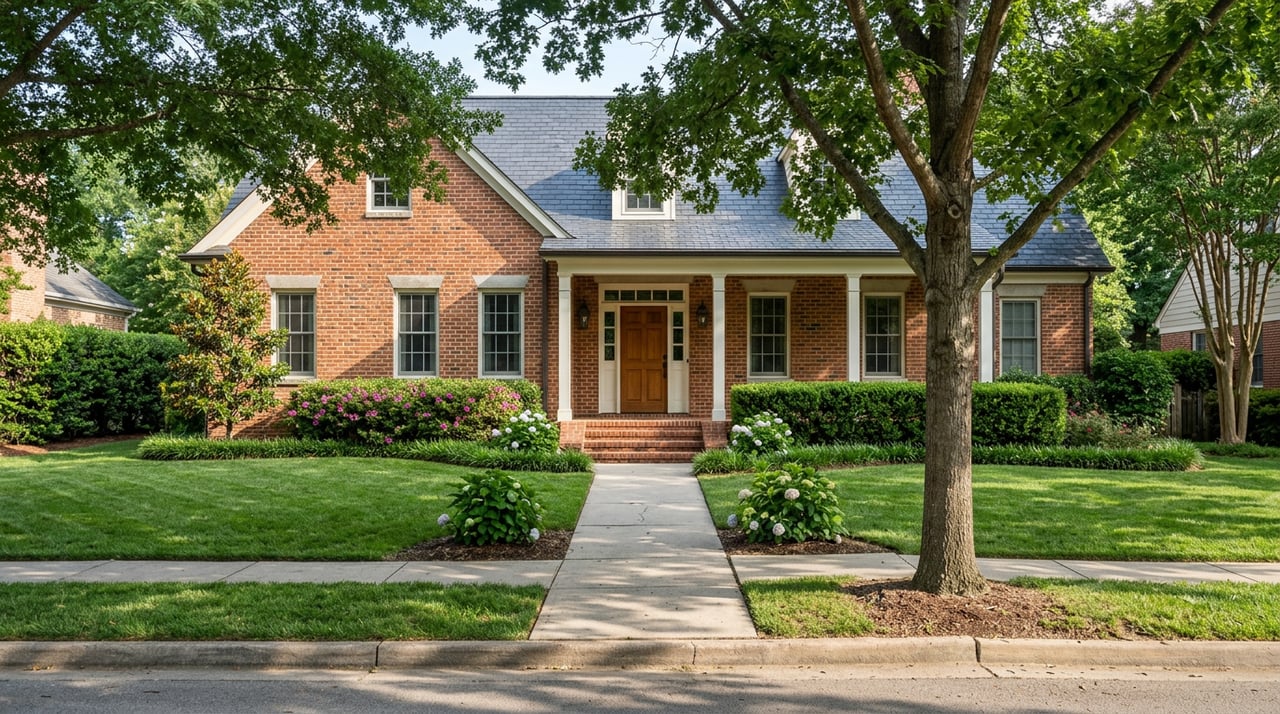
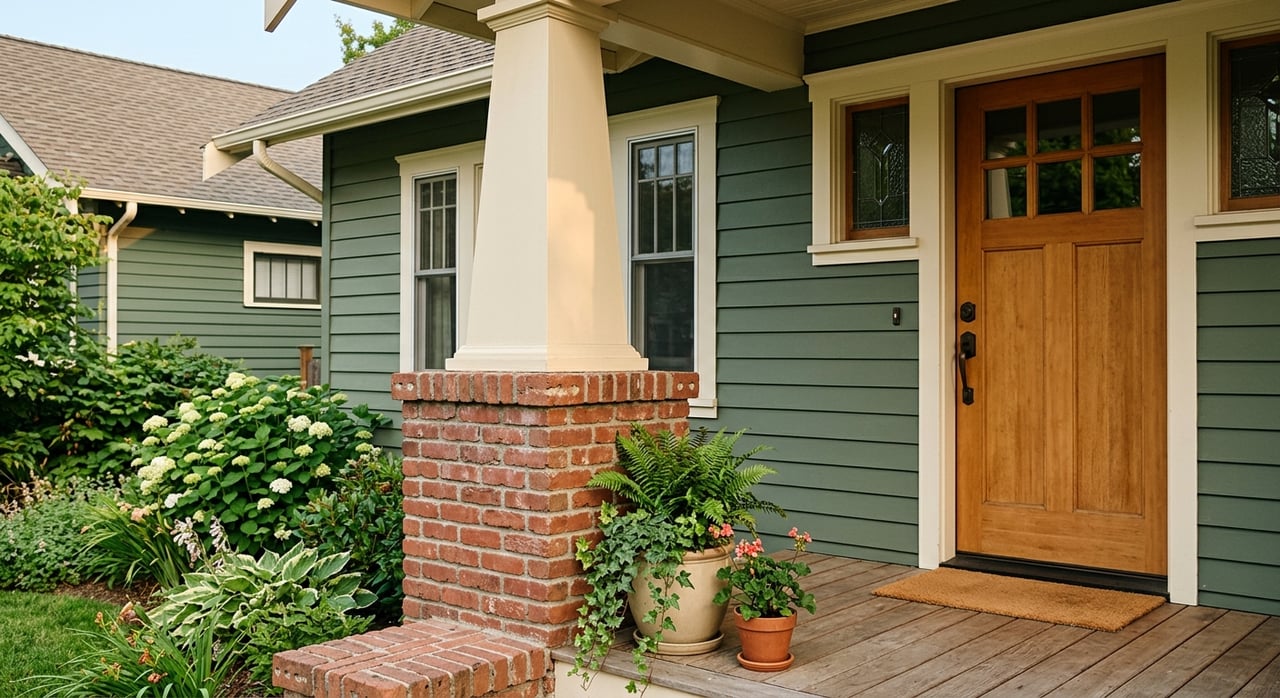
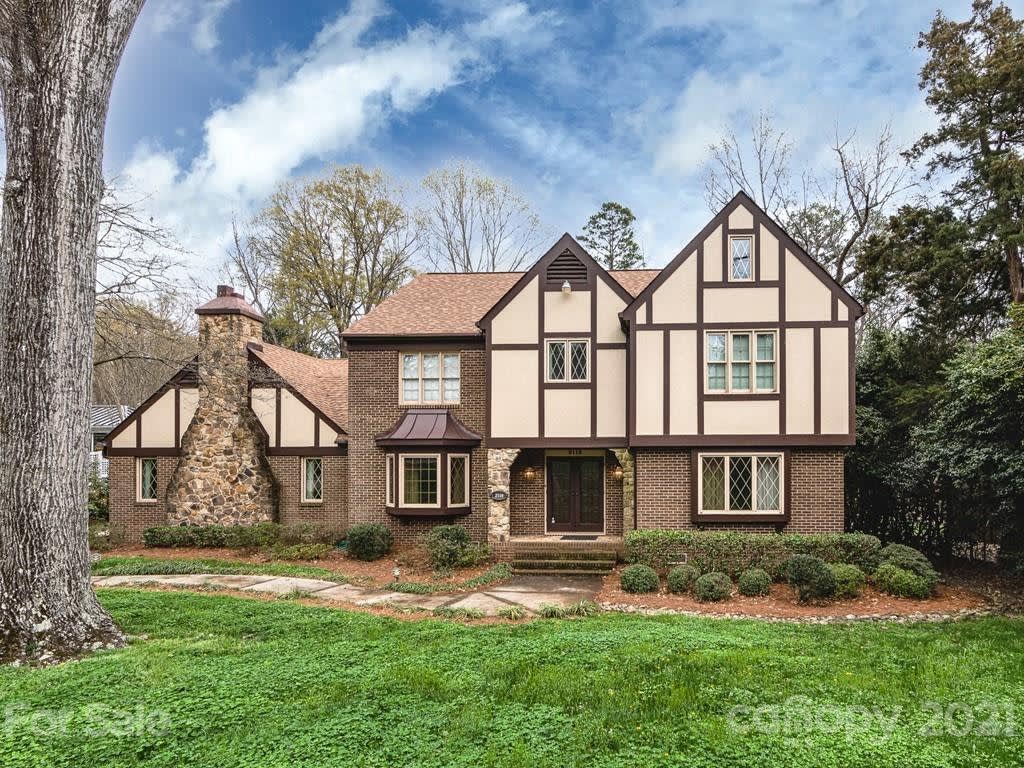
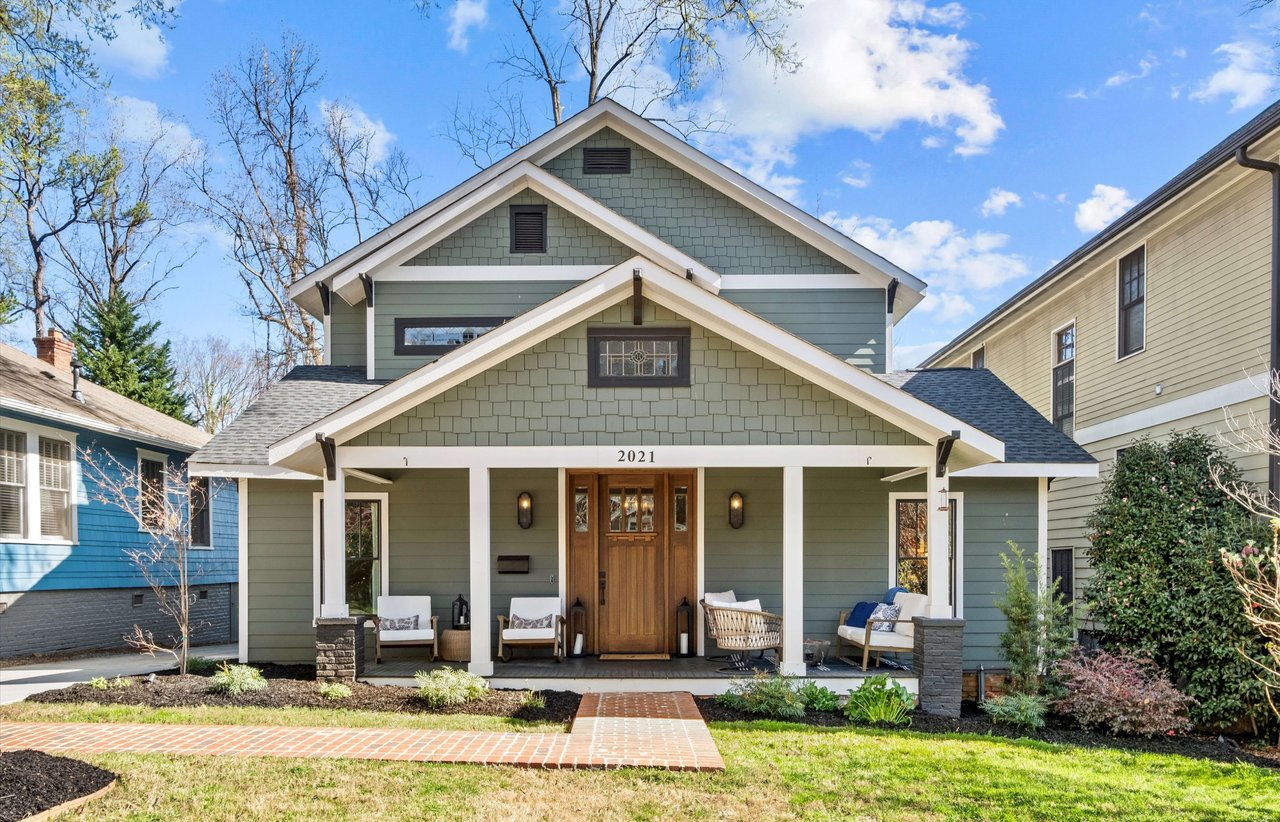
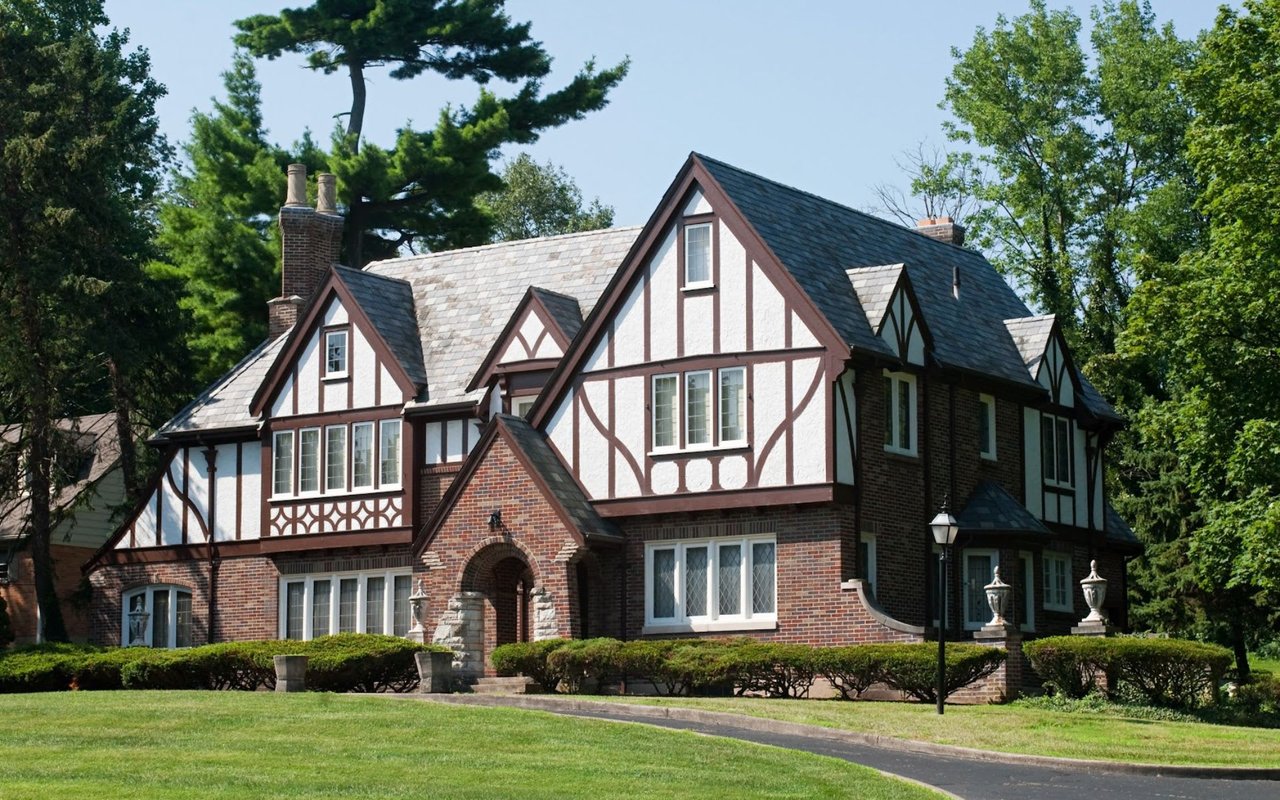
Plaza Midwood stands out because it is a local historic district made up of areas largely developed in the 1910s and 1920s. The neighborhood includes a wide range of home styles, from Victorian-era houses to mid-century homes, and it is also known as one of Charlotte’s first streetcar suburbs. For you as a buyer, that variety creates opportunity because homes with strong original character can often gain value when function is improved without stripping away what makes them special.
The market also supports a careful value-add strategy. As of February 2026, Redfin reports a median sale price of $775,000, a median price per square foot of $465, and a median of 68 days on market in Plaza Midwood. That tells you there is real buyer demand, but it also suggests renovated homes need to earn their premium.
Start With the Floor Plan
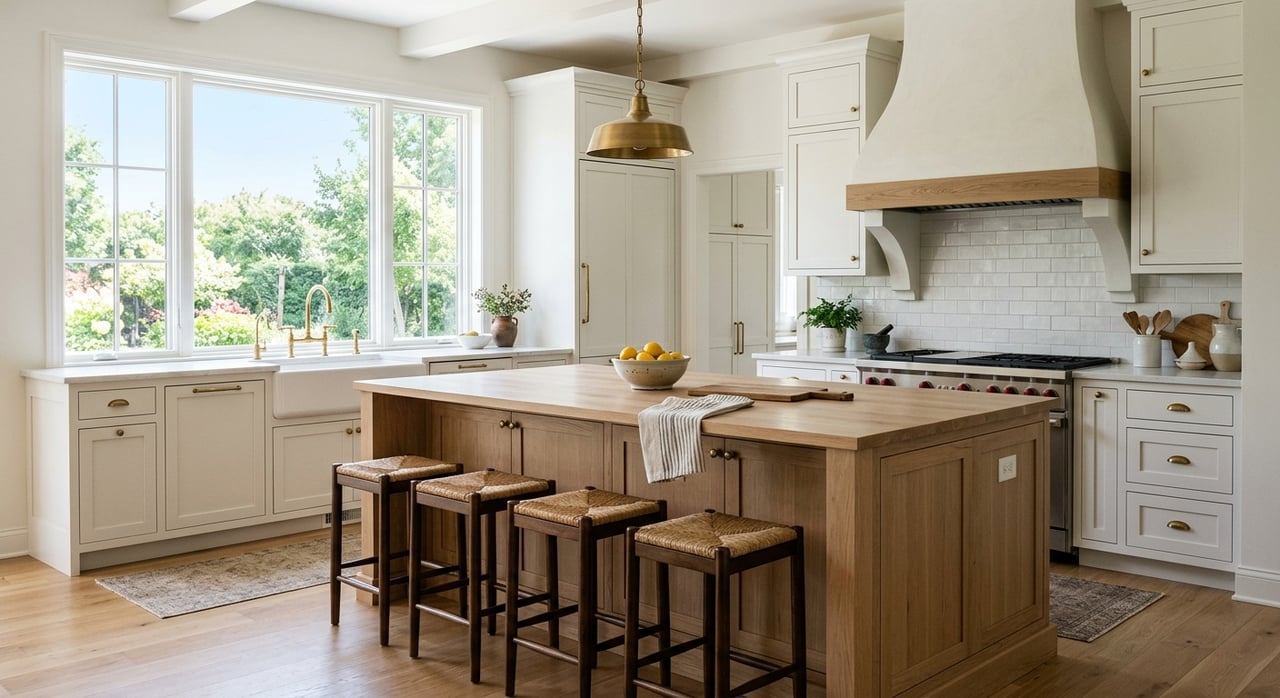
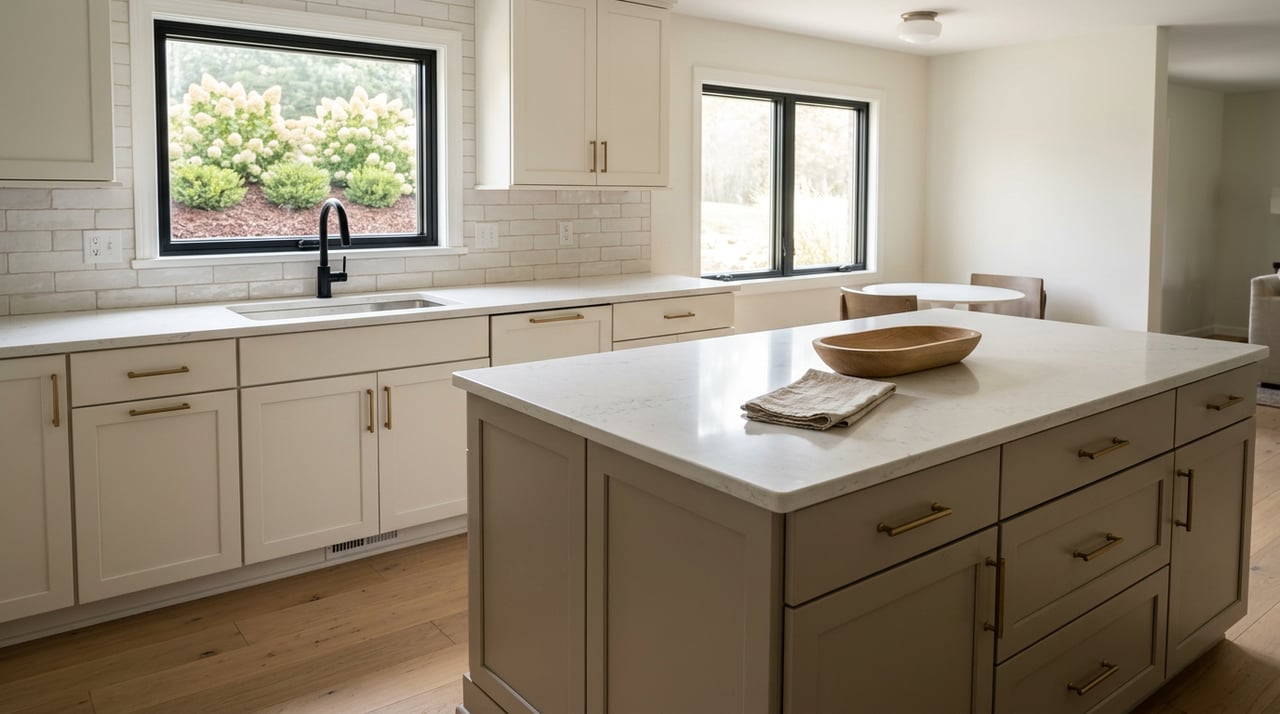
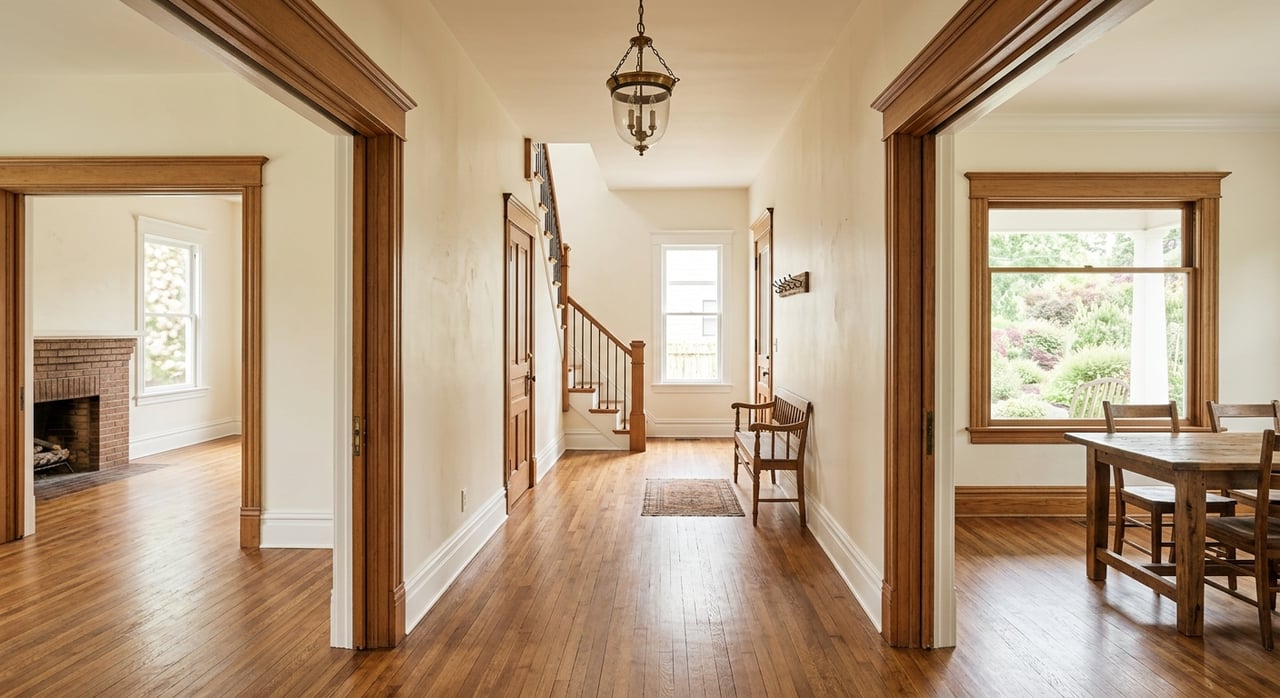
In Plaza Midwood, layout is often the first place to find upside. Many older homes have small rooms, tight circulation, limited storage, and kitchen or laundry setups that do not fit how people live today.
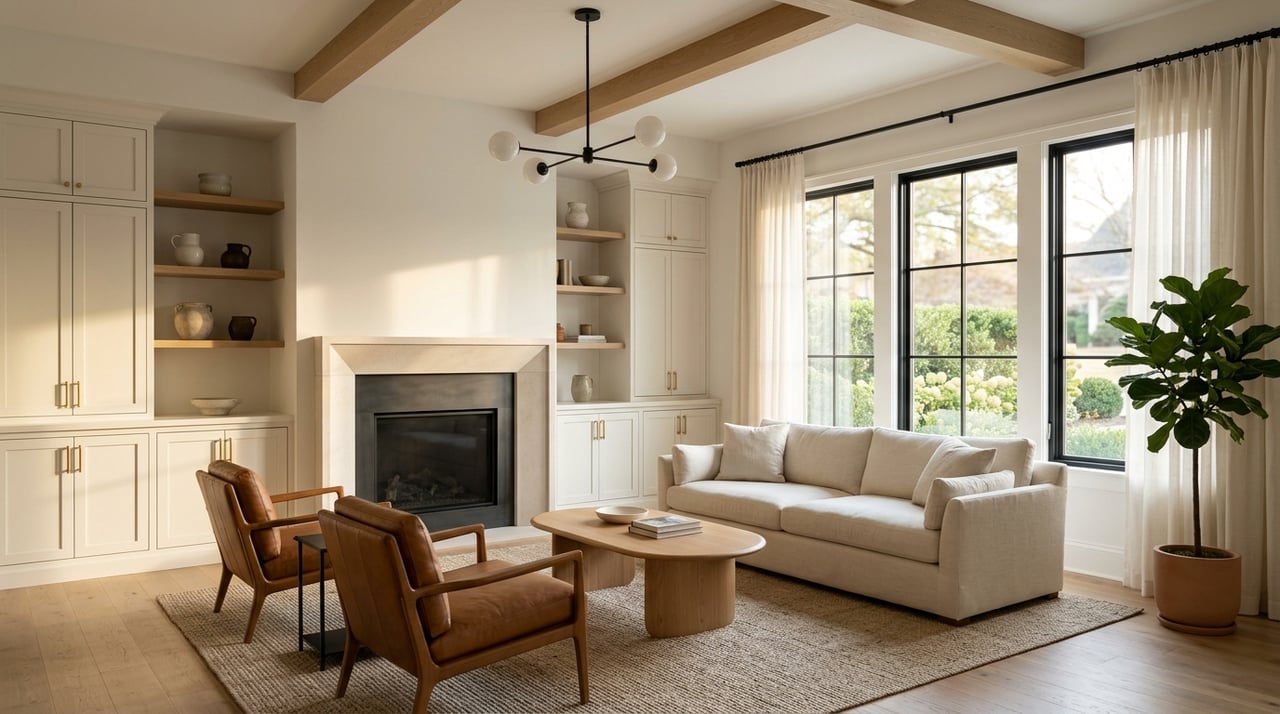
Local renovation coverage has shown successful projects opening up interior spaces while keeping features like fireplaces and brick details intact. That makes floor plan reconfiguration one of the clearest value-add levers in the neighborhood, especially when the house already has strong bones and appealing architectural details.
Look for Functional Friction
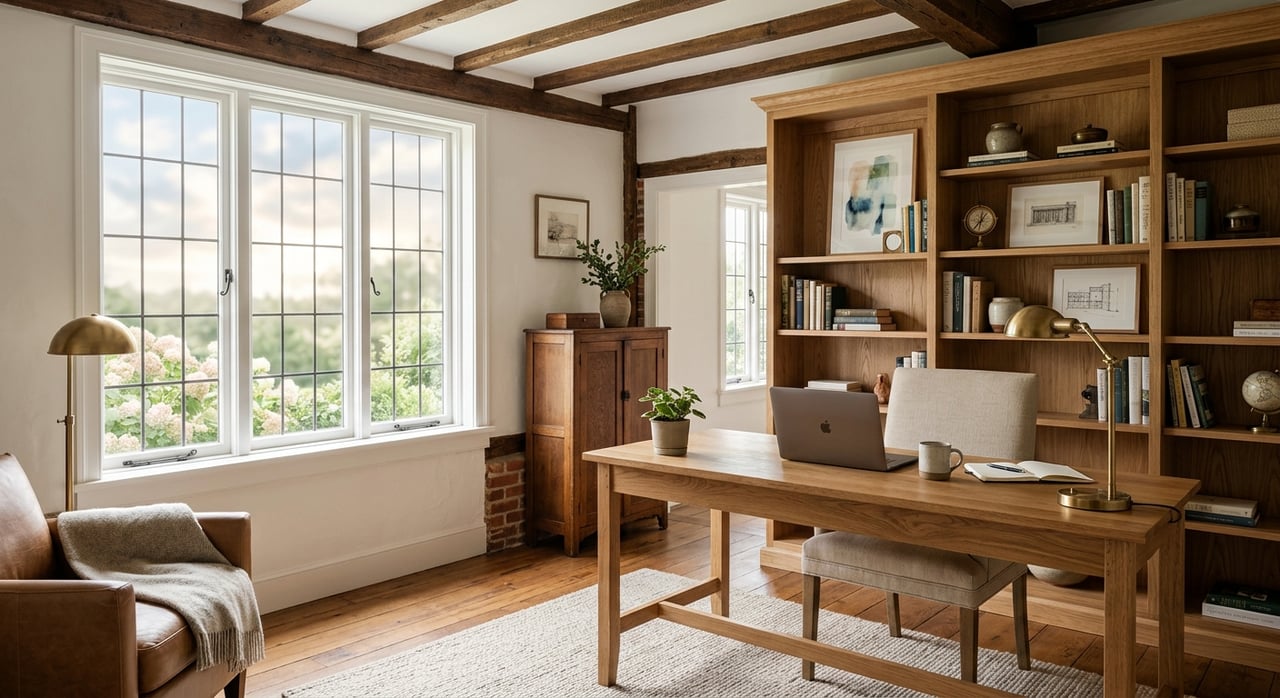
When you tour a home, pay attention to the daily pain points instead of the paint color. Ask yourself whether the kitchen connects well to the living space, whether there is enough storage, whether laundry placement makes sense, and whether a bedroom or flex room could work better as an office or guest space.
A house does not need to be fully outdated to offer upside. Sometimes the best opportunity is a home with preserved character and a choppy interior that could feel dramatically better with smart reworking.
Preserve Character While Updating Use
In Plaza Midwood, the goal is usually not to erase the old-house feel. It is to preserve what gives the home identity and then modernize around it.
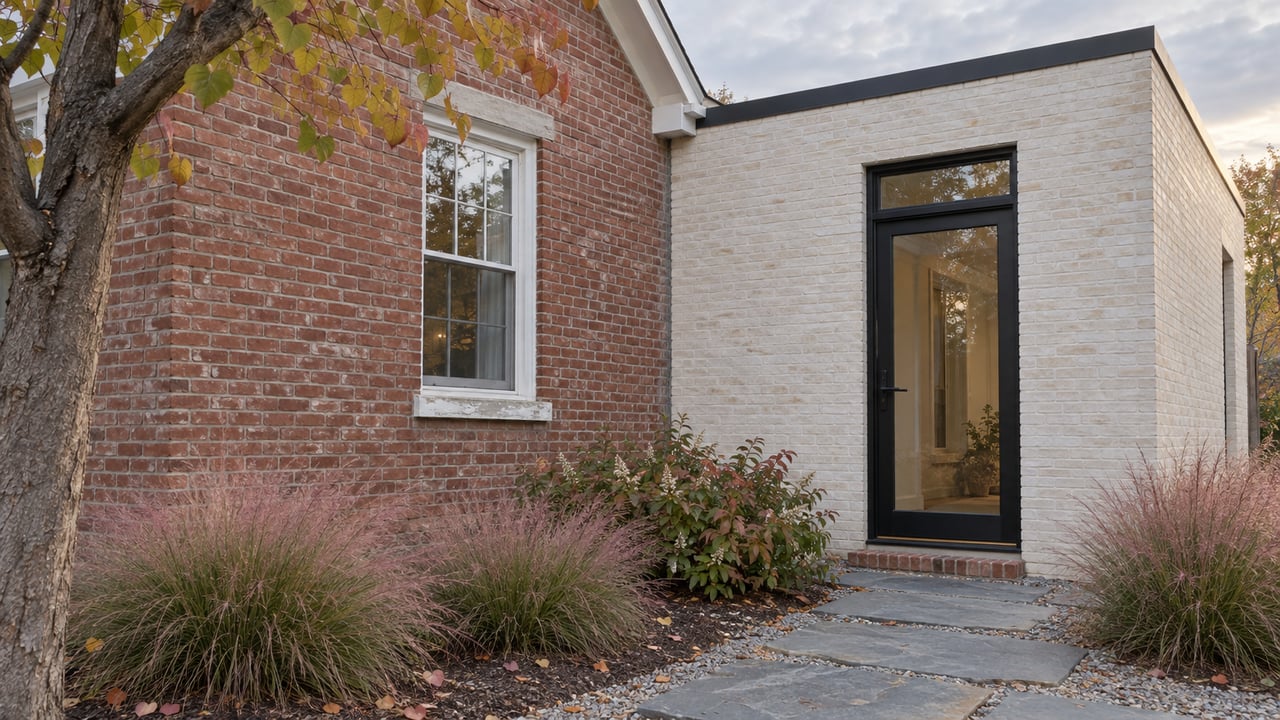
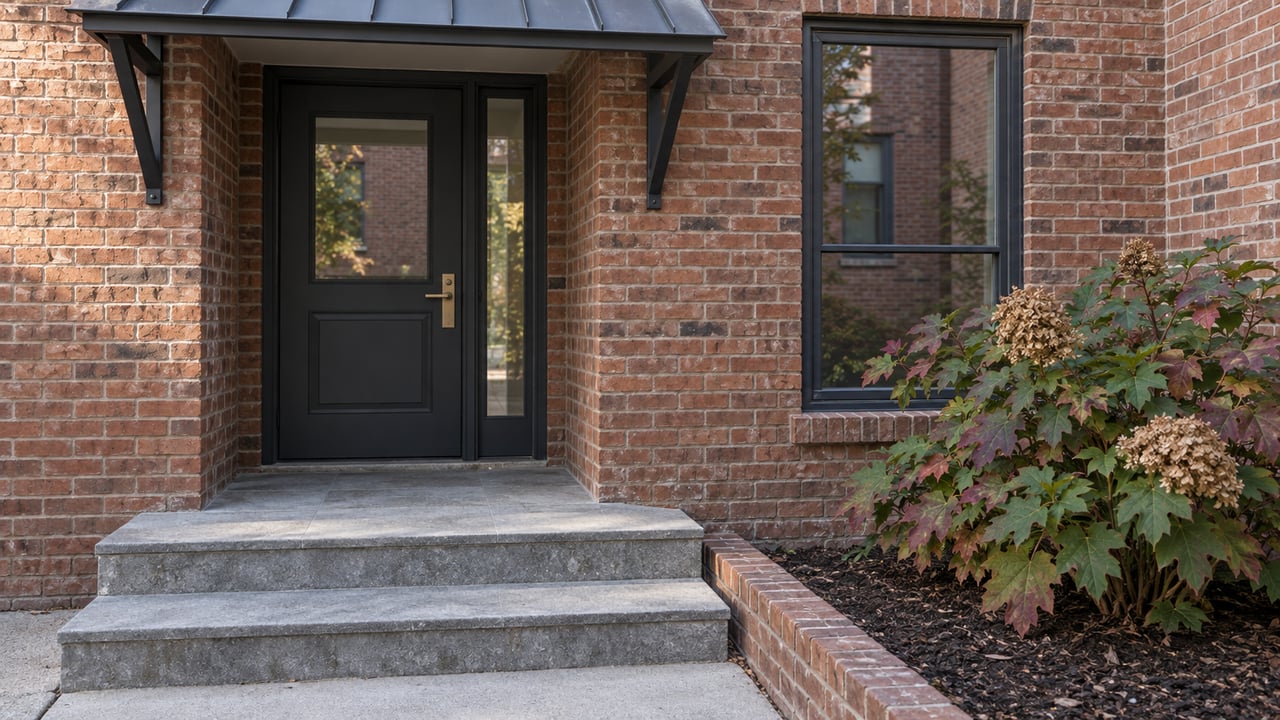
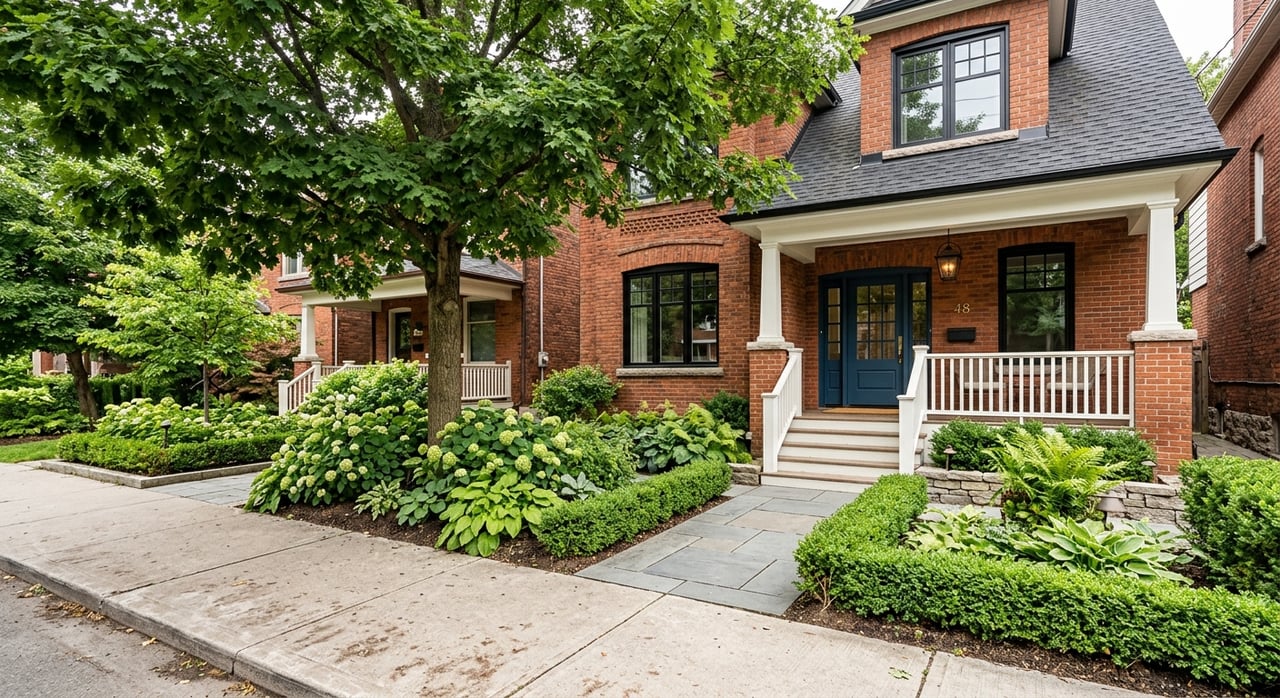
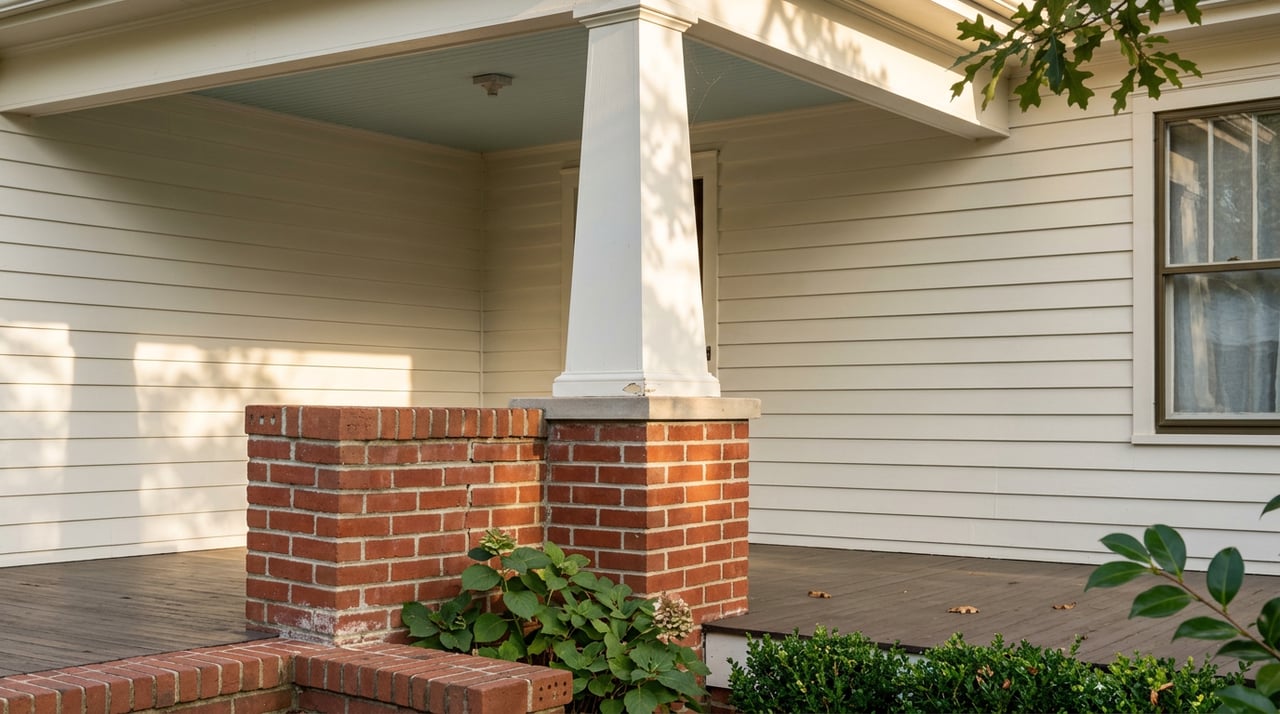
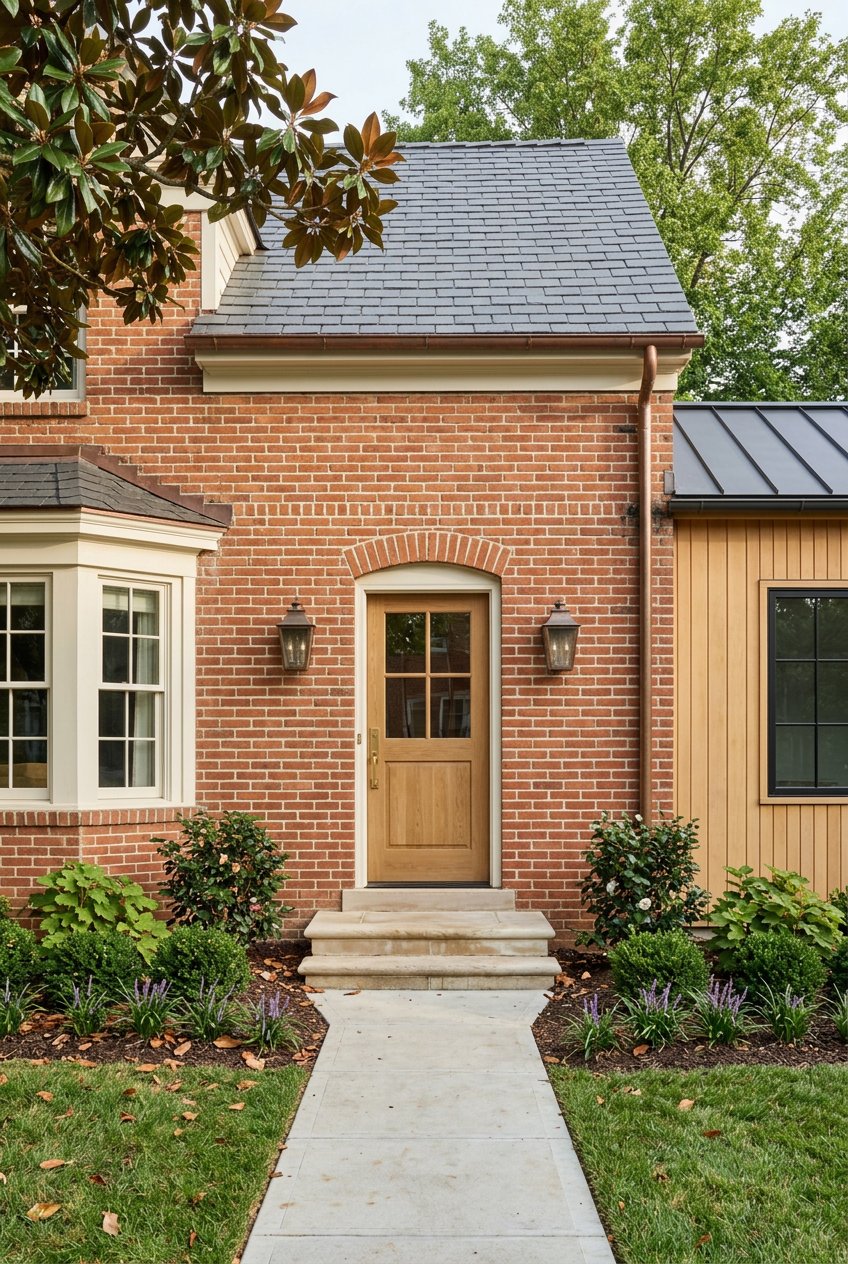
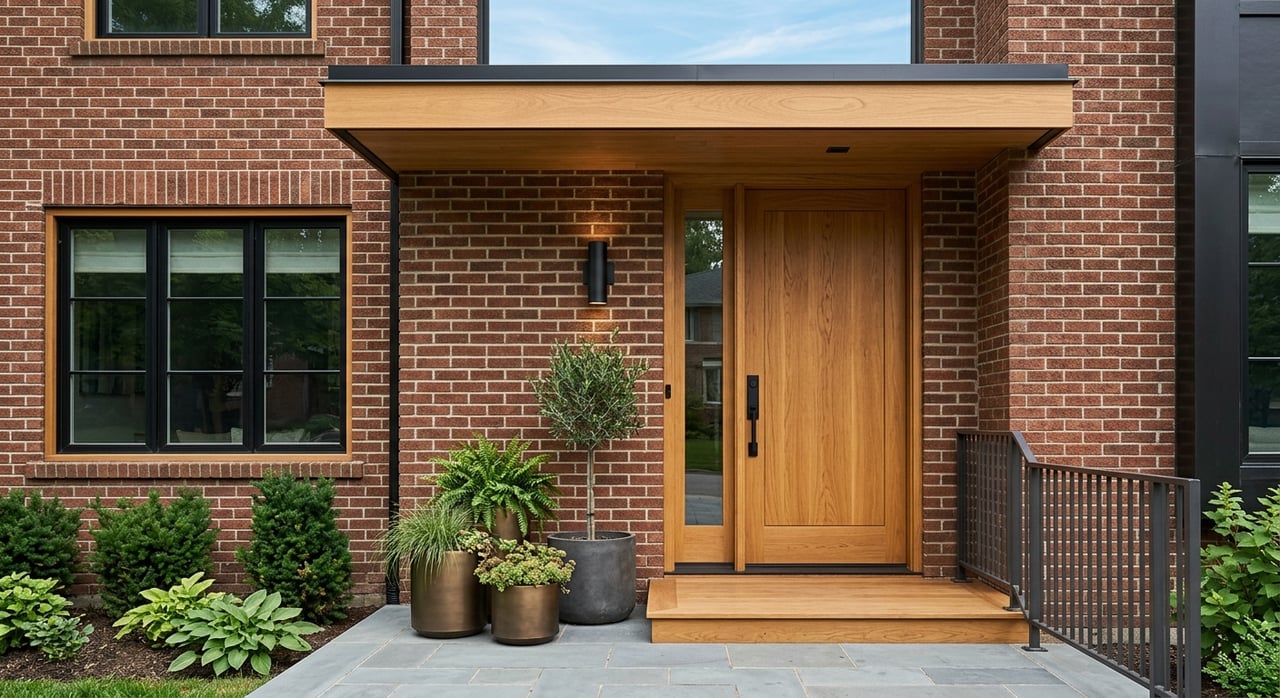
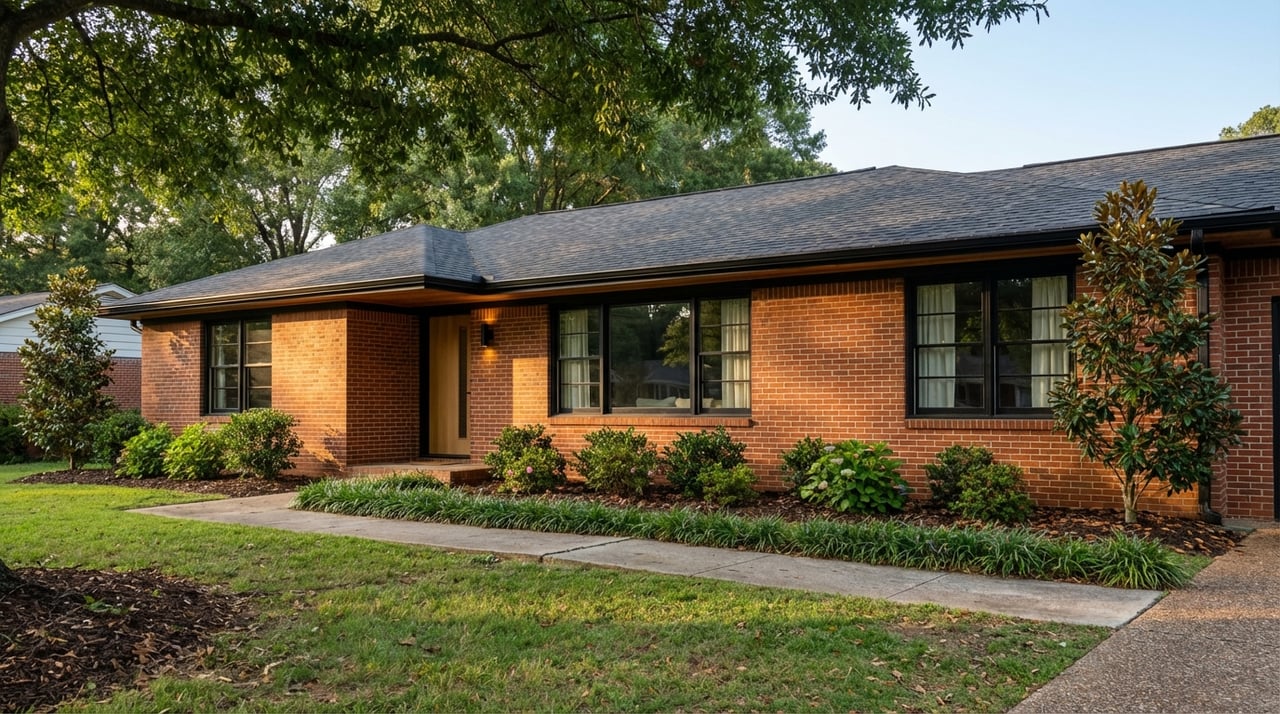
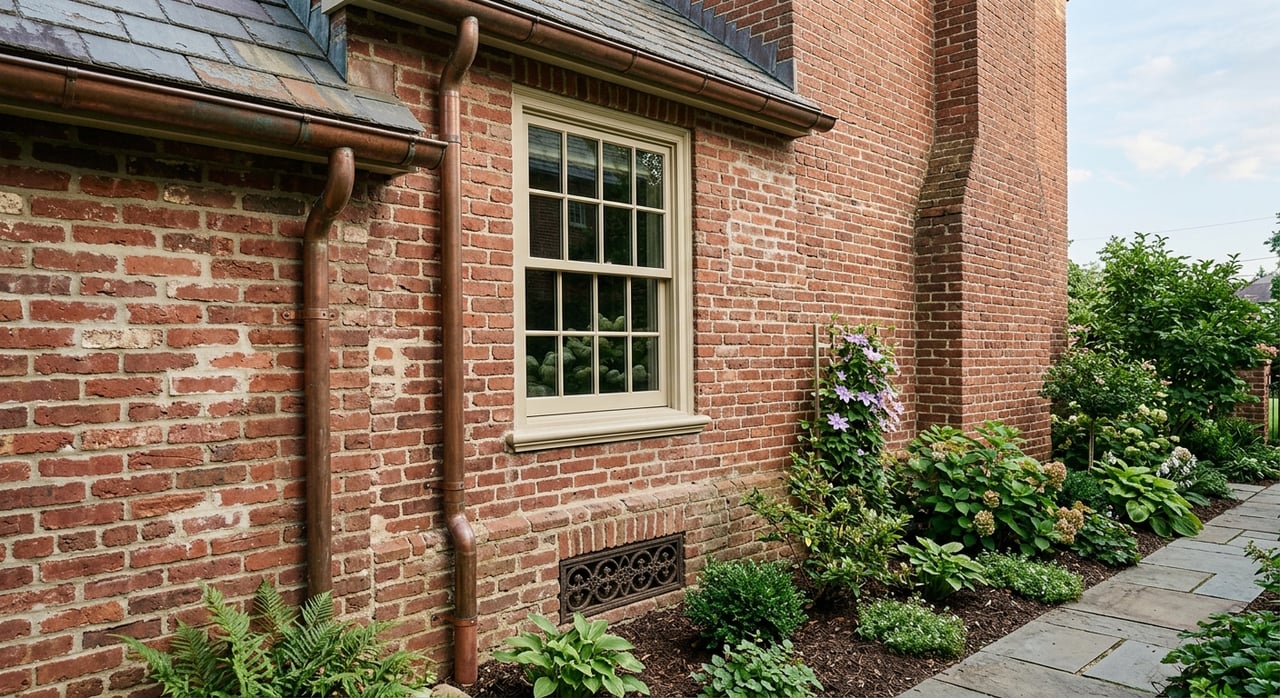
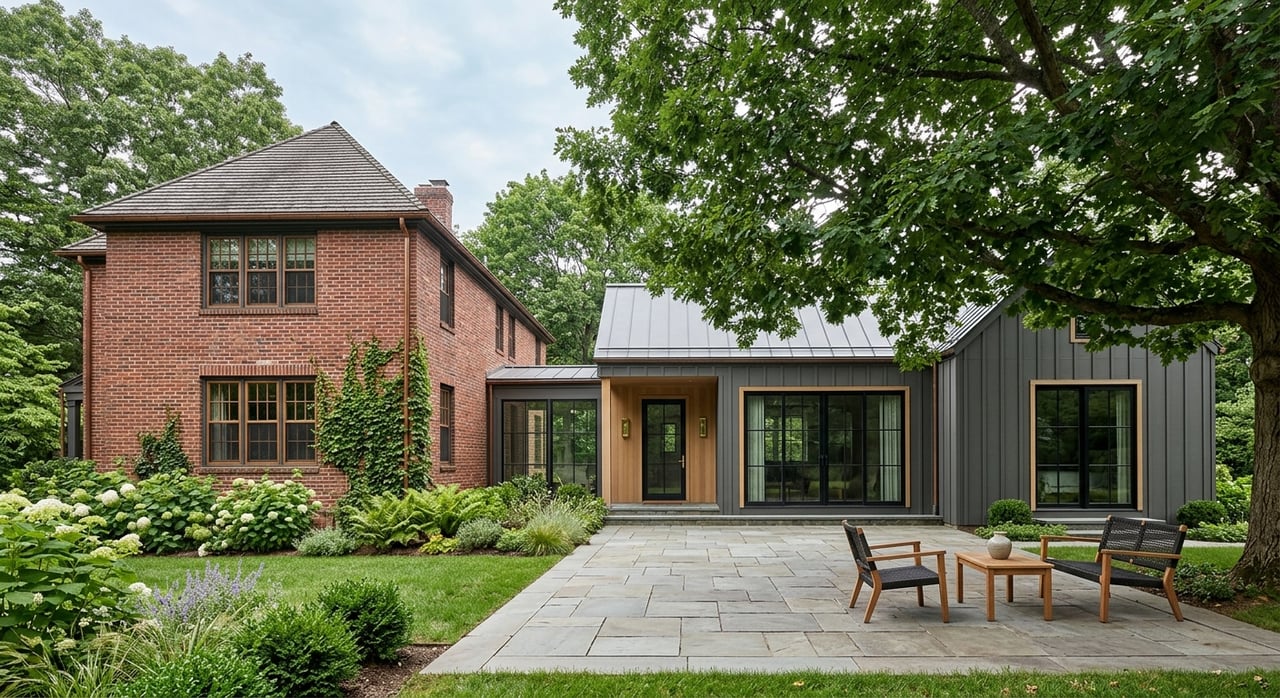
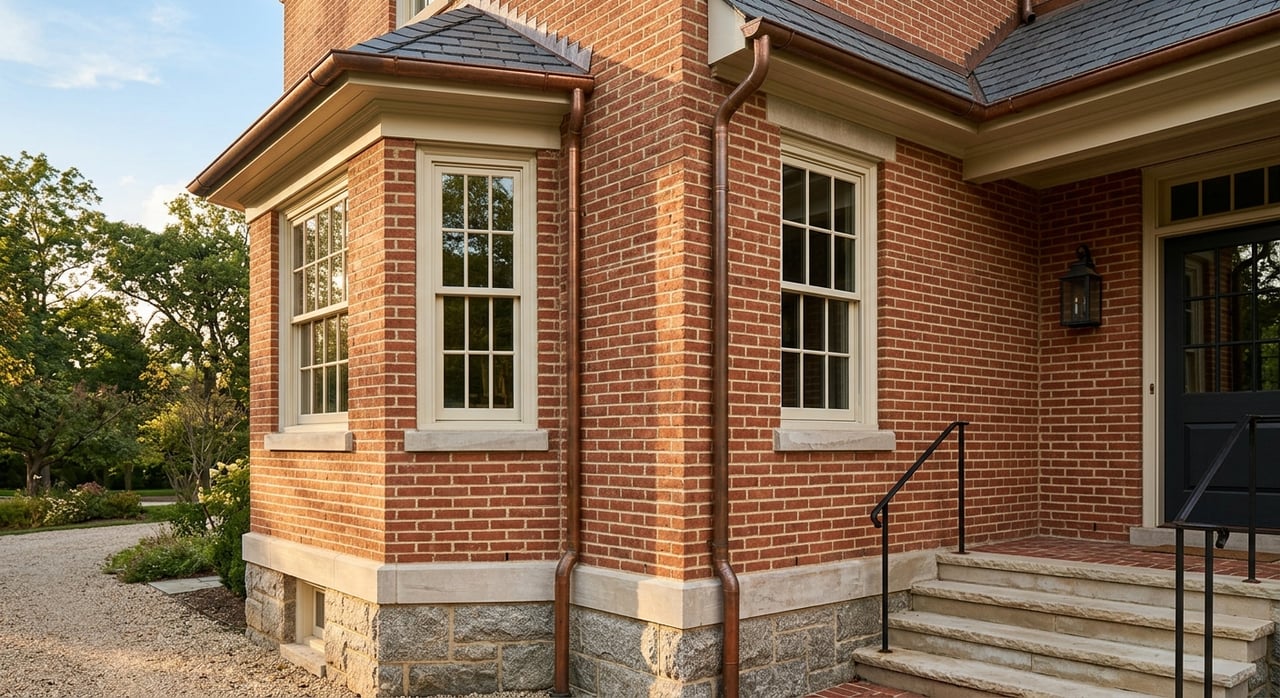
That can mean keeping original brickwork, fireplaces, trim, or exterior style while improving flow, finishes, and function inside. In this neighborhood, that approach tends to fit the housing stock better than a total stylistic reset.
Check the Lot Before You Price the Project
A lot that looks large from the street can still be limiting once zoning, setbacks, access, and hardscape are counted. Before you assume you can add square footage, build over a garage, or create a backyard studio, you need to understand what the site actually allows.
For homes in N1-C zoning, the Charlotte UDO sets standards that directly affect expansion. These include a minimum lot area of 6,000 square feet, minimum lot width of 50 feet, maximum building coverage of 50 percent on lots under 10,000 square feet, and standard setbacks of 17 feet in front, 5 feet on the side, and 30 feet in the rear.
Why Setbacks Matter So Much
Those numbers are not just technical details. They shape whether a rear addition, second-story plan, or detached structure is realistic.
On some established blockfaces, front setback rules may be adjusted using the average of the two nearest residential buildings, though the home still cannot sit closer than 10 feet. That can affect infill or major exterior changes, especially if you are trying to make a renovated home fit the rhythm of the block.
Building Coverage Can Kill a Good Idea
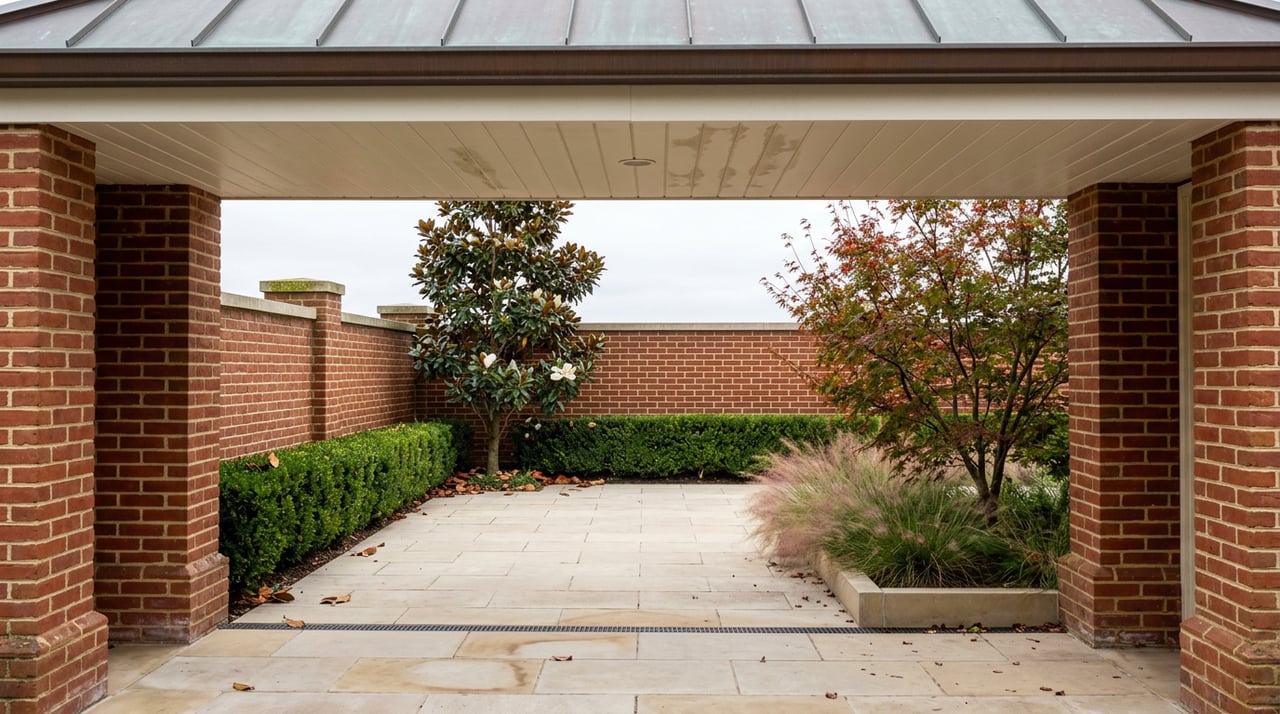
One of the most common mistakes buyers make is underestimating site capacity. Charlotte’s ADU guidance notes that building coverage and impervious surface matter, which means driveways, patios, parking pads, and accessory structures can eat up more of the lot than you expect.
So even if the yard feels roomy, the usable development envelope may be tighter than it looks. This is one reason early due diligence matters so much in Plaza Midwood.
Understand ADU Potential Early
If you are looking for flexible value-add, an accessory dwelling unit may be part of the conversation. In Charlotte, ADUs are allowed in N1-C, but only as an accessory to a single-family home or qualifying duplex, and only one ADU is allowed per lot.
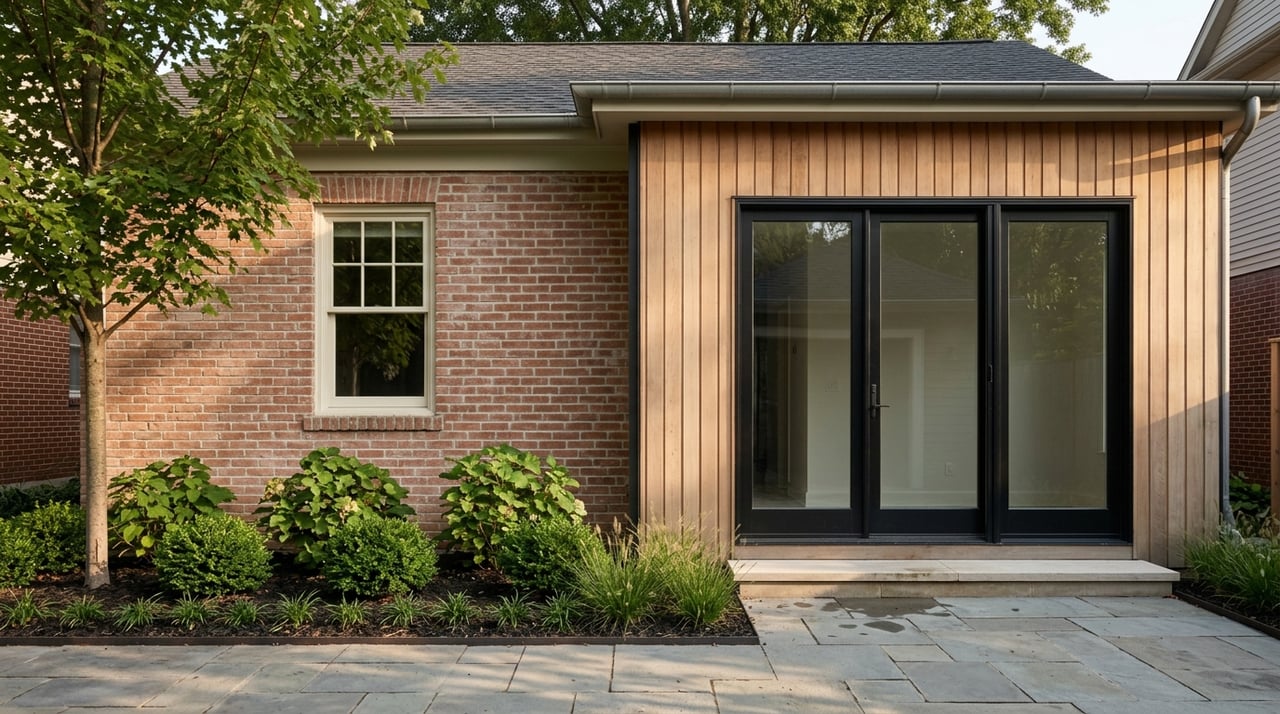
The city says an ADU can be located in a detached accessory structure, including an existing garage, though the current UDO provides standards for detached ADUs. The unit can be up to 50 percent of the principal residence’s floor area, with a cap of 1,000 heated square feet.
What Makes an ADU Feasible
ADU feasibility depends on more than zoning. The city points to parcel shape, driveway access, slope, easements, streams, tree save areas, existing structures, and impervious-surface limits as factors that can change the outcome.
Historic district status is another layer to check. Charlotte’s ADU guidance specifically notes that local historic designation may affect architectural and dimensional requirements.
Timeline and Cost Reality
If you are buying with ADU plans in mind, go in with realistic expectations. Charlotte says ADU projects often take about six months to two years from design to move-in, and estimated costs can start around $90,000 and run to $250,000 or more depending on size, materials, utilities, and site conditions.
That does not mean an ADU is off the table. It means the right lot and the right planning process matter just as much as the idea itself.
Historic District Rules Can Change the Math
Because Plaza Midwood includes a local historic district, exterior work may require city review before you begin. Charlotte states that a Certificate of Appropriateness is required before exterior alterations, new construction, moving, demolition, and sometimes landscaping or site work.
Routine maintenance like in-kind re-roofing generally does not require approval, but larger changes often do. For major projects, the city allows a pre-submittal meeting so owners and their team can get feedback before filing.
Focus on Fit, Not Just Size
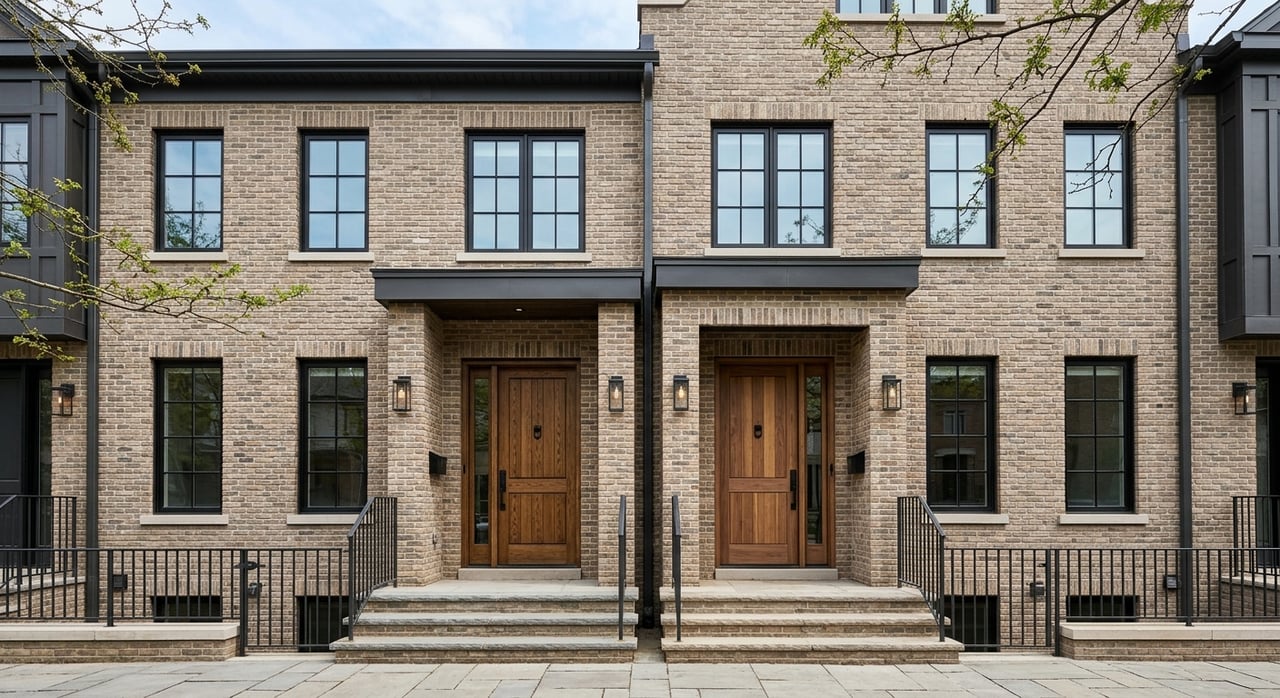
In Plaza Midwood, the strongest renovations tend to respect the block’s scale and setback pattern. For heavily renovated homes or infill projects, the question is not just whether the finished product is larger or newer. It is whether it still fits the neighborhood pattern defined by zoning and historic review.
That is why exterior expansion plans should always be tested early. A project that works on paper can stall if it ignores district standards.
Watch for Nonconforming Conditions
Older homes do not always match current zoning rules, which can affect what you are allowed to build next. If a house is legally nonconforming, Charlotte’s nonconformity rules may treat smaller additions differently from larger ones.
The ordinance says additions under 25 percent of gross floor area or 1,000 square feet, whichever is less, are handled differently, while larger additions must comply with current district standards. That makes a zoning review and a current survey worth doing before you count on a major addition.
Build Your Due Diligence Around Risk
In a neighborhood like Plaza Midwood, smart buyers do not start with finishes. They start with constraints.
Before paying for design work, Charlotte’s ADU guidebook recommends using Charlotte Explorer or Polaris 3G to confirm zoning, lot lines, setbacks, trees, easements, and site limitations. That early research is often the cheapest way to avoid overpaying for a property with less upside than it appears to have.
A Simple Value-Add Checklist
When you evaluate a Plaza Midwood home, focus on these questions first:
- Does the home have character worth preserving?
- Is the current layout functionally outdated?
- Does the lot have enough site capacity for the improvements you want?
- Is the property in the historic district?
- Would exterior changes require a Certificate of Appropriateness?
- Are there nonconforming conditions that could limit additions?
- Is there realistic ADU potential based on access, slope, trees, and impervious surface?
- Does the likely renovation budget still make sense against neighborhood pricing?
If several of those answers line up in your favor, you may be looking at a strong opportunity.
The Right Team Matters
Most Plaza Midwood renovation projects need more than a contractor quote. Based on the city’s permitting and review process, a practical team often includes a designer or architect, a licensed contractor or design-build firm, and sometimes a surveyor, structural engineer, plumber, electrician, and site-review help for trees or stormwater.
That does not mean every project needs a huge consultant bench. It means good decisions usually come from lining up the right expertise before you commit to a scope that the site or the rules will not support.
How to Think About the Best Opportunities
The best value-add homes in Plaza Midwood usually combine three things: a workable house, a workable lot, and a workable approval path. You want a property with enough character to stand out, enough layout or site inefficiency to create upside, and enough zoning and historic clarity to execute the plan.
That is where a design-and-construction lens really helps. When you can look past cosmetics and judge floor plan logic, site capacity, and approval risk, you make better buying decisions.
If you are weighing older homes, renovation potential, or investment upside in Plaza Midwood, Real Estate Layne can help you evaluate the house, the lot, and the tradeoffs before you commit. That kind of upfront clarity can save you time, money, and a lot of avoidable frustration.
FAQs
What makes a Plaza Midwood home a good value-add candidate?
- A strong candidate usually has preserved character, a layout that could function better, enough capacity for improvements, and a realistic path through zoning and historic review.
Do Plaza Midwood homes have historic district restrictions?
- Some do. If a property is inside the local historic district, exterior work may require a Certificate of Appropriateness before construction begins.
Can you build an ADU on a Plaza Midwood property?
- In some cases, yes. ADUs are allowed in N1-C under Charlotte’s rules, but feasibility depends on lot conditions, access, impervious surface, trees, easements, and historic district considerations.
Why are a lot of setbacks important for Plaza Midwood renovations?
- Setbacks affect whether additions, detached structures, or major exterior changes are possible, so they directly shape the renovation options available on a property.
Should you check zoning before buying a fixer-upper in Plaza Midwood?
- Yes. Confirming zoning, lot lines, setbacks, easements, trees, and nonconforming conditions early can help you avoid buying a property with limited upside.