Worried that buying a historic home in Elizabeth means signing up for endless repairs and surprise costs? You are not wrong to be careful. Elizabeth’s older housing stock is full of charm, but the smartest buyers know that character only pays off when you understand condition, renovation risk, and the rules that may affect future work. This guide walks you through how to buy in Elizabeth with a clear plan, a realistic budget, and fewer expensive surprises. Let’s dive in.
Why Elizabeth Homes Need Extra Diligence
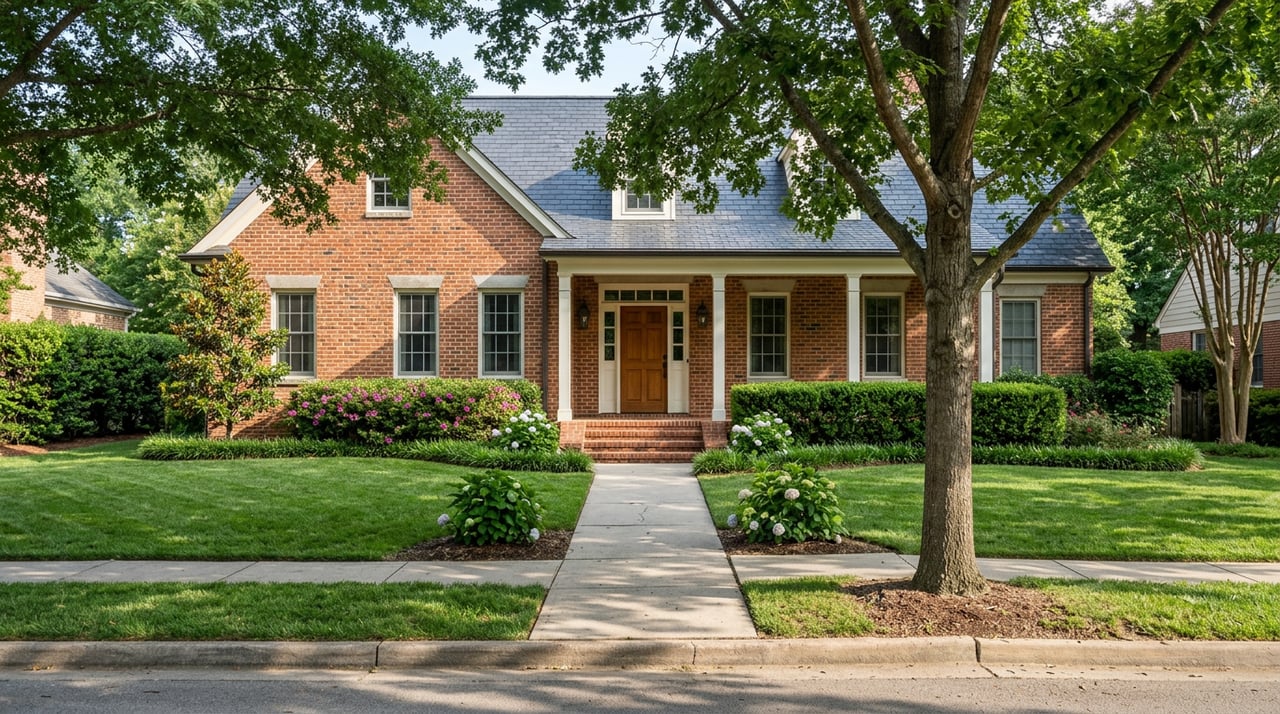
Elizabeth is one of Charlotte’s oldest streetcar suburbs, located about a mile east of Uptown. According to the National Register nomination materials, the district covers roughly 274 acres, and most buildings date from 1910 to the start of World War II.
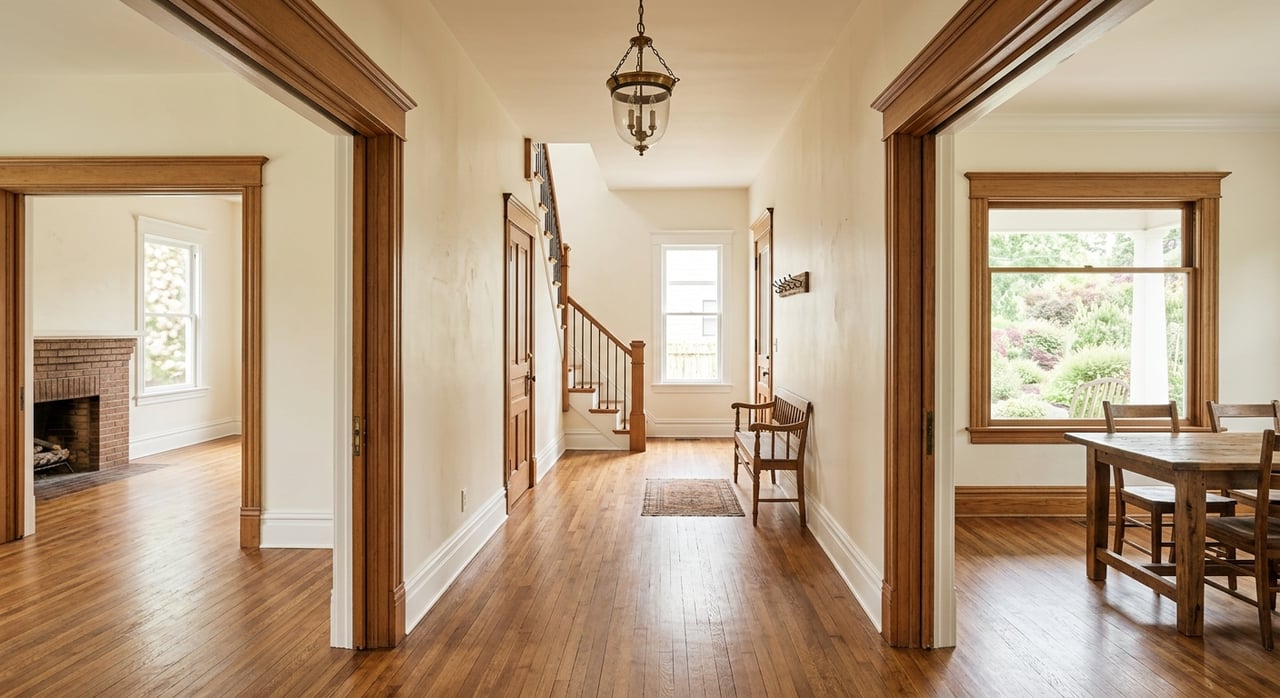
That age is a big part of the appeal. It also means you are more likely to deal with older materials, aging systems, moisture issues, and repairs that cost more than they would in a newer home.
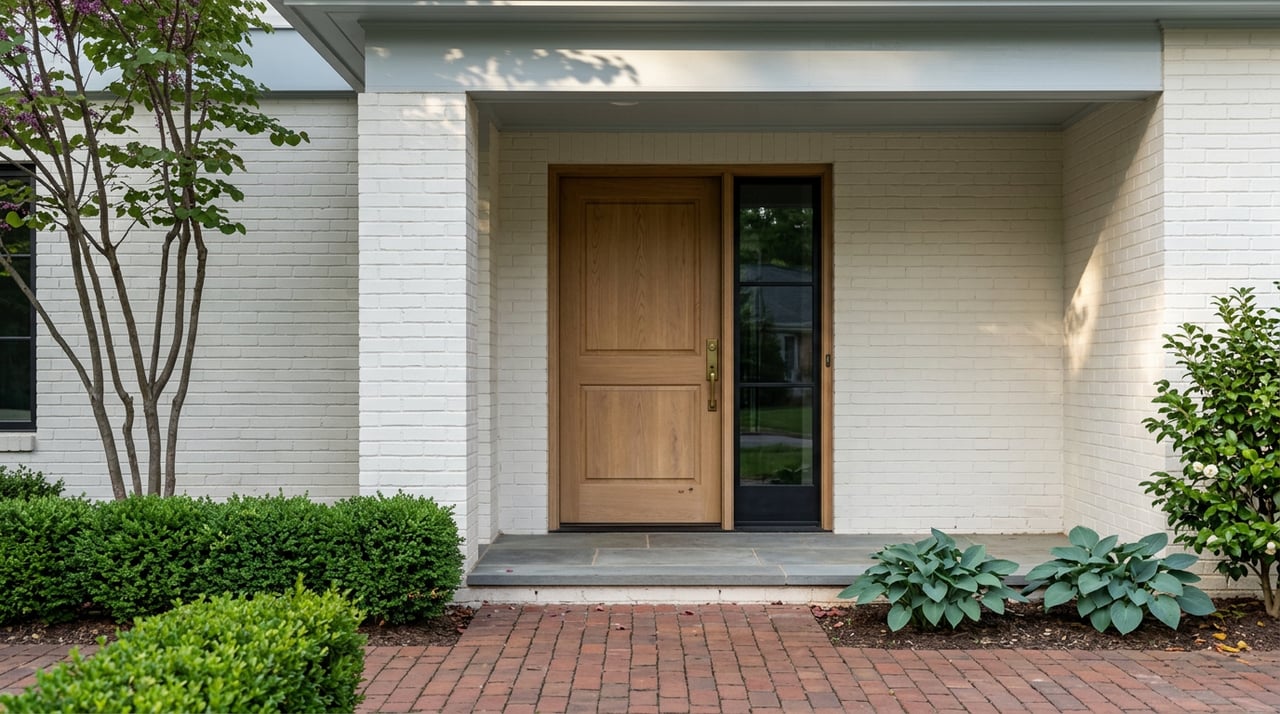
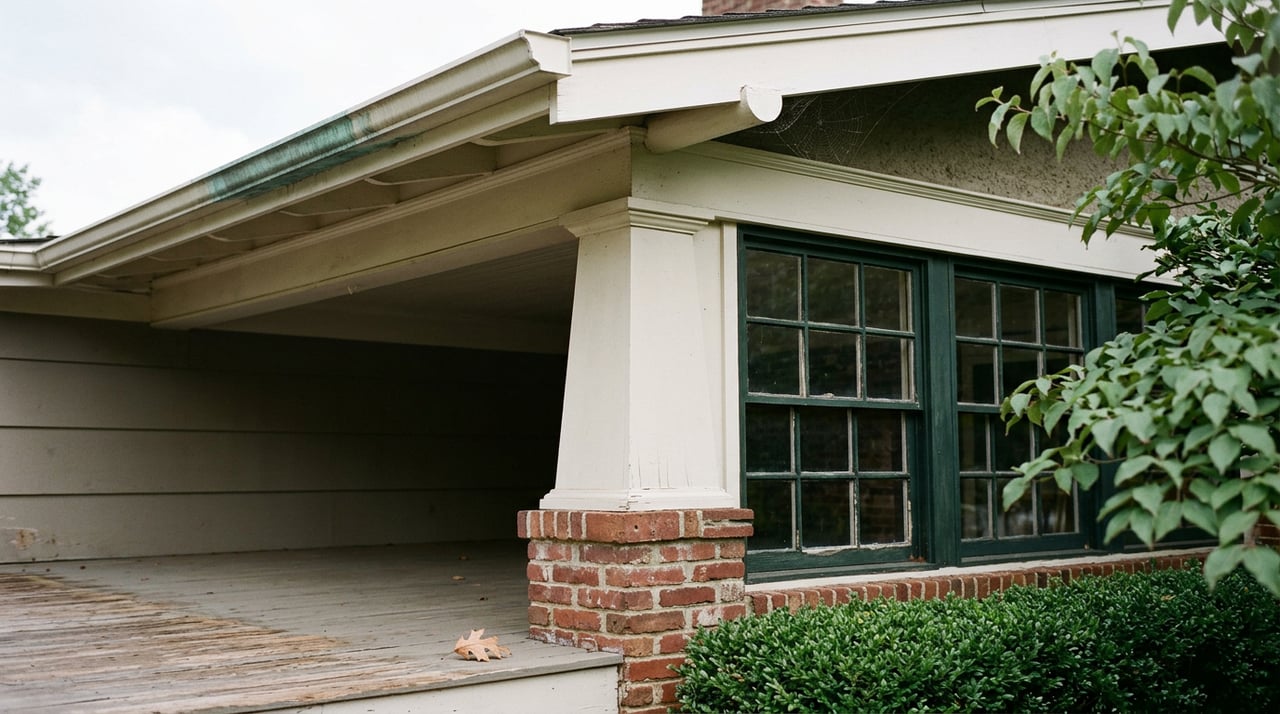
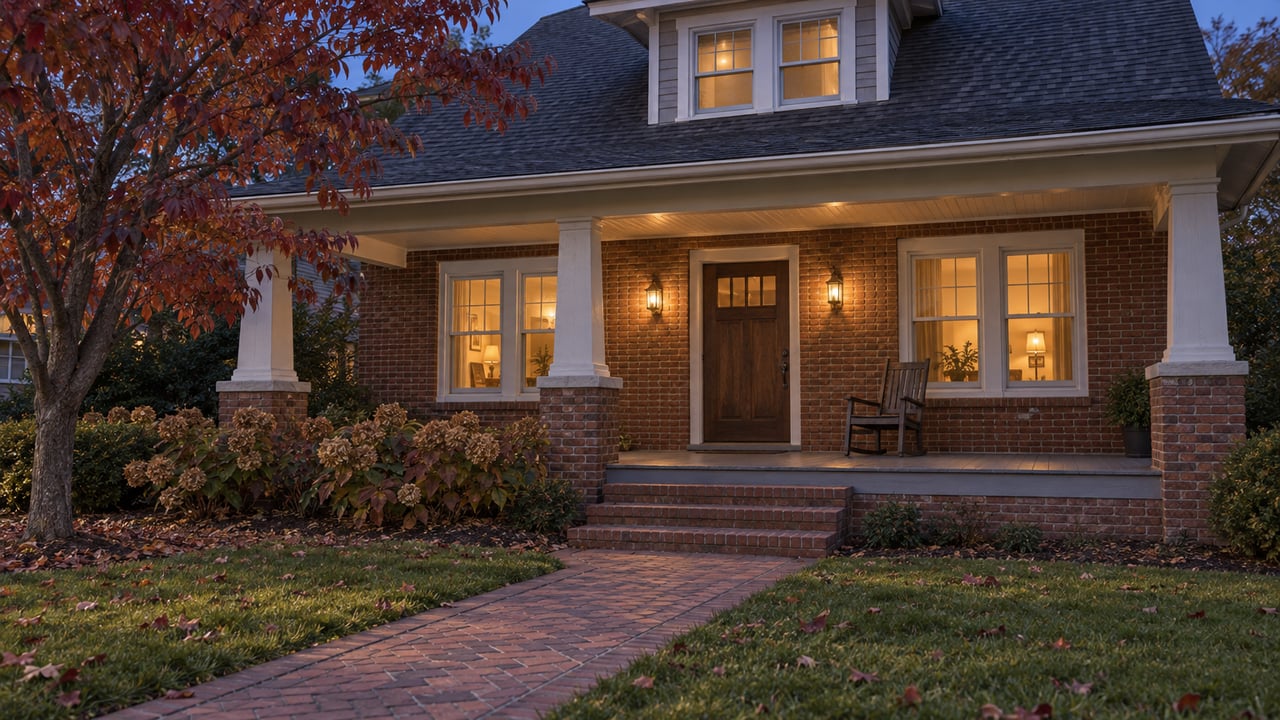
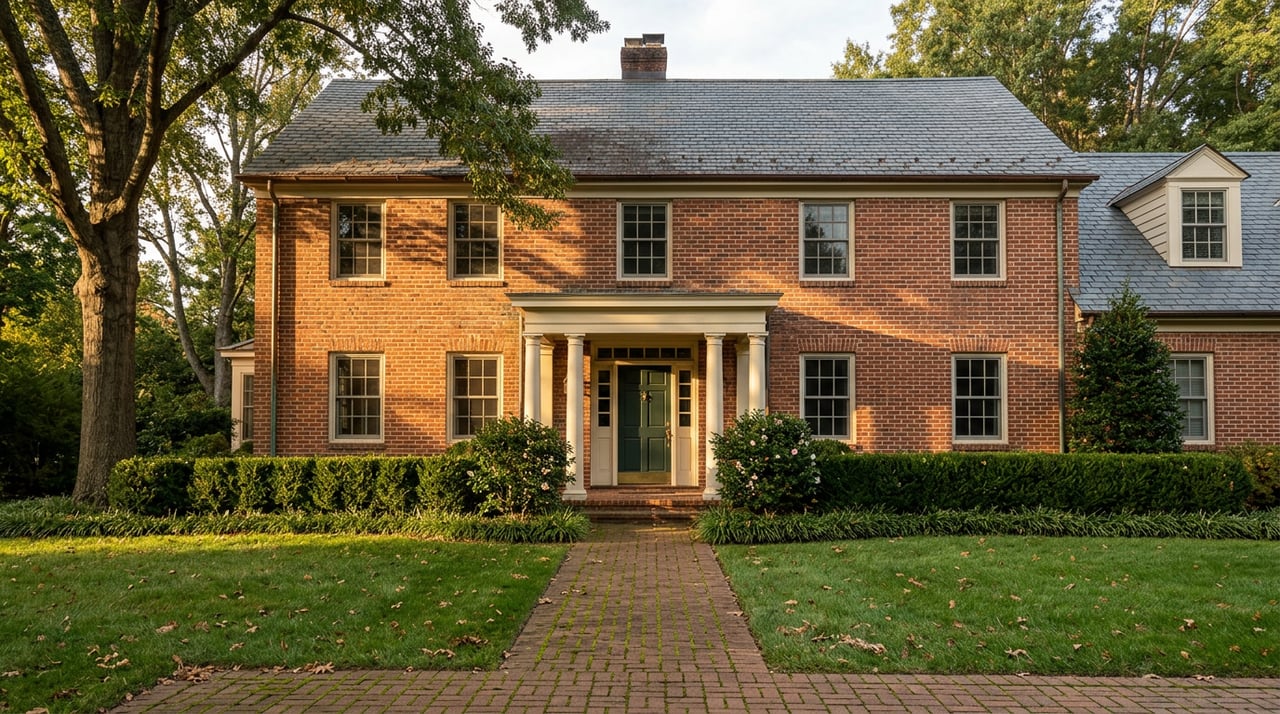
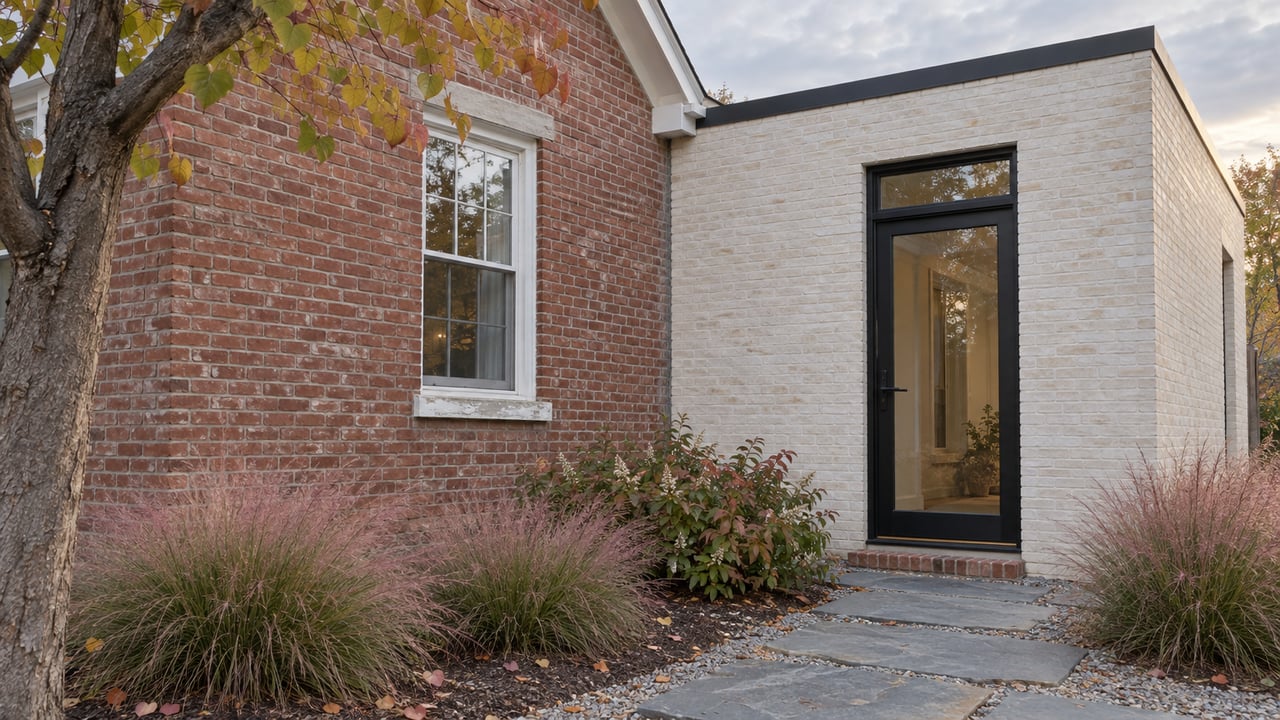
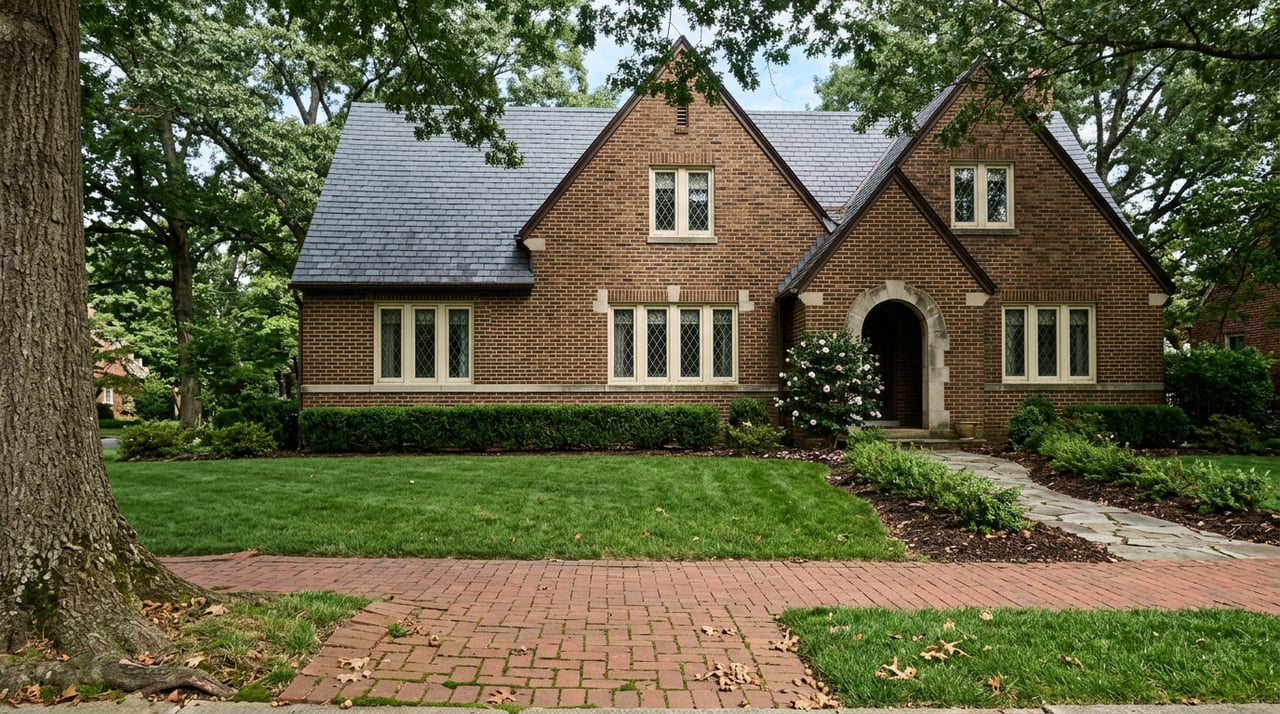
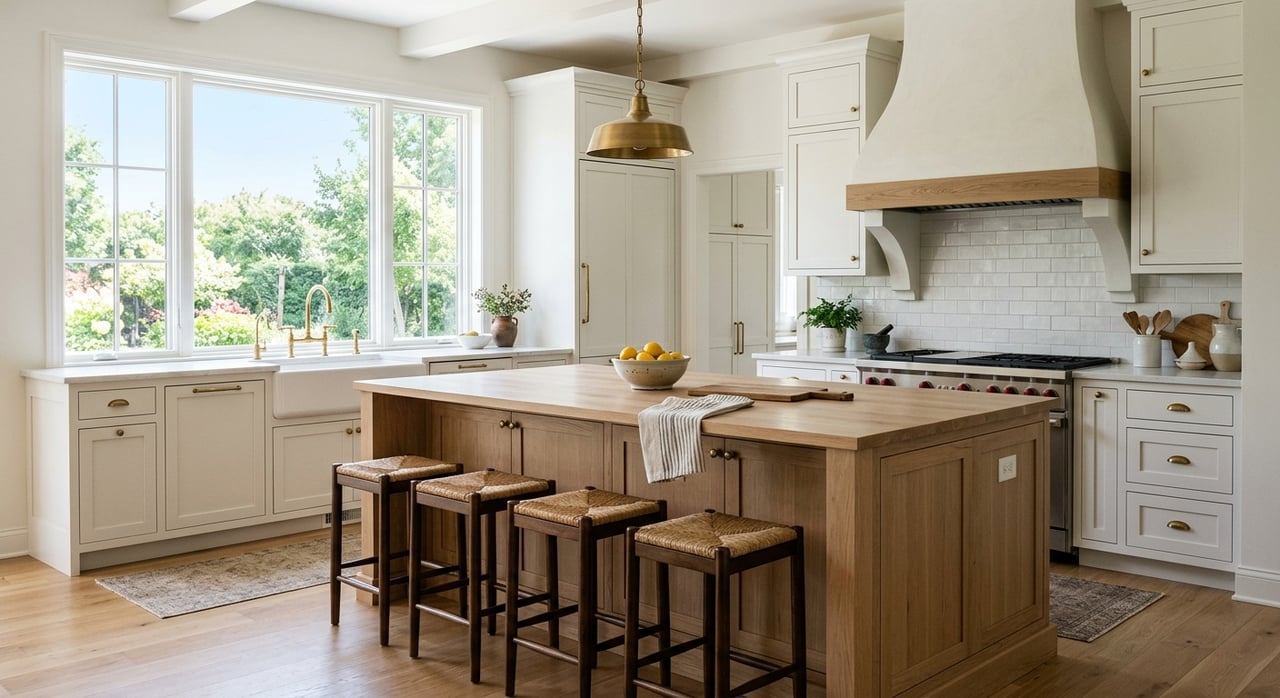
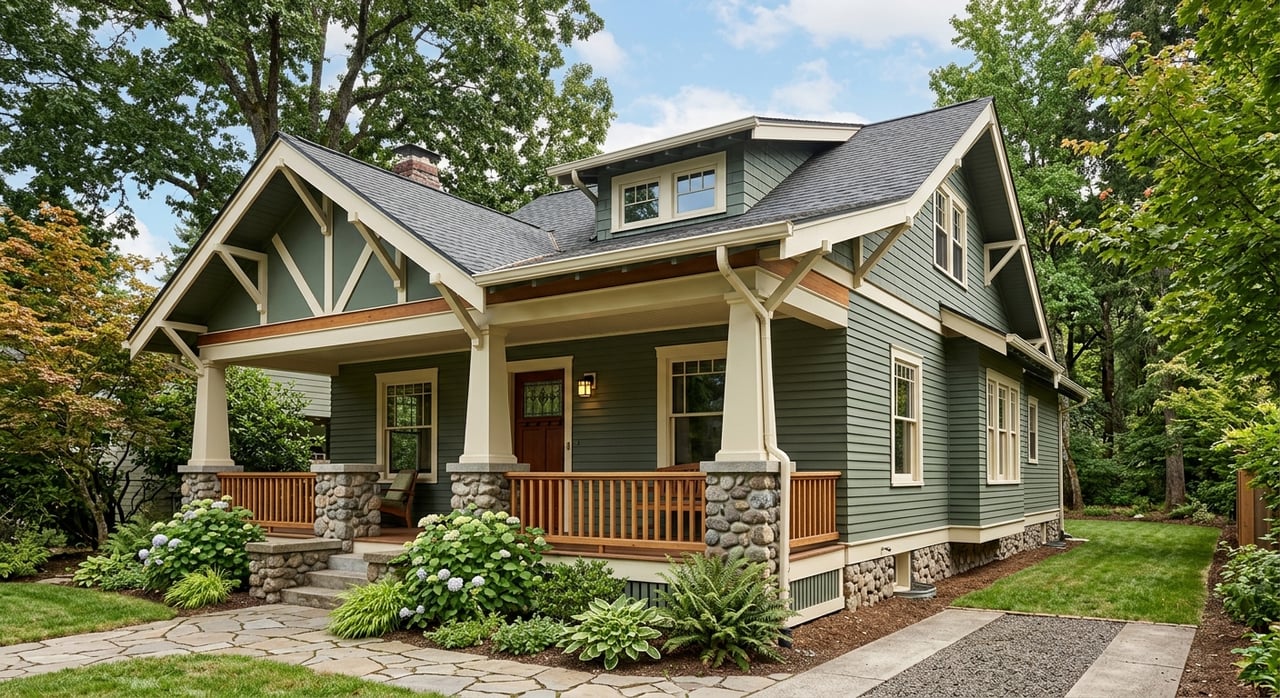
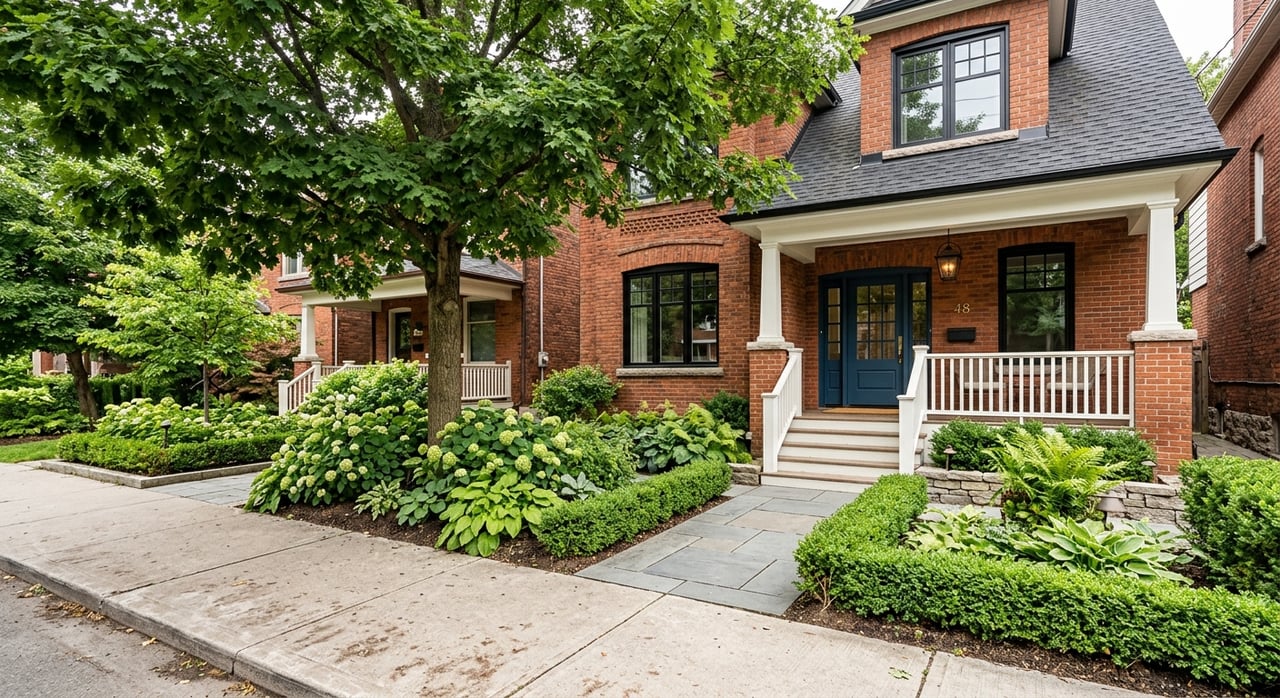
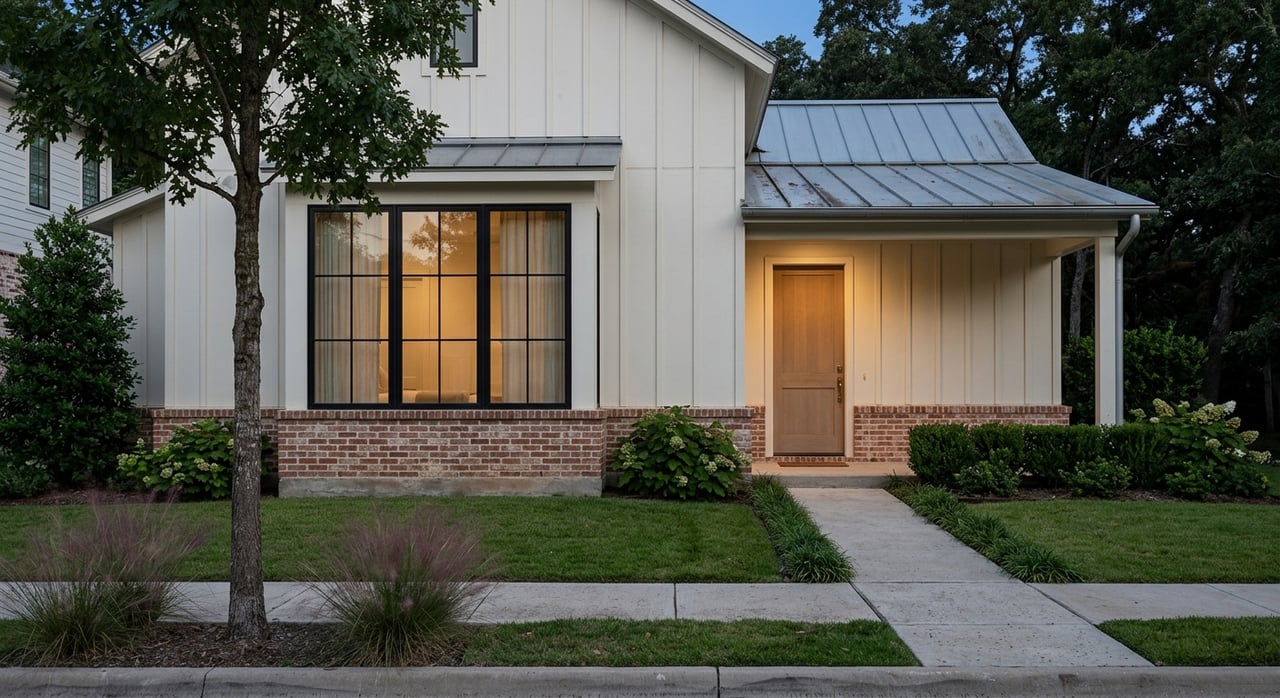
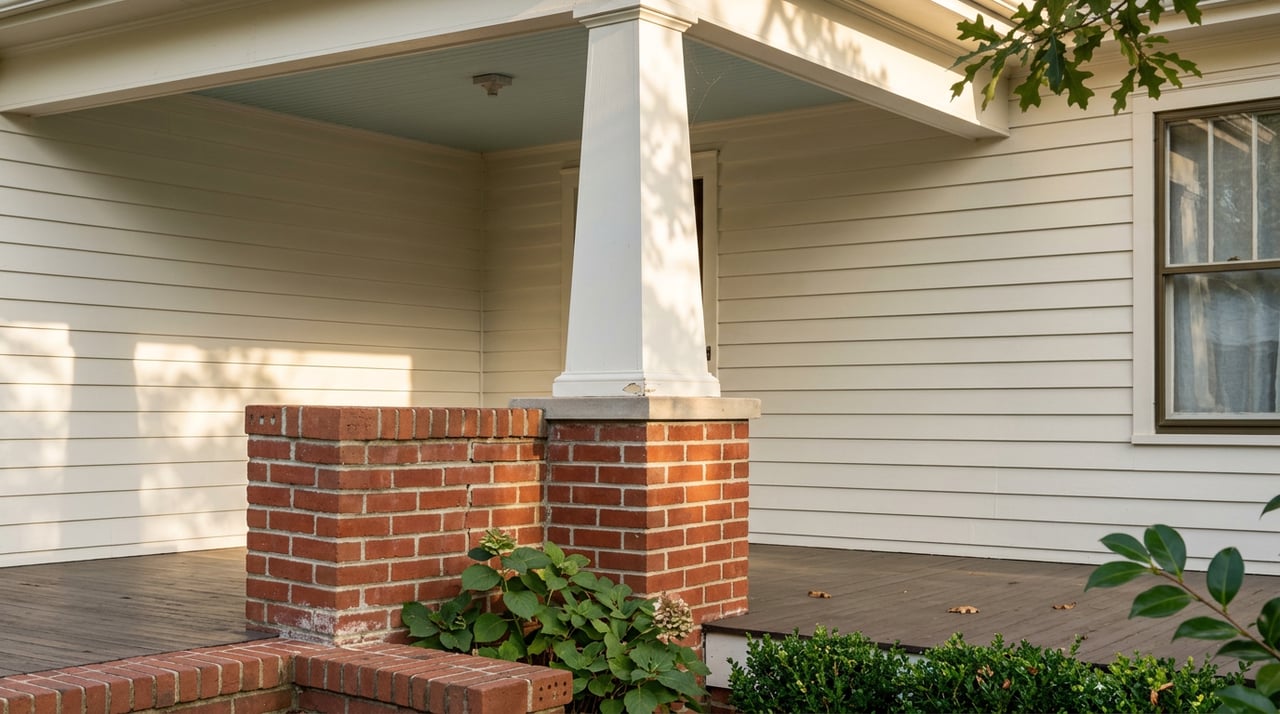
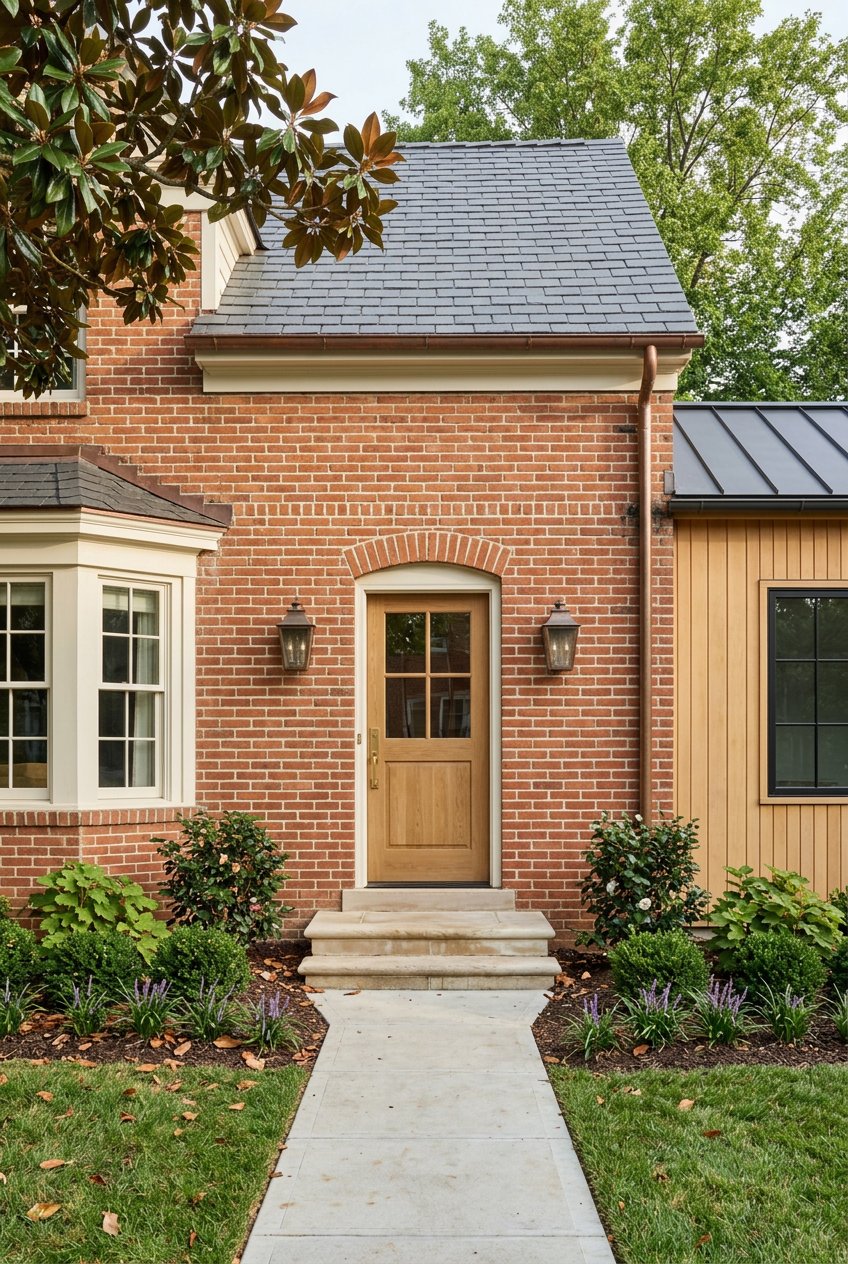
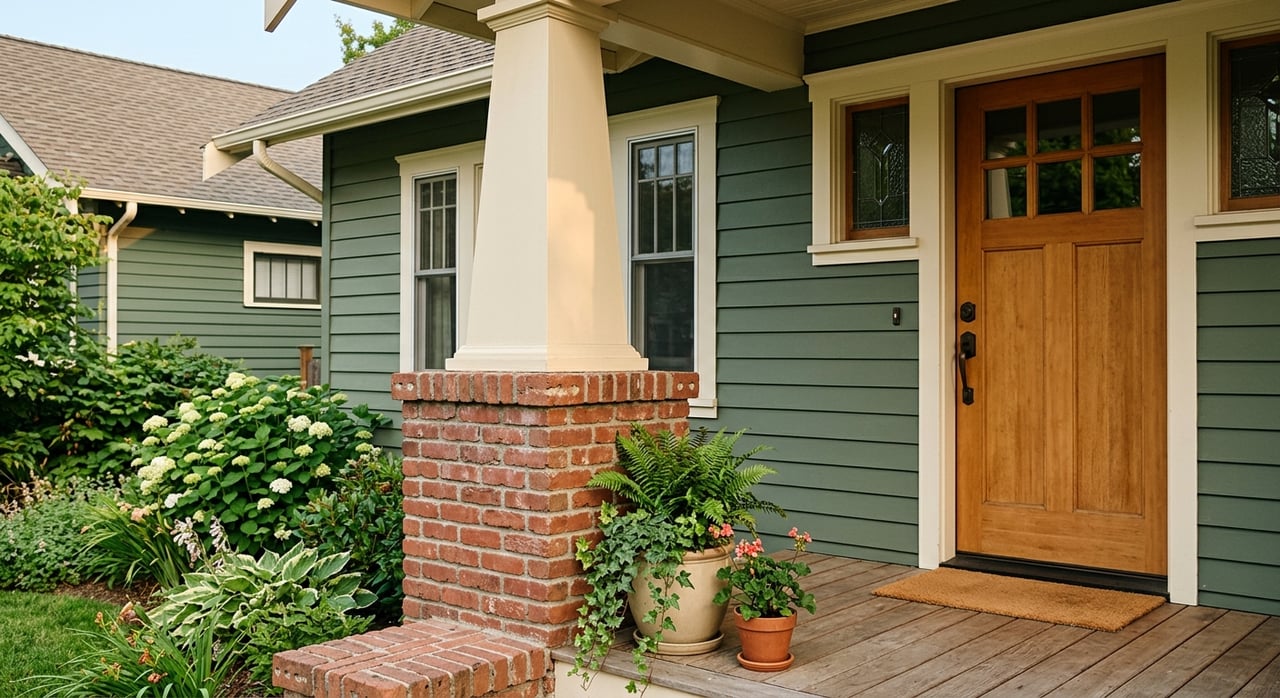
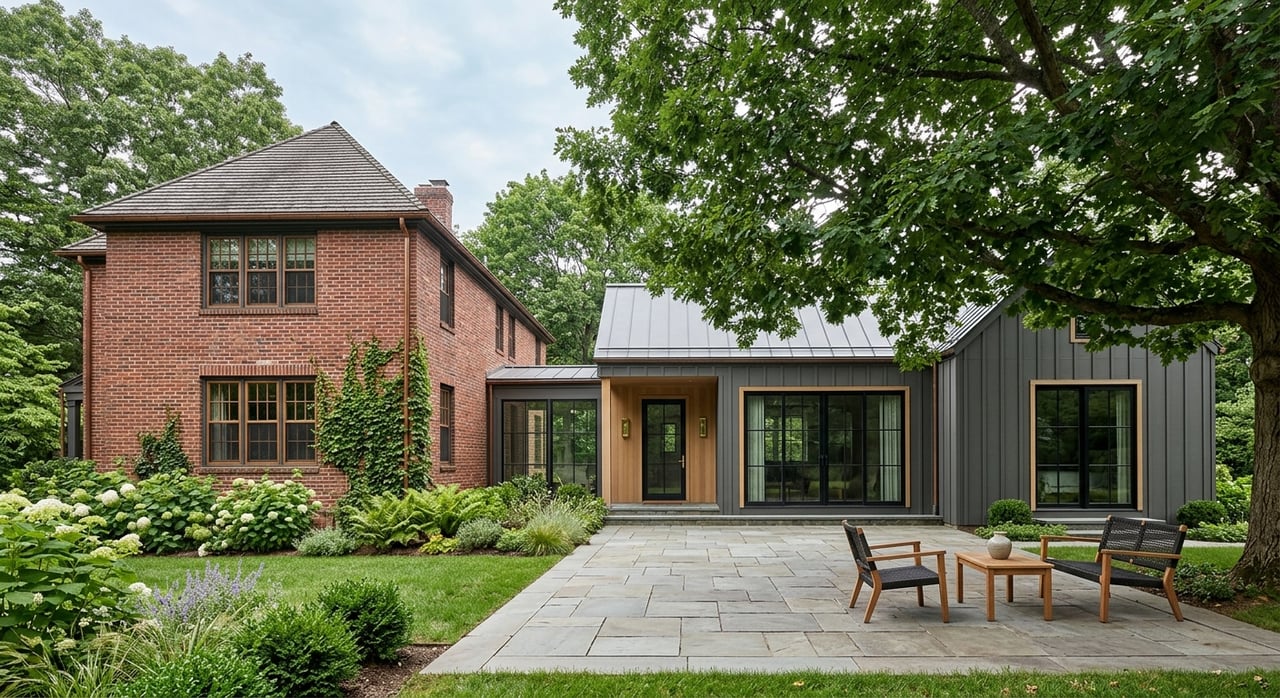
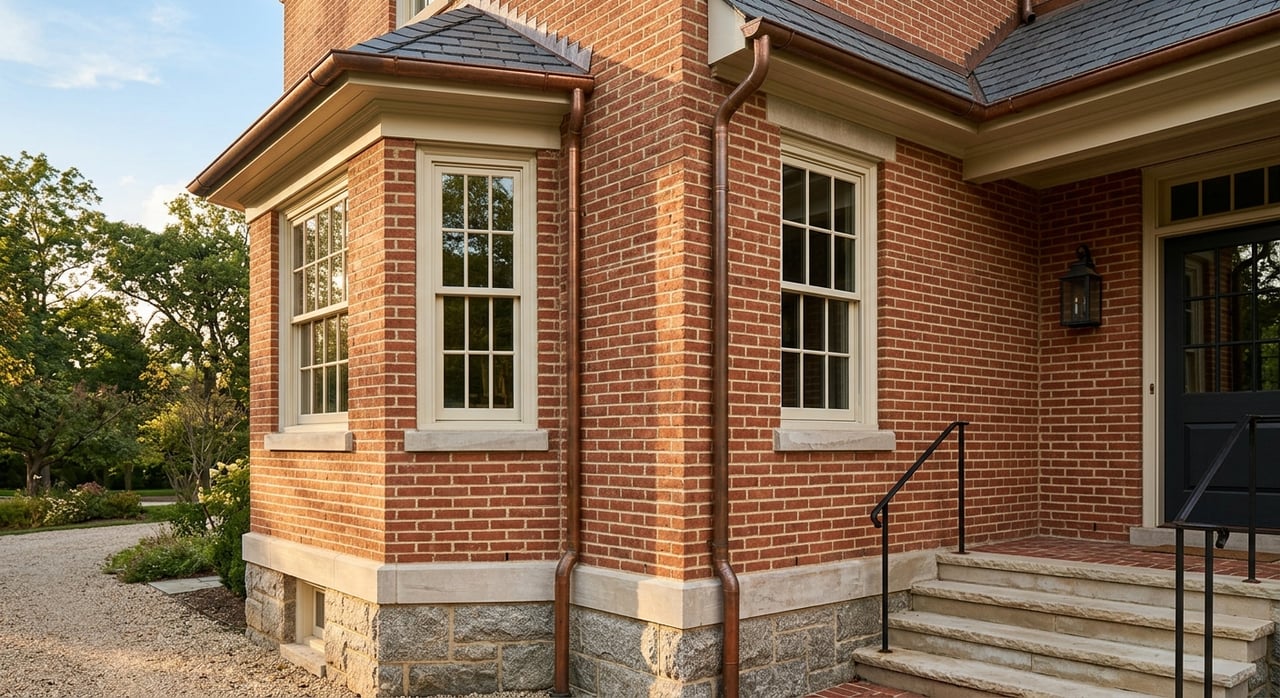
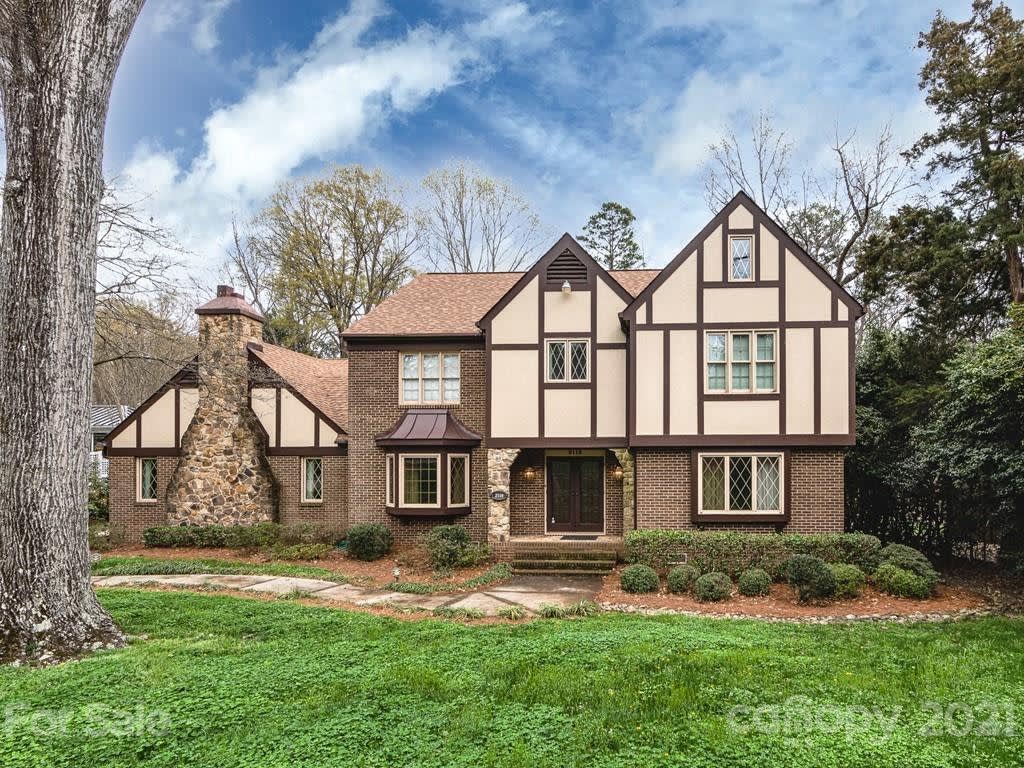
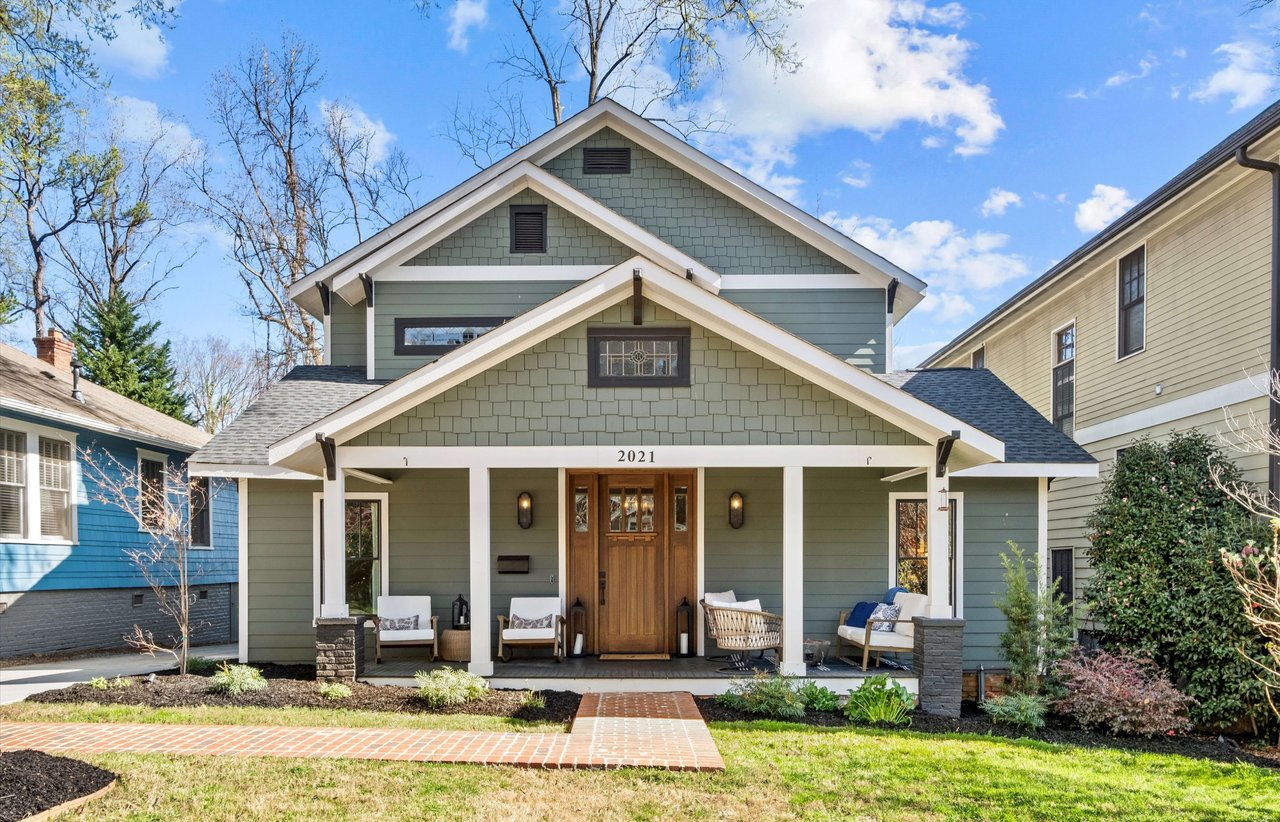
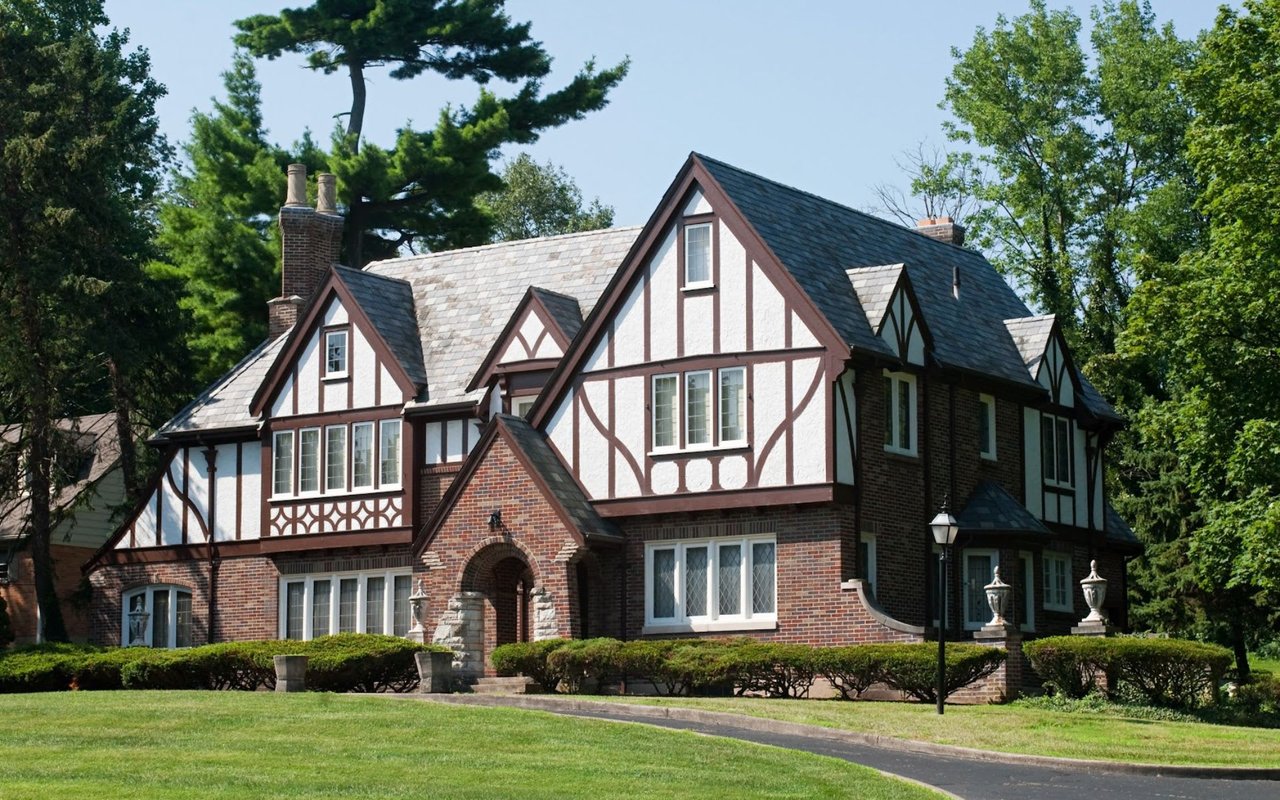
Many Elizabeth homes feature Craftsman, Colonial, Classical Revival, and Tudor Revival architecture. The same city materials also note sloping streets and elevation changes, which make drainage and moisture management especially important when you are evaluating a property.
Historic Status Matters More Than Many Buyers Realize
One of the biggest mistakes buyers make is assuming every older home in Elizabeth falls under the same historic rules. That is not necessarily true.
Charlotte’s Historic District page lists eight current Local Historic Districts, and Elizabeth is not currently listed there. At the same time, the city has published materials tied to a proposed Elizabeth local historic district, which means you should verify the status of the specific parcel instead of making assumptions.
Why does that matter? Because local historic district rules can affect what exterior changes require review. The city notes that, in designated local districts, changes involving items like windows, doors, fencing, and tree removal can require Historic District Commission approval and a Certificate of Appropriateness.
If you are planning repairs or updates, that can change your timeline, budget, and renovation strategy. A house that seems like a straightforward cosmetic project may come with more processes on the exterior side than you expected.
Start With the House, Not the Finishes
When you walk into an older home, it is easy to focus on the kitchen, bathrooms, paint colors, or staging. In Elizabeth, that can be an expensive mistake.
The first question is not whether the home looks updated. The first question is whether the structure, moisture control, and core systems make sense for the price you are paying.
That builder-minded approach matters in older neighborhoods. A pretty house with poor drainage, deferred roof work, or aging electrical can eat through your budget much faster than a house with dated finishes but solid fundamentals.
What a North Carolina Inspection Covers
North Carolina home inspectors are required to review the major systems that matter most in an older house. Under state inspection rules, that includes:
- Structural components such as the foundation, floors, walls, columns or piers, ceilings, and roof
- Exterior elements such as cladding, windows, porches, and grading or drainage
- Roofing
- Plumbing
- Electrical
- Heating and cooling systems
- Built-in appliances
The rules also allow inspectors to probe deterioration and enter crawl spaces, basements, and attics when access is available. In a neighborhood with older homes and sloping lots, those spaces can reveal the kind of issues that matter most.
What a General Inspection Does Not Cover
This is where buyers can get blindsided. North Carolina inspection rules also state that a home inspector is not required to determine the presence or absence of hazardous substances such as mold, toxins, carcinogens, or other contaminants in the building, water, or air.
In plain English, that means a general inspection is not the whole story in an older Elizabeth home. If the house is old enough or your renovation plans could disturb older materials, you may need separate specialty testing.
That is especially important when lead-based paint or asbestos could be part of the picture.
Lead Paint Is a Real Budget Issue
Because many Elizabeth homes were built before 1940, lead-based paint is a serious due-diligence item. The EPA says 87% of homes built before 1940 have some lead-based paint.
The EPA also states that buyers of most pre-1978 housing must receive lead disclosure information before closing. If you plan to sand, scrape, drill, replace windows, open walls, or do larger renovations, lead-safe work practices matter because those activities can create dangerous dust.
This is one reason smart buyers avoid jumping into cosmetic demolition right after closing. It is better to understand the risks first and plan work in the right order.
Asbestos Needs a Similar Approach
Asbestos is another issue you should not guess at. The EPA says asbestos cannot be identified by sight alone.
If suspect materials are damaged or will be disturbed during renovation, they should be sampled by a trained and accredited professional. If materials are undamaged and will not be disturbed, the EPA says they are usually best left alone.
That distinction matters for budgeting. A house may feel move-in ready now, but your renovation plans could trigger extra testing and abatement costs later.
Fix Water and the Building Envelope First
If you want to avoid losing your shirt, start your budget with the issues most likely to protect the house long term. In Elizabeth, that usually means the building envelope and water management first.
Based on the neighborhood’s terrain and the systems North Carolina inspectors review, your early budget should focus on:
- Roof condition
- Flashing details
- Gutters and downspouts
- Grading and drainage
- Crawl-space moisture
- Exterior wood deterioration
Water is what quietly turns manageable repairs into expensive ones. If moisture is getting in, you can end up dealing with damaged wood, interior deterioration, or a chain reaction of repair costs that makes every later upgrade more expensive.
Upgrade Life-Safety and Core Systems Next
Once the house is dry and protected, the next bucket is life-safety and essential mechanical work. These are the systems that most directly affect day-to-day comfort, repair risk, and future buyer confidence.
Priority items often include:
- Electrical service and panel condition
- Grounding and GFCI protection
- Smoke and carbon monoxide alarms
- Plumbing pipe materials and shutoffs
- Water heater condition
- Heating and cooling performance
These systems are part of what North Carolina inspectors are specifically required to examine. If they are outdated or poorly maintained, they can affect not just your comfort, but also how confidently you move forward with the purchase.
Save Cosmetic Projects for Later
This is where disciplined buyers protect their budget. It is tempting to focus on pretty upgrades first, but cosmetic work should usually come after you understand moisture, hazards, and mechanical systems.
A smarter sequence looks like this:
- Verify historic district status for the specific parcel
- Inspect structure, roof, drainage, crawl space, and moisture conditions
- Test for lead and asbestos if renovation is likely
- Address core mechanical and life-safety issues
- Tackle energy and comfort upgrades
- Finish with appearance-driven improvements
That sequence follows the risk categories laid out by North Carolina inspection rules and EPA guidance. It also helps you avoid spending money twice.
Be Careful With Windows, Doors, and Exterior Plans
Energy and comfort upgrades often make sense in older homes, but you should confirm what is allowed before committing to exterior changes. Charlotte states that in designated local historic districts, exterior work involving windows, doors, fencing, and some other visible changes may require review, while ordinary maintenance such as in-kind reroofing generally does not.
For Elizabeth, that applies directly only if the parcel is in a designated local historic district or if the city later adopts one there. That is why parcel-level verification matters so much.
If you are buying with renovation in mind, ask early questions about exterior approvals, past permits, and whether previous work was done properly. The city’s historic-district materials also note that rules primarily apply to the exterior and that interior-only applications can often move more quickly than exterior changes.
Ask for Paperwork Before You Get Too Far
Before you finalize your repair budget or renovation plan, ask for documentation that can help you understand what has already been done. Useful items include:
- Prior permits
- Contractor invoices
- Records of past repairs or replacements
- Any historic approvals tied to exterior work
This paperwork can help you spot whether earlier updates were done legally and with compatible materials. It can also give you a better sense of what may need to be revisited.
A Practical Budget Mindset for Elizabeth Buyers
Buying a historic home without overpaying is not about finding a perfect house. It is about understanding which problems are expensive, which are manageable, and which improvements can wait.
A dated kitchen is usually easier to plan for than hidden drainage trouble. Original finishes are often less dangerous to your budget than moisture damage, unsafe electrical work, or renovation work that starts before you understand lead or asbestos risk.
The buyers who do best in Elizabeth are usually the ones who stay calm, look past cosmetics, and build their budget around structure, water, safety, and long-term value. That is how you protect both your cash and your future resale position.
If you are thinking about buying an older home in Elizabeth, having a practical advisor matters. The team at Real Estate Layne brings a design and construction lens to property selection, due diligence, and renovation-minded decision-making so you can move forward with more clarity and less guesswork.
FAQs
What should I inspect first when buying a historic home in Elizabeth?
- Start with structure, roof, drainage, crawl space, and any signs of moisture intrusion before focusing on cosmetic updates.
Does every Elizabeth home fall under Charlotte historic district rules?
- No. Charlotte does not currently list Elizabeth among its designated Local Historic Districts, so you should verify the status of the specific parcel before assuming exterior rules apply.
Do North Carolina home inspections test for lead paint or asbestos in older homes?
- No. A general home inspection does not require the inspector to determine the presence or absence of hazardous substances, so separate specialty testing may be needed.
Why is lead paint such an important issue in Elizabeth homes?
- Many Elizabeth homes were built before 1940, and the EPA says 87% of homes from that period have some lead-based paint.
When should I budget for cosmetic renovations in an Elizabeth historic home?
- Usually, after you verify district status, assess moisture and structural issues, evaluate lead or asbestos risk if renovation is planned, and address major system and safety items first.