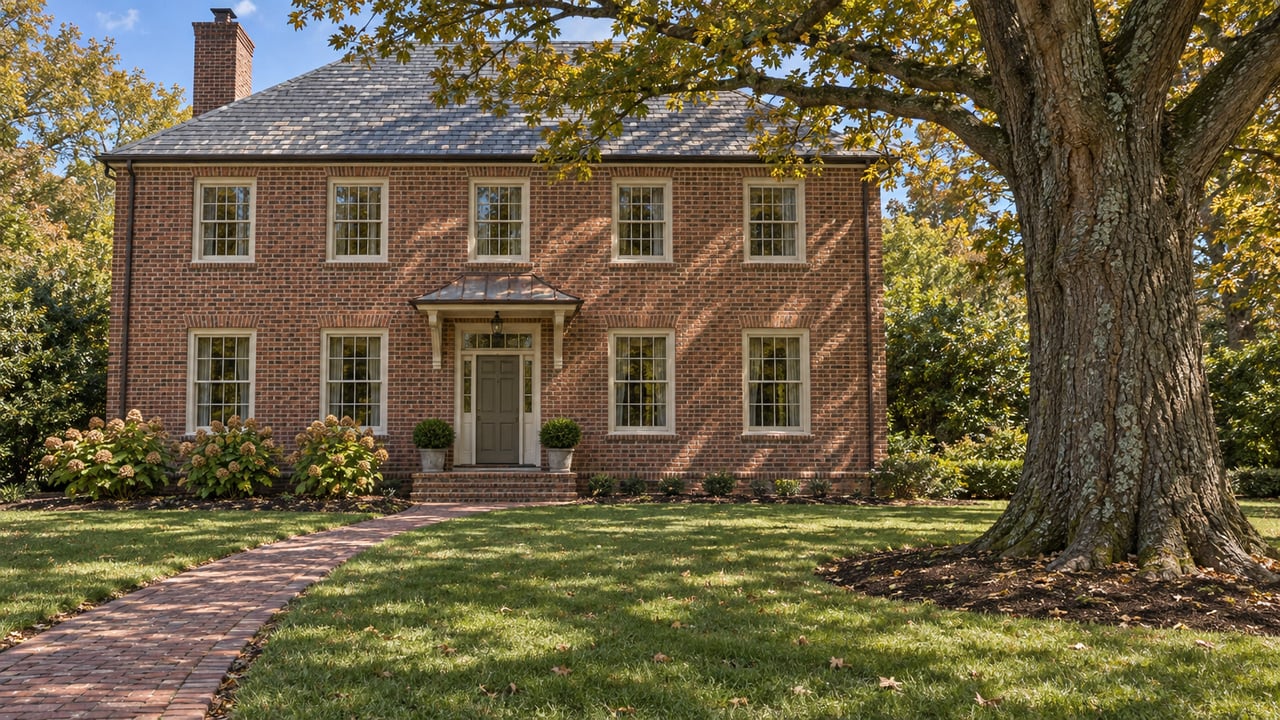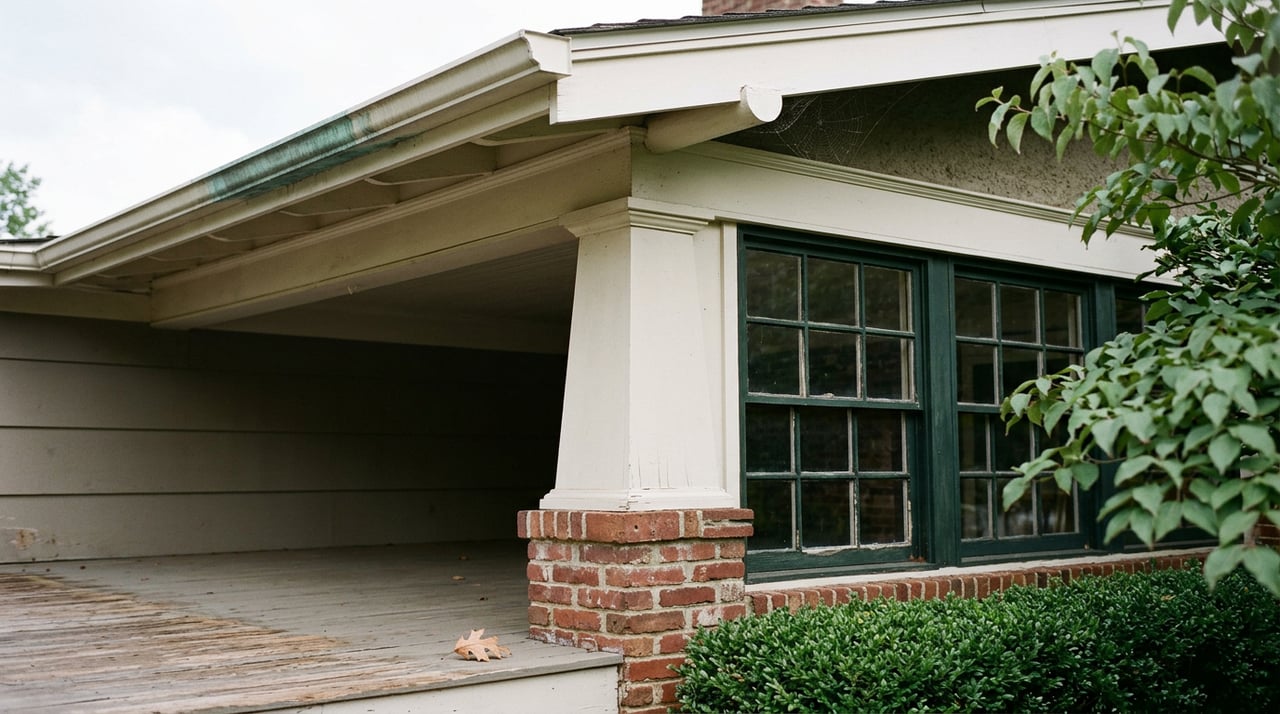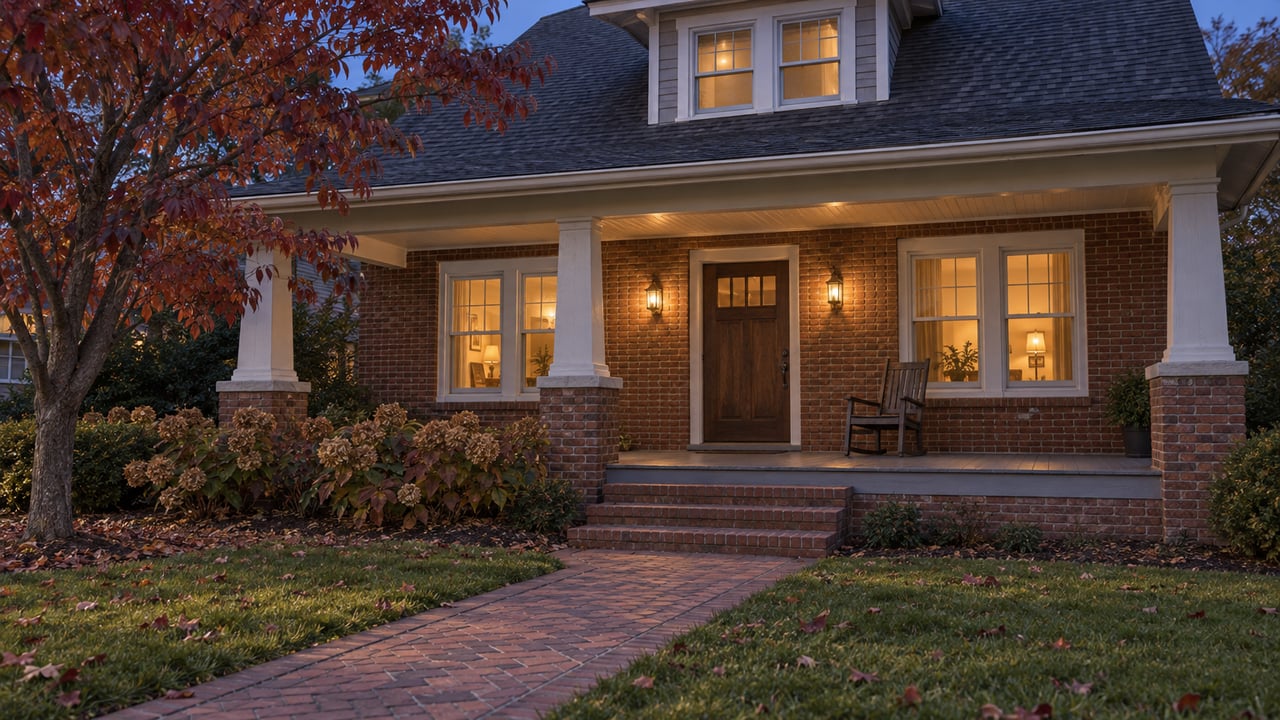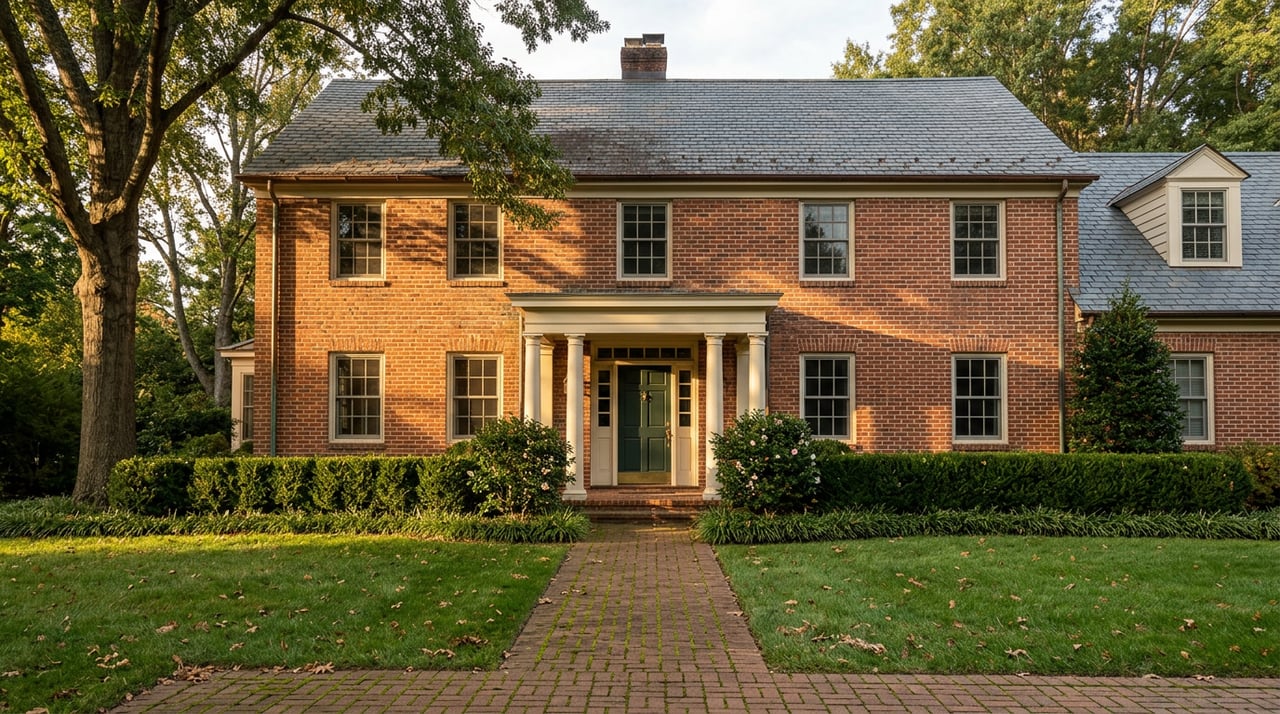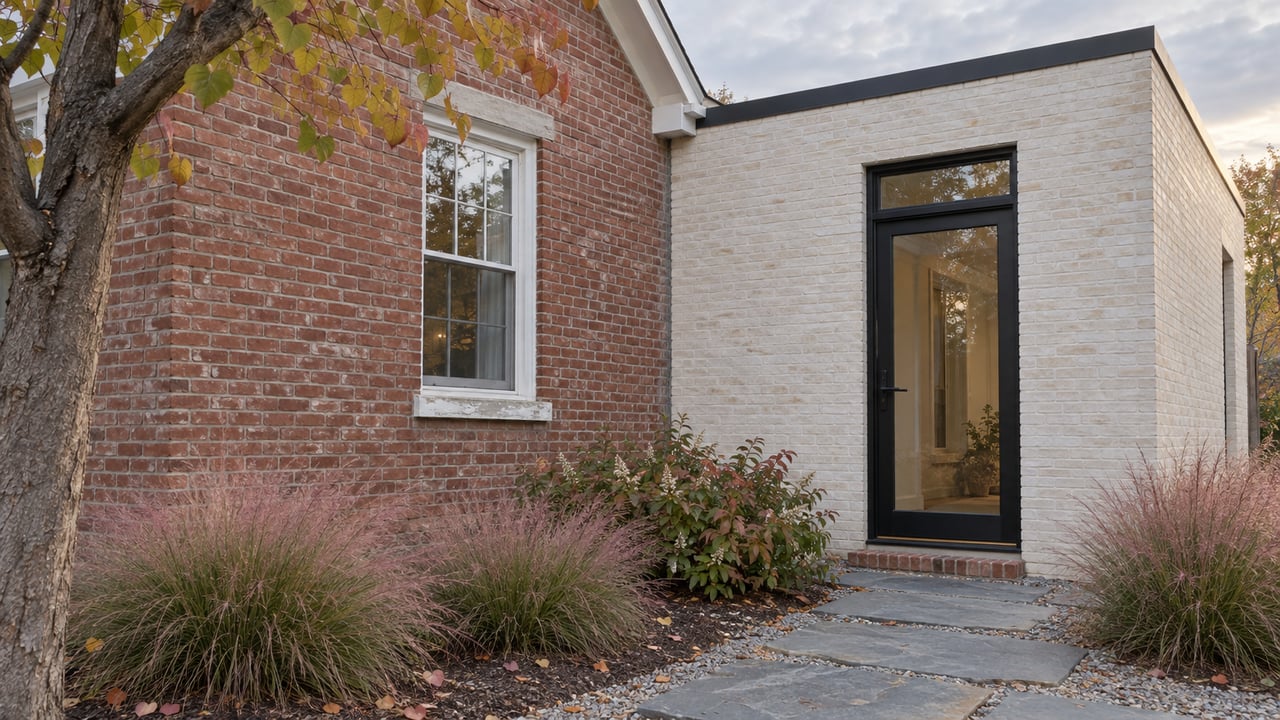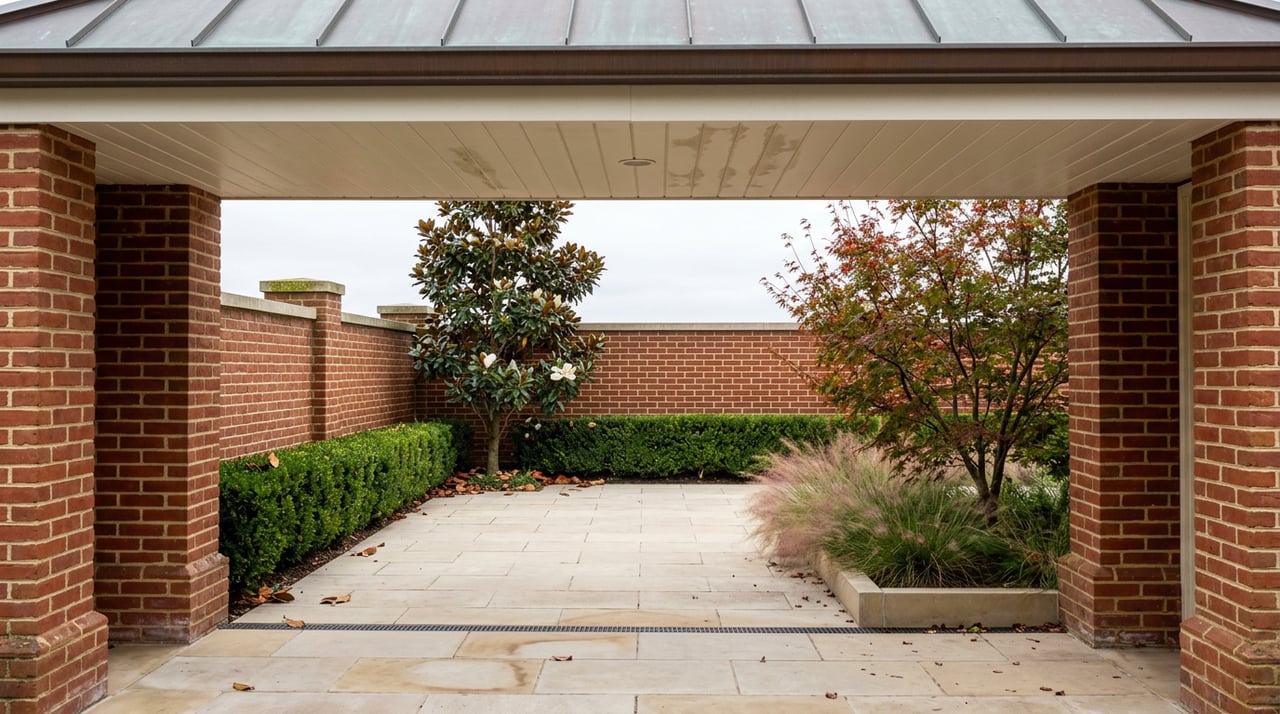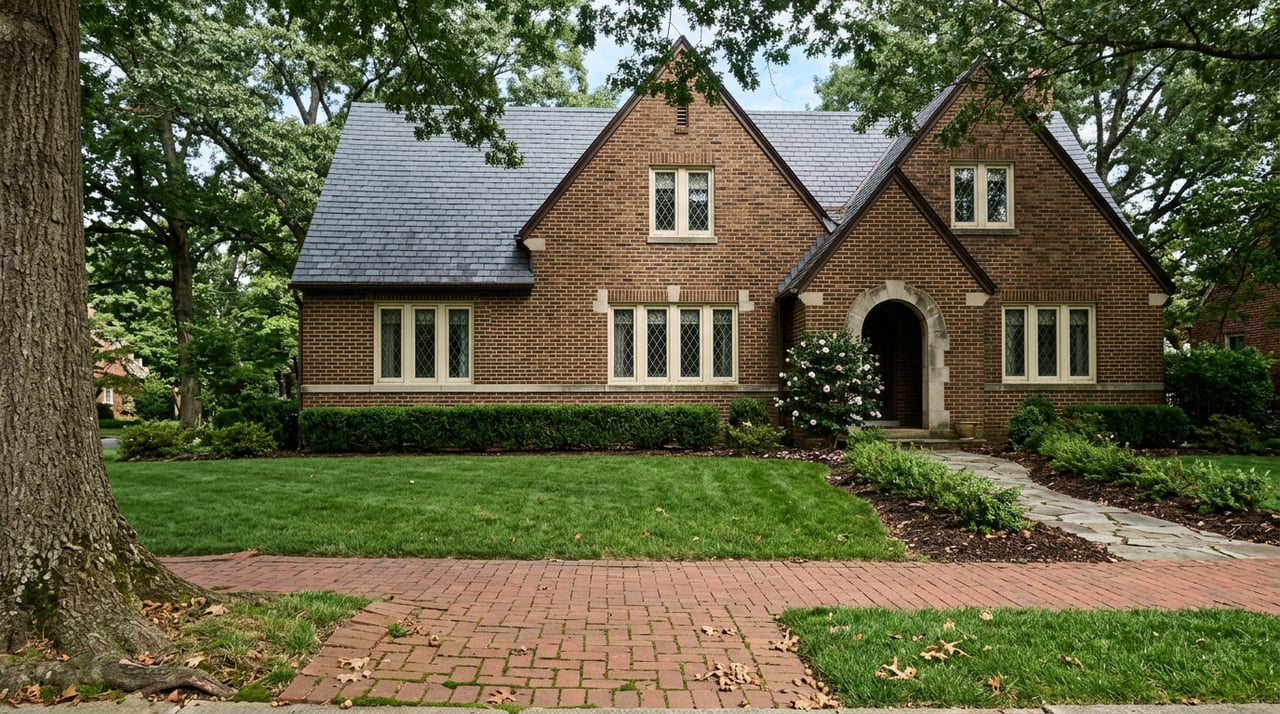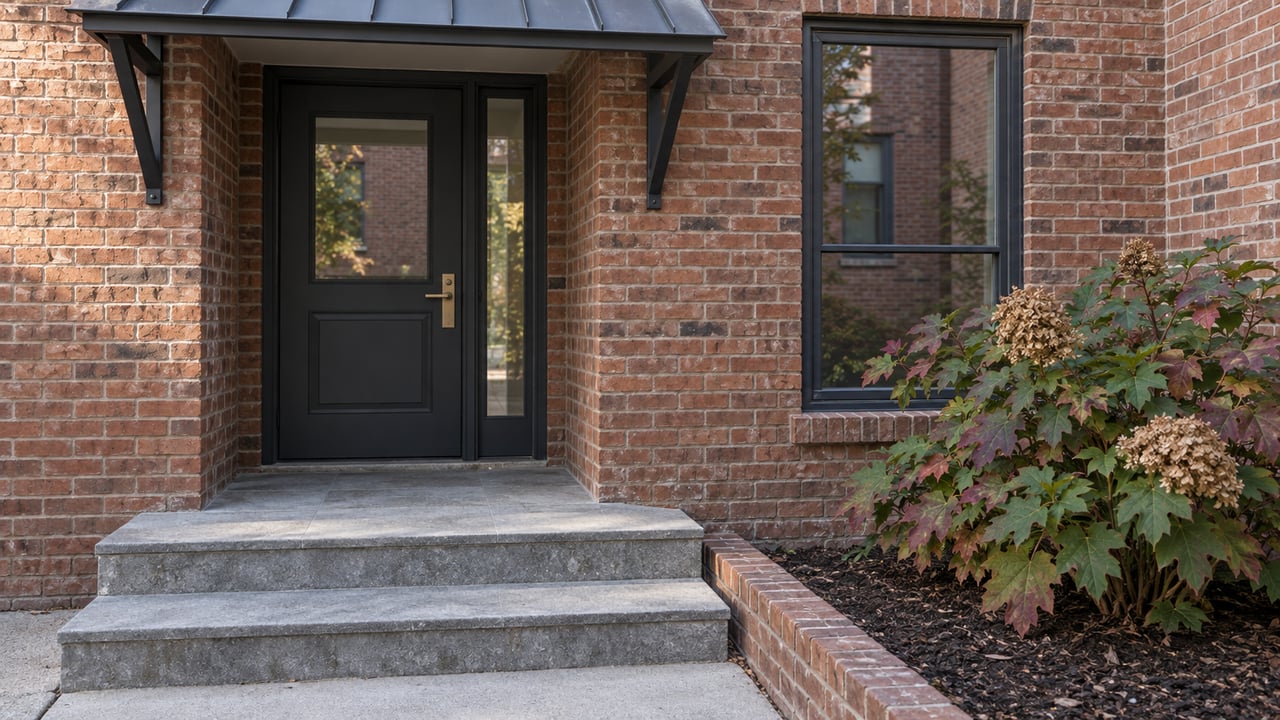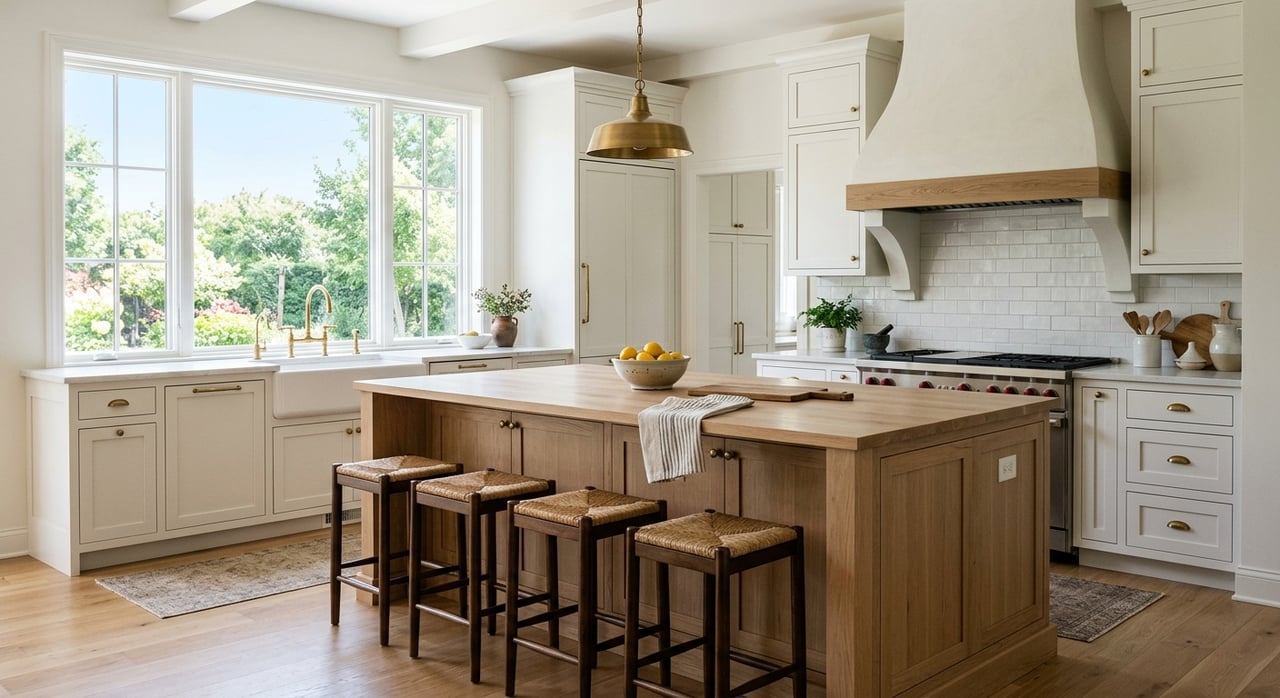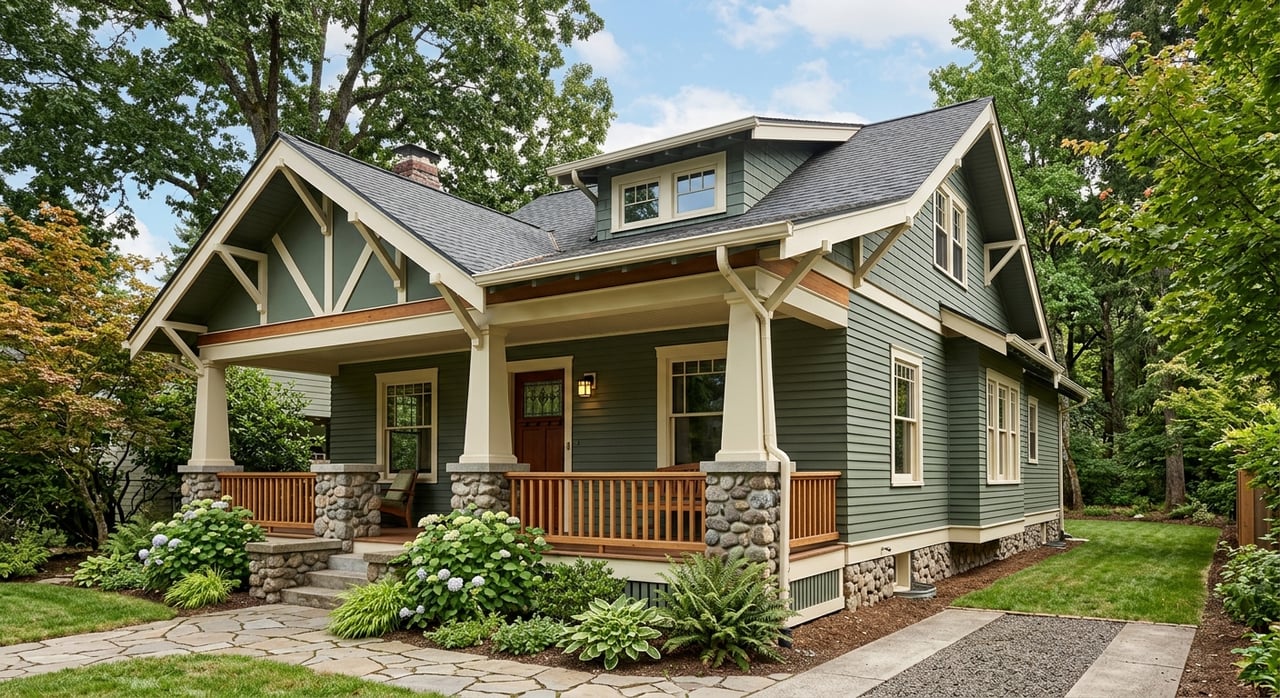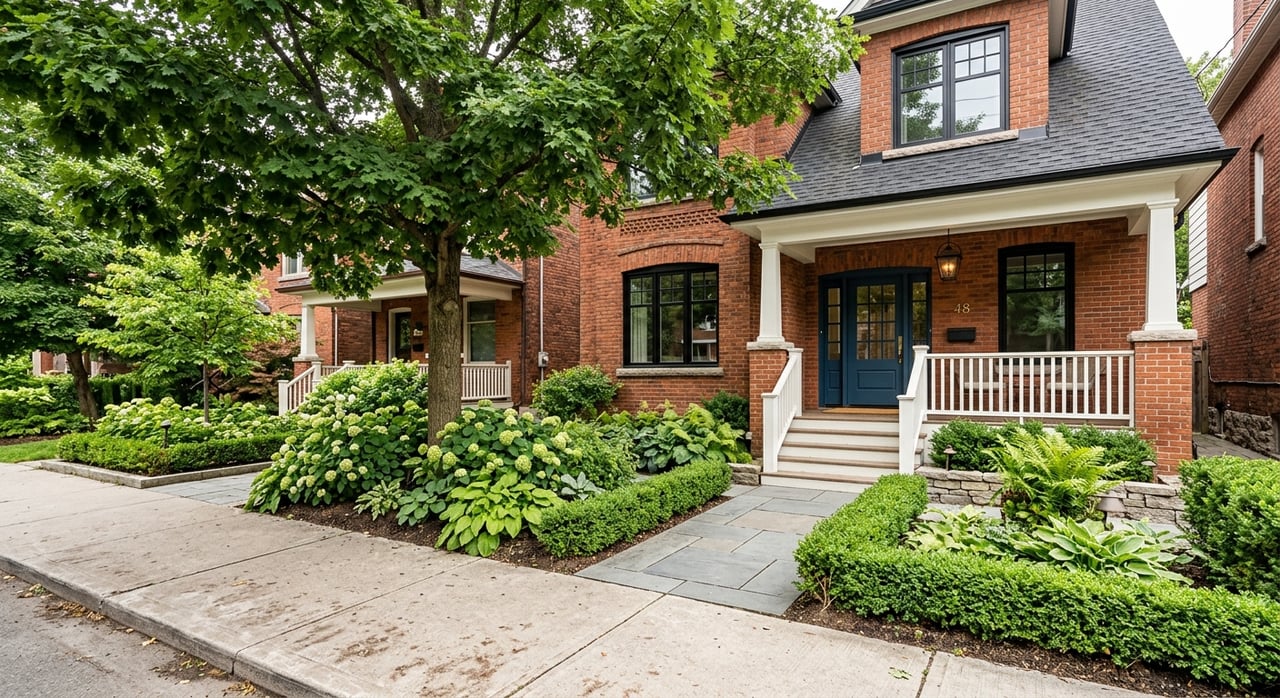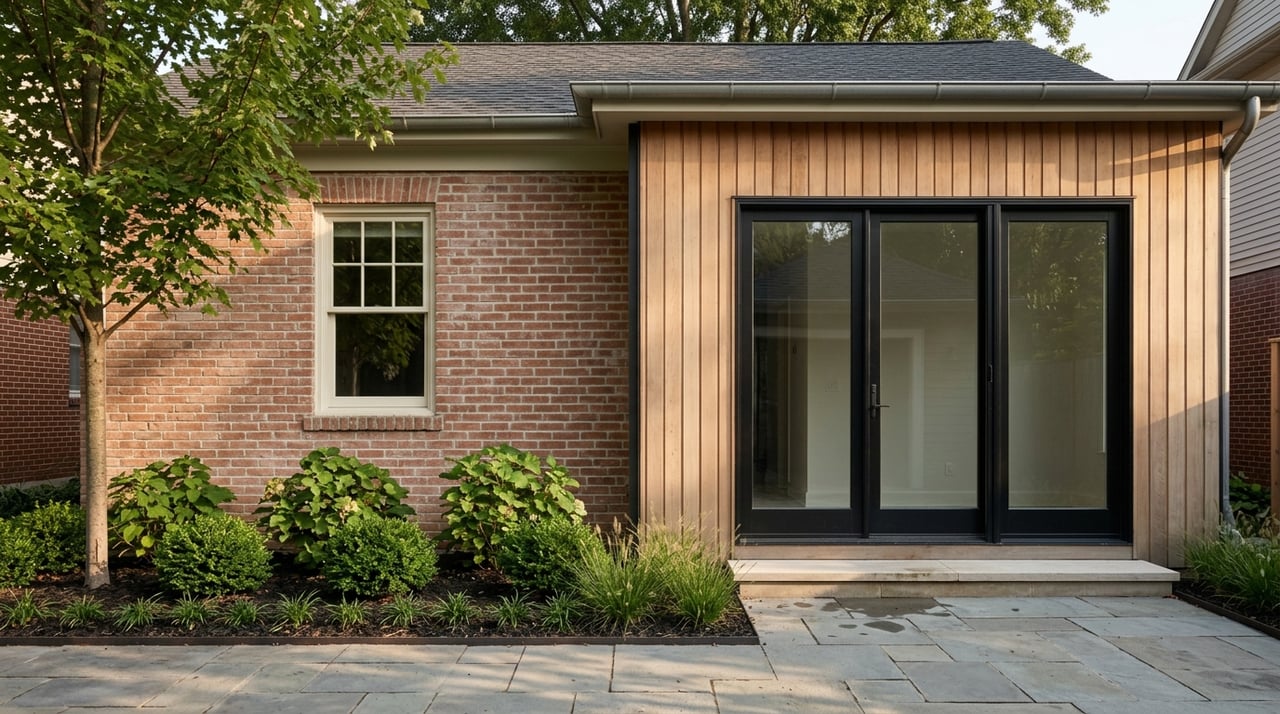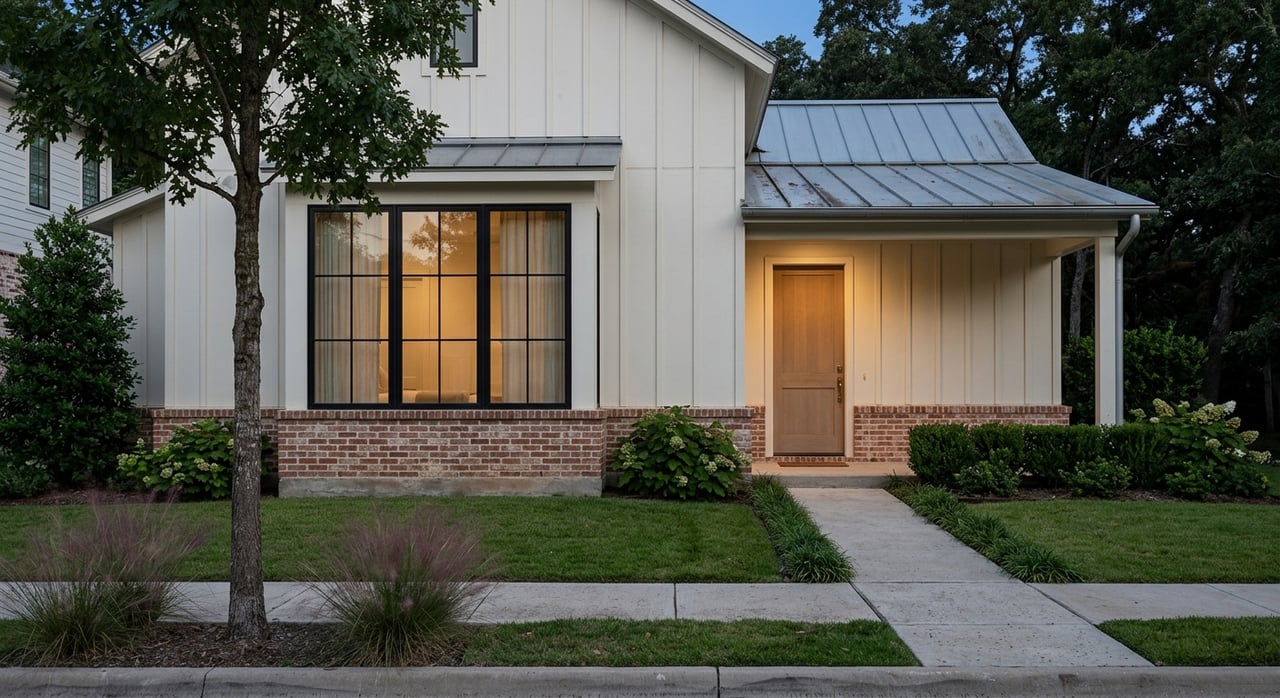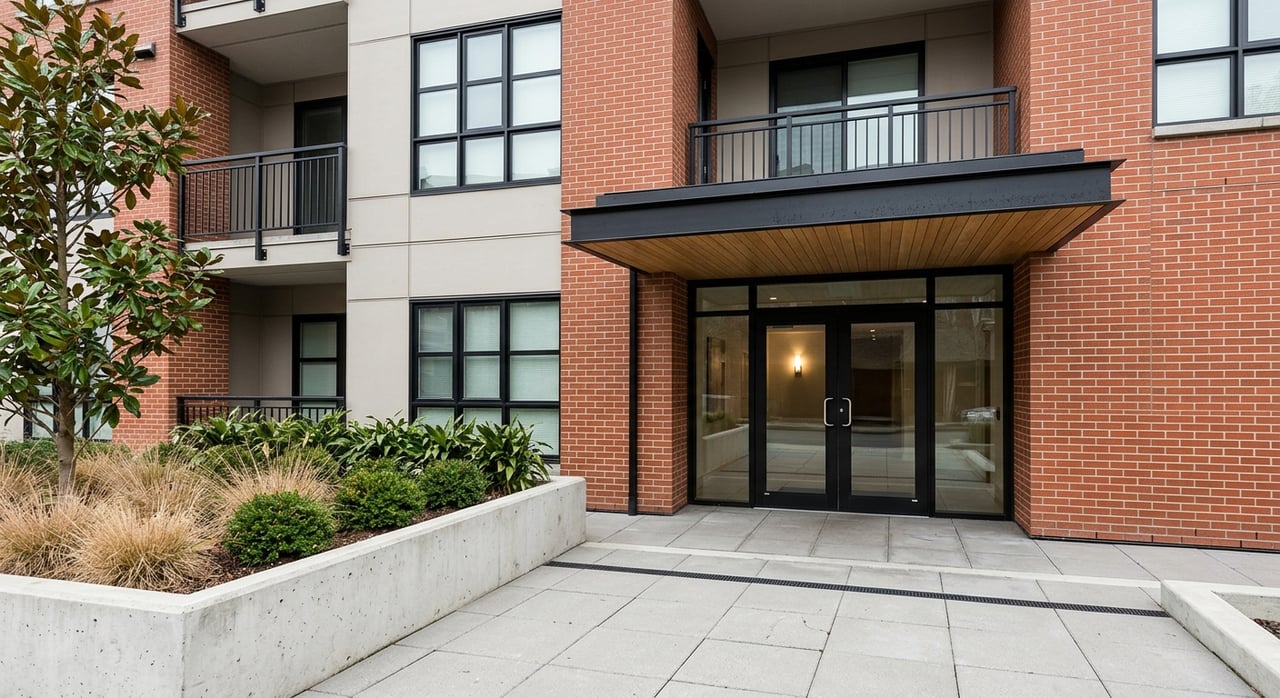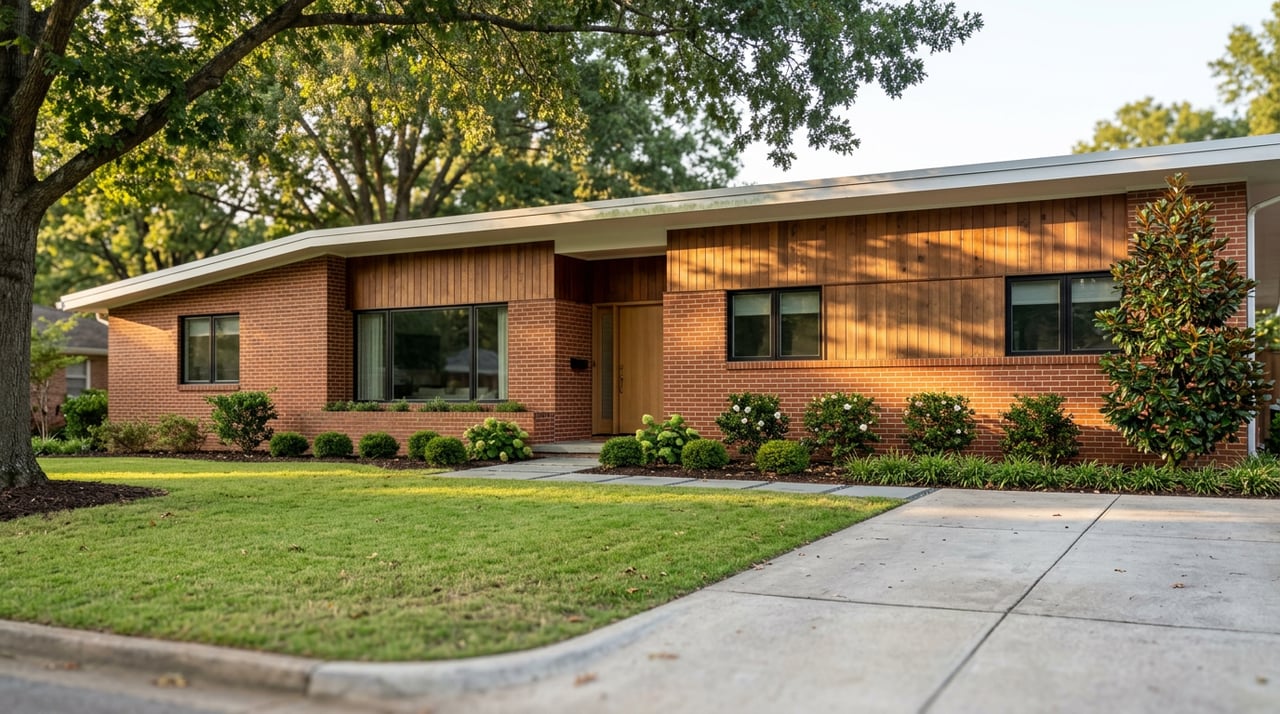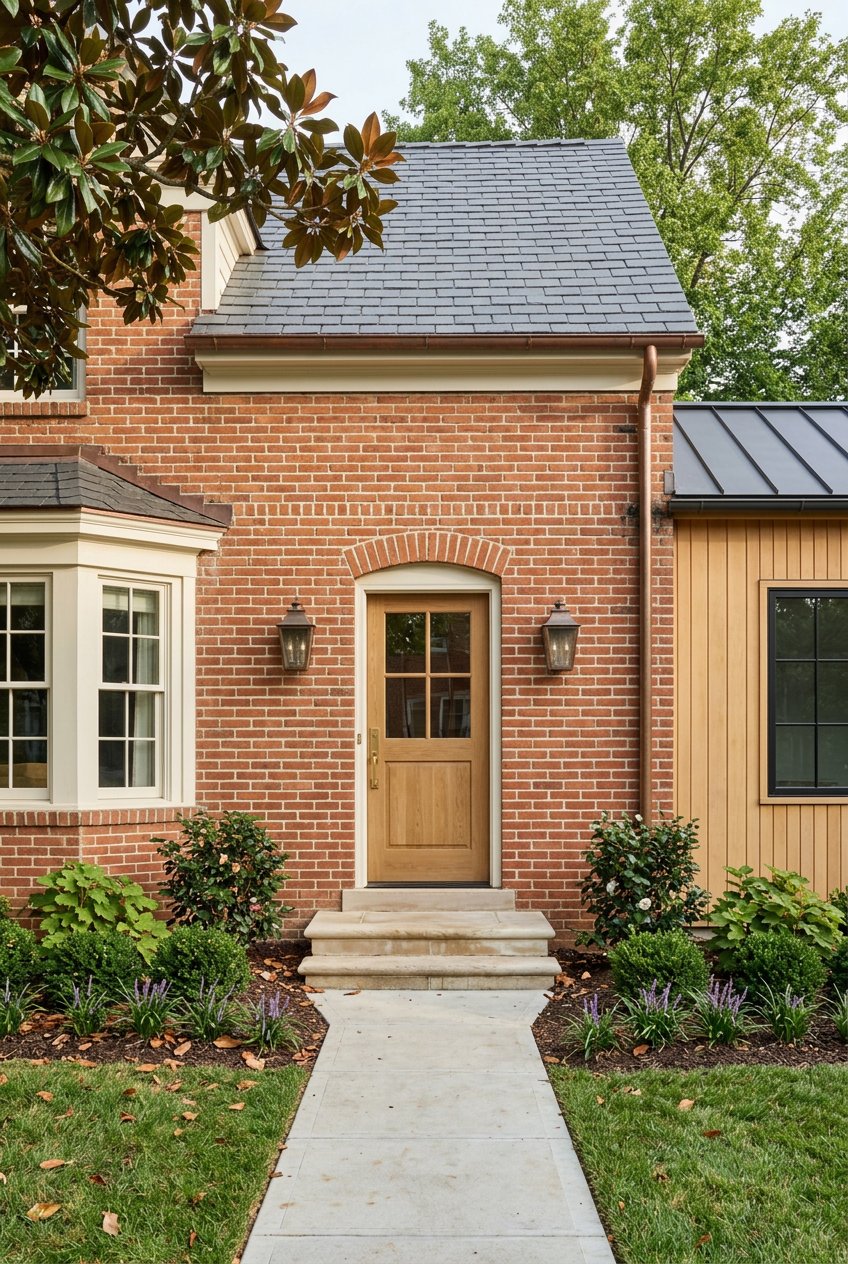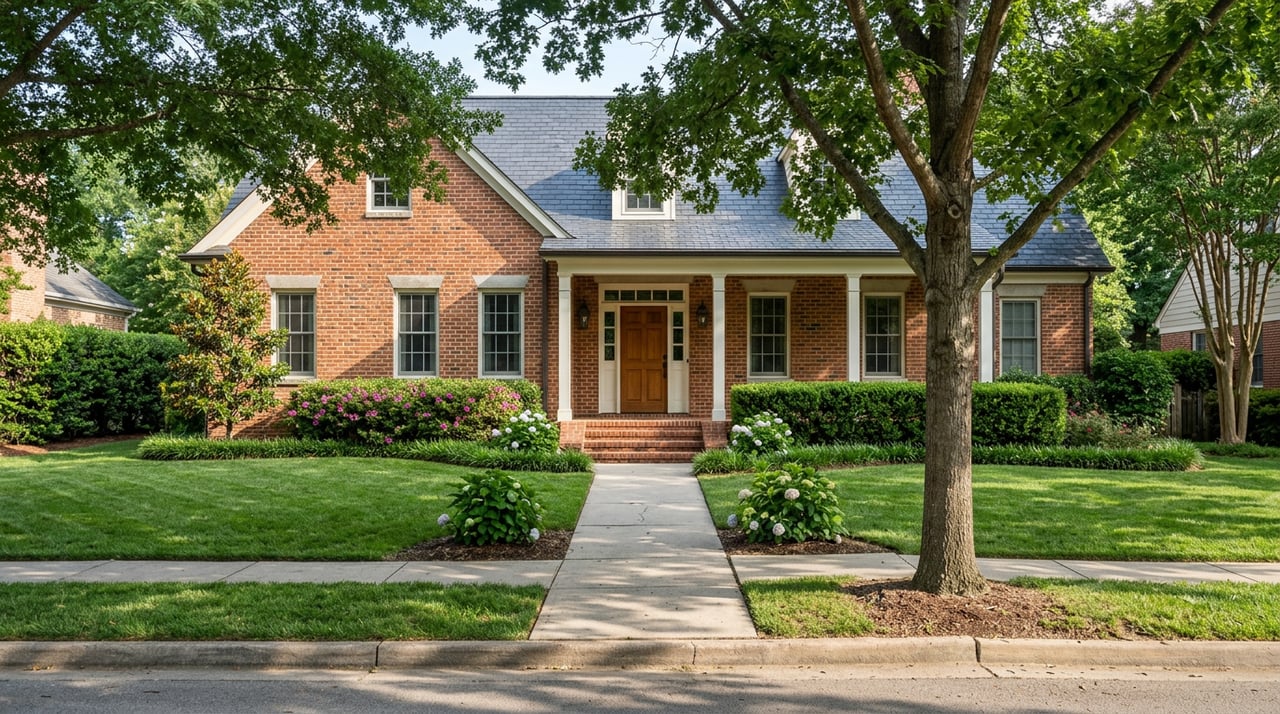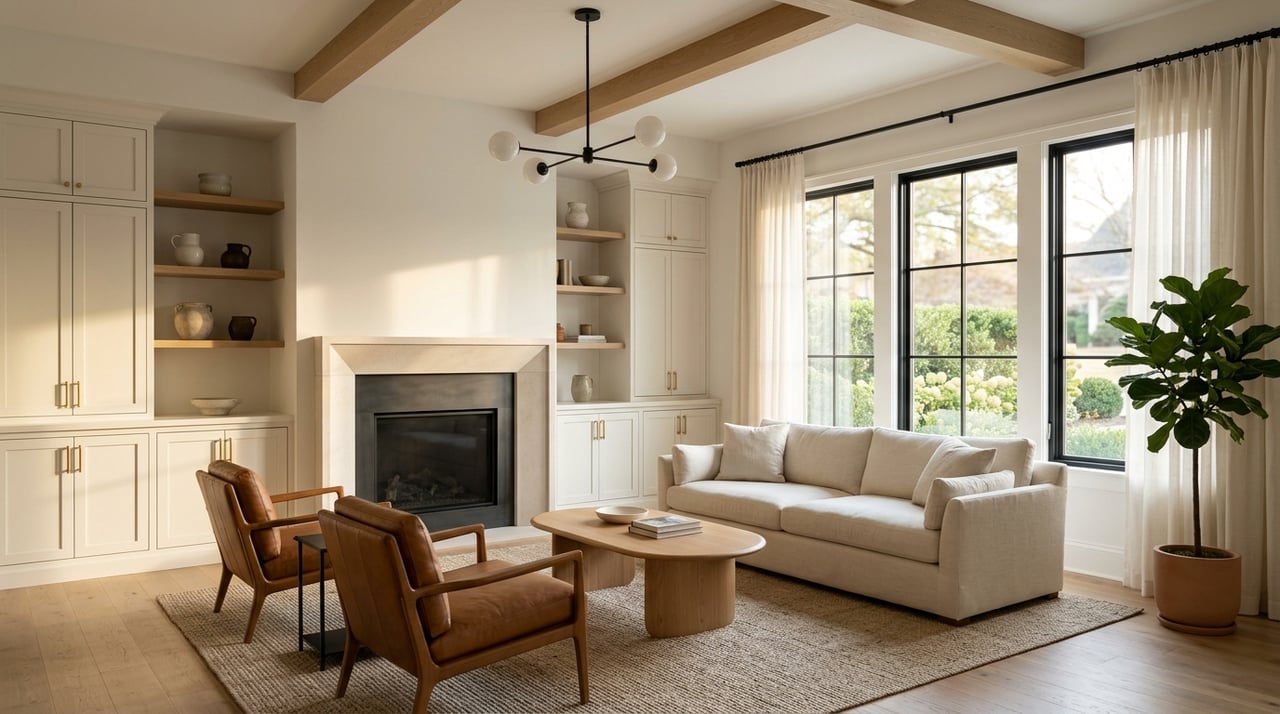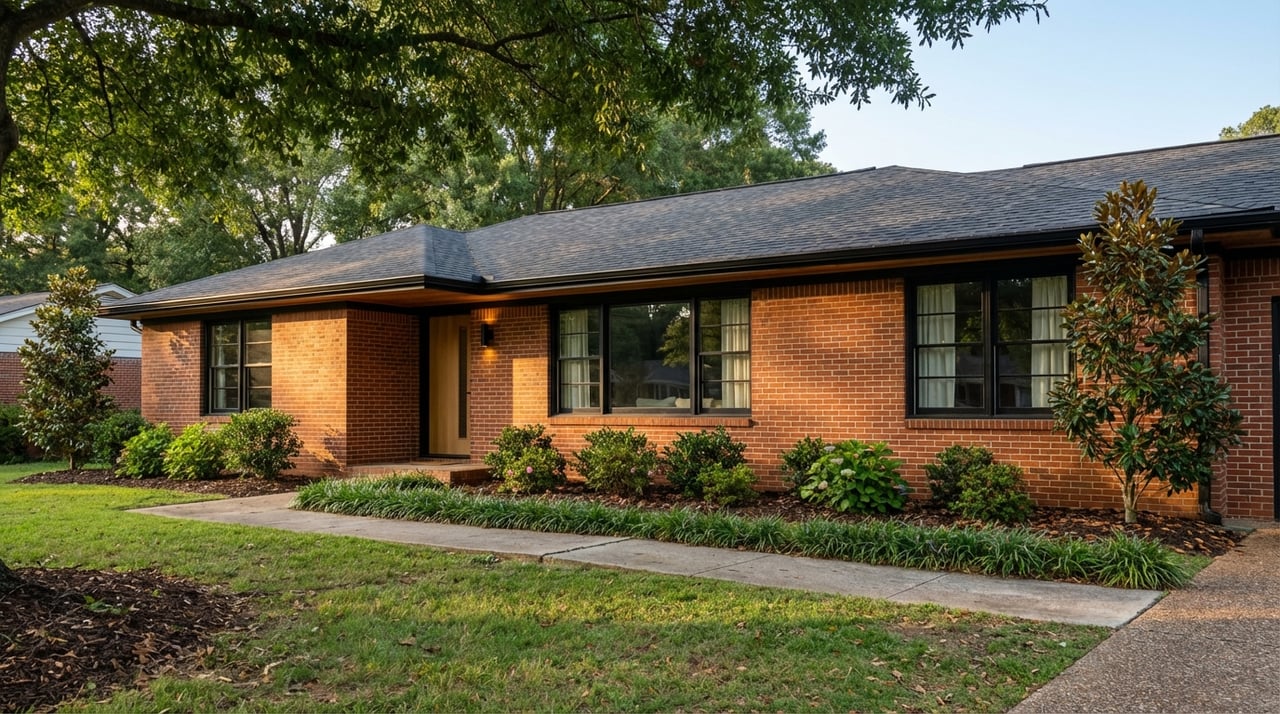
Two listings went up in Cotswold within weeks of each other this year. One was a brick ranch a few blocks behind the Cotswold Village Shops, marketed plainly as land value: buyers were told outright to expect to tear it down. The other, on the private stretch of Olde Cotswold Court, was a six-bedroom custom build asking north of a million dollars more. Both addresses carry the same neighborhood name. Neither one tells you what the other costs.
That gap is the whole story in Cotswold right now, and it's why the median price you see on a portal search is close to useless as a planning number. Cotswold isn't one housing market wearing one price tag. It's two markets, welded together by a shared zip code, and the median is just the seam where they meet.
The Number on the Portal Doesn't Agree With Itself
Pull up three different price trackers for Cotswold this year and you'll get three different answers, and they won't be close. One shows a median list price in the low $500,000s. Another, as of February 2026, puts the median nearer $615,000, essentially flat versus a year earlier. A third, tracking closed sales over a trailing twelve months, shows an average sale price of $985,345, up 23% from the prior twelve-month period.
None of these numbers is wrong. They're measuring different slices of the same neighborhood. The list-price medians lean on what's actively on the market at any given moment, which skews toward the original 1950s and 60s stock still cycling through resale. The average-sale figure captures what actually closed, and closings this year have included a disproportionate share of finished custom builds that never show up as "median" anything because there are still relatively few of them.
Average and median disagreeing by this much is a signal, not noise. It means the distribution isn't a bell curve with a fat middle. It's two humps: a cluster of original homes priced in the $450,000s to $620,000s, and a smaller but fast-growing cluster of new or fully rebuilt homes priced well over $1 million, with condos and townhomes forming a third, cheaper band underneath both. As of February 2026, condos here were averaging around $215,000, while single-family homes averaged roughly $1.73 million. That's not a spread. That's two different housing products sharing a neighborhood boundary.
What the Year-Built Figure Suggests
Here's a number that offers a clue to Cotswold's changing housing mix: in single-family sales tracked through this past spring, the median year built across Cotswold lands around 2016. Cotswold itself was platted and built out largely in the 1950s.
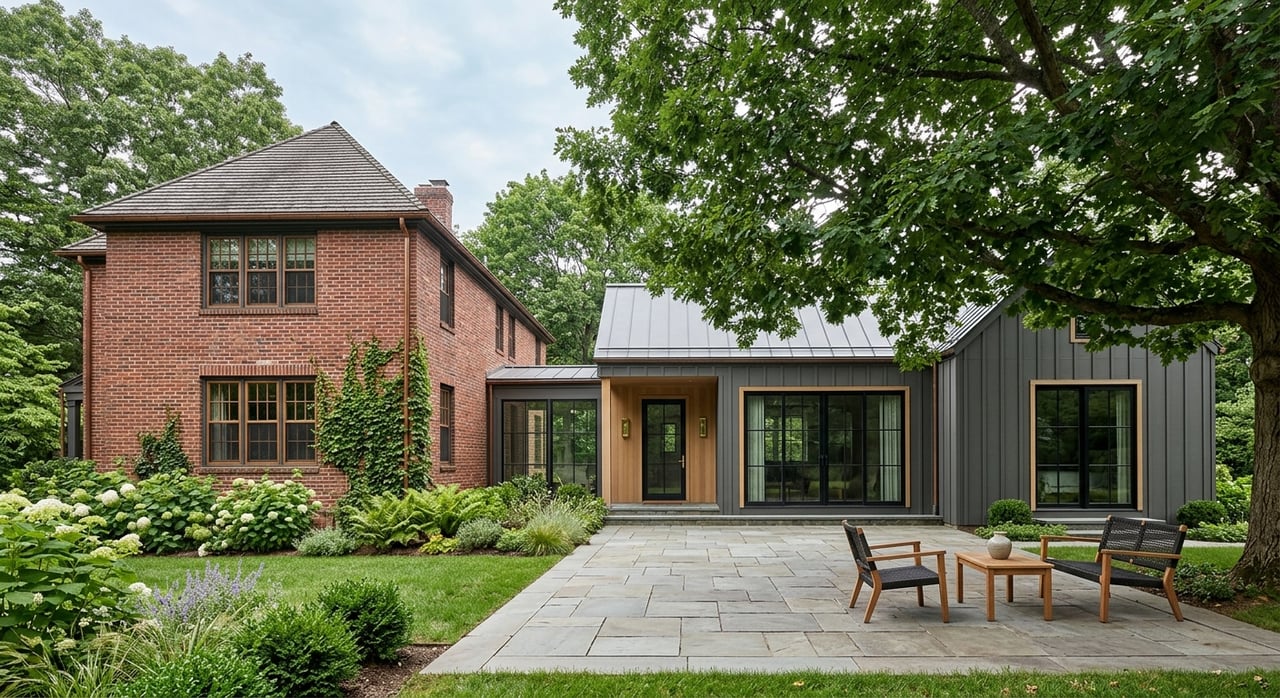
That contrast is striking. It's consistent with a replacement cycle, where original ranches are being purchased for their lots, demolished, and rebuilt at two to three times the square footage and a multiple of the price. Home sizes in that same sales window ranged from 700 square feet up to 6,600, on lots from a tenth of an acre to just over a full acre, with a median lot size around 0.38 acres. The wide range in square footage isn't eclectic housing stock aging gracefully together. It's the before-and-after of a rebuild wave, captured in a single snapshot.
Where the Two Markets Actually Sit
The split isn't random across Cotswold's streets. Olde Cotswold, the enclave anchored around the private Olde Cotswold Court, has become the address where the rebuild wave shows up most visibly. Recent listings there have been priced from roughly $1.3 million past $2.35 million, several of them built by firms working almost exclusively in that tier. In late July 2026, a five-bedroom Cotswold estate hit the market at $2.5 million, landing on a local roundup of the week's most notable listings.
Outside that pocket, the original Cotswold blocks still carry a very different economics. That listing behind the Cotswold Village Shops wasn't marketed on its kitchen or its floor plan. It was marketed on its dirt, priced for a buyer who intended to knock it down and start over, which is precisely what's been happening to a large share of Cotswold's original inventory. And the handful of vacant lots listed as raw land in the neighborhood this year have been averaging close to $2.48 million. In some cases, buyers are effectively competing for the land under a house before any construction cost is added, which tells you the ceiling on land value here has already moved well past what most finished homes in Charlotte cost outright.
Here's roughly what that split looks like by product tier this year:
Tier | What it typically is | Rough range this year |
|---|---|---|
Condo or townhome | Older or renovated units, some near the Village Shops | Averaging around $215,000 |
Original single-family | Unrenovated to lightly updated 1950s-60s ranches and cottages | $450,000 to $620,000 |
Renovated or moderately updated | Original footprint with meaningful interior work | Mid-$500,000s to $2.5 million |
Olde Cotswold custom new build | Full teardown-rebuild, often 4,000+ square feet | $1.3 million to $2.35 million and up |
Vacant lot | Raw land, house already removed or slated for removal | Averaging near $2.48 million |
The Builders Doing the Rebuilding
This isn't a handful of one-off flips. The rebuild activity in Cotswold has a recognizable roster of builders working the neighborhood repeatedly, which is a better indicator of a sustained trend than any single sale. Names that show up again and again on Cotswold permits and listings include:
- Maverick Building Company
- Kelly McArdle Construction
- Westwood Custom Homes
- Rome Homes
- Springdale Custom Builders
- Barringer Homes
- THR Design Build
The same builders appearing repeatedly on the same streets point to recurring teardown-rebuild activity in the neighborhood.
Why Some Listings Sell in Three Weeks and Others Sit for Two Months
One more contradiction worth untangling: one tracker shows Cotswold homes moving in a median of around 19 days over the past year, while another shows an average closer to 56 days for homes sold over the trailing twelve months. Both can be true at once, and the gap tells you something useful.
Finished, move-in-ready product, whether that's a fully renovated original home or a completed custom build, tends to move fast, because the buyer pool for turnkey homes in a walkable, tree-covered pocket near SouthPark and Uptown is deep and motivated. Original homes that haven't been updated, particularly ones priced like a livable house rather than a teardown, tend to sit longer. They're competing against both the renovated resale market and the builder pipeline, and if they're priced for a buyer who wants to move in without touching anything, they can linger while everyone waits to see whether the seller will eventually reprice toward land value instead.
What This Means If You're Actually Shopping Here
Before you tour anything in Cotswold, it helps to know which market you're actually shopping in:
- Ask directly whether a listing is being priced as a livable home or as a lot. The marketing language usually gives it away, but not always, and it changes what a fair offer looks like.
- Check the actual year built against the listing photos. A 2016 build date on a home styled to look original is common here and isn't a red flag, but it changes what you should expect on systems and warranty.
- If you want an original Cotswold home and plan to keep it rather than rebuild, move quickly on well-priced original stock. That inventory is shrinking as builders acquire it.
- If your budget points you toward new construction, know that Olde Cotswold pricing reflects land scarcity as much as finish level. Compare land cost separately from build cost before you judge whether a builder's asking price is reasonable.
None of this is a reason to avoid Cotswold. It's a reason to stop treating the median as a planning tool and start asking which of the two markets you're actually trying to buy into.
A Few Direct Questions
Is the teardown activity limited to Olde Cotswold, or is it neighborhood-wide? It's concentrated but not confined. Olde Cotswold has the highest volume of finished custom rebuilds, but original homes throughout Cotswold, including blocks closer to the Village Shops, are being acquired and replaced as well.
Why do average and median prices diverge so much here specifically? Because the neighborhood's housing stock isn't evenly distributed across price points. It clusters at the low end (condos and original ranches) and the high end (custom rebuilds), with comparatively little in between, which pulls the average up while the median stays anchored to whatever's actively listed.
If you're weighing Cotswold against another Charlotte neighborhood and want an honest read on what your budget actually buys here, that's the exact kind of question worth a direct conversation rather than another portal search. Real Estate Layne looks at construction quality and land value the way a builder would before it looks at a listing photo. Let's Connect.